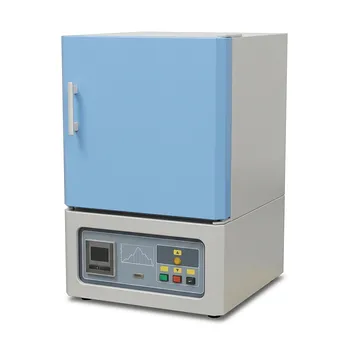
How does a high-temperature laboratory annealing furnace facilitate the crystallization of ferroelectric thin films? Optimize Perovskite Growth
Updated 3 months ago
The crystallization of ferroelectric thin films is achieved through the precise application of thermal energy within a high-temperature laboratory annealing furnace. By maintaining a constant, high-temperature environment—typically around 700°C—the furnace provides the necessary activation energy to trigger a phase transition from an amorphous precursor into a functional perovskite structure.
A high-temperature annealing furnace serves as the fundamental tool for transforming disordered atomic layers into highly ordered crystalline structures. This process is critical for establishing the piezoelectric activity and dielectric properties that define ferroelectric performance.
The Mechanics of Structural Transformation
Triggering the Phase Transition
The primary role of the furnace is to supply sufficient thermal energy to overcome the energy barrier of the amorphous state. This energy facilitates the transition into the perovskite structure, which is the crystal lattice responsible for ferroelectric and piezoelectric behavior.
Facilitating Atomic Rearrangement
High temperatures allow for the thermal diffusion and rearrangement of multi-component ions within the film. This mobility ensures that ions occupy their correct specific lattice positions, leading to a stable and uniform crystal structure.
Eliminating Internal Stress
During the initial deposition of thin films (such as sputtering), internal stresses often develop. The annealing process provides the thermal environment necessary to relax these stresses, which stabilizes the crystal structure and improves the electrical properties of the material.
Enhancing Performance Through Precision Control
Inducing Preferred Crystallographic Orientation
Achieving a specific crystal orientation, such as the [001] or [101] direction, is vital for maximizing piezoelectric performance. The furnace's precision control, often used in conjunction with specific buffer layers, guides the film to grow in these preferred directions.
Managing Heating Rates and Uniformity
Precise control over the heating rate (e.g., 5°C/min) and temperature uniformity ensures that crystallinity is consistent throughout the entire film. This prevents localized defects and ensures that the material exhibits repeatable electrical and optical characteristics.
Refining Grain Growth and Defect Repair
The stable thermal environment of a muffle or tube furnace promotes grain growth and repairs lattice defects. By reducing the density of defects, the furnace significantly improves the film’s dielectric constant and reduces dielectric loss.
The Influence of the Furnace Environment
Vacuum and Atmospheric Control
Advanced furnaces allow for annealing in vacuum or specific atmospheres to prevent unwanted reactions with environmental impurities. A vacuum environment is particularly effective at reducing dielectric loss and preventing the oxidation of sensitive film components.
Chemical Substitution and Doping
High temperatures facilitate the effective substitution of ions within the lattice (e.g., replacing Indium with Copper). This structural tuning is indispensable for optimizing the electrical stability and optical transparency of specialized ferroelectric and optoelectronic films.
Understanding the Trade-offs
Thermal Budget and Substrate Damage
While high temperatures (often exceeding 700°C–900°C) are necessary for crystallization, they can exceed the thermal budget of certain substrates. Excessive heat can lead to unwanted interdiffusion between the film and the substrate or even lead to substrate warping.
Heating Rate vs. Film Integrity
Rapid heating can accelerate the crystallization process but may induce thermal shock, leading to micro-cracking or delamination. Conversely, a heating rate that is too slow may lead to the formation of undesired intermediate phases or excessive grain growth that hinders performance.
How to Apply This to Your Project
Optimizing Your Annealing Strategy
To achieve the best results for your specific ferroelectric application, tailor the furnace parameters to the desired material properties.
- If your primary focus is High Piezoelectric Performance: Focus on maintaining a precise 700°C environment with specific buffer layers to induce the [001] preferred orientation.
- If your primary focus is Low Dielectric Loss: Utilize a vacuum annealing furnace to eliminate environmental impurities and minimize lattice defects.
- If your primary focus is Structural Stability: Prioritize a controlled, slow heating rate in a muffle furnace to eliminate internal stresses and ensure long-term sensor repeatability.
The high-temperature annealing furnace remains the definitive tool for unlocking the functional potential of amorphous thin films through controlled, precision-engineered crystallization.
Summary Table:
| Process Phase | Key Function | Impact on Material |
|---|---|---|
| Phase Transition | Supplies thermal activation energy | Transforms amorphous state to Perovskite structure |
| Ion Diffusion | Facilitates atomic rearrangement | Ensures ions occupy correct specific lattice positions |
| Stress Relief | Relaxes internal deposition stresses | Stabilizes crystal structure and improves electrical properties |
| Orientation Control | Precise heating & buffer layer use | Induces preferred [001] or [101] crystallographic growth |
| Atmosphere Control | Vacuum or inert gas processing | Prevents oxidation and reduces dielectric loss |
Elevate Your Thin Film Research with THERMUNITS Precision
Achieving the perfect perovskite structure requires uncompromising thermal control. THERMUNITS is a leading manufacturer of high-performance laboratory equipment tailored for material science and industrial R&D. Whether you are perfecting ferroelectric thin films or developing advanced optoelectronics, our comprehensive range of thermal solutions ensures repeatable, high-quality results.
Our Specialized Thermal Solutions Include:
- Precision Furnaces: Muffle, Vacuum, Atmosphere, Tube, and Rotary furnaces designed for uniform heating.
- Advanced Systems: CVD/PECVD systems, Hot Press furnaces, and Vacuum Induction Melting (VIM) for complex material synthesis.
- Specialized Equipment: Dental Furnaces, Electric Rotary Kilns, and high-quality Thermal Elements.
Why Partner with THERMUNITS? We empower researchers to optimize their annealing strategies, helping you manage thermal budgets and eliminate lattice defects. Let us provide the precise thermal environment your materials deserve.
Contact THERMUNITS Today to Upgrade Your Lab
References
- Lisha Liu, Yaojin Wang. High piezoelectric property with exceptional stability in self-poled ferroelectric films. DOI: 10.1038/s41467-024-54707-y
Mentioned Products
- High Temperature 1500C Benchtop Muffle Furnace 3.6L Alumina Fiber Chamber Programmable Controller Sintering Annealing Carbonization Thermal Processing System
- High Temperature 1000C Vacuum Furnace with 8 Inch ID Chamber for Material Sintering and Research Annealing
- Large Bench Top 1700C High Temperature Muffle Furnace with 19L Chamber for Advanced Material Sintering and Annealing
- High Temperature Vertical Atmosphere Controlled Furnace with Automatic Bottom Loading and 1700°C Capacity for Advanced Material Research
- High Temperature 1200C Muffle Furnace 27L Volume 12x12x12 Chamber with Programmable PID Controller for Laboratory Material Science
People Also Ask
- Why is annealing in a high-temperature muffle furnace necessary for SiO2/Si substrate pretreatment before monolayer WS2 synthesis?
- What is the purpose of using muffle or tube furnaces in glass synthesis? Achieve Precise Melt-Quenching & Homogeneity
- What is the role of a high-temperature muffle furnace in the synthesis of graphitic carbon nitride (g-C3N4)? - Guide
- What is the necessity of 950 °C muffle furnace for aluminate spinel supports? Achieve Phase Purity & Lattice Integration
- What is the function of a high-temp muffle furnace in Ni-V oxide synthesis? Optimize your material's performance.

Tech Team · ThermUnits
Last updated on Jun 03, 2026
Related Products
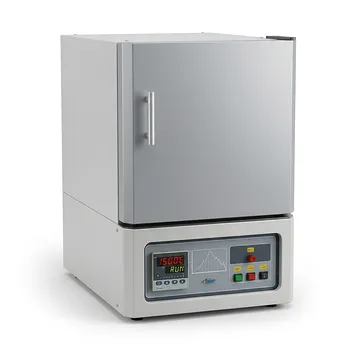
High Temperature 1500C Benchtop Muffle Furnace 3.6L Alumina Fiber Chamber Programmable Controller Sintering Annealing Carbonization Thermal Processing System
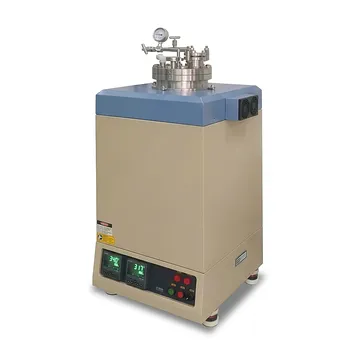
High Temperature 1000C Vacuum Furnace with 8 Inch ID Chamber for Material Sintering and Research Annealing
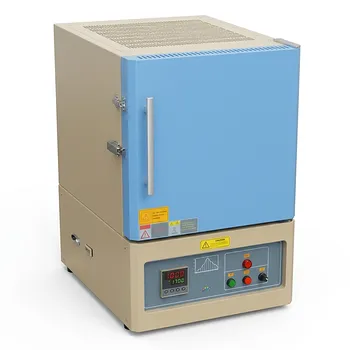
Large Bench Top 1700C High Temperature Muffle Furnace with 19L Chamber for Advanced Material Sintering and Annealing
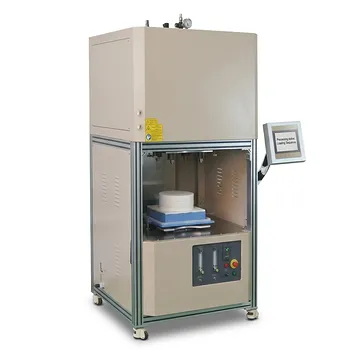
High Temperature Vertical Atmosphere Controlled Furnace with Automatic Bottom Loading and 1700°C Capacity for Advanced Material Research
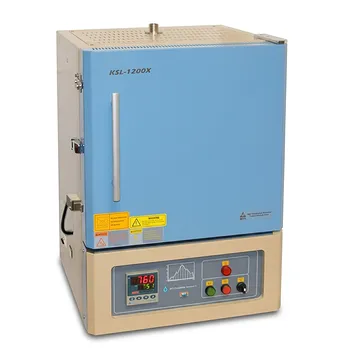
High Temperature 1200C Muffle Furnace 27L Volume 12x12x12 Chamber with Programmable PID Controller for Laboratory Material Science
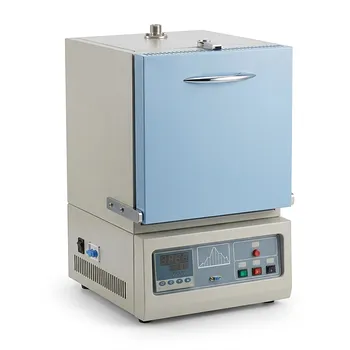
1750C Compact Muffle Furnace 1.7L Ultra High Temperature Laboratory Sintering System for Advanced Ceramics and Material Science Research
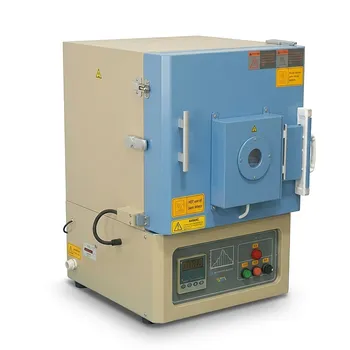
High Temperature Benchtop Muffle Furnace 1500C with 3.6L Chamber and Quartz Observation Window
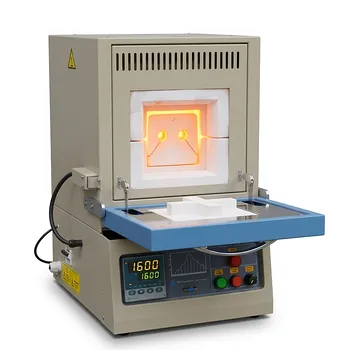
High Temperature Compact Muffle Furnace 1700 C with 30 Segment Programmable Controller and 1.7L Cubic Chamber
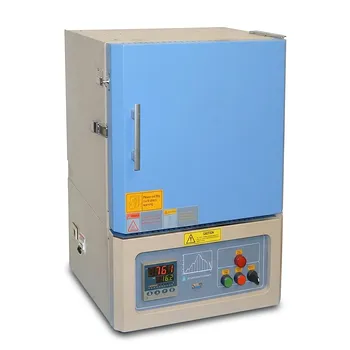
High Temperature 1700C Bench Top Muffle Furnace with Alumina Fiber Insulation and 3.6L Chamber Capacity for Precision Sintering and Heat Treatment
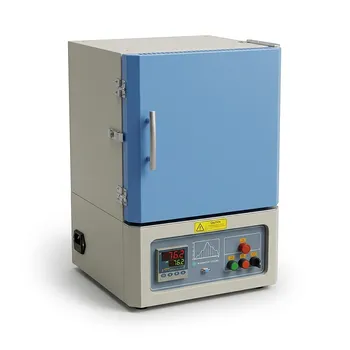
1750C Bench Top Muffle Furnace 3.6L High Grade Molybdenum Disilicide Heating Elements Laboratory Heat Treatment Equipment
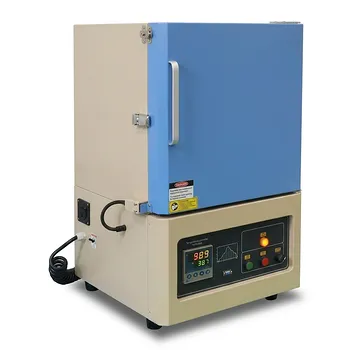
1200°C High Temperature Muffle Furnace 19L Chamber with 50 Segment Programmable Controller
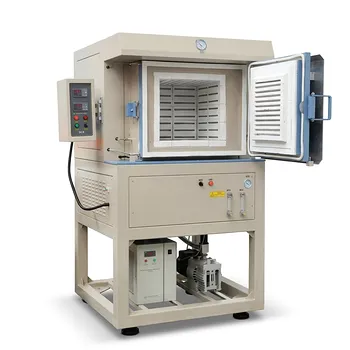
1200°C Five Side Heating Atmosphere Controlled Muffle Furnace 64 Liter High Uniformity Box Furnace for Material Synthesis
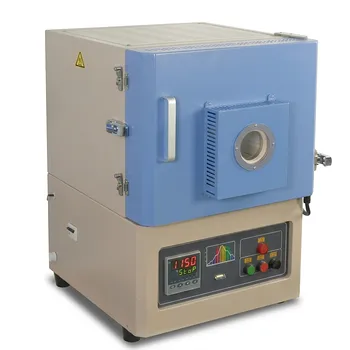
High Temperature Benchtop Muffle Furnace with Quartz Observation Window for Thermal Imaging and Material Analysis
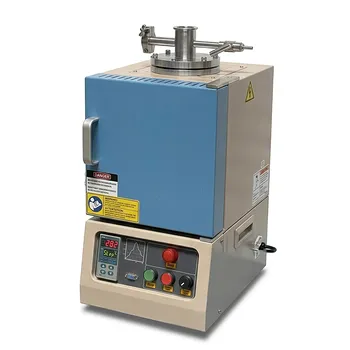
High Temperature Hybrid Muffle and Tube Furnace with Vacuum Capability and PID Control
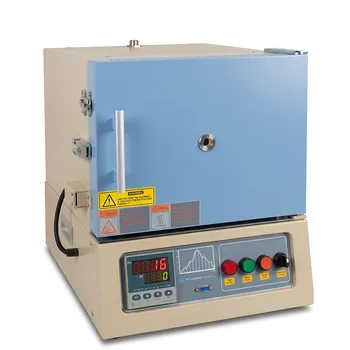
1200C Muffle Furnace 12x8x5 7.2L Heating Chamber with Quartz Observation Window and Vent Port
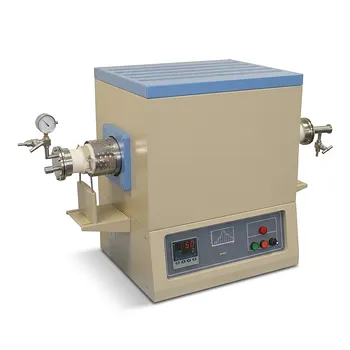
1700C High Temperature Alumina Tube Furnace with 18 Inch Heated Zone and Vacuum Sealing Flanges
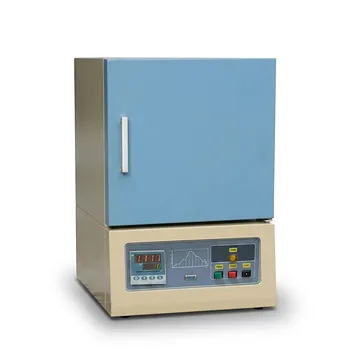
Ultra High Temperature Bench Top Muffle Furnace 1750C Sintering System with Kanthal Super Heating Elements and Precision Digital Control
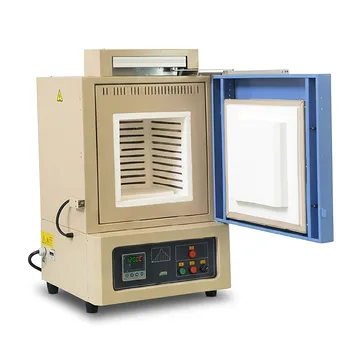
1200C High Temperature Muffle Furnace with Motorized Door and Automated PC Control for Industrial Sintering and Material Processing 27 Liter
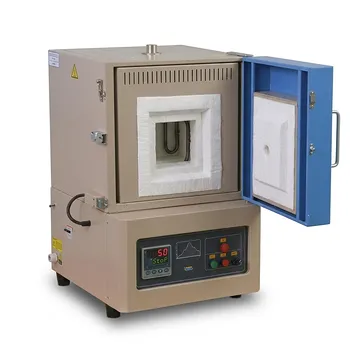
1800°C Bench Top Ultra High Temperature Muffle Furnace with Sapphire Observation Window and Top Feeding Port for Materials Research and Thermal Processing