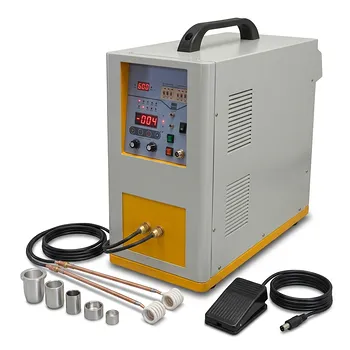
How does Vacuum Induction Melting improve the performance of components used in power generation? Purity & Durability
Updated 5 months ago
Vacuum Induction Melting (VIM) is the gold standard for producing the high-purity alloys required for modern power generation. By melting metal under vacuum conditions, the process eliminates dissolved gases and harmful trace elements that would otherwise compromise structural integrity. This results in components capable of withstanding the extreme temperatures and pressures found in gas turbines and nuclear reactors.
The Core Takeaway: VIM serves as the foundational refining step for high-performance superalloys. By strictly controlling the chemical environment, it ensures that critical components possess the creep resistance and fracture toughness necessary for long-term operational safety.
Eliminating Internal Material Weaknesses
Removing Dissolved Gases
During the melting process, metals often trap gases like oxygen, nitrogen, and hydrogen. If left unaddressed, these gases form internal voids and oxides that act as stress concentrators. VIM uses a vacuum environment to force these gases out of the melt, significantly reducing the risk of internal defects.
Eliminating Harmful Trace Elements
Undesirable elements like sulfur and lead can severely degrade the mechanical properties of an alloy. The VIM process volatilizes these impurities, boiling them off the surface of the liquid metal. This purification ensures that the final component is not prone to premature cracking or embrittlement.
Enhanced Weldability
A cleaner melt directly correlates to better weldability during the assembly of large power plant structures. By removing impurities that cause "hot cracking" during the welding process, VIM allows for more reliable joins in complex assemblies like turbine casings and rotor disks.
Optimizing Mechanical Performance for Extreme Heat
Boosting Creep Resistance
In power generation, components often operate at temperatures near their melting points for thousands of hours. VIM allows for the precise addition of strengthening elements that improve creep resistance, the material's ability to resist slow deformation under constant stress. This is vital for maintaining the aerodynamic efficiency of turbine blades.
Achieving Microstructural Uniformity
The controlled cooling and high purity levels of VIM-treated metals lead to uniform microstructures. This consistency means the material properties are predictable across the entire component. Predictability is a core requirement for safety-critical parts in nuclear and high-pressure steam environments.
Improving Fracture Toughness
By minimizing inclusions (non-metallic particles), VIM increases the fracture toughness of the metal. This means the material can better resist the initiation and spread of cracks. In the event of a thermal shock or sudden load change, VIM-refined components are much less likely to suffer a catastrophic failure.
Advanced Refining through Electromagnetic Action
The Role of Electromagnetic Stirring
VIM systems utilize induction stirring to circulate the molten metal during the refining process. This motion overcomes liquid-phase mass transfer resistance, ensuring that volatile impurities deep within the melt are brought to the surface. This mechanical action guarantees that the entire batch, which can exceed 30 tons, is refined to the same high standard.
Synergies with Secondary Processing
VIM is frequently used as the primary step before secondary refining methods like Vacuum Arc Remelting (VAR). By producing a high-integrity "master melt" with fewer initial inclusions, VIM improves the efficiency of subsequent casting or atomization. This synergy ultimately lowers the total production cost of high-value engineering components by reducing scrap rates.
Understanding the Trade-offs
High Energy and Operational Costs
The primary limitation of VIM is its high operational cost compared to air-melting techniques. Maintaining a deep vacuum and powering industrial-scale induction coils requires significant energy. Furthermore, the specialized refractory linings in VIM furnaces require frequent, expert maintenance to prevent melt contamination.
Volatilization of Intended Elements
While the vacuum is excellent for removing impurities, it can also cause the unintentional loss of beneficial volatile elements, such as zinc or chromium. Metallurgists must carefully calibrate the process to compensate for these losses. This often requires complex "late-addition" strategies to ensure the final alloy meets strict chemical specifications.
Making the Right Choice for Your Goal
How to Apply This to Your Project
- If your primary focus is extreme temperature endurance: Utilize VIM to create superalloys with optimized creep resistance for turbine blades and high-pressure rotors.
- If your primary focus is structural safety and longevity: Lean on the superior fracture toughness provided by VIM-refined metals to prevent catastrophic failures in nuclear reactor casings.
- If your primary focus is manufacturing efficiency: Use VIM as a primary melt source to reduce defects in downstream processes like investment casting or powder atomization.
By prioritizing chemical purity through vacuum processing, you ensure that every component in your power generation system is built on a foundation of total material integrity.
Summary Table:
| Feature | Benefit to Material | Impact on Power Generation |
|---|---|---|
| Gas Removal | Eliminates internal voids and oxides | Prevents stress concentration in turbine rotors |
| Impurity Volatilization | Removes sulfur and lead | Increases fracture toughness in nuclear reactors |
| Precise Alloying | Improved microstructural uniformity | Ensures predictable performance for safety-critical parts |
| Induction Stirring | Homogeneous melt composition | Guaranteed material integrity across large batches |
| Vacuum Environment | Enhanced weldability | Reliable joining of complex turbine casing assemblies |
Elevate Your Material R&D with THERMUNITS
Are you looking to achieve superior alloy purity and extreme temperature endurance for your next project? THERMUNITS is a leading manufacturer of high-temperature laboratory equipment specifically designed for material science and industrial R&D.
We provide a comprehensive range of high-performance thermal processing solutions, including:
- Vacuum Induction Melting Furnaces (VIM) for high-purity alloy production.
- Vacuum, Atmosphere, and Tube Furnaces for precise heat treatment.
- Muffle, Rotary, and Hot Press Furnaces for versatile material processing.
- CVD/PECVD Systems and advanced Thermal Elements.
Our expert engineering ensures your components meet the rigorous standards of the power generation industry. Contact us today to find the perfect furnace for your application!
Mentioned Products
- 1900C Maximum High Temperature 7KW Vacuum Induction Melting System with 60mm Quartz Tube and Manual Temperature Control for Metallic Alloy Research
- Induction Melting Casting Furnace 1750C Vacuum High Frequency Metal Processing Unit
- High Temperature Induction Melting System with Integrated Ultra High Purity Glove Box for Metallic Alloy Processing
- Atmosphere Controlled Induction Melting Granulating Casting Furnace 1500C 5kg Capacity
- Atmosphere Controlled Induction Melting Casting System 1600C 10L Capacity
People Also Ask
- What is the primary role of a Vacuum Induction Melting furnace in the smelting of Fe-Cr-N alloys? Ensuring High Purity
- How does a Vacuum Induction Melting furnace heat materials while preventing atmospheric contamination? Achieve High Purity
- What are the key structural components that make up a Vacuum Induction Melting (VIM) furnace system? Full Guide
- How does the skin effect influence VIM frequency selection? Optimize Heat Penetration & Stirring Efficiency
- What technical advantages does Vacuum Induction Melting offer regarding alloy homogeneity and purity? Enhance Performance

Tech Team · ThermUnits
Last updated on Apr 14, 2026
Related Products
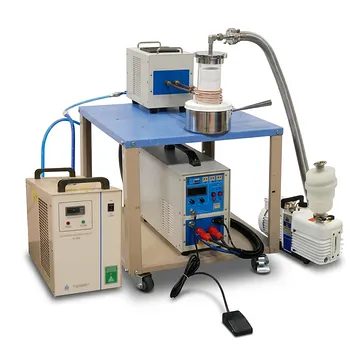
1900C Maximum High Temperature 7KW Vacuum Induction Melting System with 60mm Quartz Tube and Manual Temperature Control for Metallic Alloy Research
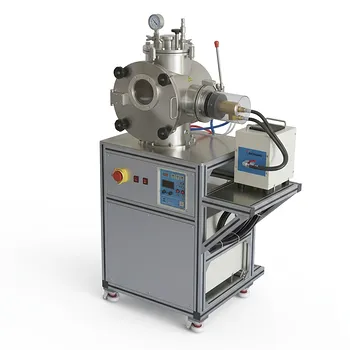
Induction Melting Casting Furnace 1750C Vacuum High Frequency Metal Processing Unit
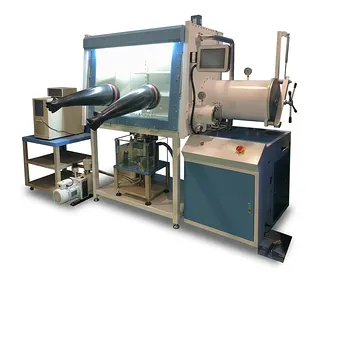
High Temperature Induction Melting System with Integrated Ultra High Purity Glove Box for Metallic Alloy Processing
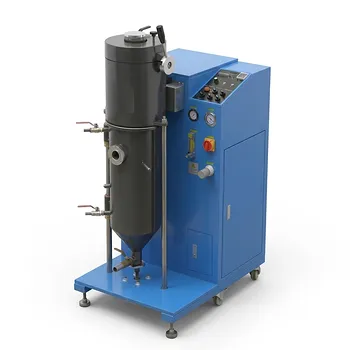
Atmosphere Controlled Induction Melting Granulating Casting Furnace 1500C 5kg Capacity
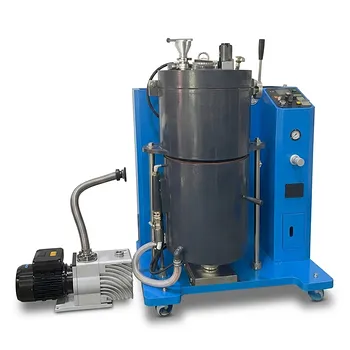
Atmosphere Controlled Induction Melting Casting System 1600C 10L Capacity
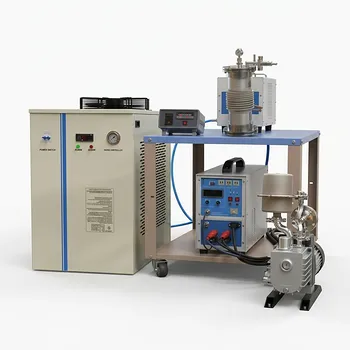
Induction Heating System with Temperature Control for High Temperature Vacuum Sintering and Melting
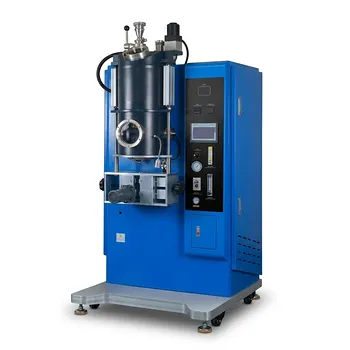
Atmosphere Controlled Continuous Casting Furnace with Secondary Charge Function for Induction Melting and Metal Alloy Wire Production
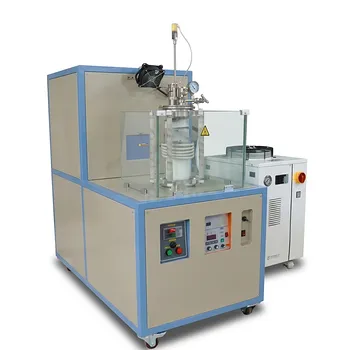
15KW Induction Melting System with Top Suction Casting for Thin Rod Production Up to 1200°C
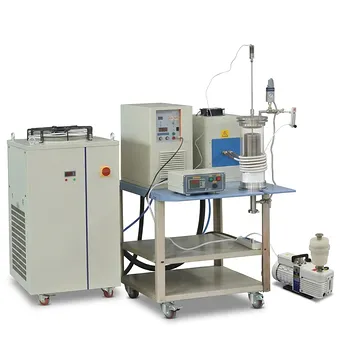
High Temperature Induction Melting System with Multi Cavity Crucible and 15KW Precision Digital Temperature Control
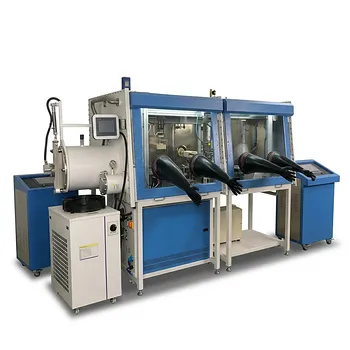
Automatic 10 Crucible Induction Melting and Casting System with Stirring Function and Glovebox Integration 2000C
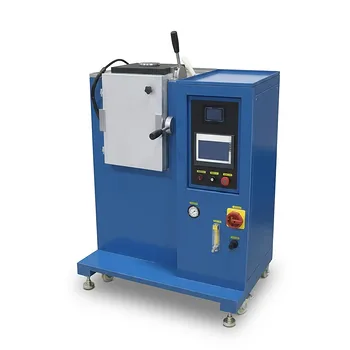
High Throughput Induction Melting and Casting Furnace for Superalloy Research 1700C Atmosphere Controlled Multi Sample System
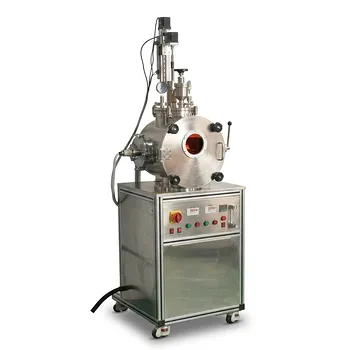
High Vacuum Melting Casting Furnace with Mechanical Stirring and Secondary Charge for Metallic Alloy Research
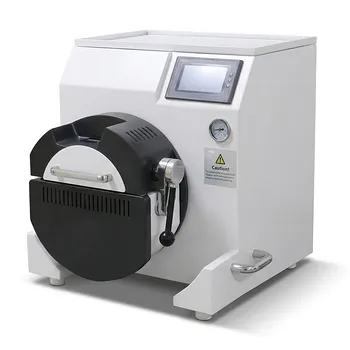
Desktop Induction Melting Furnace with Automatic Rotary Casting Function up to 1700C for Advanced Metal Alloy Research
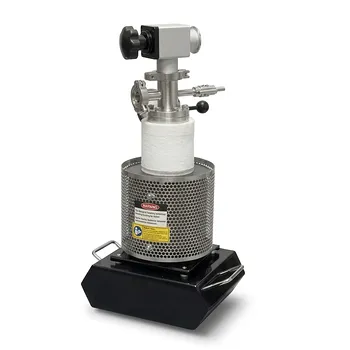
High Temperature 1100C Compact Top Loading Vertical Vacuum Tube Furnace for High Vacuum Noble Metal Melting and Material Research
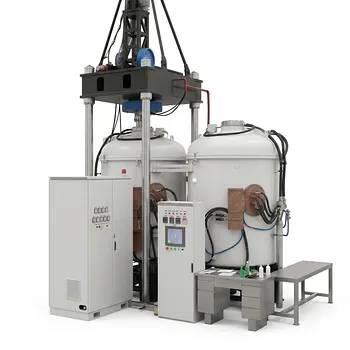
High Pressure 600T Vacuum Induction Hot Press Furnace for Advanced Material Heat Treatment and Sintering
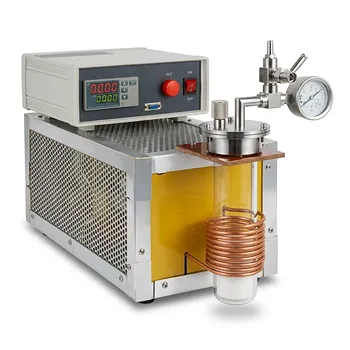
High Temperature Mini Induction Heating Furnace 1600C Laboratory Material Melting System
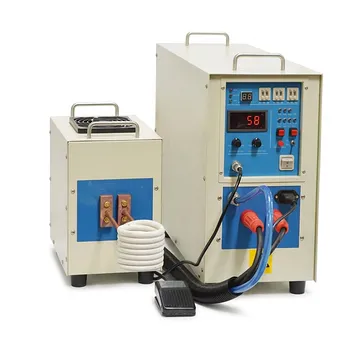
High Frequency Desktop Induction Heater 15 KVA Induction Heating System with Automatic Timer Control for Material Research and Metal Melting
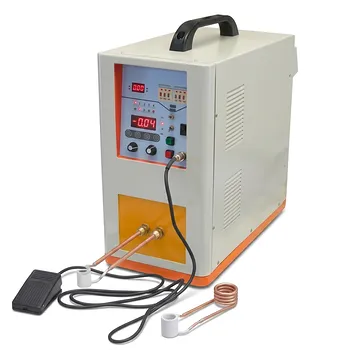
Desktop High Frequency Induction Heater for Precision Metal Melting and Laboratory Thermal Processing 0.6 to 1.1MHz
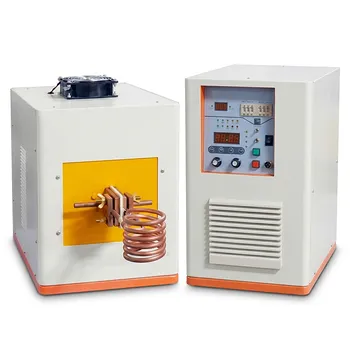
30KW High Frequency Induction Heater for Metal Melting and Industrial Heat Treatment 80-200kHz