How does Vacuum Induction Melting mitigate hydrogen embrittlement? Ensure Structural Integrity for Critical Alloys
Updated 5 months ago
Vacuum Induction Melting (VIM) mitigates hydrogen embrittlement by utilizing a high-vacuum environment to "degas" molten metal, effectively stripping away dissolved hydrogen before the material solidifies. In high-stakes fields like nuclear energy and defense, this process ensures that critical components—such as reactor fuel cladding and armor alloys—maintain their structural integrity and do not succumb to sudden, brittle failure under stress.
Core Takeaway: VIM acts as a proactive purification step that removes hydrogen at the liquid stage, preventing the formation of internal micro-defects that lead to catastrophic material failure in extreme environments.
The Mechanics of Vacuum Degassing
Reducing Partial Pressure
VIM operates by placing the induction furnace inside a vacuum chamber, significantly lowering the atmospheric pressure above the melt. According to physical laws of solubility, as the partial pressure of hydrogen in the surrounding atmosphere drops, the hydrogen dissolved in the liquid metal is forced to escape into the vacuum.
Promoting Gaseous Diffusion
The induction stirring inherent in the VIM process constantly moves "fresh" molten metal to the surface of the melt. This continuous agitation ensures that hydrogen atoms throughout the entire volume of the material can reach the surface, transform into gas, and be pumped away efficiently.
Eliminating Interstitial Defects
By removing hydrogen while the metal is still liquid, VIM prevents hydrogen atoms from becoming trapped in the crystalline lattice during cooling. This prevents the buildup of internal pressure and "hydrogen flakes" that typically serve as the initiation points for cracks.
Critical Applications in Nuclear and Defense
Securing Nuclear Reactor Internals
In nuclear environments, materials like zirconium alloys used for fuel cladding must withstand intense radiation and thermal stress. Removing hydrogen via VIM is essential because hydrogen absorption in these environments can lead to hydride formation, which makes the cladding dangerously brittle.
Toughening Defense-Grade Armor
Defense-related armor alloys require extreme high-strength properties to withstand ballistic impacts. VIM ensures these alloys are "clean," preventing the microscopic hydrogen-induced cracking that would otherwise allow an armor plate to shatter rather than deform and absorb energy.
Maintaining Integrity in High-Performance Alloys
High-performance alloys used in defense propulsion systems rely on the chemical purity provided by VIM. Eliminating gaseous impurities ensures that the material's mechanical properties remain consistent, even under the fluctuating pressures and temperatures of combat or aerospace operations.
Understanding the Trade-offs
High Operational Complexity
The primary downside of VIM is the significant capital and operational cost associated with maintaining high-vacuum seals and specialized furnace equipment. This makes the process significantly more expensive than traditional air-induction melting or atmospheric casting.
Risks of Post-Processing Contamination
While VIM produces an exceptionally clean melt, the material can still be re-contaminated with hydrogen during subsequent steps like welding or heat treatment. Engineers must maintain strict environmental controls throughout the entire manufacturing lifecycle to preserve the benefits gained during the melting stage.
Throughput Limitations
VIM is typically a batch process with limited melt capacities compared to large-scale industrial furnaces. This can lead to longer lead times and production bottlenecks when high volumes of material are required for large defense or energy projects.
Implementing VIM for High-Stakes Materials
How to Apply This to Your Project
- If your primary focus is Maximum Fatigue Life: Utilize VIM-processed alloys to ensure the highest possible resistance to crack initiation caused by internal gaseous impurities.
- If your primary focus is Nuclear Safety Compliance: Prioritize VIM for any components exposed to high-pressure water or radiation where hydride embrittlement poses a catastrophic risk.
- If your primary focus is Cost-Efficiency in Non-Critical Parts: Consider secondary vacuum treatments (like VAR) instead of full VIM if the material does not require the extreme chemical purity level of defense-grade alloys.
By removing the "invisible" threat of hydrogen at the molecular level, Vacuum Induction Melting provides the fundamental material reliability required for the world's most demanding technical environments.
Summary Table:
| VIM Mechanism | Action on Molten Metal | Benefit for Nuclear/Defense |
|---|---|---|
| High-Vacuum Environment | Reduces hydrogen partial pressure | Forces dissolved gases to escape the melt |
| Induction Stirring | Continuous surface renewal | Ensures efficient degassing of the entire volume |
| Liquid-Phase Purification | Eliminates interstitial defects | Prevents internal micro-cracks and brittleness |
| Advanced Metallurgy | Chemical purity control | Enhances fatigue life and ballistic resistance |
Elevate Your Material Reliability with THERMUNITS Solutions
Are you developing mission-critical materials for nuclear energy or high-stakes defense applications? THERMUNITS is a leading manufacturer of high-temperature laboratory equipment, providing the precision needed to eliminate impurities like hydrogen at the molecular level.
We offer a comprehensive range of thermal processing solutions, including:
- Vacuum Induction Melting Furnaces (VIM) for ultimate gas removal
- Muffle, Vacuum, Atmosphere, and Tube Furnaces
- Hot Press Furnaces & CVD/PECVD Systems
- Rotary Kilns, Dental Furnaces, and Thermal Elements
Whether you are refining zirconium alloys or toughening defense-grade armor, our equipment ensures your materials meet the most rigorous safety and performance standards.
Contact us today to discuss your heat treatment requirements!
Mentioned Products
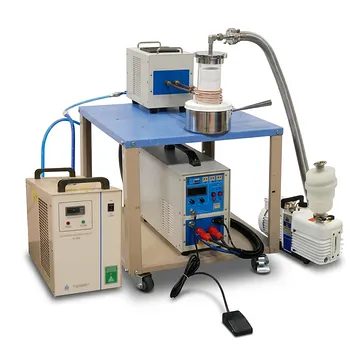
- 1900C Maximum High Temperature 7KW Vacuum Induction Melting System with 60mm Quartz Tube and Manual Temperature Control for Metallic Alloy Research
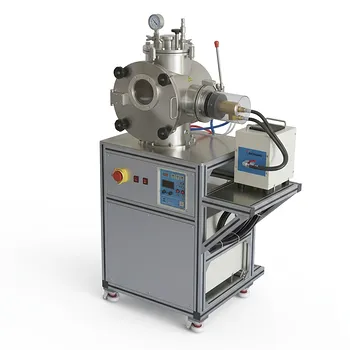
- Induction Melting Casting Furnace 1750C Vacuum High Frequency Metal Processing Unit
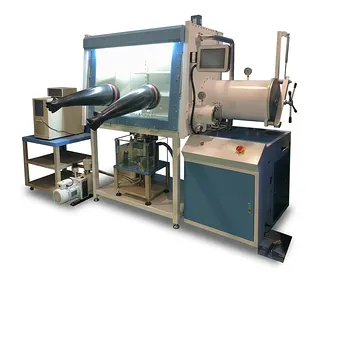
- High Temperature Induction Melting System with Integrated Ultra High Purity Glove Box for Metallic Alloy Processing
- Atmosphere Controlled Induction Melting Granulating Casting Furnace 1500C 5kg Capacity
- Atmosphere Controlled Induction Melting Casting System 1600C 10L Capacity
People Also Ask
- What is the primary role of a Vacuum Induction Melting furnace in the smelting of Fe-Cr-N alloys? Ensuring High Purity
- How does a Vacuum Induction Melting furnace heat materials while preventing atmospheric contamination? Achieve High Purity
- What are the key structural components that make up a Vacuum Induction Melting (VIM) furnace system? Full Guide
- How does the skin effect influence VIM frequency selection? Optimize Heat Penetration & Stirring Efficiency
- What technical advantages does Vacuum Induction Melting offer regarding alloy homogeneity and purity? Enhance Performance

Tech Team · ThermUnits
Last updated on Apr 14, 2026
Related Products
1900C Maximum High Temperature 7KW Vacuum Induction Melting System with 60mm Quartz Tube and Manual Temperature Control for Metallic Alloy Research
Induction Melting Casting Furnace 1750C Vacuum High Frequency Metal Processing Unit
High Temperature Induction Melting System with Integrated Ultra High Purity Glove Box for Metallic Alloy Processing
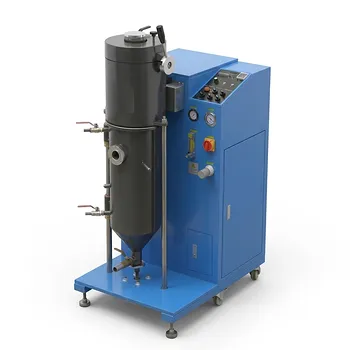
Atmosphere Controlled Induction Melting Granulating Casting Furnace 1500C 5kg Capacity
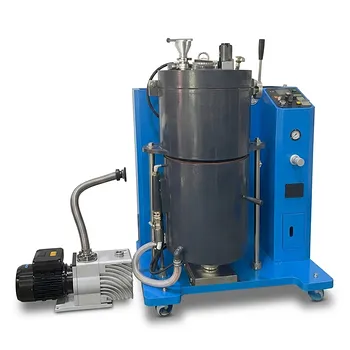
Atmosphere Controlled Induction Melting Casting System 1600C 10L Capacity
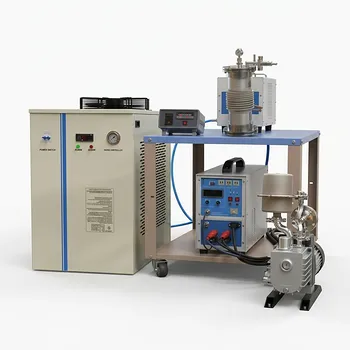
Induction Heating System with Temperature Control for High Temperature Vacuum Sintering and Melting
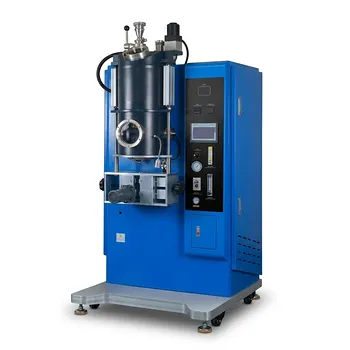
Atmosphere Controlled Continuous Casting Furnace with Secondary Charge Function for Induction Melting and Metal Alloy Wire Production
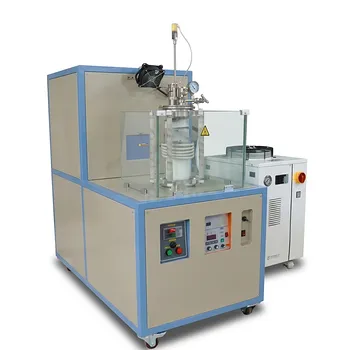
15KW Induction Melting System with Top Suction Casting for Thin Rod Production Up to 1200°C
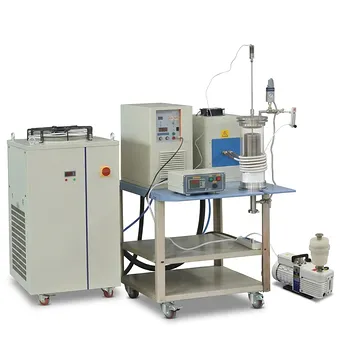
High Temperature Induction Melting System with Multi Cavity Crucible and 15KW Precision Digital Temperature Control
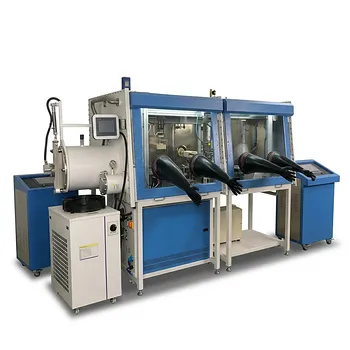
Automatic 10 Crucible Induction Melting and Casting System with Stirring Function and Glovebox Integration 2000C
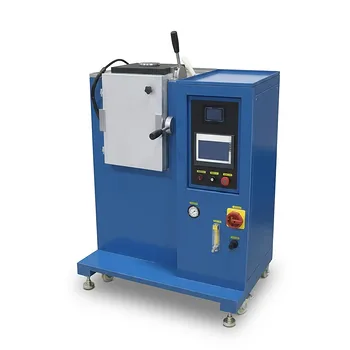
High Throughput Induction Melting and Casting Furnace for Superalloy Research 1700C Atmosphere Controlled Multi Sample System
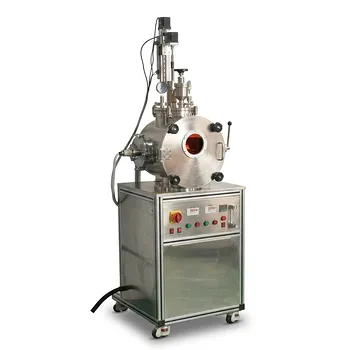
High Vacuum Melting Casting Furnace with Mechanical Stirring and Secondary Charge for Metallic Alloy Research
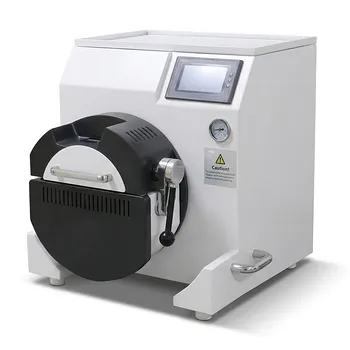
Desktop Induction Melting Furnace with Automatic Rotary Casting Function up to 1700C for Advanced Metal Alloy Research
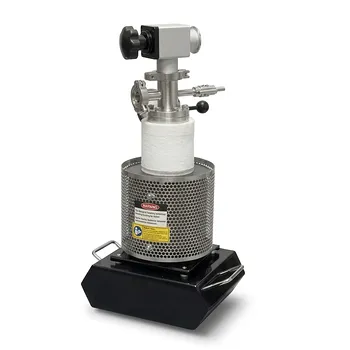
High Temperature 1100C Compact Top Loading Vertical Vacuum Tube Furnace for High Vacuum Noble Metal Melting and Material Research
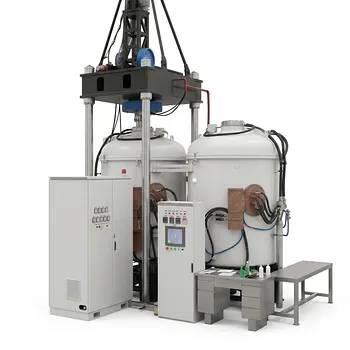
High Pressure 600T Vacuum Induction Hot Press Furnace for Advanced Material Heat Treatment and Sintering
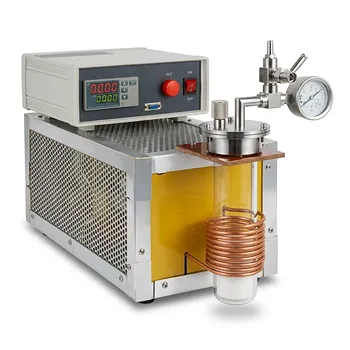
High Temperature Mini Induction Heating Furnace 1600C Laboratory Material Melting System
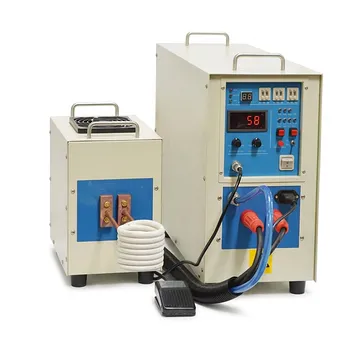
High Frequency Desktop Induction Heater 15 KVA Induction Heating System with Automatic Timer Control for Material Research and Metal Melting
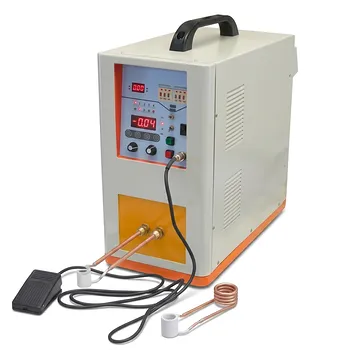
Desktop High Frequency Induction Heater for Precision Metal Melting and Laboratory Thermal Processing 0.6 to 1.1MHz
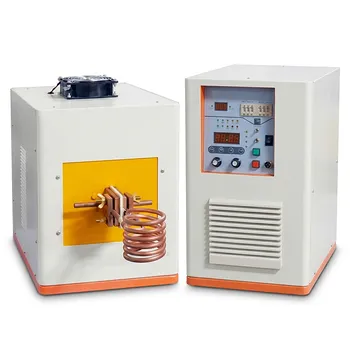
30KW High Frequency Induction Heater for Metal Melting and Industrial Heat Treatment 80-200kHz