How is a high-temperature muffle furnace utilized in the industrial analysis of biochar? Optimize Quality & R&D
Updated 3 months ago
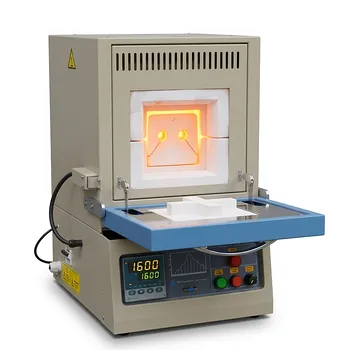
The high-temperature muffle furnace is the primary tool for proximate analysis and thermal processing of biochar. It provides the controlled environment needed to quantify ash content, volatile matter, and fixed carbon by subjecting samples to precise temperature programs ranging from 400°C to 950°C. This data allows industries to assess biochar purity, energy potential, and its suitability as a reducing agent in processes like steelmaking.
A muffle furnace serves as both a diagnostic and a synthesis tool, enabling the precise quantification of biochar’s chemical constituents and the engineering of its physical structure. By controlling thermal decomposition under oxygen-limited conditions, it bridges the gap between raw biomass and high-performance industrial carbon.
Industrial Proximate Analysis
Proximate analysis is the standard method used to define the chemical composition and energy potential of biochar. The muffle furnace ensures these tests are repeatable and comply with industrial standards.
Determining Volatile Matter (VM)
Volatile matter is measured by heating biochar to approximately 900°C to 920°C in a controlled environment. This process identifies the portion of the material that will be released as gas during high-temperature industrial reactions.
Measuring Ash Content
Ash content is determined by heating the sample to 750°C to 800°C (or 500°C depending on the specific standard) to achieve complete combustion. The remaining inorganic residue represents the impurities that do not contribute to the carbon-based reactions.
Calculating Fixed Carbon (FC)
Fixed carbon is the solid combustible residue that remains after the volatile matter is expelled. High fixed carbon content is a critical metric for biochar used in Electric Arc Furnace (EAF) steelmaking, where it acts as a reliable reducing agent.
Precision Synthesis and Material Engineering
Beyond analysis, the muffle furnace is utilized to synthesize biochar with specific physical properties. By adjusting temperature and heating rates, technicians can "tune" the char for different applications.
Controlled Pyrolysis and Carbonization
The furnace heats biomass in sealed reactors to target temperatures, such as 800°C, to convert it into biochar. This precise management determines the final product's thermal resistance and overall carbon density.
Chemical Activation and Porosity
Secondary thermal treatments between 550°C and 650°C are used to activate biochar impregnated with agents like phosphoric acid. This process etches the carbon matrix, creating extensive micropores and mesopores required for high-performance adsorption.
Element Doping and Functionalization
Industrial-grade furnaces allow for programmed heating rates, such as 10°C/min, to facilitate element doping. This enables the embedding of nitrogen, chlorine, or iron into the carbon skeleton to create specialized catalytic materials.
Understanding the Trade-offs
While the muffle furnace is indispensable, its effectiveness depends on strict operational protocols.
Atmosphere Control Challenges
Biochar analysis requires oxygen-limited conditions to prevent the sample from burning away. If the furnace is not properly sealed or if crucibles are not correctly prepared, the resulting data for volatile matter and fixed carbon will be fundamentally flawed.
Heating Rate Sensitivity
The speed at which the furnace reaches its target temperature significantly impacts the biochar’s structure. Rapid heating can lead to different pore distributions compared to slow-soaking methods, making consistency across batches difficult without high-end programmable controllers.
Applying These Findings to Your Goal
The utility of a muffle furnace depends on the specific industrial outcome you are targeting.
- If your primary focus is Steelmaking or Reducing Agents: Use the furnace to maximize Fixed Carbon content and ensure ash levels remain within EAF process standards.
- If your primary focus is Adsorption and Filtration: Prioritize secondary thermal treatments at 550°C to 650°C with activating agents to maximize specific surface area.
- If your primary focus is Energy Production: Focus on Volatile Matter and Ash determination to predict the fuel's heating value and potential for slagging.
By mastering these thermal protocols, industries can transform raw biomass into a high-value, standardized technical carbon.
Summary Table:
| Process Type | Temperature Range | Key Industrial Metric / Outcome |
|---|---|---|
| Volatile Matter (VM) | 900°C – 920°C | Determines gas release potential for industrial reactions |
| Ash Content Analysis | 500°C – 800°C | Identifies inorganic impurities and residue levels |
| Carbonization | Up to 800°C | Controls thermal resistance and carbon density |
| Chemical Activation | 550°C – 650°C | Creates micropores for high-performance adsorption |
| Fixed Carbon (FC) | Calculated | Defines suitability as a reducing agent (e.g., steelmaking) |
Elevate Your Biochar Research with THERMUNITS
As a leading manufacturer of high-temperature laboratory equipment, THERMUNITS provides the precision thermal solutions required for advanced material science and industrial R&D. Our high-performance Muffle, Vacuum, Atmosphere, and Tube Furnaces are engineered to deliver the extreme temperature stability and atmospheric control necessary for accurate proximate analysis and high-quality biochar synthesis.
From CVD/PECVD systems for carbon functionalization to Rotary Kilns and Vacuum Induction Melting (VIM) furnaces for large-scale material engineering, we offer a comprehensive range of equipment to optimize your laboratory and production workflows.
Contact us today to find the perfect thermal processing solution for your needs!
References
- Christopher DiGiovanni, Thomas Echterhof. Progress Toward Biocarbon Utilization in Electric Arc Furnace Steelmaking: Current Status and Future Prospects. DOI: 10.1007/s40831-024-00940-0
Mentioned Products
- 1200C Muffle Furnace 12x8x5 7.2L Heating Chamber with Quartz Observation Window and Vent Port
- High Temperature Benchtop Muffle Furnace with Quartz Observation Window for Thermal Imaging and Material Analysis
- High Temperature 1200C Muffle Furnace 27L Volume 12x12x12 Chamber with Programmable PID Controller for Laboratory Material Science
- 1200°C High Temperature Muffle Furnace 19L Chamber with 50 Segment Programmable Controller
- Five Side Heating Muffle Furnace High Purity Alumina Fiber 27L Chamber 1200C High Temperature Thermal Processing System for Sintering Annealing and Materials Research
People Also Ask
- What is the function of an experimental muffle furnace in the conversion of FeOOH to α-Fe2O3? Optimize Phase Transition
- Why is a muffle furnace required for MoO2@HCNF pre-oxidation? Crucial Steps for High-Performance Composites
- What is the function of a high-temperature Muffle furnace in removing residual solvents? Essential Bismuth Synthesis
- What is the function of Muffle furnace calcination? Essential steps for Pr-doped SrFeMoO6 Perovskite synthesis.
- What are the primary functions of a Muffle furnace in oxide calcination? Achieve high purity and phase control.

Tech Team · ThermUnits
Last updated on Jun 02, 2026
Related Products
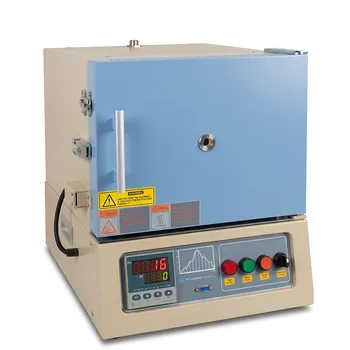
1200C Muffle Furnace 12x8x5 7.2L Heating Chamber with Quartz Observation Window and Vent Port
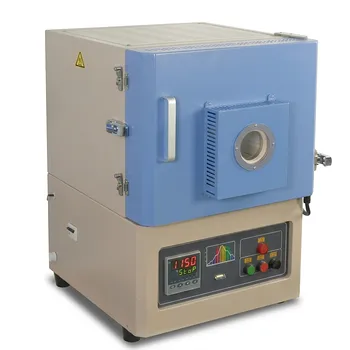
High Temperature Benchtop Muffle Furnace with Quartz Observation Window for Thermal Imaging and Material Analysis
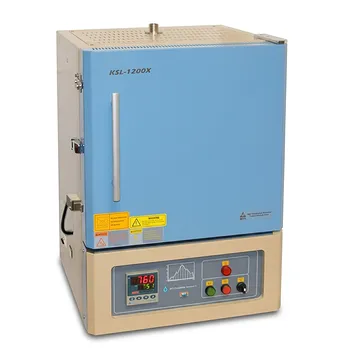
High Temperature 1200C Muffle Furnace 27L Volume 12x12x12 Chamber with Programmable PID Controller for Laboratory Material Science
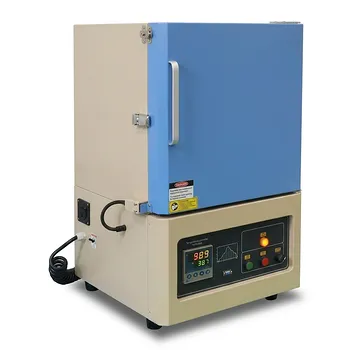
1200°C High Temperature Muffle Furnace 19L Chamber with 50 Segment Programmable Controller
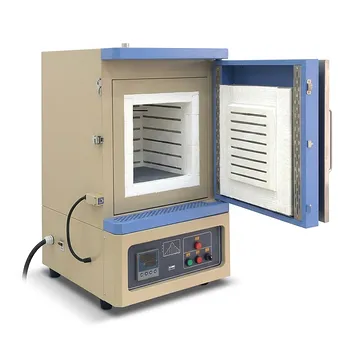
Five Side Heating Muffle Furnace High Purity Alumina Fiber 27L Chamber 1200C High Temperature Thermal Processing System for Sintering Annealing and Materials Research
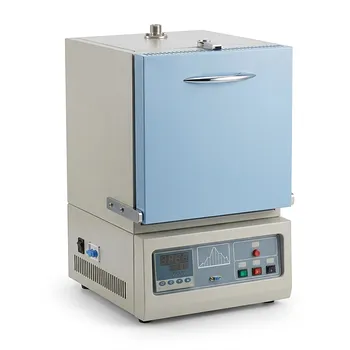
1750C Compact Muffle Furnace 1.7L Ultra High Temperature Laboratory Sintering System for Advanced Ceramics and Material Science Research
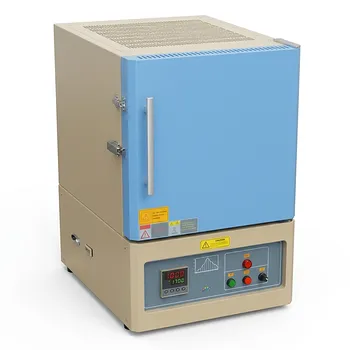
Large Bench Top 1700C High Temperature Muffle Furnace with 19L Chamber for Advanced Material Sintering and Annealing
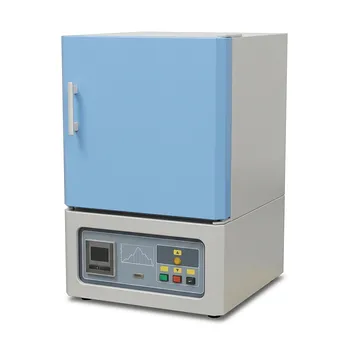
1800C Bench Top Muffle Furnace with Kanthal Super 1900 Heating Elements and 3.6L Alumina Fiber Chamber
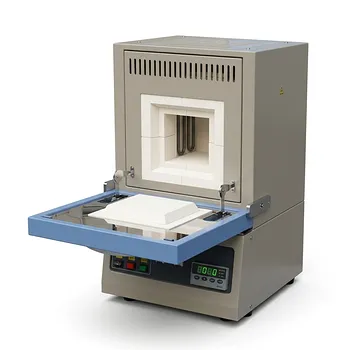
Five Sided Heating Muffle Furnace High Uniformity 1200C Lab Box Furnace 27L Alumina Fiber Chamber
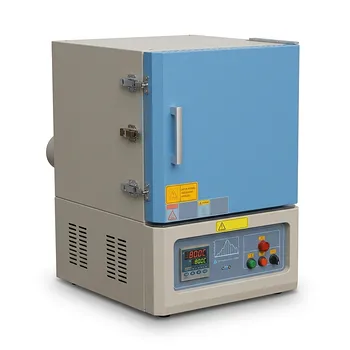
1800C Bench Top Muffle Furnace 18 Liters with Kanthal Super 1900 Heating Elements for High Purity Ceramic Sintering and Material Research
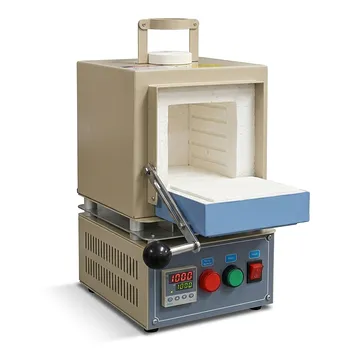
Compact 1000C Muffle Furnace with Programmable Controller and 2 Inch Top Port for Vacuum and Atmosphere Material Research
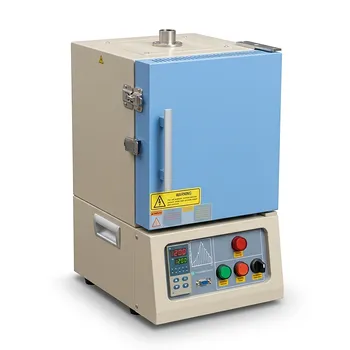
1200°C Small Box Furnace 4.2 Liter Programmable Muffle Furnace with High Purity Alumina Insulation and PID Control
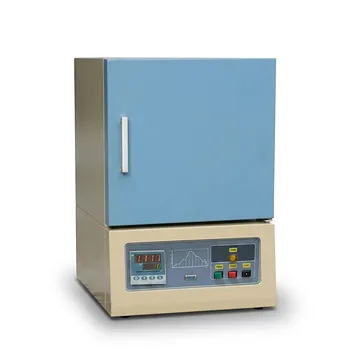
Ultra High Temperature Bench Top Muffle Furnace 1750C Sintering System with Kanthal Super Heating Elements and Precision Digital Control
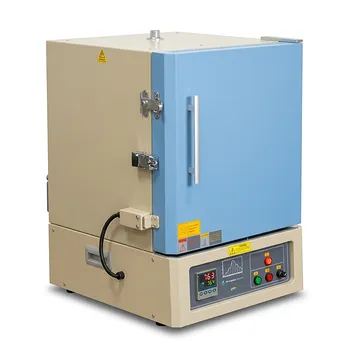
Large Capacity 1200C Muffle Furnace 64 Liter Chamber with Digital PID Controller and Built In Venting Port
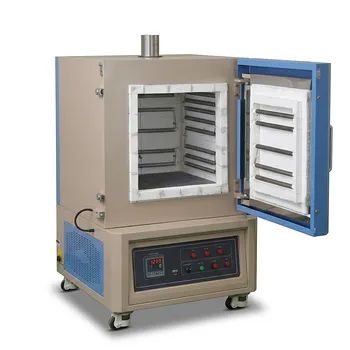
1200C High Temperature 125L Muffle Furnace 5 Side Heating for Large Batch Sintering with Optional Alloy Debinding Chamber
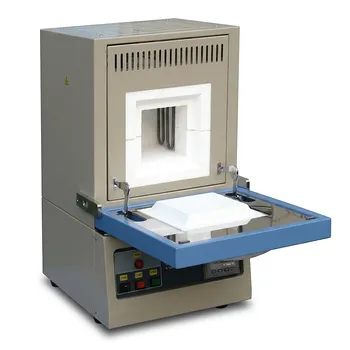
High Temperature 1800C Compact Muffle Furnace with Kanthal Super 1900 Heating Elements and 1.7L Alumina Chamber
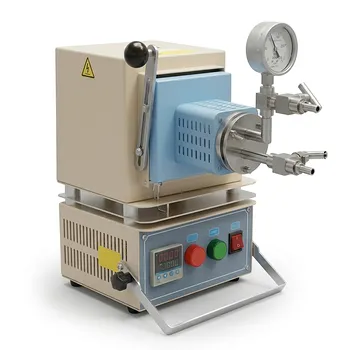
Compact Hybrid Muffle and Tube Furnace for 1000C Controlled Atmosphere Laboratory Material Sintering
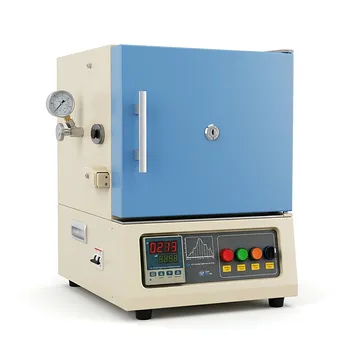
1200C Hybrid Muffle and Tube Furnace for Material Research with Dual Atmosphere Control Quartz Tubes
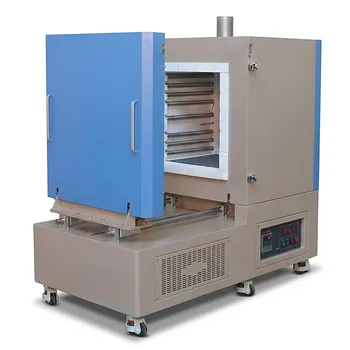
1200C Five Side Heating Muffle Furnace with Sliding Door 125L Volume High Temperature Heat Treatment System for Large Scale Sintering and Annealing