How is a muffle furnace used to evaluate HSECC residual properties? Precision Testing for Structural Integrity
Updated 3 months ago
A laboratory muffle furnace acts as a precision-controlled thermal chamber that simulates post-fire environments to evaluate how High-Strength Engineered Cementitious Composites (HSECC) retain their structural integrity. By subjecting specimens to specific temperature profiles—typically ranging from 200°C to 600°C—and then cooling them, researchers can quantitatively measure the residual compressive and tensile strength of the material. This process is essential for determining if a structure remains viable after exposure to extreme heat.
Core Takeaway: The muffle furnace isolates thermal damage as a controlled variable, enabling the systematic measurement of mechanical degradation by creating a uniform heat field that triggers critical chemical and structural changes within the HSECC matrix.
Simulating Extreme Thermal Environments
Precise Control of Heating Rates
The muffle furnace allows for highly controlled heating rates, such as 1°C/min or 5°C/min, to prevent premature thermal shock. This slow ramping ensures that the specimen reaches the target temperature without sustaining non-representative damage from internal pressure gradients.
Establishing Steady-State Thermal Fields
Once the target temperature is reached, the furnace maintains a constant temperature (soaking) for a set duration, often 2 hours. This duration is critical to ensure the core of the HSECC specimen reaches the same temperature as the surface, providing a stable thermal field for accurate data.
Quantifying Residual Mechanical Integrity
Assessing Tensile and Compressive Capacity
After the specimens undergo a controlled cooling process, they are subjected to mechanical loading tests. The muffle furnace treatment provides the baseline damage necessary to calculate the loss of tensile and compressive strength, which are the primary indicators of a material's post-fire performance.
Analyzing Microstructural Degradation
The high-temperature environment within the furnace triggers internal chemical transformations, such as the dehydroxylation of calcium hydroxide and the decomposition of C-S-H gels. By correlating furnace temperatures with these chemical shifts, engineers can understand the root causes of mass loss and structural weakening.
Understanding the Technical Trade-offs
Heating Rate Sensitivity and Spalling
If the heating rate is too high, the moisture within the HSECC may turn to steam faster than it can escape, leading to explosive spalling. While faster rates might simulate real-world fire curves (like the ISO 834 curve), they can introduce unpredictable variables that mask the material's inherent residual properties.
Specimen Size vs. Thermal Uniformity
Larger specimens provide more data on structural behavior but are harder to heat uniformly. The furnace’s capacity must be balanced against the need for a homogeneous temperature distribution; otherwise, the "residual strength" measured may only reflect the damage to the outer layers of the composite.
Strategic Recommendations for HSECC Testing
How to Apply This to Your Project
- If your primary focus is material benchmarking: Use a slow heating rate (1°C/min) and a long soaking time to ensure the entire specimen reaches a uniform temperature, isolating the material's chemical response from thermal gradient stress.
- If your primary focus is structural safety assessment: Test a wider range of temperatures (up to 800°C) to identify the "critical failure point" where the C-S-H gel completely breaks down and the composite loses its engineered ductility.
- If your primary focus is microstructural evolution: Pair furnace treatments with post-heating XRD or SEM analysis to correlate specific temperature thresholds with the loss of the fiber-matrix bond.
By utilizing the muffle furnace to standardize thermal damage, engineers can move from guesswork to precise, data-driven predictions of how high-performance composites will behave in the wake of a disaster.
Summary Table:
| Testing Parameter | Typical Specification | Purpose in HSECC Evaluation |
|---|---|---|
| Temperature Range | 200°C to 600°C | Simulates specific post-fire environments |
| Heating Rate | 1°C/min to 5°C/min | Prevents premature thermal shock and spalling |
| Soaking Time | ~2 Hours | Ensures a stable, uniform thermal field |
| Key Metrics | Residual Strength & XRD | Quantifies load capacity and chemical degradation |
Elevate Your Material Research with THERMUNITS Precision
As a leading manufacturer of high-temperature laboratory equipment, THERMUNITS provides the thermal precision required for critical R&D in material science. Whether you are evaluating the residual properties of HSECC or developing next-generation composites, our comprehensive range of equipment—including Muffle, Vacuum, Atmosphere, and Tube furnaces, as well as CVD/PECVD systems and Rotary Kilns—is designed to deliver uniform heat fields and reliable results.
Why choose THERMUNITS?
- Precise Control: Achieve exact heating rates to prevent specimen spalling.
- Versatile Solutions: From Dental and Hot Press furnaces to Vacuum Induction Melting (VIM).
- Industrial Durability: Built for rigorous laboratory and industrial heat treatment environments.
Ready to optimize your thermal processing? Contact our experts today to find the perfect high-performance solution for your laboratory!
References
- S. Rawat, Y. X. Zhang. In‐situ compressive and tensile performances of high strength engineered cementitious composite at elevated temperatures. DOI: 10.1002/suco.202300724
Mentioned Products
- 1750C Compact Muffle Furnace 1.7L Ultra High Temperature Laboratory Sintering System for Advanced Ceramics and Material Science Research
- 1200°C Five Side Heating Atmosphere Controlled Muffle Furnace 64 Liter High Uniformity Box Furnace for Material Synthesis
- High Temperature 1200C Muffle Furnace 27L Volume 12x12x12 Chamber with Programmable PID Controller for Laboratory Material Science
- High Temperature Benchtop Muffle Furnace with Quartz Observation Window for Thermal Imaging and Material Analysis
- Compact Hybrid Muffle and Tube Furnace for 1000C Controlled Atmosphere Laboratory Material Sintering
People Also Ask
- What role does a laboratory high-temperature muffle furnace play in the ash analysis phase of biomass co-firing research? [Guide]
- What is the function of a high-temp muffle furnace in Ni-V oxide synthesis? Optimize your material's performance.
- What role does a high-temperature muffle furnace play in the synthesis of Melem precursors? Precision Polymerization.
- What is the function of a high-temperature muffle furnace in phosphorus-modified zeolite catalyst preparation?
- What is the function of a muffle furnace in aluminoborosilicate glass prep? Stabilize Raw Materials for Superior Purity

Tech Team · ThermUnits
Last updated on Jun 03, 2026
Related Products
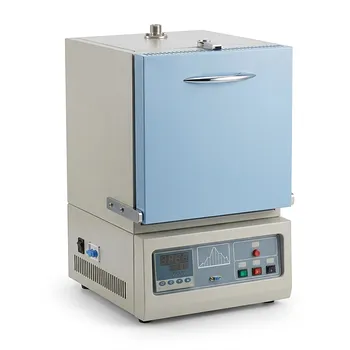
1750C Compact Muffle Furnace 1.7L Ultra High Temperature Laboratory Sintering System for Advanced Ceramics and Material Science Research
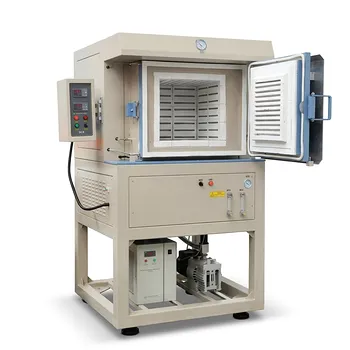
1200°C Five Side Heating Atmosphere Controlled Muffle Furnace 64 Liter High Uniformity Box Furnace for Material Synthesis
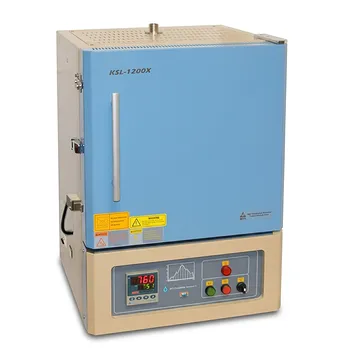
High Temperature 1200C Muffle Furnace 27L Volume 12x12x12 Chamber with Programmable PID Controller for Laboratory Material Science
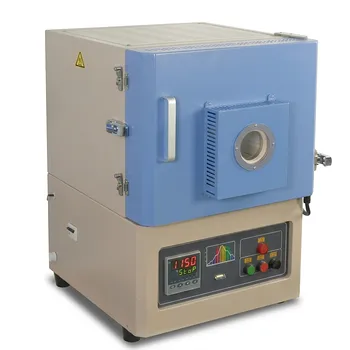
High Temperature Benchtop Muffle Furnace with Quartz Observation Window for Thermal Imaging and Material Analysis
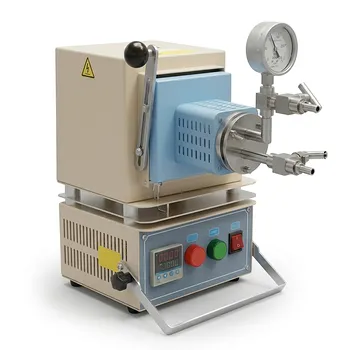
Compact Hybrid Muffle and Tube Furnace for 1000C Controlled Atmosphere Laboratory Material Sintering
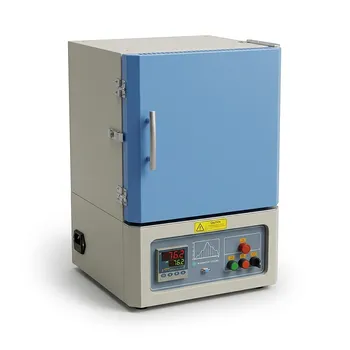
1750C Bench Top Muffle Furnace 3.6L High Grade Molybdenum Disilicide Heating Elements Laboratory Heat Treatment Equipment
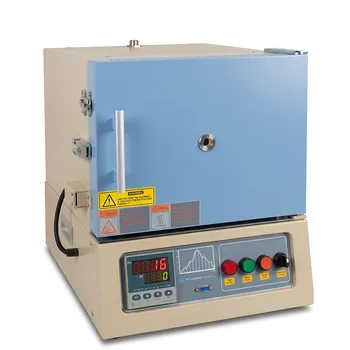
1200C Muffle Furnace 12x8x5 7.2L Heating Chamber with Quartz Observation Window and Vent Port
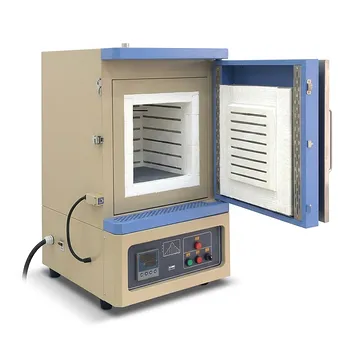
Five Side Heating Muffle Furnace High Purity Alumina Fiber 27L Chamber 1200C High Temperature Thermal Processing System for Sintering Annealing and Materials Research
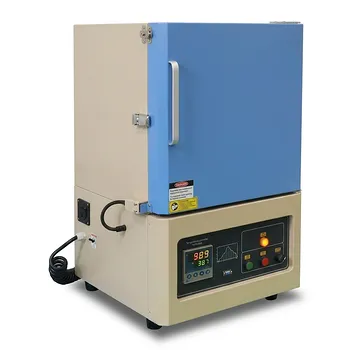
1200°C High Temperature Muffle Furnace 19L Chamber with 50 Segment Programmable Controller
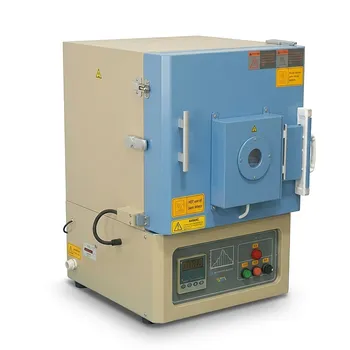
High Temperature Benchtop Muffle Furnace 1500C with 3.6L Chamber and Quartz Observation Window
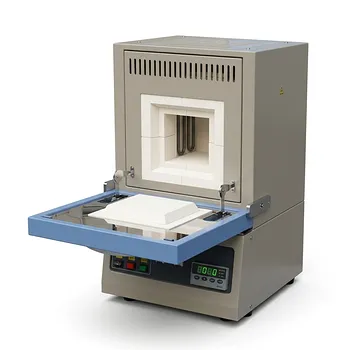
Five Sided Heating Muffle Furnace High Uniformity 1200C Lab Box Furnace 27L Alumina Fiber Chamber
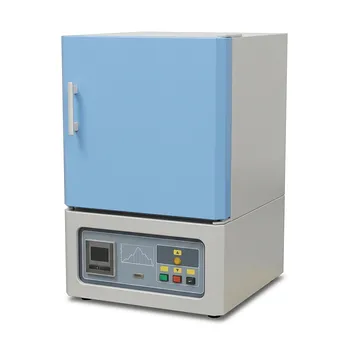
1800C Bench Top Muffle Furnace with Kanthal Super 1900 Heating Elements and 3.6L Alumina Fiber Chamber
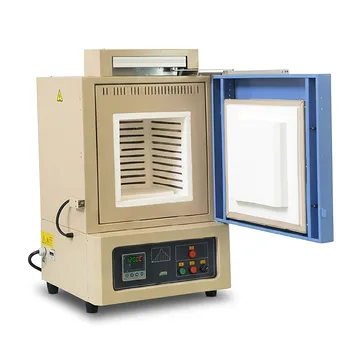
1200C High Temperature Muffle Furnace with Motorized Door and Automated PC Control for Industrial Sintering and Material Processing 27 Liter
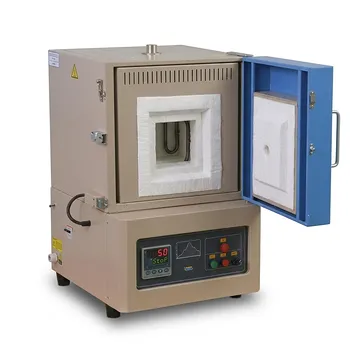
1800°C Bench Top Ultra High Temperature Muffle Furnace with Sapphire Observation Window and Top Feeding Port for Materials Research and Thermal Processing
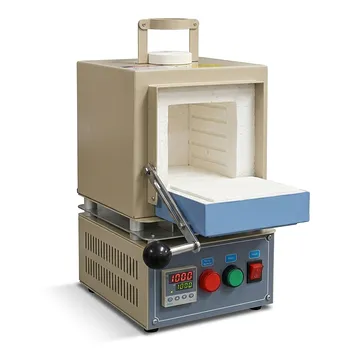
Compact 1000C Muffle Furnace with Programmable Controller and 2 Inch Top Port for Vacuum and Atmosphere Material Research
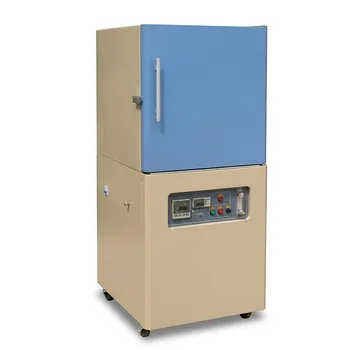
High Temperature Muffle Furnace with Dual Controllers and 36L Large Chamber 1700C Max
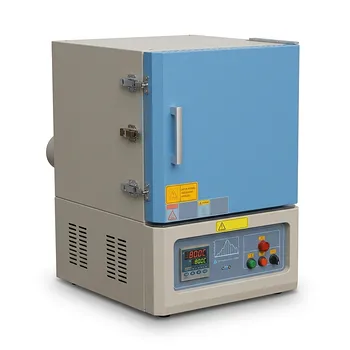
1800C Bench Top Muffle Furnace 18 Liters with Kanthal Super 1900 Heating Elements for High Purity Ceramic Sintering and Material Research
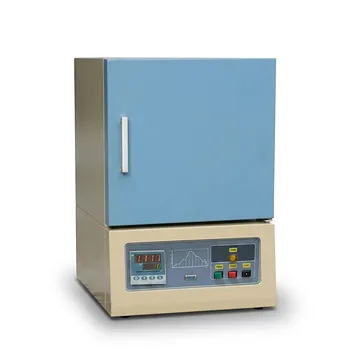
Ultra High Temperature Bench Top Muffle Furnace 1750C Sintering System with Kanthal Super Heating Elements and Precision Digital Control
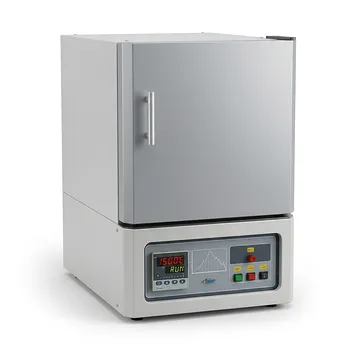
High Temperature 1500C Benchtop Muffle Furnace 3.6L Alumina Fiber Chamber Programmable Controller Sintering Annealing Carbonization Thermal Processing System