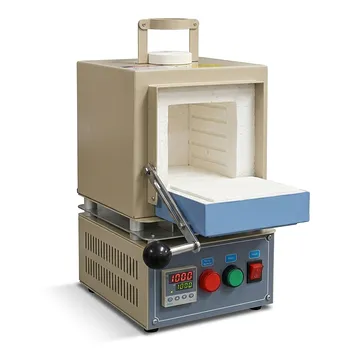
How is an oxidation-reduction furnace used to process W-MMC chips? Turn scrap into high-purity recycled powder.
Updated 3 months ago
The oxidation-reduction furnace acts as a chemical "reset button" for metallic scrap. It processes tungsten-based multi-metal composite (W-MMC) chips through a two-stage thermal cycle: first, high-temperature oxidation converts solid waste into oxide powder, and second, a reducing atmosphere—typically hydrogen—strips the oxygen away to restore the material to a high-purity metallic powder state.
Core Takeaway: This furnace enables a high-efficiency closed-loop recycling system that produces recycled powder chemically and morphologically equivalent to virgin material, drastically lowering the production costs of high-performance alloys.
The Two-Stage Thermal Transformation
The primary function of the furnace is to break down the physical structure of mechanical waste and reconstruct it at the molecular level. This ensures that impurities or structural deformations from the machining process are eliminated.
Stage One: High-Temperature Oxidation
During the first phase, the collected W-MMC chips are exposed to high temperatures in an oxygen-rich environment. This thermal energy facilitates a chemical reaction that converts the solid metal chips into a brittle oxide powder.
Breaking the metal down into an oxide is a critical preparatory step. It allows for easier homogenization and ensures the material can be processed uniformly in the subsequent reduction phase.
Stage Two: Atmospheric Reduction
Once the oxide powder is formed, the furnace environment is swapped for a reducing atmosphere, usually consisting of hydrogen. The hydrogen reacts with the oxygen in the powder, carrying it away as water vapor and leaving behind pure metal.
This stage is what restores the composite to its original metallic form. Because this happens at a controlled chemical level, the resulting high-purity multi-metal composite powder is ready for reuse in manufacturing.
Maintaining Material Integrity
The true value of using an oxidation-reduction furnace lies in its ability to maintain the high standards required for aerospace, defense, and industrial tungsten applications.
Chemical and Morphological Similarity
The process is designed to ensure the recycled powder is chemically and morphologically similar to virgin powder. This means the grain shape, size distribution, and elemental purity are preserved.
Because the recycled material behaves exactly like new raw material, manufacturers can use it in existing production lines without adjusting their sintering or forming parameters. This consistency is vital for maintaining the structural integrity of high-performance tungsten alloys.
Enabling a Closed-Loop System
By using this furnace, manufacturers can implement a closed-loop recycling strategy. Instead of selling scrap to third parties at a loss, they can reprocess their own machining waste back into feedstock.
This cycle reduces the reliance on volatile raw material markets. It also minimizes the environmental footprint of the manufacturing process by reducing the need for primary ore mining and refining.
Understanding the Trade-offs
While highly effective, the oxidation-reduction process involves specific technical challenges and operational requirements that must be managed.
Energy and Atmosphere Management
The process requires significant energy to maintain the high temperatures necessary for both oxidation and reduction. Furthermore, managing a hydrogen atmosphere requires sophisticated safety protocols due to the gas's flammability.
Sensitivity to Feedstock Contamination
The furnace is excellent at reversing oxidation, but it may not remove all types of foreign contaminants, such as non-metallic debris or dissimilar alloy types mixed into the chips. Proper pre-cleaning and sorting of the W-MMC chips are essential to ensure the final output meets purity standards.
Implementing Oxidation-Reduction in Your Workflow
To maximize the benefits of this technology, your approach should be dictated by your specific material requirements and cost-saving targets.
- If your primary focus is cost reduction: Prioritize a closed-loop system where 100% of internal machining chips are captured and processed to replace expensive virgin feedstock.
- If your primary focus is material performance: Ensure the furnace parameters are calibrated to match the specific morphology of your virgin powder to prevent variations in final part density.
- If your primary focus is sustainability: Use the oxidation-reduction furnace as a key metric in your "green manufacturing" audits, as it significantly reduces the carbon intensity of tungsten production.
By mastering this thermal-chemical cycle, manufacturers can transform industrial waste into a high-value asset, ensuring both economic resilience and material excellence.
Summary Table:
| Stage | Atmosphere | Physical Transformation | Core Benefit |
|---|---|---|---|
| Oxidation | Oxygen-rich | Solid chips to brittle oxide powder | Eliminates structural deformations |
| Reduction | Hydrogen (Reducing) | Oxide powder to pure metallic powder | Restores chemical & morphological purity |
| Goal | Controlled Thermal | Recycled powder feedstock | Enables cost-effective closed-loop recycling |
Maximize Your Material Recovery with THERMUNITS
Are you ready to transform industrial waste into high-value assets? THERMUNITS is a leading manufacturer of high-temperature laboratory equipment for material science and industrial R&D. We provide the precision tools needed to master complex thermal-chemical cycles like W-MMC recycling.
Our comprehensive range of thermal processing solutions includes:
- Atmosphere & Vacuum Furnaces for precise oxidation-reduction cycles.
- Tube & Rotary Furnaces for continuous powder processing.
- Muffle, Hot Press, and CVD/PECVD systems for advanced material synthesis.
- Vacuum Induction Melting (VIM) & Electric Rotary Kilns for large-scale industrial applications.
Whether you are refining tungsten alloys or developing new composites, THERMUNITS delivers the reliability and technical excellence your research demands.
Contact our engineering team today to find your custom thermal solution!
References
- Adéla Macháčková, Silvie Brožová. Applications of Tungsten Pseudo-Alloys in the Energy Sector. DOI: 10.3390/app14020647
Mentioned Products
- Plasma Assisted Melting Furnace for Metal Recovery from Oxide Slag and High Temperature Electrolysis
- 1500C Three Zone Vertical Pyrolysis Furnace for Nanoparticle Synthesis and Advanced Oxide Coating
- High Temperature Oxygen and Inert Atmosphere Controlled Furnace 8 Liter 1700C Sintering System for Advanced Materials RD
- Anti Corrosive Muffle Furnace with Sintered Corundum Chamber and 1050C Operating Range for Corrosive Material Calcination
- Compact Hybrid Muffle and Tube Furnace for 1000C Controlled Atmosphere Laboratory Material Sintering
People Also Ask
- SPS vs Hot Pressing for La2O2S: Faster Densification & Superior Grain Growth Control
- Why must Type B or Tungsten-Rhenium thermocouples be used in titanium slag smelting experiments instead of standard types?
- How do plasma-assisted phosphidation systems modify MXene surface activity? Enhance Catalyst Efficiency at Low Temp
- What are the advantages of Spark Plasma Sintering (SPS) systems compared to traditional tube furnaces? | Nano-Cermets
- How does a modified Spark Plasma Sintering (SPS) system differ from traditional vacuum furnaces? Faster RAS Heat Cycles.

Tech Team · ThermUnits
Last updated on Jun 03, 2026
Related Products
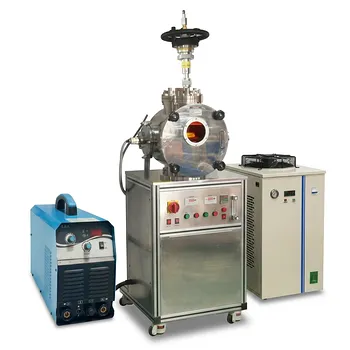
Plasma Assisted Melting Furnace for Metal Recovery from Oxide Slag and High Temperature Electrolysis
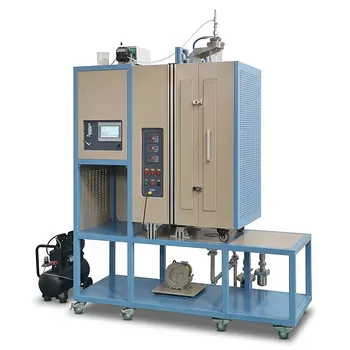
1500C Three Zone Vertical Pyrolysis Furnace for Nanoparticle Synthesis and Advanced Oxide Coating
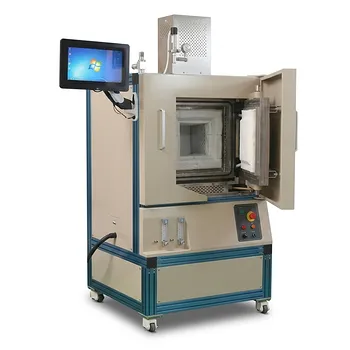
High Temperature Oxygen and Inert Atmosphere Controlled Furnace 8 Liter 1700C Sintering System for Advanced Materials RD
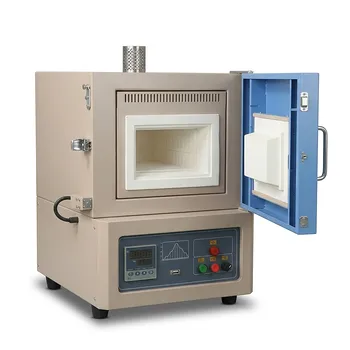
Anti Corrosive Muffle Furnace with Sintered Corundum Chamber and 1050C Operating Range for Corrosive Material Calcination
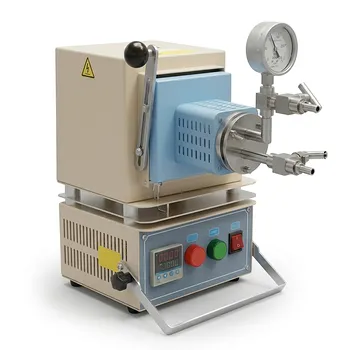
Compact Hybrid Muffle and Tube Furnace for 1000C Controlled Atmosphere Laboratory Material Sintering

1200C High Throughput Multi Channel Tube Furnace with 50mm Quartz Tubes for Annealing and Material Phase Diagram Research
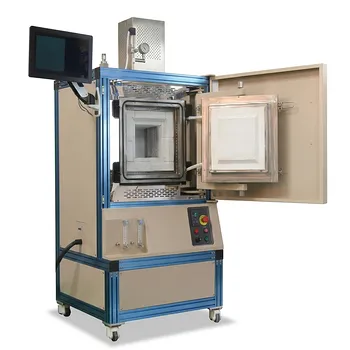
High Temperature Hydrogen Atmosphere Box Furnace 1650C Max Reducing Environment Material Synthesis System 8x8x8 Chamber
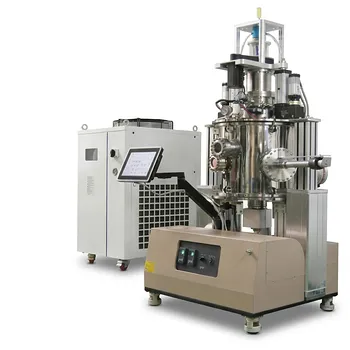
950C Rapid Thermal Processing Furnace for 12 Inch Wafer CSS Coating with Rotating Substrate Holder