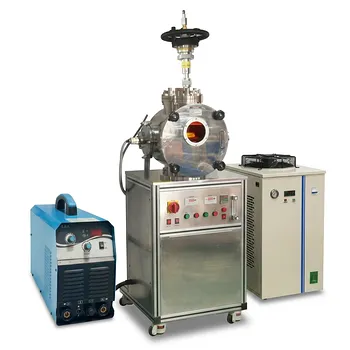
How does a modified Spark Plasma Sintering (SPS) system differ from traditional vacuum furnaces? Faster RAS Heat Cycles.
Updated 3 months ago
A modified Spark Plasma Sintering (SPS) system in the context of Radiation-Assisted Sintering (RAS) differs from traditional vacuum furnaces by utilizing a non-contact, high-energy-density configuration that eliminates mechanical pressure. This shift allows for extreme heating rates of up to 200 °C/min, enabling a sintering cycle to be completed in tens of minutes—a massive reduction from the approximately 20 hours required by traditional vacuum sintering processes.
The core advantage of a modified SPS system for RAS lies in its transition from slow, radiant-based heating to high-precision, non-contact energy delivery. This removes the mechanical constraints of traditional sintering while drastically suppressing grain growth through rapid thermal processing.
The Shift in Heating Mechanism and Speed
High Energy Output Density
Unlike traditional vacuum furnaces that rely on slow radiant or convective heating, a modified SPS system functions as a high-precision power source. It leverages high energy output density to drive thermal processes at a pace that traditional furnaces cannot match.
Acceleration of the Sintering Cycle
Traditional vacuum processes are characterized by long dwell times and slow ramps, often exceeding 20 hours. The modified SPS system compresses this entire cycle into tens of minutes, significantly increasing throughput and reducing energy consumption.
Extreme Heating Rates
The system is capable of achieving heating rates as high as 200 °C/min. This rapid temperature rise is critical for bypassing intermediate temperature zones where undesirable grain coarsening often occurs.
The Departure from Pressure-Driven Sintering
The Non-Contact Configuration
Standard SPS systems typically require direct contact and mechanical pressure to function. In the RAS context, the system is modified to a non-contact configuration, which eliminates the need for physical force on the specimen.
Elimination of Mechanical Pressure
By removing mechanical pressure, the modified system focuses purely on radiation-assisted energy transfer. This allows for the sintering of complex geometries or materials that might be sensitive to deformation under high-pressure loads.
Precision Control of Heat
The modified system acts as a controlled heat source that can be tuned with high accuracy. This allows for precise defect generation kinetics and the adjustment of a material’s electrical and optical properties without the interference of physical dies.
Impact on Material Microstructure
Suppression of Grain Growth
The extreme speed of the modified SPS process significantly inhibits grain coarsening. Because the material spends very little time at high temperatures, the fine-grained structure achieved during powder metallurgy is preserved.
Enhancing Mechanical Properties
By maintaining a fine-grain structure, the system enhances the strength and hardness of the final bulk material. This is particularly effective for high-entropy alloys and nanostructured ceramics that lose their properties during long thermal cycles.
Controlled Atmosphere Advantages
Like traditional SPS, the modified system often operates in a vacuum or reducing atmosphere. This environment enables the continuous adjustment of a material’s visible light absorption and electrical conductivity.
Understanding the Trade-offs
Loss of Pressure-Assisted Densification
In traditional SPS, mechanical pressure helps "squeeze" particles together to reach near-theoretical density. By moving to a non-contact RAS configuration, the system loses this mechanical assist, meaning densification must rely entirely on thermal diffusion and radiation effects.
Complexity of Temperature Calibration
Because the heating is non-contact and extremely rapid, measuring the actual temperature of the specimen can be more complex than in a slow-moving traditional furnace. Specialized pyrometry or high-speed sensors are often required to ensure thermal accuracy.
Equipment Specialization
A modified SPS system is a highly specialized tool compared to a standard muffle or vacuum furnace. The initial capital investment and the need for technical expertise to manage pulsed current parameters are significantly higher than traditional sintering methods.
How to Apply This to Your Project
When choosing between a modified SPS system for RAS and a traditional vacuum furnace, consider the specific requirements of your material and production goals.
- If your primary focus is maximizing throughput and efficiency: Use the modified SPS system to reduce 20-hour cycles to under an hour.
- If your primary focus is preserving nanostructured or fine-grained features: The modified SPS is the superior choice due to its high heating rates and suppressed grain growth.
- If your primary focus is large-scale, low-cost batch processing of simple materials: Traditional vacuum furnaces may remain more cost-effective if rapid cycles are not a technical requirement.
- If your primary focus is sintering pressure-sensitive or complex geometries: The non-contact nature of the RAS modification allows for heating without the risk of mechanical deformation.
The transition to modified SPS for radiation-assisted sintering represents a move toward high-speed, high-precision thermal management that redefines the limits of material density and microstructural control.
Summary Table:
| Feature | Modified SPS (RAS) | Traditional Vacuum Furnace |
|---|---|---|
| Heating Rate | Up to 200 °C/min | Slow (Radiant/Convective) |
| Cycle Duration | Tens of minutes | ~20+ hours |
| Pressure | Non-contact (Zero pressure) | Atmospheric or vacuum |
| Microstructure | Suppresses grain growth | Prone to grain coarsening |
| Main Advantage | High energy density & speed | Cost-effective for simple batches |
Optimize Your Research with THERMUNITS Thermal Solutions
Are you looking to accelerate your sintering cycles from 20 hours to just minutes? THERMUNITS is a leading manufacturer of high-temperature laboratory equipment, providing the precision tools needed for advanced material science and industrial R&D.
Our thermal processing solutions help you achieve superior microstructural control and enhanced material properties. Our comprehensive range includes:
- Furnaces: Muffle, Vacuum, Atmosphere, Tube, Rotary, Dental, and Hot Press Furnaces.
- Advanced Systems: CVD/PECVD systems, electric rotary kilns, and vacuum induction melting (VIM) furnaces.
- Components: High-quality Thermal Elements and specialized heat treatment equipment.
Ready to enhance your lab's throughput and precision? Contact us today to find the perfect solution for your project!
References
- Tomaž Tomše, Kristina Žužek. A Rapid Thermal‐Radiation‐Assisted Sintering Strategy for Nd–Fe–B‐Type Magnets. DOI: 10.1002/adem.202401404
Mentioned Products
- Compact Spark Plasma Sintering SPS Furnace 1200 C Max 100 MPa Pressure High Speed Sintering System for Material Research
- High Temperature Ultrafast Heating Pressing Furnace 2900C Max 100kgf Rapid Thermal Processing System
- High Vacuum Pressure Chamber Furnace 800C 3.5 Bar Sintering System for Superconducting Materials
- 1750C Compact Muffle Furnace 1.7L Ultra High Temperature Laboratory Sintering System for Advanced Ceramics and Material Science Research
- Induction Heating System with Temperature Control for High Temperature Vacuum Sintering and Melting
People Also Ask
- SPS vs Hot Pressing for La2O2S: Faster Densification & Superior Grain Growth Control
- What are the equipment advantages of Spark Plasma Sintering (SPS)? Faster Densification & Superior Phase Control
- What are the advantages of Spark Plasma Sintering (SPS) systems compared to traditional tube furnaces? | Nano-Cermets
- What are the unique advantages of a Spark Plasma Sintering (SPS) system? Achieve Rapid Densification & Fine Grain Control
- What role does a sintering furnace play with silver paste? Essential Thermal Management for Power Device Packaging

Tech Team · ThermUnits
Last updated on Jun 03, 2026
Related Products
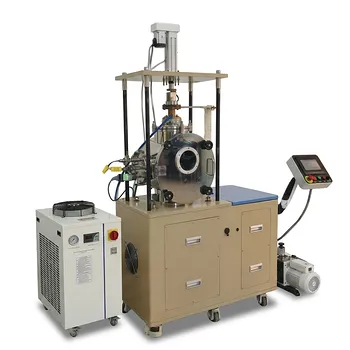
Compact Spark Plasma Sintering SPS Furnace 1200 C Max 100 MPa Pressure High Speed Sintering System for Material Research
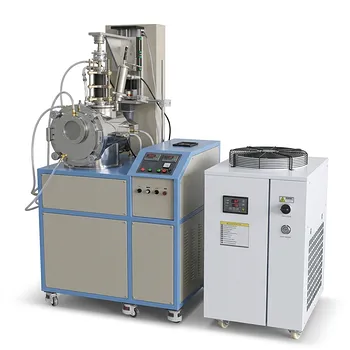
High Temperature Ultrafast Heating Pressing Furnace 2900C Max 100kgf Rapid Thermal Processing System
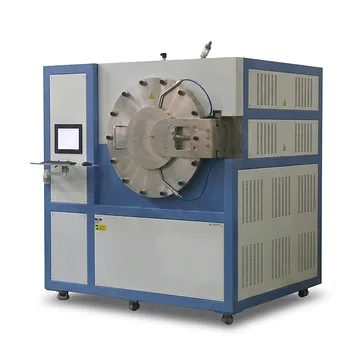
High Vacuum Pressure Chamber Furnace 800C 3.5 Bar Sintering System for Superconducting Materials
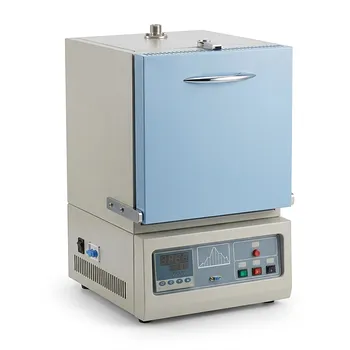
1750C Compact Muffle Furnace 1.7L Ultra High Temperature Laboratory Sintering System for Advanced Ceramics and Material Science Research
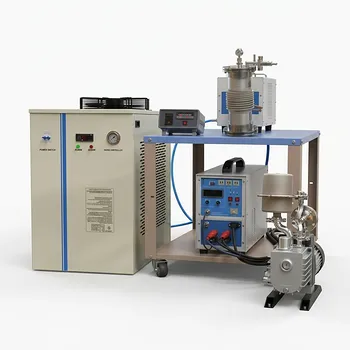
Induction Heating System with Temperature Control for High Temperature Vacuum Sintering and Melting
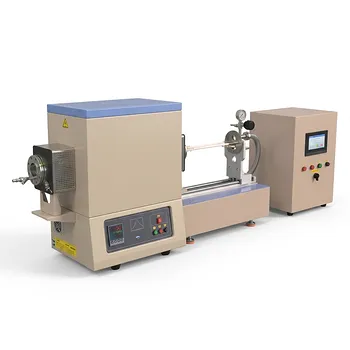
High Temperature Horizontal Electrical Assisted Sintering Furnace with 3KW Programmable Power Source for Advanced Ceramic Materials
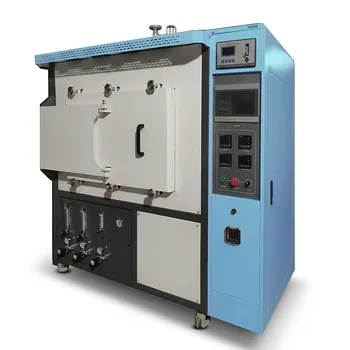
Roller Table Atmosphere Furnace 1500C High Temperature Battery Material Sintering System 112L Capacity
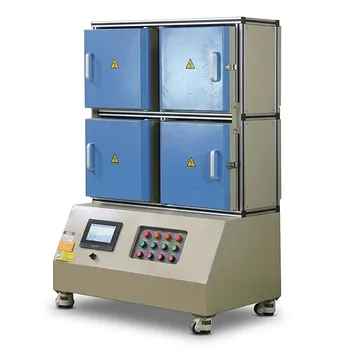
High Throughput Four Channel Box Furnace 1500C Max Independent Temperature Control Material Research Sintering System
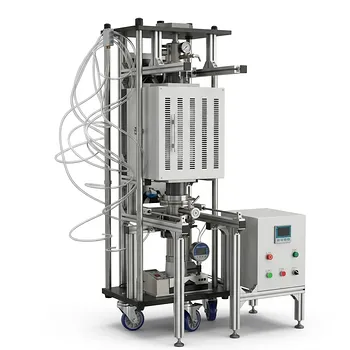
Industrial High Temperature Vacuum Hot Press Furnace and Heated Vacuum Press Machine for Material Science Sintering
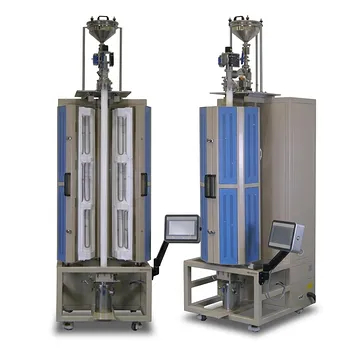
High Temperature Vertical Three Zone Powder Spheroidizing Furnace for Advanced Material Synthesis and Industrial Thermal Processing
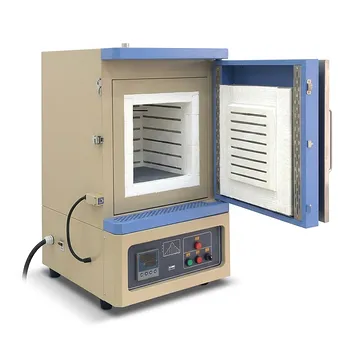
Five Side Heating Muffle Furnace High Purity Alumina Fiber 27L Chamber 1200C High Temperature Thermal Processing System for Sintering Annealing and Materials Research
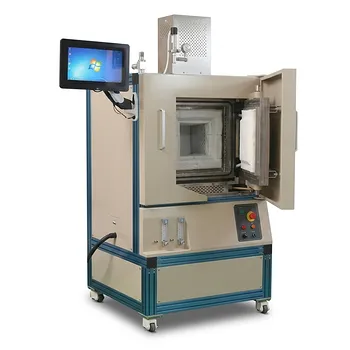
High Temperature Oxygen and Inert Atmosphere Controlled Furnace 8 Liter 1700C Sintering System for Advanced Materials RD

High Temperature 1700C Vertical Tube Furnace for Powder Spherification and Material Sintering
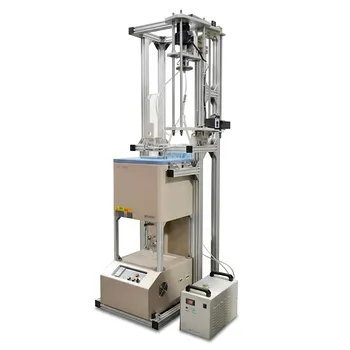
500C Vacuum Vertical Tube Furnace 84mm OD Sample Rotation Lifting System
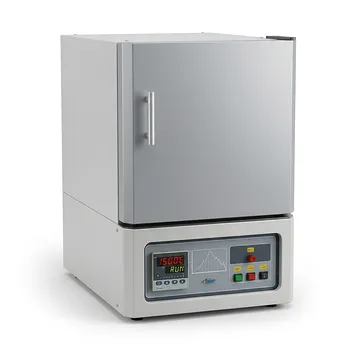
High Temperature 1500C Benchtop Muffle Furnace 3.6L Alumina Fiber Chamber Programmable Controller Sintering Annealing Carbonization Thermal Processing System
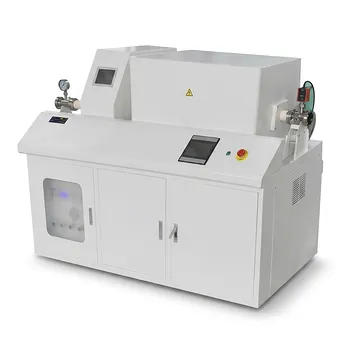
Chemical Vapor Deposition CVD System Slide PECVD Tube Furnace with Liquid Gasifier PECVD Machine
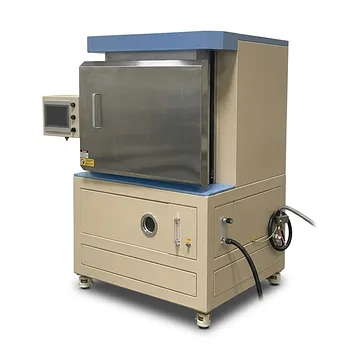
1650C High Temperature Atmosphere Controlled Box Furnace with 65L Chamber for Advanced Material Sintering and Industrial Heat Treatment
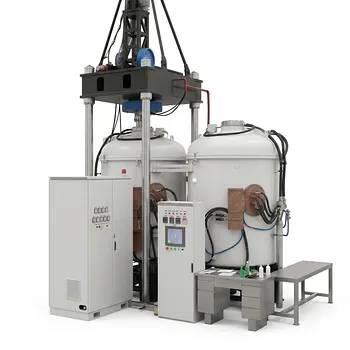
High Pressure 600T Vacuum Induction Hot Press Furnace for Advanced Material Heat Treatment and Sintering
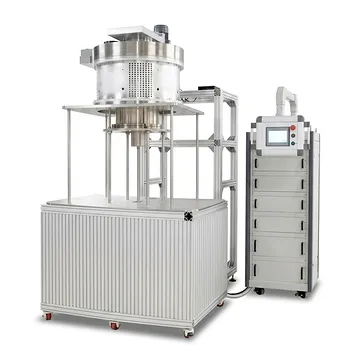
915MHz MPCVD Diamond Machine Microwave Plasma Chemical Vapor Deposition System Reactor