SPS vs Hot Pressing for La2O2S: Faster Densification & Superior Grain Growth Control
Updated 5 months ago
Spark Plasma Sintering (SPS) offers a revolutionary advantage for Lanthanum oxysulfide ($La_2O_2S$) ceramics by slashing total densification time to just 20–60 minutes. This rapid processing, driven by pulsed current heating and simultaneous pressure, effectively suppresses grain growth, resulting in a more uniform microstructure and superior mechanical performance compared to traditional hot pressing.
The core advantage of SPS lies in its ability to decouple densification from grain growth. By using direct Joule heating to reach target temperatures rapidly, it achieves high-density $La_2O_2S$ while preserving a fine-grained structure that is often lost during the long thermal cycles of conventional hot pressing.
The Technological Edge of Pulsed Current Heating
Direct Energy Transfer and Joule Heating
Unlike conventional hot pressing (HP) which relies on external heating elements, SPS utilizes high-energy pulsed direct current that passes directly through the graphite mold and the $La_2O_2S$ powder. This creates Joule heating at the microscopic level, generating heat internally where it is most needed for bonding.
Rapid Thermal Cycles
SPS systems can achieve extremely high heating rates, often exceeding 80°C/min, which drastically shortens the sintering cycle. While conventional hot pressing may require hours of holding time to reach full density, SPS completes the process in a fraction of that time, often between 20 and 60 minutes.
Enhanced Atomic Diffusion
The combination of pulsed current and unidirectional pressure (typically between 40-60 MPa) accelerates atomic diffusion across particle boundaries. This synergy allows for the preparation of high-density bulk materials at lower temperatures or over shorter durations than would be possible in a standard furnace.
Microstructural Integrity and Performance
Suppression of Excessive Grain Growth
The most significant metallurgical benefit for $La_2O_2S$ is the inhibition of grain coarsening. Because the material spends very little time at peak temperatures, the grains do not have the opportunity to grow into large, irregular structures that weaken the ceramic.
Retention of Fine-Grained Structures
By maintaining a fine-grained microstructure, SPS-produced $La_2O_2S$ retains a high density of grain boundaries. This is critical for mechanical strength and can also be used to engineer specific thermal or electrical properties by increasing scattering effects within the lattice.
Improved Mechanical Properties
The resulting $La_2O_2S$ ceramics exhibit a more uniform microstructure and higher relative density. This uniformity directly correlates to improved hardness, fracture toughness, and overall reliability of the ceramic component in demanding applications.
Understanding the Trade-offs
Equipment and Tooling Costs
SPS technology requires a significant capital investment compared to standard hot presses or muffle furnaces. Additionally, the process typically uses high-purity graphite dies, which are consumable parts that can add to the per-unit cost of production.
Geometry Limitations
The SPS process is primarily designed for simple geometries, such as discs or cylinders, because the pressure must be applied unidirectionally. Producing complex, near-net-shape components is more localized and difficult compared to pressureless sintering methods.
Potential for Thermal Gradients
In very large samples, the rapid heating rate can sometimes lead to radial thermal gradients within the material. If not carefully managed via die design and pulse control, this can lead to slight variations in density or microstructure from the core to the edge of the ceramic.
How to Apply SPS to Your Project
Recommendations for Material Development
- If your primary focus is mechanical strength: Use SPS to minimize grain size, as the finer microstructure will significantly enhance the hardness and toughness of the $La_2O_2S$ bulk.
- If your primary focus is high-throughput R&D: Leverage the short 20–60 minute sintering cycles to rapidly iterate on different powder compositions and temperature profiles.
- If your primary focus is maximum densification: Utilize the simultaneous application of high pulse current and 40-60 MPa of pressure to achieve relative densities exceeding 97-99%.
By transitioning from conventional hot pressing to SPS, you move from a process defined by thermal endurance to one defined by precision energy delivery, ultimately resulting in a higher-quality $La_2O_2S$ ceramic.
Summary Table:
| Feature | Spark Plasma Sintering (SPS) | Conventional Hot Pressing (HP) |
|---|---|---|
| Heating Source | Internal Joule Heating (Pulsed DC) | External Heating Elements |
| Sintering Time | 20–60 Minutes | Several Hours |
| Heating Rate | > 80°C/min | < 10–20°C/min |
| Grain Size | Fine-grained (Suppressed growth) | Coarser grains (Long thermal cycle) |
| Efficiency | High energy efficiency | Low (External heat loss) |
Optimize Your Advanced Ceramic Processing with THERMUNITS
As a leading manufacturer of high-temperature laboratory equipment, THERMUNITS empowers material science and industrial R&D with precision thermal solutions. Whether you are working with $La_2O_2S$ or other advanced materials, our comprehensive range—including Hot Pressing furnaces, Spark Plasma Sintering support, Vacuum/Atmosphere systems, CVD/PECVD systems, and Vacuum Induction Melting (VIM)—is engineered to ensure superior material density and microstructural integrity.
Unlock the full potential of your material research with THERMUNITS.
Contact our expert technical team today to find the perfect sintering solution!
References
- Yuqi Chen, Kun Yeun Han. Rapid Synthesis and Sintering of La2O2S and Its Physical, Optical, and Mechanical Properties. DOI: 10.3390/coatings14091120
Mentioned Products
- Compact Spark Plasma Sintering SPS Furnace 1200 C Max 100 MPa Pressure High Speed Sintering System for Material Research
- High Temperature 1700C Vertical Tube Furnace for Powder Spherification and Material Sintering
- High Vacuum Pressure Chamber Furnace 800C 3.5 Bar Sintering System for Superconducting Materials
- High Temperature Vertical Three Zone Powder Spheroidizing Furnace for Advanced Material Synthesis and Industrial Thermal Processing
- 1750C Compact Muffle Furnace 1.7L Ultra High Temperature Laboratory Sintering System for Advanced Ceramics and Material Science Research
People Also Ask
- What are the equipment advantages of Spark Plasma Sintering (SPS)? Faster Densification & Superior Phase Control
- How does a modified Spark Plasma Sintering (SPS) system differ from traditional vacuum furnaces? Faster RAS Heat Cycles.
- What are the advantages of Spark Plasma Sintering (SPS) systems compared to traditional tube furnaces? | Nano-Cermets
- What are the unique advantages of a Spark Plasma Sintering (SPS) system? Achieve Rapid Densification & Fine Grain Control
- What role does a sintering furnace play with silver paste? Essential Thermal Management for Power Device Packaging

Tech Team · ThermUnits
Last updated on Apr 14, 2026
Related Products
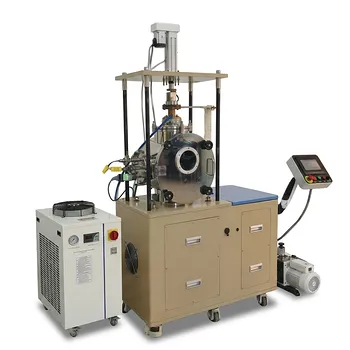
Compact Spark Plasma Sintering SPS Furnace 1200 C Max 100 MPa Pressure High Speed Sintering System for Material Research

High Temperature 1700C Vertical Tube Furnace for Powder Spherification and Material Sintering
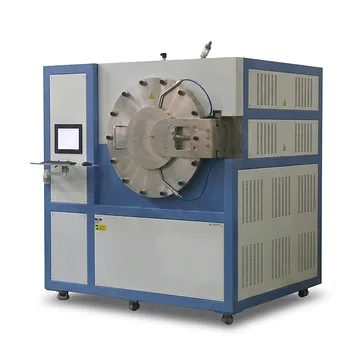
High Vacuum Pressure Chamber Furnace 800C 3.5 Bar Sintering System for Superconducting Materials
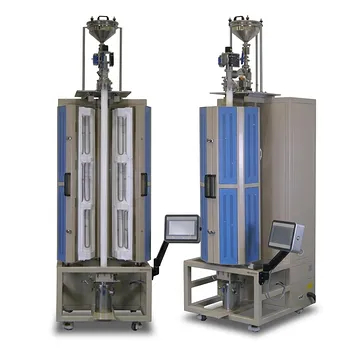
High Temperature Vertical Three Zone Powder Spheroidizing Furnace for Advanced Material Synthesis and Industrial Thermal Processing
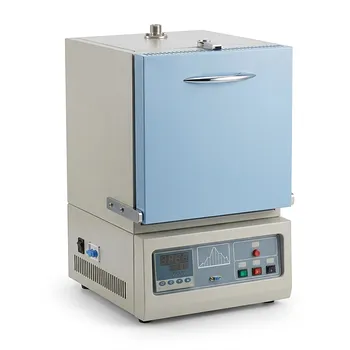
1750C Compact Muffle Furnace 1.7L Ultra High Temperature Laboratory Sintering System for Advanced Ceramics and Material Science Research
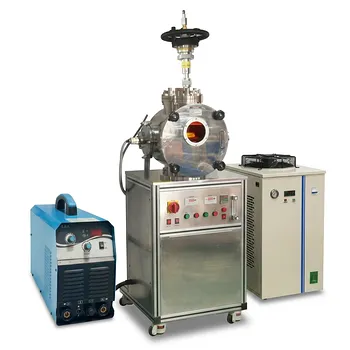
Plasma Assisted Melting Furnace for Metal Recovery from Oxide Slag and High Temperature Electrolysis
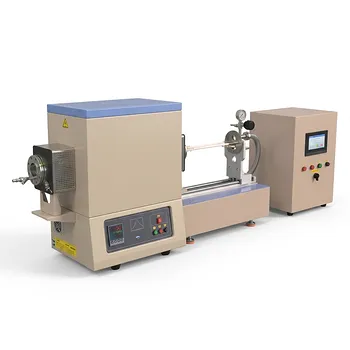
High Temperature Horizontal Electrical Assisted Sintering Furnace with 3KW Programmable Power Source for Advanced Ceramic Materials
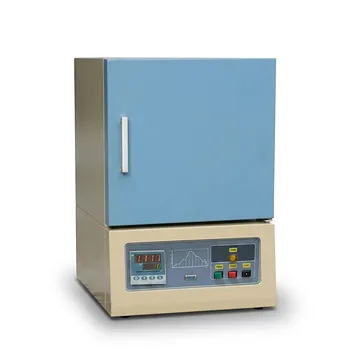
Ultra High Temperature Bench Top Muffle Furnace 1750C Sintering System with Kanthal Super Heating Elements and Precision Digital Control
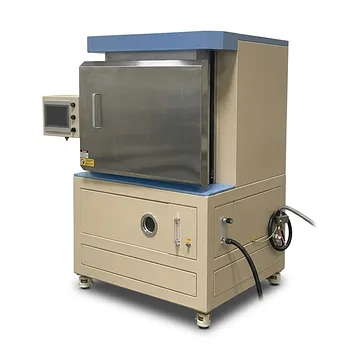
1650C High Temperature Atmosphere Controlled Box Furnace with 65L Chamber for Advanced Material Sintering and Industrial Heat Treatment
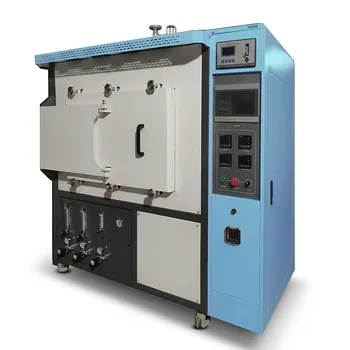
Roller Table Atmosphere Furnace 1500C High Temperature Battery Material Sintering System 112L Capacity
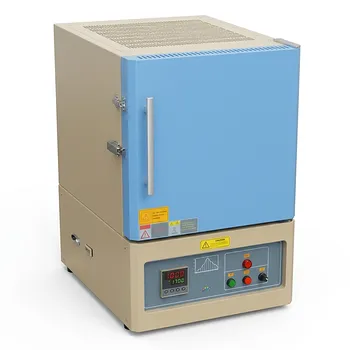
Large Bench Top 1700C High Temperature Muffle Furnace with 19L Chamber for Advanced Material Sintering and Annealing
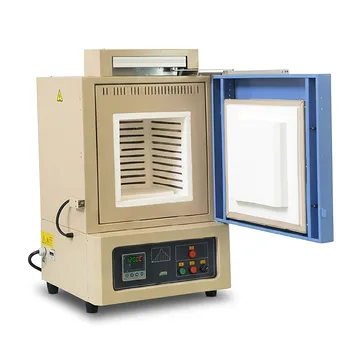
1200C High Temperature Muffle Furnace with Motorized Door and Automated PC Control for Industrial Sintering and Material Processing 27 Liter
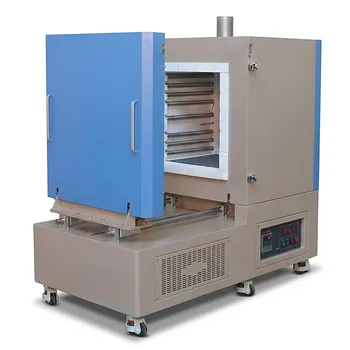
1200C Five Side Heating Muffle Furnace with Sliding Door 125L Volume High Temperature Heat Treatment System for Large Scale Sintering and Annealing
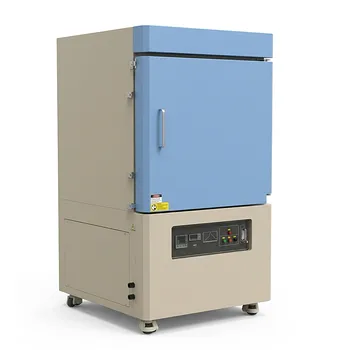
Industrial Large Box Furnace 1700C 216L High Temp Muffle Sintering System
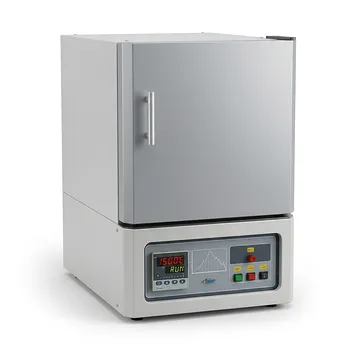
High Temperature 1500C Benchtop Muffle Furnace 3.6L Alumina Fiber Chamber Programmable Controller Sintering Annealing Carbonization Thermal Processing System
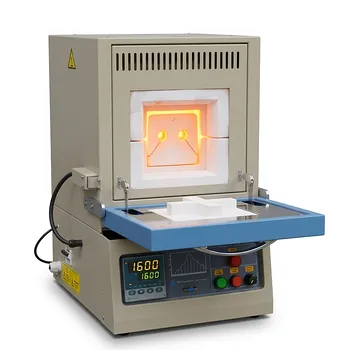
High Temperature Compact Muffle Furnace 1700 C with 30 Segment Programmable Controller and 1.7L Cubic Chamber
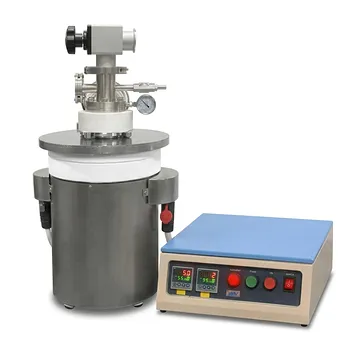
1100C High Temperature Vacuum Crucible Furnace with Quartz Chamber for Thermal Processing and Sintering
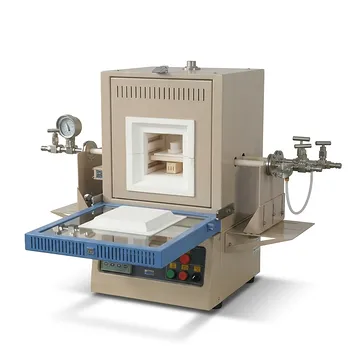
1700C Compact Hybrid Furnace with Dual Layer Box Sintering and Controlled Atmosphere Alumina Tubes
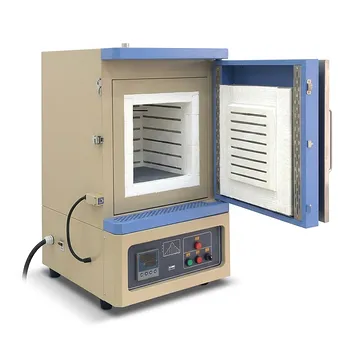
Five Side Heating Muffle Furnace High Purity Alumina Fiber 27L Chamber 1200C High Temperature Thermal Processing System for Sintering Annealing and Materials Research