How do plasma-assisted phosphidation systems modify MXene surface activity? Enhance Catalyst Efficiency at Low Temp
Updated 3 months ago
Plasma-assisted phosphidation systems modify MXene surface activity by utilizing high-energy plasma flows to drive phosphorus incorporation and structural defect formation at low temperatures. This process transforms the relatively stable MXene surface into a highly reactive platform by creating specific lattice vacancies that facilitate stronger molecular interactions.
Core Takeaway: By operating at temperatures as low as 250°C, plasma-assisted systems induce targeted lattice defects and phosphorus doping in MXenes. This modification creates high-density active sites that significantly enhance electrocatalytic efficiency and reactant adsorption.
The Mechanics of Plasma-Driven Modification
Low-Temperature Energy Transfer
Traditional phosphidation often requires extreme heat, which can compromise the structural integrity of sensitive MXene nanosheets. Plasma-assisted systems bypass this requirement by using high-energy plasma flows to provide the necessary activation energy at approximately 250°C.
This low-temperature threshold allows for precise surface modification without causing the bulk degradation or unwanted phase changes often seen in thermal processes.
Atomic Phosphorus Incorporation
The high-activity environment of the plasma facilitates the deep incorporation of phosphorus atoms into the MXene lattice. This atomic substitution alters the electronic structure of the material, shifting its chemical potential to favor catalytic reactions.
Structural Transformation and Activity Enhancement
Creation of Lattice Defects and Vacancies
The impact of high-energy plasma flows does more than just add phosphorus; it actively "sculpts" the surface at an atomic level. This process induces the formation of lattice defects and vacancies, which serve as the primary engines for increased surface activity.
These structural imperfections break the symmetry of the MXene surface, creating localized areas of high electron density.
Enhancing Reactant Interactions
The resulting defect sites act as highly potent active sites where reactant molecules can easily bind. By reducing the energy barrier for adsorption, these systems ensure a more robust interaction between the catalyst and the reactant.
This increased affinity directly translates to improved electrocatalytic efficiency, making the modified MXene far more effective for energy conversion and storage applications.
Understanding the Trade-offs
Defect Density Control
While lattice defects are essential for activity, excessive plasma exposure can lead to structural instability. Achieving the optimal balance between active site density and the mechanical "skeleton" of the MXene is a critical challenge for process engineers.
Surface vs. Bulk Modification
Plasma-assisted systems are exceptionally effective at surface-level modification, but their penetration depth can be limited. For applications requiring bulk transformation, supplemental methods or prolonged exposure times may be necessary, potentially increasing the risk of material fatigue.
How to Apply This to Your Project
Identifying the right parameters for plasma-assisted phosphidation depends on your specific performance targets and material constraints.
- If your primary focus is maximizing catalytic throughput: Prioritize higher plasma energy density to maximize the creation of surface vacancies and phosphorus active sites.
- If your primary focus is preserving material longevity: Utilize the lowest effective temperature (near 250°C) and shorter exposure cycles to maintain the underlying MXene lattice integrity.
- If your primary focus is precise electronic tuning: Focus on the phosphorus flow rate within the plasma system to control the specific doping level of the surface.
By leveraging the unique low-temperature energy of plasma flows, you can engineer MXene surfaces that possess both high structural stability and exceptional catalytic reactivity.
Summary Table:
| Feature | Plasma-Assisted Phosphidation | Impact on MXene Activity |
|---|---|---|
| Operating Temp | ~250°C (Low Temperature) | Prevents structural degradation and phase changes |
| Doping Method | Atomic Phosphorus Incorporation | Shifts chemical potential for better catalysis |
| Structural Change | Lattice Vacancies & Defects | Creates high-density reactive active sites |
| Key Outcome | Enhanced Surface Adsorption | Significantly improves electrocatalytic efficiency |
Accelerate Your Material Research with THERMUNITS
Precision is critical when engineering the next generation of MXene catalysts. THERMUNITS is a leading manufacturer of high-performance thermal processing equipment designed specifically for material science and industrial R&D.
Whether you require advanced CVD/PECVD systems for plasma-assisted modifications, or specialized Vacuum, Atmosphere, and Tube furnaces for precise heat treatment, our solutions provide the thermal stability and control necessary for cutting-edge breakthroughs.
Ready to optimize your laboratory’s heat treatment efficiency? Contact our engineering team today to discuss how our range of Muffle, Rotary, and Hot Press furnaces can support your research goals.
References
- Hengjun Su, Xiaojun Zeng. Recent progress in the synthesis and electrocatalytic application of MXene‐based metal phosphide composites. DOI: 10.1002/cnl2.169
Mentioned Products
- Chemical Vapor Deposition CVD System Slide PECVD Tube Furnace with Liquid Gasifier PECVD Machine
- Radio Frequency Plasma Enhanced Chemical Vapor Deposition RF PECVD System for Laboratory and Industrial Thin Film Growth
- Compact Spark Plasma Sintering SPS Furnace 1200 C Max 100 MPa Pressure High Speed Sintering System for Material Research
- Inclined Rotary Plasma Enhanced Chemical Vapor Deposition PECVD System for Thin Film Deposition and Nanomaterial Synthesis
- Cylindrical Resonator MPCVD Machine System for Microwave Plasma Chemical Vapor Deposition and Lab Diamond Growth
People Also Ask
- What are the advantages of PECVD systems for nano flame retardant films? Protect Heat-Sensitive Polymers with Precision
- How does a sliding rail design benefit the CVD process within a furnace ventilation hood? Enhance Control & Quenching
- What is the role of CVD/PECVD systems in the research of optoelectronic materials and functional coatings? Expert Guide
- How does PECVD differ from conventional thermal CVD? Key Advantages of Low-Temperature Deposition for R&D
- What role do by-product desorption and evacuation play in CVD film quality? Key Factors for High-Purity Films

Tech Team · ThermUnits
Last updated on Jun 02, 2026
Related Products
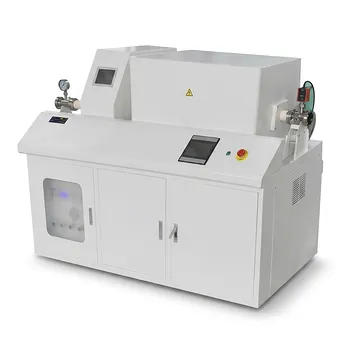
Chemical Vapor Deposition CVD System Slide PECVD Tube Furnace with Liquid Gasifier PECVD Machine
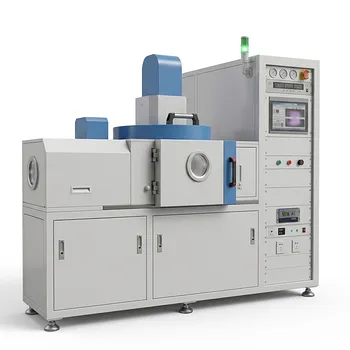
Radio Frequency Plasma Enhanced Chemical Vapor Deposition RF PECVD System for Laboratory and Industrial Thin Film Growth
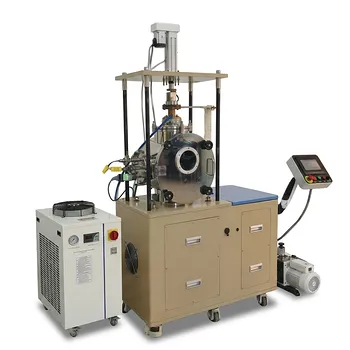
Compact Spark Plasma Sintering SPS Furnace 1200 C Max 100 MPa Pressure High Speed Sintering System for Material Research
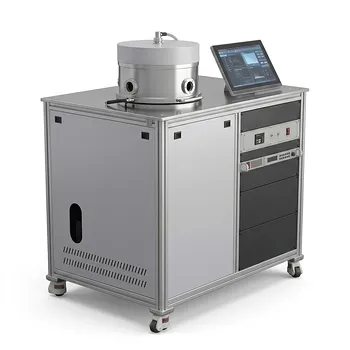
Inclined Rotary Plasma Enhanced Chemical Vapor Deposition PECVD System for Thin Film Deposition and Nanomaterial Synthesis
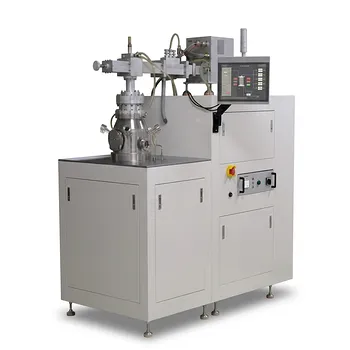
Cylindrical Resonator MPCVD Machine System for Microwave Plasma Chemical Vapor Deposition and Lab Diamond Growth
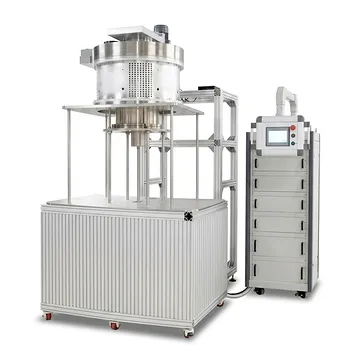
915MHz MPCVD Diamond Machine Microwave Plasma Chemical Vapor Deposition System Reactor
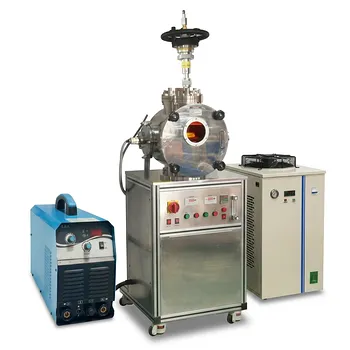
Plasma Assisted Melting Furnace for Metal Recovery from Oxide Slag and High Temperature Electrolysis
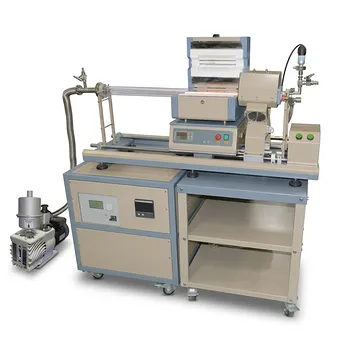
1200C Max Compact Auto-Sliding PECVD Furnace with 2 Inch Tube and Vacuum Pump
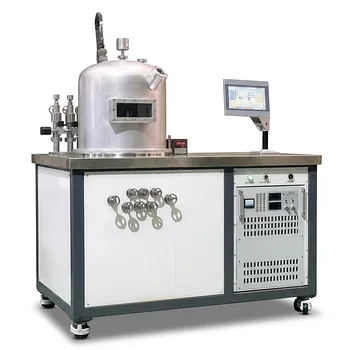
HFCVD Machine System for Nano Diamond Coating on Drawing Dies and Industrial Tools
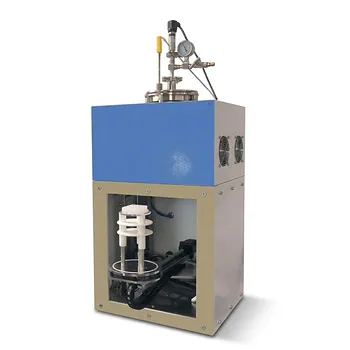
Rapid Thermal Processing Furnace 1100C Atmosphere Controlled Bottom Loading RTP System for Wafer Annealing and Catalysis Research