What are the advantages of Spark Plasma Sintering (SPS) systems compared to traditional tube furnaces? | Nano-Cermets
Updated 3 months ago
The transition from traditional tube furnaces to Spark Plasma Sintering (SPS) represents a fundamental shift in how high-performance materials are fabricated. SPS systems provide superior control over grain size by combining pulsed direct current, mechanical pressure, and extremely high heating rates. For nano Ti(CN)-based cermets, this allows for full densification at temperatures as low as 1200-1250°C, effectively "freezing" the nanostructure and significantly enhancing mechanical hardness.
Core Takeaway: SPS systems solve the primary challenge of nano-cermet fabrication: achieving full densification without sacrificing the fine-grained microstructure. By utilizing internal Joule heating and synchronized pressure, SPS produces materials with superior hardness and density in a fraction of the time required by traditional thermal methods.
The Mechanics of Thermal Efficiency
Pulsed Direct Current and Joule Heating
Traditional tube furnaces rely on external heating elements to transfer energy via radiation and convection, a slow and often inefficient process. In contrast, SPS passes a pulsed direct current directly through the graphite mold and the sample. This generates internal Joule heat, allowing for heating rates (e.g., 100 K/min) that are impossible to achieve in conventional furnaces.
Simultaneous Mechanical Pressure
SPS systems apply axial mechanical pressure (often reaching 50 MPa or higher) simultaneously with the electric current. This pressure accelerates the formation of sintering necks and promotes particle diffusion. The synergy between heat and pressure allows the material to reach its target density much faster than gravity-based sintering.
Shortened R&D Cycles
Because the heating and cooling phases are so rapid, the entire sintering process can be completed in minutes rather than hours. This speed allows researchers to iterate on material compositions and parameters much more quickly, significantly shortening research and development cycles.
Preserving the Nanostructure of Ti(CN)
Lower Sintering Temperatures
A primary advantage for Ti(CN)-based cermets is the ability to achieve full densification at reduced temperatures. While conventional sintering may require high heat for extended periods, SPS can reach peak density at 1200-1250°C. Operating at these lower thresholds prevents the thermal degradation of delicate additives and maintains the chemical stability of the alloy.
Inhibition of Grain Growth
The most critical factor in "nano" materials is preventing grain coarsening. In traditional furnaces, the long "soak times" at high temperatures allow grains to grow significantly, destroying the nanostructure. The short holding times of SPS heavily inhibit this growth, preserving the microscopic advantages of the original powder.
Enhanced Hardness and Toughness
By maintaining a fine-grained structure, SPS-produced cermets exhibit superior mechanical hardness and fracture toughness. The suppression of abnormal grain growth ensures a uniform microstructure, which is essential for the wear resistance and durability required in cutting tools and industrial components.
Understanding the Trade-offs
Geometry and Shape Limitations
The reliance on graphite molds and axial pressure generally limits SPS to relatively simple shapes, such as discs or cylinders. Creating highly complex, near-net-shape geometries is more challenging in SPS than in traditional sintering methods that do not require specialized tooling.
Initial Capital Investment
The sophisticated power supplies and hydraulic systems required for SPS make it a more expensive initial investment than a standard tube or muffle furnace. Furthermore, the consumables, such as the graphite dies, must be frequently replaced due to the high stresses of the process.
Temperature Gradient Challenges
In very large samples, maintaining a perfectly uniform temperature throughout the specimen can be difficult due to the nature of internal heating. Careful design of the mold and insulation is required to ensure that the core of the sample reaches the same state as the periphery.
Applying This Technology to Your Project
Making the Right Choice for Your Goal
To determine if SPS is the correct choice for your specific cermet application, consider the following strategic priorities:
- If your primary focus is maximum mechanical hardness: Utilize SPS to suppress grain growth and preserve the nano-scale integrity of the Ti(CN) matrix.
- If your primary focus is rapid prototyping: Leverage the short sintering cycles of SPS to compress your development timeline and test multiple formulations quickly.
- If your primary focus is structural density: Opt for SPS to achieve near-theoretical density (up to 99.45% or higher) at temperatures significantly lower than conventional methods.
By leveraging the rapid thermal processing of SPS, you can unlock the full performance potential of nano-scale materials that would otherwise be lost to the slow, high-heat cycles of traditional furnaces.
Summary Table:
| Feature | Spark Plasma Sintering (SPS) | Traditional Tube Furnace |
|---|---|---|
| Heating Mechanism | Internal Joule Heating (Pulsed DC) | External Radiation/Convection |
| Sintering Temperature | Lower (1200-1250°C for cermets) | Higher (extended soak times) |
| Processing Speed | Rapid (Minutes) | Slow (Hours) |
| Microstructure | Inhibits grain growth (Nano-scale) | Promotes grain coarsening |
| Mechanical Result | Superior hardness & density | Standard density; lower hardness |
| Pressure Application | Simultaneous mechanical pressure | Gravity-based/Atmospheric |
Elevate Your Material Research with THERMUNITS
Are you struggling to maintain nanostructures during high-temperature processing? As a leading manufacturer of high-performance thermal equipment, THERMUNITS provides the precision tools needed for advanced material science and industrial R&D.
Whether you require a custom Spark Plasma Sintering (SPS) setup, a high-vacuum Tube Furnace, or specialized Atmosphere/Hot Press systems, our solutions are designed to deliver uniform heating, precise control, and maximum durability. Let us help you shorten your R&D cycles and achieve theoretical material density.
Contact our experts today to find the perfect thermal processing solution for your lab!
Request a Quote & Technical Consultation
References
- Vikas Verma, Ronaldo Câmara Cozza. Effect of Processing Routes on Physical and Mechanical Properties of Advanced Cermet System. DOI: 10.3390/ceramics7020041
Mentioned Products
- Compact Spark Plasma Sintering SPS Furnace 1200 C Max 100 MPa Pressure High Speed Sintering System for Material Research
- High Temperature Ultrafast Heating Pressing Furnace 2900C Max 100kgf Rapid Thermal Processing System
- High Vacuum Pressure Chamber Furnace 800C 3.5 Bar Sintering System for Superconducting Materials
- 1750C Compact Muffle Furnace 1.7L Ultra High Temperature Laboratory Sintering System for Advanced Ceramics and Material Science Research
- Induction Heating System with Temperature Control for High Temperature Vacuum Sintering and Melting
People Also Ask
- SPS vs Hot Pressing for La2O2S: Faster Densification & Superior Grain Growth Control
- What are the equipment advantages of Spark Plasma Sintering (SPS)? Faster Densification & Superior Phase Control
- How does a modified Spark Plasma Sintering (SPS) system differ from traditional vacuum furnaces? Faster RAS Heat Cycles.
- What are the unique advantages of a Spark Plasma Sintering (SPS) system? Achieve Rapid Densification & Fine Grain Control
- What role does a sintering furnace play with silver paste? Essential Thermal Management for Power Device Packaging

Tech Team · ThermUnits
Last updated on Jun 03, 2026
Related Products
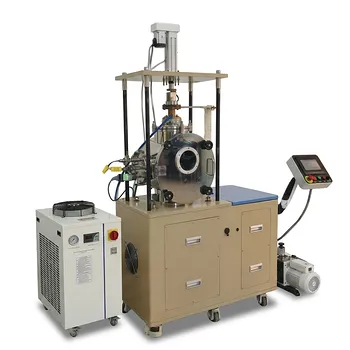
Compact Spark Plasma Sintering SPS Furnace 1200 C Max 100 MPa Pressure High Speed Sintering System for Material Research
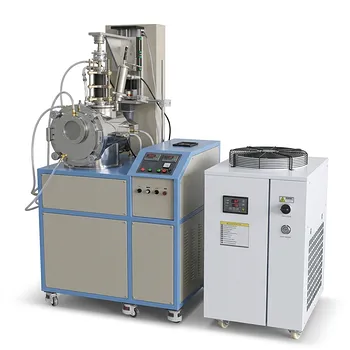
High Temperature Ultrafast Heating Pressing Furnace 2900C Max 100kgf Rapid Thermal Processing System
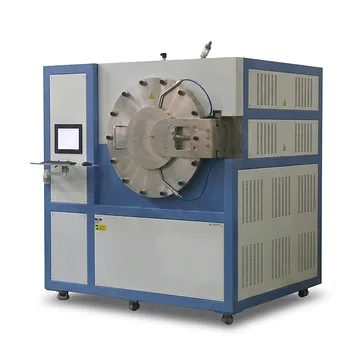
High Vacuum Pressure Chamber Furnace 800C 3.5 Bar Sintering System for Superconducting Materials
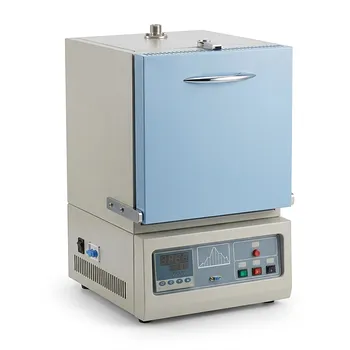
1750C Compact Muffle Furnace 1.7L Ultra High Temperature Laboratory Sintering System for Advanced Ceramics and Material Science Research
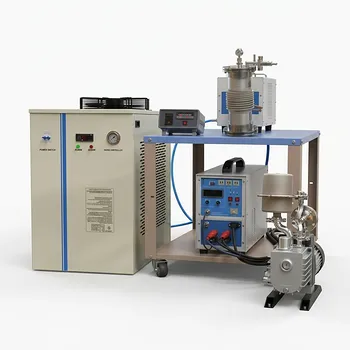
Induction Heating System with Temperature Control for High Temperature Vacuum Sintering and Melting
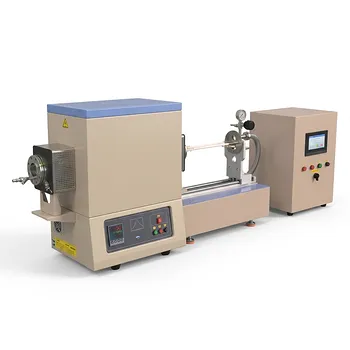
High Temperature Horizontal Electrical Assisted Sintering Furnace with 3KW Programmable Power Source for Advanced Ceramic Materials
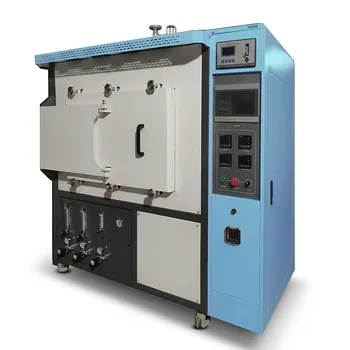
Roller Table Atmosphere Furnace 1500C High Temperature Battery Material Sintering System 112L Capacity
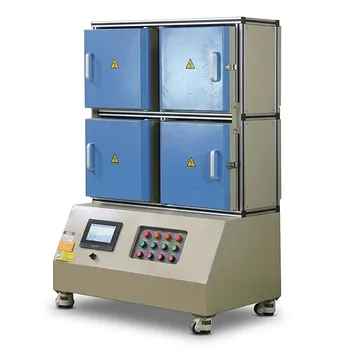
High Throughput Four Channel Box Furnace 1500C Max Independent Temperature Control Material Research Sintering System
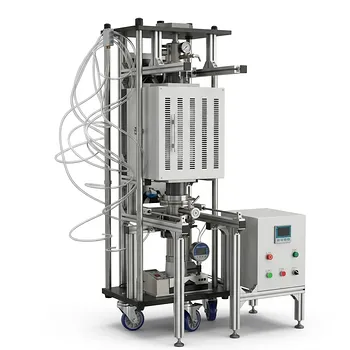
Industrial High Temperature Vacuum Hot Press Furnace and Heated Vacuum Press Machine for Material Science Sintering
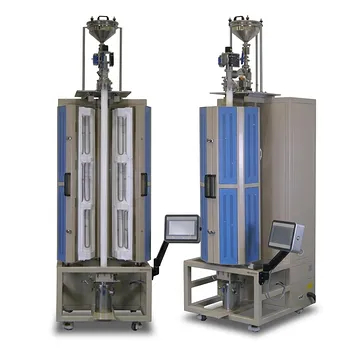
High Temperature Vertical Three Zone Powder Spheroidizing Furnace for Advanced Material Synthesis and Industrial Thermal Processing
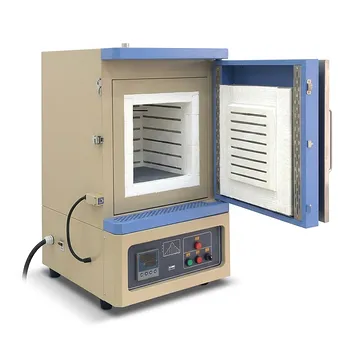
Five Side Heating Muffle Furnace High Purity Alumina Fiber 27L Chamber 1200C High Temperature Thermal Processing System for Sintering Annealing and Materials Research
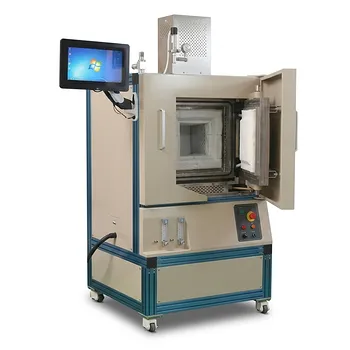
High Temperature Oxygen and Inert Atmosphere Controlled Furnace 8 Liter 1700C Sintering System for Advanced Materials RD

High Temperature 1700C Vertical Tube Furnace for Powder Spherification and Material Sintering
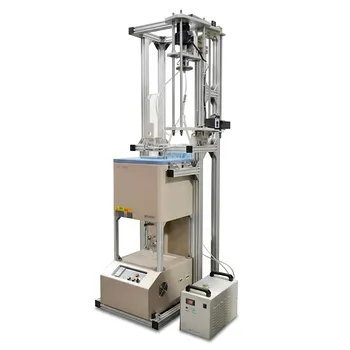
500C Vacuum Vertical Tube Furnace 84mm OD Sample Rotation Lifting System
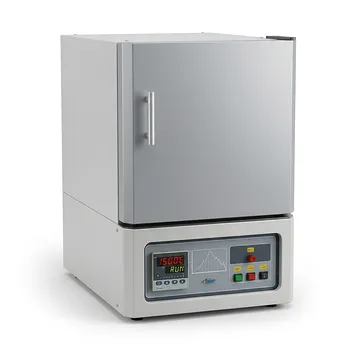
High Temperature 1500C Benchtop Muffle Furnace 3.6L Alumina Fiber Chamber Programmable Controller Sintering Annealing Carbonization Thermal Processing System
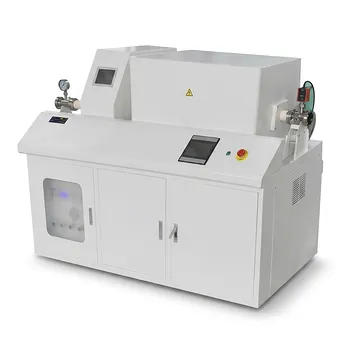
Chemical Vapor Deposition CVD System Slide PECVD Tube Furnace with Liquid Gasifier PECVD Machine
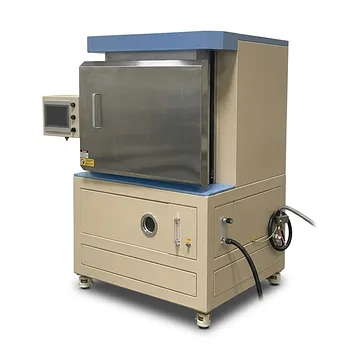
1650C High Temperature Atmosphere Controlled Box Furnace with 65L Chamber for Advanced Material Sintering and Industrial Heat Treatment
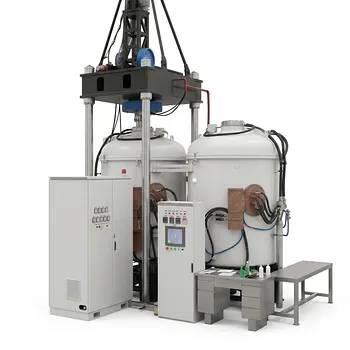
High Pressure 600T Vacuum Induction Hot Press Furnace for Advanced Material Heat Treatment and Sintering
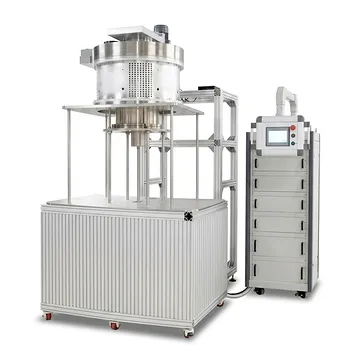
915MHz MPCVD Diamond Machine Microwave Plasma Chemical Vapor Deposition System Reactor