What are the advantages of microwave induction pyrolysis for rice husks? Achieve Higher Efficiency & Product Purity
Updated 3 months ago
Microwave induction pyrolysis represents a fundamental shift from surface heating to volumetric energy transfer. Unlike traditional furnaces that heat material from the outside in, microwave systems utilize electromagnetic energy to heat the entire volume of waste simultaneously. This results in significantly faster reaction times, lower energy consumption, and superior product yields for materials like rice husks.
Microwave induction pyrolysis bypasses the slow, layer-by-layer conduction of traditional methods, lowering the activation energy required for thermochemical conversion and producing higher-quality bio-char with less tar.
The Physics of Volumetric Heating
Internal vs. External Energy Transfer
Traditional electric furnaces rely on thermal conduction, where heat moves slowly from the furnace walls to the center of the waste pile. Microwave induction achieves volumetric heating, meaning the energy penetrates the material and generates heat internally through molecular friction. This eliminates the thermal lag associated with traditional "outside-in" heating profiles.
Lowering the Activation Energy
By delivering energy directly to the molecular structure, microwave systems can significantly reduce the activation energy of the pyrolysis reaction. Studies have shown that this method can drop activation energy from approximately 147 kJ/mol to as low as 81 kJ/mol. This reduction allows the chemical breakdown of rice husks to occur more readily and efficiently.
Simultaneous Heating Characteristics
Laboratory-grade microwave systems enable simultaneous internal and external heating of the feedstock. This uniform temperature distribution prevents the "cold center" phenomenon common in traditional kilns. The result is a more thorough and consistent thermochemical conversion across the entire batch.
Efficiency and Throughput Gains
Drastically Shortened Reaction Times
Because the material reaches the required reaction temperature almost instantly, the overall process time is shortened. This increased heating rate allows for higher throughput in smaller-footprint equipment compared to traditional furnaces. Faster processing directly translates to lower operational overhead per ton of waste treated.
Optimized Energy Consumption
Traditional furnaces waste significant energy heating the air and the structural walls of the furnace itself. Microwave systems offer direct energy coupling, where the electromagnetic waves focus energy primarily on the waste material. This high energy utilization efficiency makes the process more sustainable and cost-effective.
Superior Product Quality and Chemistry
Enhanced Bio-char and Syngas Purity
Microwave pyrolysis maintains a lower overall ambient temperature while achieving high internal reaction activity. This unique thermal environment results in higher-quality bio-char and syngas with significantly lower tar content. Reduced tar simplifies downstream gas cleaning and improves the market value of the solid carbon output.
Improved Bio-oil Yields and Selectivity
The high heating rates and selective nature of microwave energy induce a more thorough conversion of biomass components. In co-pyrolysis scenarios involving rice husks and polymers, this method increases bio-oil yields through precise thermochemical induction. This selectivity allows operators to tune the process for specific high-value chemical outputs.
Understanding the Trade-offs
Material Sensitivity and Susceptors
The primary challenge of microwave systems is that different materials absorb microwave energy at different rates. If a waste stream is "microwave transparent," it may require the addition of a susceptor (like carbon) to initiate heating. This adds a layer of complexity to feedstock preparation that traditional furnaces do not face.
Equipment Complexity and Scaling
While highly efficient, microwave generators and waveguides require precise engineering and shielding. Scaling these systems to industrial levels involves complex electromagnetic modeling to ensure uniform field distribution. Traditional resistive heating, while less efficient, is often simpler and cheaper to build at massive scales.
Making the Right Choice for Your Goal
When deciding between microwave induction and traditional electric heating, consider the specific requirements of your waste-to-energy project.
- If your primary focus is High-Purity Bio-char: Microwave induction is the superior choice because it minimizes tar contamination and ensures uniform carbonization.
- If your primary focus is Maximum Throughput and Speed: Choose microwave systems to leverage rapid volumetric heating and significantly reduced reaction cycles.
- If your primary focus is Low Capital Expenditure: Traditional electric furnaces may be preferable for simple, large-scale applications where energy efficiency is less critical than initial build costs.
- If your primary focus is Reducing Energy Costs: Microwave systems offer the highest energy utilization efficiency by heating the feedstock directly rather than the furnace environment.
By transitioning to microwave induction technology, you can transform rice husk waste into high-value resources with unprecedented precision and efficiency.
Summary Table:
| Feature | Microwave Induction Pyrolysis | Traditional Electric Heating |
|---|---|---|
| Heating Mechanism | Volumetric (Internal Energy Transfer) | Conduction (Surface-to-Center) |
| Activation Energy | Lower (~81 kJ/mol) | Higher (~147 kJ/mol) |
| Reaction Time | Extremely Fast / Instant | Slow (Thermal Lag) |
| Energy Efficiency | High (Direct Energy Coupling) | Lower (Heat Loss to Walls/Air) |
| Product Quality | Low Tar, High Purity Bio-char | Higher Tar Content |
| Primary Strength | Speed, Purity, & Energy Savings | Lower Initial Capital Cost |
Revolutionize Your Material Research with THERMUNITS
Maximize the efficiency of your thermochemical conversions with industry-leading thermal technology. THERMUNITS is a premier manufacturer of high-temperature laboratory equipment specifically designed for material science and industrial R&D.
We provide a comprehensive range of solutions to meet your most demanding heat treatment needs, including:
- Advanced Furnaces: Muffle, Vacuum, Atmosphere, Tube, Rotary, and Hot Press furnaces.
- Specialized Systems: CVD/PECVD systems, Dental Furnaces, and Electric Rotary Kilns.
- Industrial Solutions: Vacuum Induction Melting (VIM) furnaces and high-performance Thermal Elements.
Whether you are optimizing biomass pyrolysis or developing next-generation materials, our equipment delivers the precision and reliability you need. Contact us today to discuss your project requirements and let our experts help you select the ideal furnace for your laboratory or production line!
References
- Ana B. Cuevas, M.P. Dorado. An Overview of Pyrolysis as Waste Treatment to Produce Eco-Energy. DOI: 10.3390/en17122852
Mentioned Products
- 15KW Induction Melting System with Top Suction Casting for Thin Rod Production Up to 1200°C
- Automatic 10 Crucible Induction Melting and Casting System with Stirring Function and Glovebox Integration 2000C
- High Temperature Induction Melting System with Integrated Ultra High Purity Glove Box for Metallic Alloy Processing
- High Temperature Induction Melting System with Multi Cavity Crucible and 15KW Precision Digital Temperature Control
- Induction Heating System with Temperature Control for High Temperature Vacuum Sintering and Melting
People Also Ask
- What are the operational advantages of Vacuum Induction Melting in terms of process flexibility and downstream efficiency?
- How does Vacuum Induction Melting mitigate hydrogen embrittlement? Ensure Structural Integrity for Critical Alloys
- What are the primary benefits of using Vacuum Induction Melting for aerospace superalloys? Superior Purity & Strength
- How does Vacuum Induction Melting improve the performance of components used in power generation? Purity & Durability
- What role does Vacuum Induction Melting play in medical implants? Ensure High-Purity Alloys for Superior Performance

Tech Team · ThermUnits
Last updated on Jun 03, 2026
Related Products
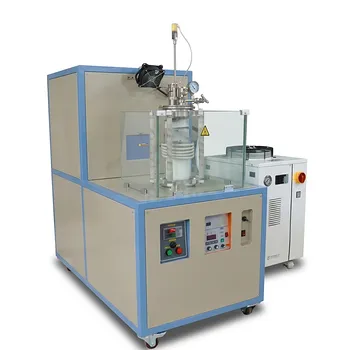
15KW Induction Melting System with Top Suction Casting for Thin Rod Production Up to 1200°C
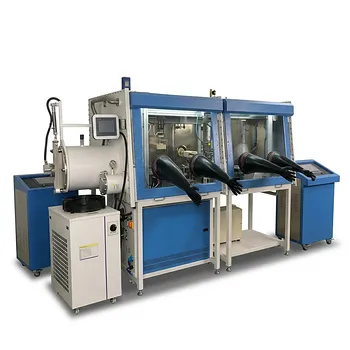
Automatic 10 Crucible Induction Melting and Casting System with Stirring Function and Glovebox Integration 2000C
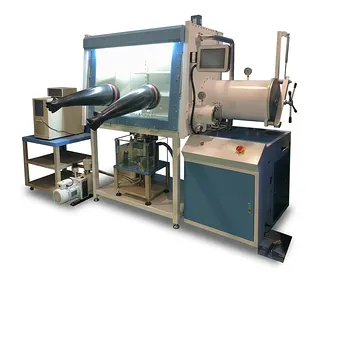
High Temperature Induction Melting System with Integrated Ultra High Purity Glove Box for Metallic Alloy Processing
High Temperature Induction Melting System with Multi Cavity Crucible and 15KW Precision Digital Temperature Control
Induction Heating System with Temperature Control for High Temperature Vacuum Sintering and Melting
High Throughput Induction Melting and Casting Furnace for Superalloy Research 1700C Atmosphere Controlled Multi Sample System
Atmosphere Controlled Induction Melting Casting System 1600C 10L Capacity
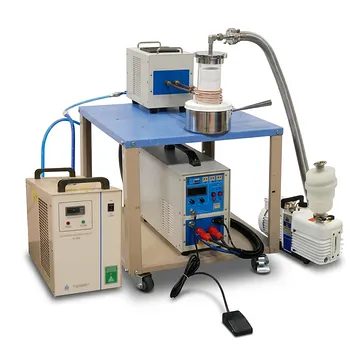
1900C Maximum High Temperature 7KW Vacuum Induction Melting System with 60mm Quartz Tube and Manual Temperature Control for Metallic Alloy Research
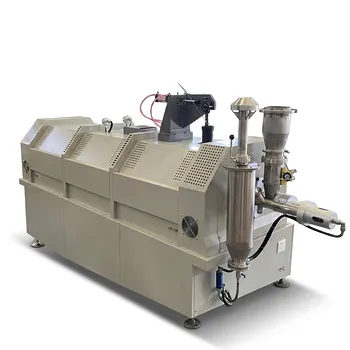
Electric Rotary Kiln Continuous Working Small Rotary Furnace Heating Pyrolysis Plant
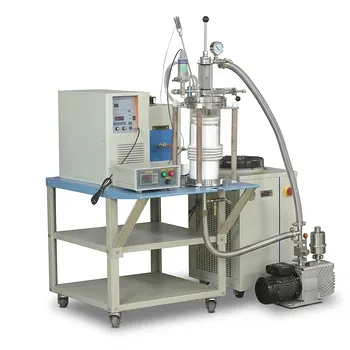
15KW 1700C Max Induction Heater 6 Inch Tube with Dose Feeding and Melt Stirring Function
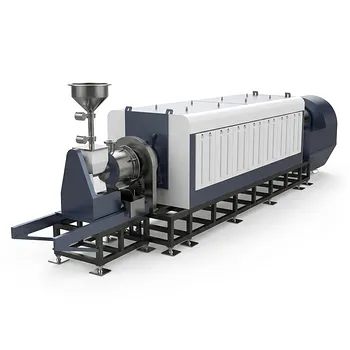
Electric Rotary Kiln Small Rotary Furnace Biomass Pyrolysis Plant
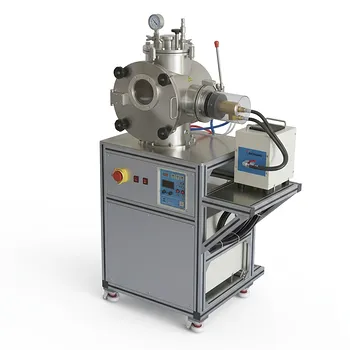
Induction Melting Casting Furnace 1750C Vacuum High Frequency Metal Processing Unit
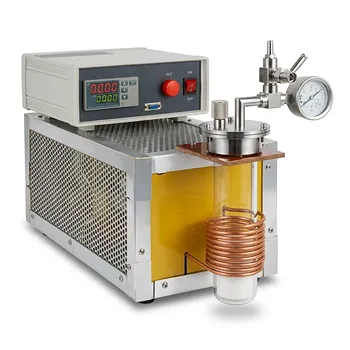
High Temperature Mini Induction Heating Furnace 1600C Laboratory Material Melting System
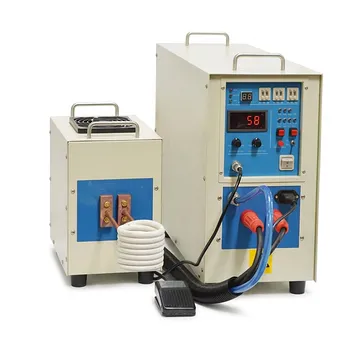
High Frequency Desktop Induction Heater 15 KVA Induction Heating System with Automatic Timer Control for Material Research and Metal Melting
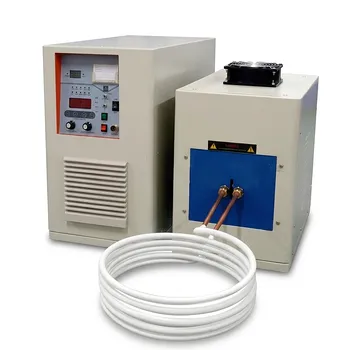
High Power 25KW Induction Heating System with Precision Timer Control and 80kHz Frequency for Metal Melting and Heat Treatment
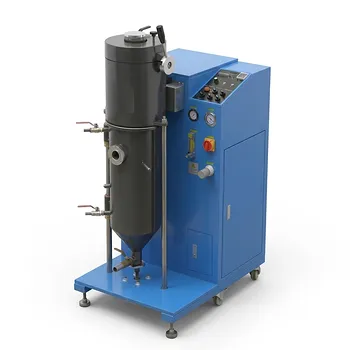
Atmosphere Controlled Induction Melting Granulating Casting Furnace 1500C 5kg Capacity
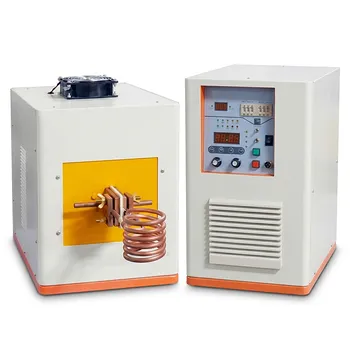
30KW High Frequency Induction Heater for Metal Melting and Industrial Heat Treatment 80-200kHz
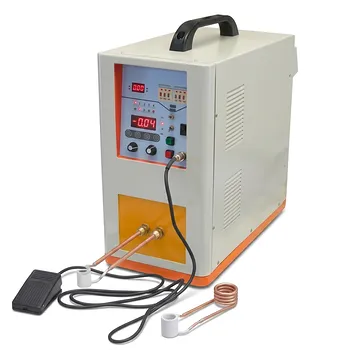
Desktop High Frequency Induction Heater for Precision Metal Melting and Laboratory Thermal Processing 0.6 to 1.1MHz
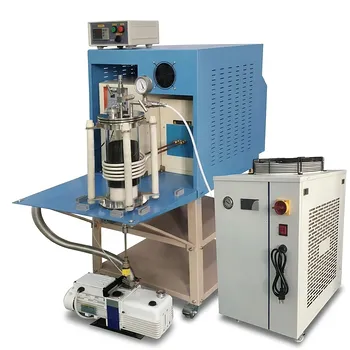
15KW Induction Heating System with 5 Inch Quartz Tube and 2200C Temperature Controller