What are the primary benefits of using Vacuum Induction Melting for aerospace superalloys? Superior Purity & Strength
Updated 5 months ago
Vacuum Induction Melting (VIM) is the foundational process for producing high-performance aerospace superalloys. By melting raw materials in a high-vacuum environment, VIM allows for the precise addition of reactive elements like aluminum, titanium, and hafnium without the risk of oxidation. This controlled environment effectively removes harmful gases and volatile impurities, resulting in a material with the exceptional purity, homogeneity, and high-temperature strength required for critical jet engine components.
VIM provides a sterile, highly controlled environment that solves the dual challenge of preventing contamination and ensuring exact chemical composition. It is the essential first step in creating alloys that can survive the extreme thermal and mechanical stresses of modern aerospace applications.
Achieving Unprecedented Chemical Precision
Protecting Reactive Strengthening Elements
Aerospace superalloys rely on reactive elements like aluminum and titanium to provide high-temperature strength through precipitation hardening. In traditional melting, these elements would immediately react with oxygen; VIM’s vacuum environment prevents this oxidative loss, ensuring the final alloy meets strict design specifications.
Electromagnetic Stirring for Atomic Uniformity
The induction heating process naturally generates electromagnetic stirring within the molten metal. This force ensures that all alloying elements are mixed thoroughly at an atomic level, resulting in a chemically homogeneous ingot that lacks the "dead zones" or localized variations common in other melting methods.
Control of Tight Tolerances
Because the melting occurs in a sealed vacuum, engineers can precisely manage the chemistry of the melt to within tight tolerances. This is particularly critical for elements like hafnium, which must be carefully balanced to enhance the grain structure and thermal stability of turbine blades and disks.
Maximizing Material Purity and Integrity
Elimination of Dissolved Gases
The vacuum environment forces dissolved gases such as oxygen, nitrogen, and hydrogen out of the molten metal. Removing these gases is vital because they otherwise lead to gas porosity and non-metallic inclusions, both of which serve as "crack starters" that cause premature component failure.
Evaporation of Volatile Trace Impurities
Many harmful trace elements have a high vapor pressure and low melting points. Under the intense vacuum of a VIM furnace, these impurities effectively evaporate from the melt, significantly enhancing the purity of the material beyond what can be achieved through surface-level refining.
Minimizing Non-Metallic Inclusions
By preventing the formation of oxides and nitrides during the melting process, VIM drastically reduces the number of non-metallic inclusions. This results in a "cleaner" metal that exhibits significantly improved fatigue strength, fracture toughness, and ductility.
Understanding the Trade-offs
Refractory Interaction
Despite the vacuum, the molten metal is still in contact with the furnace's refractory lining. Over time, the high temperatures can cause small amounts of the lining material to erode or react with the melt, potentially introducing minor ceramic inclusions that must be managed in subsequent processing steps.
Operational Costs and Complexity
VIM is a batch process that requires specialized equipment and high energy consumption to maintain a deep vacuum. This makes it significantly more expensive than air-induction melting, meaning it is typically reserved only for high-value materials where reliability is non-negotiable.
Throughput Limitations
Creating a deep vacuum and managing the cooling cycles of VIM ingots is time-consuming. While it produces superior quality, it cannot match the production volume of continuous casting methods, making it a bottleneck in the supply chain if not managed correctly.
Strategic Application of VIM Technology
How to Apply This to Your Project
VIM is rarely the final step in production; rather, it provides the high-quality electrode necessary for secondary refining processes like Vacuum Arc Remelting (VAR) or Electroslag Remelting (ESR).
- If your primary focus is High-Temperature Creep Resistance: Utilize VIM to ensure the exact ratios of aluminum and titanium are maintained for optimal gamma-prime phase formation.
- If your primary focus is Maximum Fatigue Life: Leverage VIM's ability to degas the melt and remove volatile impurities, which minimizes the internal defects that lead to fatigue cracks.
- If your primary focus is Critical Rotating Parts: Use VIM as the primary melt in a triple-melting (VIM/ESR/VAR) sequence to achieve the highest possible level of cleanliness and structural uniformity.
By mastering the vacuum environment, VIM provides the metallurgical foundation upon which the safety and efficiency of modern flight are built.
Summary Table:
| Key Benefit | Impact on Superalloy Quality |
|---|---|
| Oxidation Prevention | Protects reactive elements like Al and Ti for high-temp strength. |
| Gas Removal | Eliminates O2, N2, and H2 to prevent gas porosity and crack starters. |
| Chemical Homogeneity | Electromagnetic stirring ensures atomic-level uniformity of elements. |
| Impurity Evaporation | Removes volatile trace elements to maximize material integrity. |
| Tight Tolerances | Allows precise management of elements like Hafnium for stability. |
Optimize Your Material Science R&D with THERMUNITS
As a global leader in high-temperature laboratory equipment, THERMUNITS empowers researchers and engineers with the precision thermal processing solutions needed for the next generation of aerospace technology.
Our comprehensive range includes:
- Vacuum Induction Melting (VIM) Furnaces for high-purity alloy development.
- Muffle, Vacuum, Atmosphere, and Tube Furnaces for diverse heat treatments.
- Hot Press Furnaces and CVD/PECVD Systems for advanced material synthesis.
Whether you are focusing on high-temperature creep resistance or maximum fatigue life, our expert team is ready to provide the specialized equipment your project demands. Contact us today to discuss your specific thermal processing needs and discover how THERMUNITS can bring unprecedented quality to your materials.
Mentioned Products
- 1900C Maximum High Temperature 7KW Vacuum Induction Melting System with 60mm Quartz Tube and Manual Temperature Control for Metallic Alloy Research
- Induction Melting Casting Furnace 1750C Vacuum High Frequency Metal Processing Unit
- High Temperature Induction Melting System with Integrated Ultra High Purity Glove Box for Metallic Alloy Processing
- Atmosphere Controlled Induction Melting Granulating Casting Furnace 1500C 5kg Capacity
- Atmosphere Controlled Induction Melting Casting System 1600C 10L Capacity
People Also Ask
- What is the primary role of a Vacuum Induction Melting furnace in the smelting of Fe-Cr-N alloys? Ensuring High Purity
- How does a Vacuum Induction Melting furnace heat materials while preventing atmospheric contamination? Achieve High Purity
- What are the key structural components that make up a Vacuum Induction Melting (VIM) furnace system? Full Guide
- How does the skin effect influence VIM frequency selection? Optimize Heat Penetration & Stirring Efficiency
- What technical advantages does Vacuum Induction Melting offer regarding alloy homogeneity and purity? Enhance Performance

Tech Team · ThermUnits
Last updated on Apr 14, 2026
Related Products
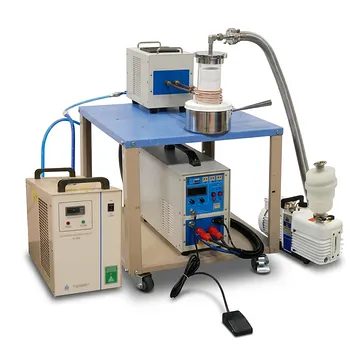
1900C Maximum High Temperature 7KW Vacuum Induction Melting System with 60mm Quartz Tube and Manual Temperature Control for Metallic Alloy Research
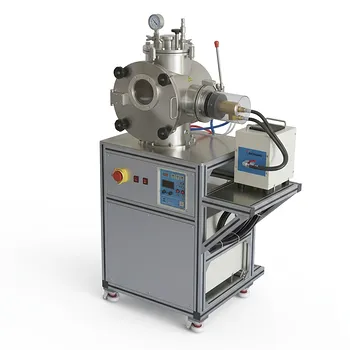
Induction Melting Casting Furnace 1750C Vacuum High Frequency Metal Processing Unit
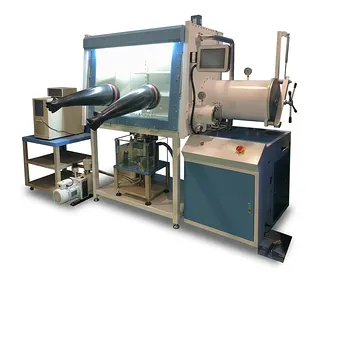
High Temperature Induction Melting System with Integrated Ultra High Purity Glove Box for Metallic Alloy Processing
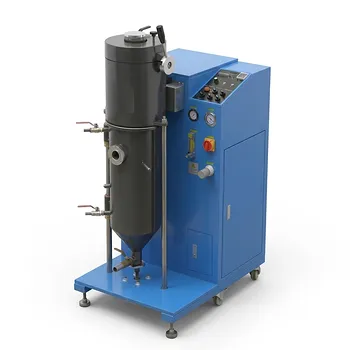
Atmosphere Controlled Induction Melting Granulating Casting Furnace 1500C 5kg Capacity
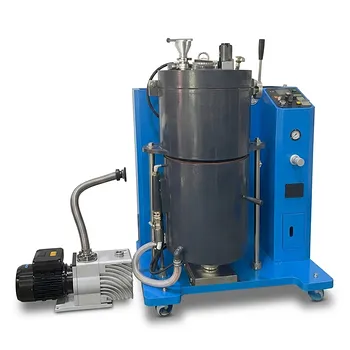
Atmosphere Controlled Induction Melting Casting System 1600C 10L Capacity
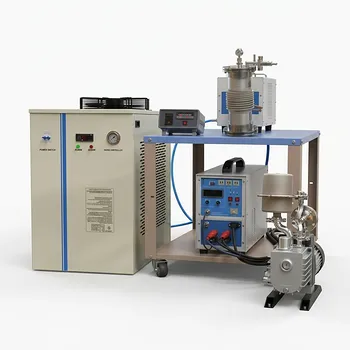
Induction Heating System with Temperature Control for High Temperature Vacuum Sintering and Melting
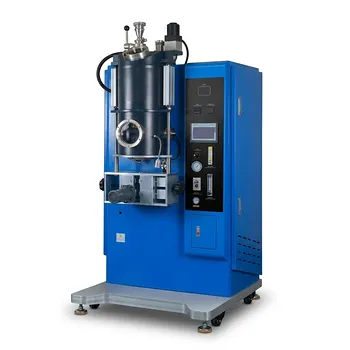
Atmosphere Controlled Continuous Casting Furnace with Secondary Charge Function for Induction Melting and Metal Alloy Wire Production
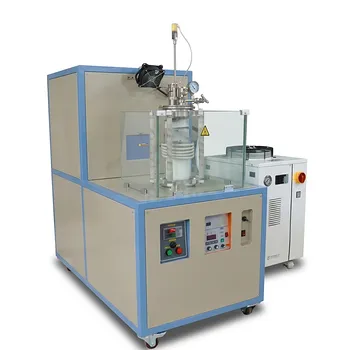
15KW Induction Melting System with Top Suction Casting for Thin Rod Production Up to 1200°C
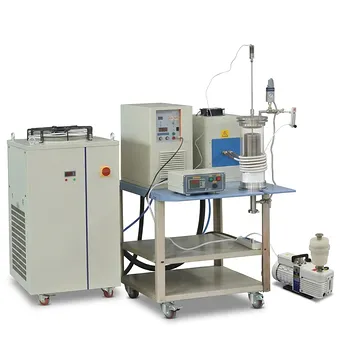
High Temperature Induction Melting System with Multi Cavity Crucible and 15KW Precision Digital Temperature Control
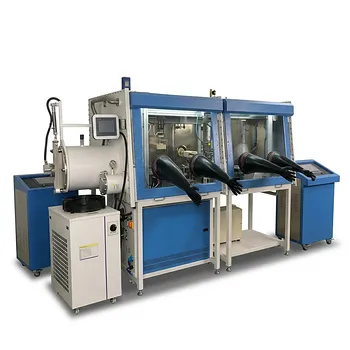
Automatic 10 Crucible Induction Melting and Casting System with Stirring Function and Glovebox Integration 2000C
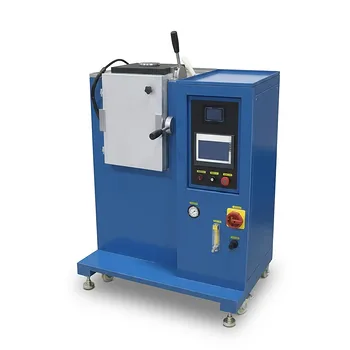
High Throughput Induction Melting and Casting Furnace for Superalloy Research 1700C Atmosphere Controlled Multi Sample System
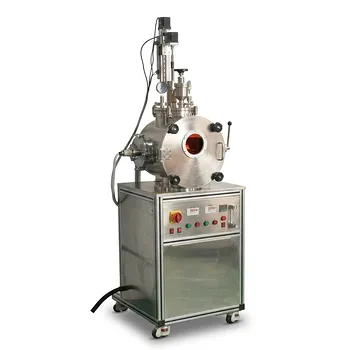
High Vacuum Melting Casting Furnace with Mechanical Stirring and Secondary Charge for Metallic Alloy Research
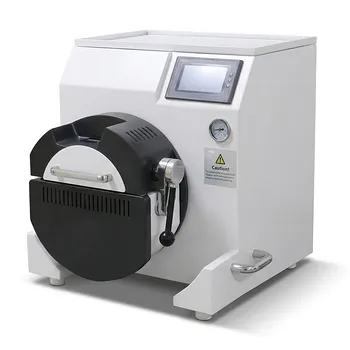
Desktop Induction Melting Furnace with Automatic Rotary Casting Function up to 1700C for Advanced Metal Alloy Research
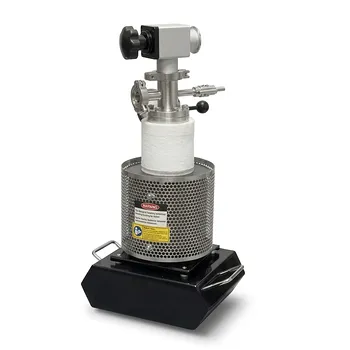
High Temperature 1100C Compact Top Loading Vertical Vacuum Tube Furnace for High Vacuum Noble Metal Melting and Material Research
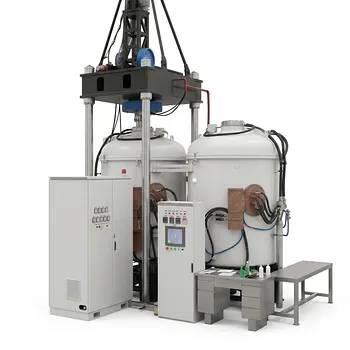
High Pressure 600T Vacuum Induction Hot Press Furnace for Advanced Material Heat Treatment and Sintering
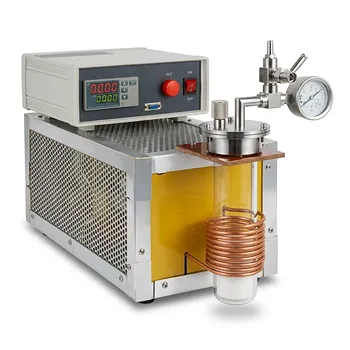
High Temperature Mini Induction Heating Furnace 1600C Laboratory Material Melting System
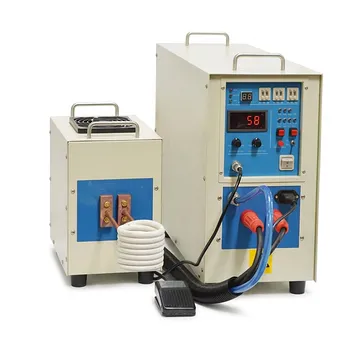
High Frequency Desktop Induction Heater 15 KVA Induction Heating System with Automatic Timer Control for Material Research and Metal Melting
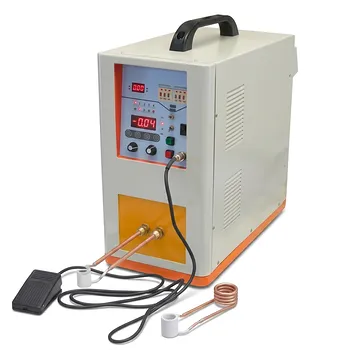
Desktop High Frequency Induction Heater for Precision Metal Melting and Laboratory Thermal Processing 0.6 to 1.1MHz
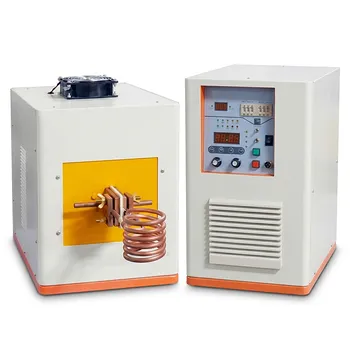
30KW High Frequency Induction Heater for Metal Melting and Industrial Heat Treatment 80-200kHz