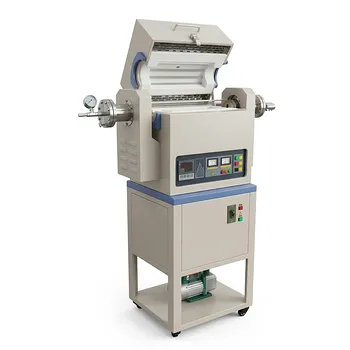
What are the advantages of using an Electric Rotary Kiln compared to a static box furnace? Optimize Pilot Consistency
Updated 3 months ago
The transition from laboratory research to industrial pilot production hinges on the ability to maintain precise material properties at scale. For lithium battery cathode materials and catalysts, an electric rotary kiln provides a dynamic heating environment that eliminates the thermal gradients and stagnant atmospheres inherent in static box furnaces. This results in significantly higher phase purity, uniform chemical composition, and a predictable thermal history for every particle in the batch.
Core Takeaway: Electric rotary kilns provide superior material consistency and production efficiency by using mechanical rotation to ensure uniform heat transfer and atmosphere exposure, effectively overcoming the mass-transfer limitations of static sintering.
Enhancing Material Consistency through Dynamic Heating
Superior Heat and Mass Transfer
The continuous rotation of the furnace tube causes powder or granular materials to constantly tumble and mix. This motion ensures that every particle is frequently exposed to the high-temperature zone and the reaction atmosphere, rather than being buried in a static bed.
Elimination of Thermal Gradients
In a static box furnace, material at the center of a crucible often experiences a different temperature profile than material at the edges. The rotary kiln's tumbling action equilibrates these temperature differences, preventing localized overheating and ensuring that the entire batch reaches the required reaction equilibrium simultaneously.
Improved Phase Purity and Uniformity
For lithium battery cathodes, achieving a specific crystalline phase is critical for performance. The dynamic environment of a rotary kiln promotes thorough contact between solid precursors and gases, leading to higher phase purity and more uniform chemical properties across the entire production run.
Scaling Production with Continuous Workflows
Transition from Batch to Continuous Processing
Unlike box furnaces, which require cooling and manual unloading between batches, electric rotary kilns support continuous feeding and discharging. This shift significantly increases production throughput and reduces the downtime associated with traditional thermal cycles.
Consistent Thermal History
In an industrial pilot stage, reproducibility is the primary goal. Because material moves through the kiln at a controlled rate, every unit of catalyst or cathode material shares an identical thermal history, eliminating the batch-to-batch variations common in static heating methods.
Simplified Off-Gas Management
The design of an electric rotary kiln allows for more efficient control over the reaction atmosphere. Because there are no combustion residues or ash, the off-gas treatment is simplified, making it easier to manage the volatile byproducts often released during the calcination of battery materials.
Understanding the Trade-offs
Mechanical Complexity and Material Attrition
The primary drawback of a rotary kiln is the mechanical wear on moving parts, which requires a more robust initial engineering design compared to a simple box furnace. Additionally, the constant tumbling of materials can lead to particle attrition or dusting, which may be undesirable for certain fragile catalyst structures.
Initial Capital Investment
The sophisticated control systems and rotating mechanisms often result in a higher initial purchase price than static furnaces of a similar volume. However, this is typically offset by the 25-year service life and significantly lower long-term maintenance costs associated with electric heating elements.
Making the Right Choice for Your Goal
How to Apply This to Your Project
Successful pilot production requires matching the furnace technology to the specific physical requirements of your material.
- If your primary focus is phase purity and chemical uniformity: Use an electric rotary kiln to ensure that the material is constantly refreshed and exposed to a uniform reaction atmosphere.
- If your primary focus is high-volume throughput and scalability: Transition to a continuous rotary kiln to eliminate the inefficiencies and quality variations found in batch-based box furnaces.
- If your primary focus is minimizing particle breakage or dust: Evaluate the tumbling speed and kiln tilt carefully, as a static box furnace may be preferable for materials that are extremely prone to mechanical degradation.
The adoption of electric rotary technology represents a critical step in de-risking the move from benchtop experimentation to full-scale industrial manufacturing.
Summary Table:
| Feature | Electric Rotary Kiln | Static Box Furnace |
|---|---|---|
| Heating Environment | Dynamic (Continuous Tumbling) | Static (Stationary Bed) |
| Thermal Gradients | Minimal; Uniform Heat Transfer | High; Potential Cold Spots |
| Material Consistency | High Phase Purity & Uniformity | Variable; Batch-to-Batch Shifts |
| Production Flow | Continuous Feeding/Discharge | Batch Processing (Stop/Start) |
| Scale-up Efficiency | High; Ideal for Industrial Pilots | Low; Limited by Manual Loading |
Scale Your Production with THERMUNITS Thermal Expertise
Transitioning from lab research to industrial manufacturing requires precision and reliability. THERMUNITS is a leading manufacturer of high-temperature laboratory equipment for material science and industrial R&D. We offer a comprehensive range of thermal processing solutions designed to meet the rigorous demands of lithium battery and catalyst production.
Our expertise covers a wide array of advanced equipment, including:
- Electric Rotary Kilns for continuous material processing
- Muffle, Vacuum, and Atmosphere Furnaces
- Tube and Hot Press Furnaces
- CVD/PECVD Systems and Vacuum Induction Melting (VIM) Furnaces
- Dental Furnaces and high-quality Thermal Elements
Ensure your materials achieve the highest phase purity and thermal consistency. Contact us today to discuss your specific heat treatment requirements!
References
- Yejin Song, Jeong Young Park. Reversibility in Structural Dynamics on Pt−Ni Bimetallic Nanocrystals under Redox Conditions. DOI: 10.1002/cctc.202401082
Mentioned Products
- Electric Rotary Kiln Continuous Working Small Rotary Furnace Heating Pyrolysis Plant
- Electric Rotary Kiln Small Rotary Furnace for Activated Carbon Regeneration
- Electric Rotary Kiln Small Rotary Furnace Biomass Pyrolysis Plant
- 900°C Max Rotary Tube Furnace with 8 Inch 310S Alloy Tube and Optional Multi Zone Heating for Industrial Material Calcination
- High Temperature Tilting Rotary Tube Furnace with Integrated Mass Flow Control and Multi Zone Heating
People Also Ask
- What thermal efficiency can be expected from an electric rotary kiln compared to fuel-fired alternatives? Gain 95% efficiency.
- How does the use of an electric rotary kiln facilitate CO2 capture in cement and lime production? Achieve High-Purity CCUS
- What are the maintenance and service life advantages of an electric rotary kiln? 25+ Year Longevity & Low Maintenance
- How does the electric rotary kiln support environmental compliance and sustainability? Achieve Zero-Emission Production
- What are the primary components and heating mechanisms of an electric rotary kiln? Optimize High-Purity Heat Treatment

Tech Team · ThermUnits
Last updated on Jun 02, 2026
Related Products
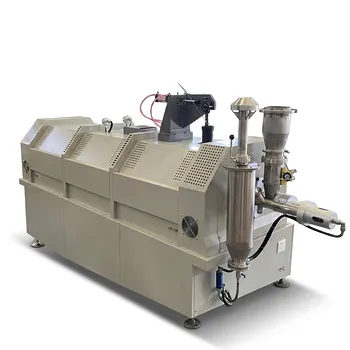
Electric Rotary Kiln Continuous Working Small Rotary Furnace Heating Pyrolysis Plant
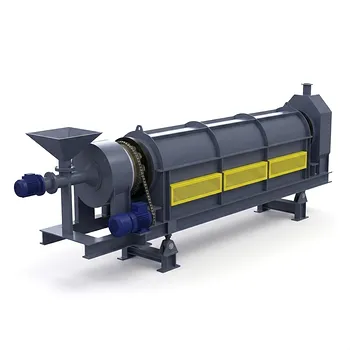
Electric Rotary Kiln Small Rotary Furnace for Activated Carbon Regeneration
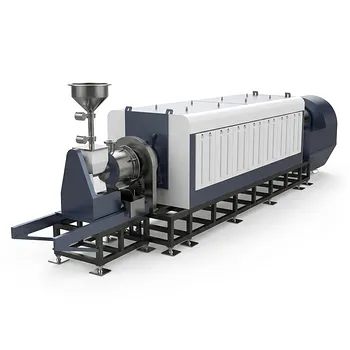
Electric Rotary Kiln Small Rotary Furnace Biomass Pyrolysis Plant
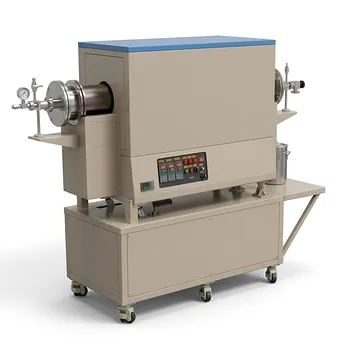
900°C Max Rotary Tube Furnace with 8 Inch 310S Alloy Tube and Optional Multi Zone Heating for Industrial Material Calcination
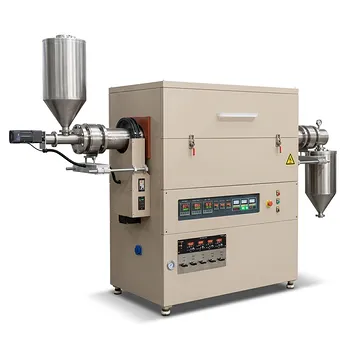
High Temperature Tilting Rotary Tube Furnace with Integrated Mass Flow Control and Multi Zone Heating
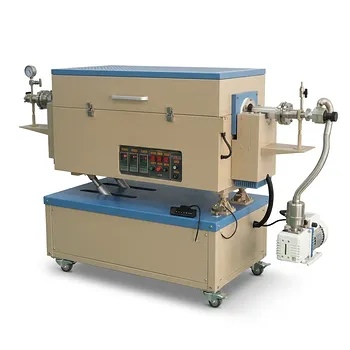
Three Zone Rotary Tube Furnace for High Temperature Powder Processing and Material Research
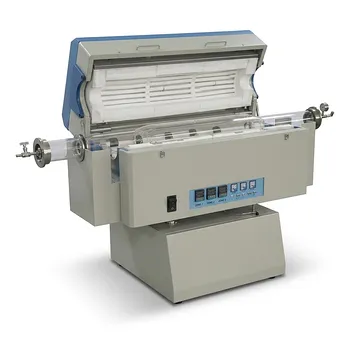
Large Three Temperature Zone Rotating Tube Furnace for High Uniformity Material Sintering
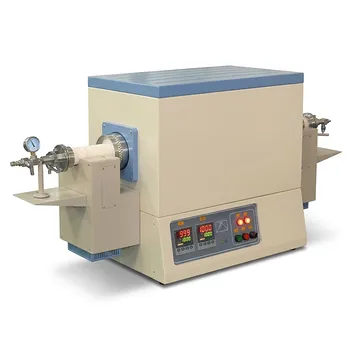
High Temperature 1700C Dual Zone Rotary Tube Furnace with 60mm Alumina Tube and Precision Rotation Control
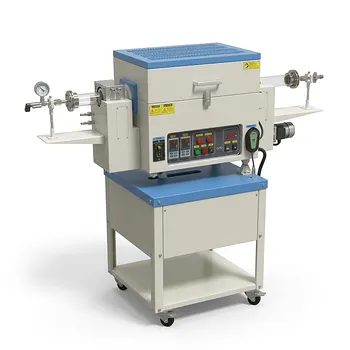
4 Inch Two Zone Rotary CVD Tube Furnace for High Temperature Battery Material Synthesis and Advanced Material Calcination
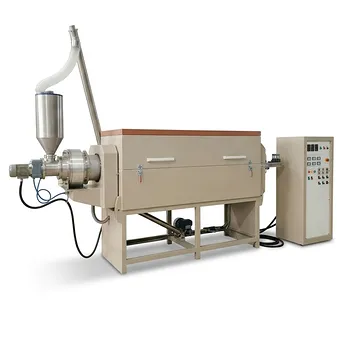
Continuous Feeding Rotary Tube Furnace for Industrial Powder Heat Treatment and Material Research
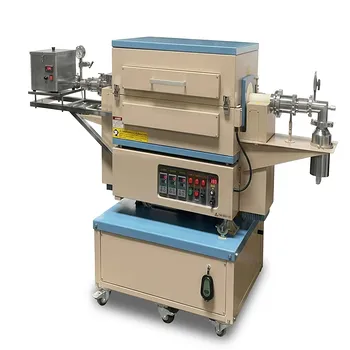
1500C 3-Zone Rotary Tube Furnace 60mm with Automatic Powder Feeding and Receiving System for Continuous Material Synthesis
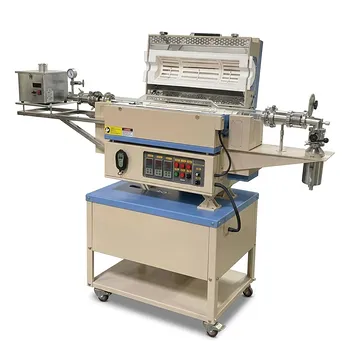
5 Inch Rotary Tube Furnace with Automatic Feeding and Receiving System 1200C Three Zone CVD Powder Processing
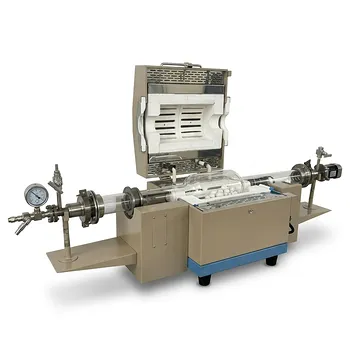
High Temperature Rotary Tube Furnace with Integrated Ball Milling and Gas Flow Function for Powder Nitriding

Vertical 1700C Vacuum and Atmosphere Tube Furnace with 80mm Alumina Tube
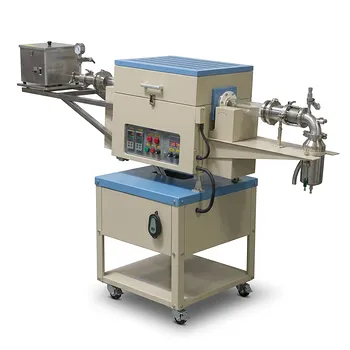
Two Zone Rotary CVD Furnace with Automatic Feeding and Receiving System for Powder Processing
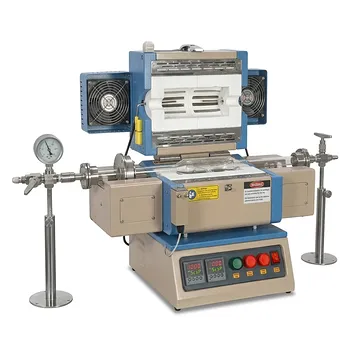
Dual Zone Rotary Tube Furnace for Uniform Powder Calcination 1000C 2 Inch Quartz Tube
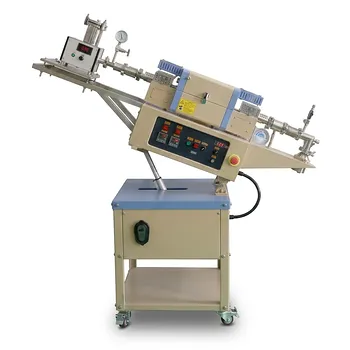
1100°C Dual Zone Rotary Tube Furnace with Automatic Feeding and Collection System for Continuous Powder Processing
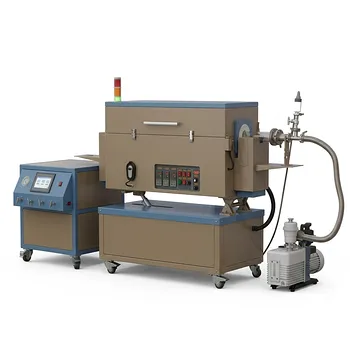
5 Inch Three Zone Rotary Tube Furnace with Integrated Gas Delivery System and 1200C Capability for Advanced Material CVD Processing
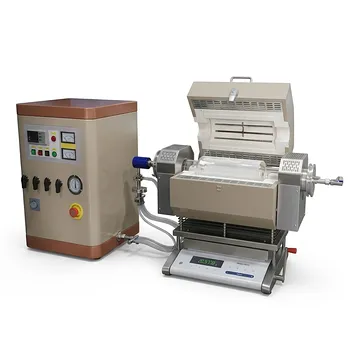
Mini Rotary Tubular Furnaces for Precision Powder Heat Treatment and Thermogravimetric Analysis