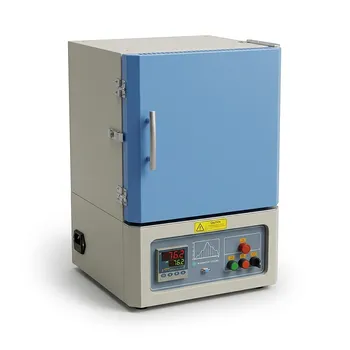
What are the benefits of using thick-film and etched-foil thermal elements in complex geometries? High-Precision Heating.
Updated 5 months ago
Thick-film and etched-foil thermal elements are the premier solution for heating complex geometries because they can be manufactured in low-profile, custom patterns that conform to irregular or curved surfaces. Unlike traditional heating components, these technologies offer high power density and exceptionally low thermal mass, enabling rapid response times and the ability to create precise, zoned heating environments in confined spaces.
Thick-film and etched-foil elements solve the "fitment vs. performance" dilemma by integrating high-density heating directly onto non-linear surfaces. This allows for superior thermal control and uniformity in mission-critical applications where traditional heaters are too bulky or inflexible.
Overcoming Geometric and Spatial Constraints
Conformal Design for Irregular Surfaces
These elements are manufactured in custom patterns that allow them to be applied directly to curved or irregular geometries. This ensures maximum surface contact, which is essential for efficient heat transfer and preventing "hot spots" that occur when heaters do not sit flush against a substrate.
Low-Profile Integration
The thin-film and etched-foil construction results in an extremely low profile, making them ideal for modern designs where space is at a premium. By minimizing the physical footprint of the heater, engineers can reduce the overall size of the assembly without sacrificing thermal output.
Maximizing Thermal Efficiency and Control
Rapid Thermal Response Times
Because these elements have low thermal mass, they heat up and cool down significantly faster than traditional coil or cartridge heaters. This agility allows for tighter control loops and more efficient energy usage, as the system does not need to overcome the inertia of a heavy heating element.
Precision Zoned Heating
The manufacturing process allows for the creation of independent heating zones within a single element. This is critical for applications that require different temperatures across a single surface to compensate for varied heat loss or specific process requirements.
Critical Applications in High-Stakes Industries
Consistency in Plastic Injection Molding
Maintaining a uniform melt temperature is vital for part quality in plastic injection molds. These thermal elements allow for precise heat application within the mold's complex internal channels, ensuring consistent flow and reducing material waste.
Reliable Aerospace De-Icing
In aerospace, consistent warmth is a safety requirement for de-icing applications on wings and sensors. The ability to provide high power density in a lightweight, conformal package ensures that critical flight surfaces remain clear of ice in extreme conditions.
Navigating the Trade-offs of Advanced Thermal Elements
Manufacturing Complexity and Initial Cost
While these elements offer superior performance, the initial design and tooling costs are often higher than off-the-shelf alternatives. The customization required for complex geometries means these solutions are best suited for high-performance or high-volume applications where precision is non-negotiable.
Durability and Environmental Protection
Because these elements are thin, they can be more susceptible to mechanical damage or environmental degradation if not properly encapsulated. Engineers must ensure that the dielectric layers and outer coatings are compatible with the operating environment, such as exposure to chemicals or high-pressure cleaning.
Selecting the Right Technology for Your Application
To determine if thick-film or etched-foil is the right choice for your project, consider your primary performance driver.
- If your primary focus is rapid cycle times: Prioritize these elements for their low thermal mass and high power density, which allow for nearly instantaneous temperature adjustments.
- If your primary focus is space-constrained design: Utilize the low-profile nature of these heaters to integrate thermal management into assemblies where traditional heaters simply will not fit.
- If your primary focus is temperature uniformity: Leverage custom-patterned zoned heating to eliminate cold spots and maintain a precise thermal profile across irregular surfaces.
Choosing the right thermal element transforms heating from a bulky design hurdle into a precise, integrated advantage for your system.
Summary Table:
| Feature | Benefit | Advantage |
|---|---|---|
| Conformal Design | Fits irregular/curved surfaces | Ensures uniform heat transfer and zero hot spots |
| Low Thermal Mass | Rapid heating and cooling cycles | Enables fast thermal response and tighter control |
| Zoned Heating | Independent temperature zones | Compensates for varied heat loss across surfaces |
| Low Profile | Ultra-thin construction | Ideal for space-constrained, modern assemblies |
Elevate Your Thermal Research with THERMUNITS
As a leading manufacturer of high-temperature laboratory equipment, THERMUNITS empowers material science and industrial R&D professionals with precision heat treatment solutions. Whether you require advanced thermal elements or complete systems like Muffle, Vacuum, Atmosphere, Tube, or Hot Press furnaces, we provide the expertise to optimize your complex heating processes.
From CVD/PECVD systems and Dental Furnaces to vacuum induction melting (VIM) and electric rotary kilns, our comprehensive range of thermal processing solutions ensures your lab achieves superior results with maximum efficiency.
Ready to solve your most challenging thermal designs?
Contact THERMUNITS today to discuss your custom heating requirements!
Mentioned Products
- Molybdenum Disilicide MoSi2 Thermal Elements Electric Furnace Heating Element High Temperature Resistance
- Silicon Carbide SiC Thermal Heating Elements for Industrial Electric Furnaces
- High Temperature 800C Rapid Thermal Processing Furnace with Rotating Sample Holder for Close Spaced Sublimation and Thin Film Solar Cell Research
- 1000°C Seven Zones Conveyor Belt Furnace with Multi Zone Temperature Control 150mm Width 2000mm Heating Length
- 950C Rapid Thermal Processing Furnace for 12 Inch Wafer CSS Coating with Rotating Substrate Holder
People Also Ask
- What role do MoSi2 heating elements play in high-temperature smelting? Precision for Ferronickel & Slag Research
- Why is the selection of high-performance thermal elements critical for high-temperature testing? Ensure Data Integrity.
- How do electric thermal elements compare to combustion-based heating systems? Maximize Your Lab's Energy Efficiency
- What are the primary functions of an electric resistance furnace? Enhancing Precision in Industrial Thermal Processing
- How do optimized control schemes for electric resistance furnaces ensure accuracy? Enhance Heat Treatment Stability.

Tech Team · ThermUnits
Last updated on Apr 14, 2026
Related Products
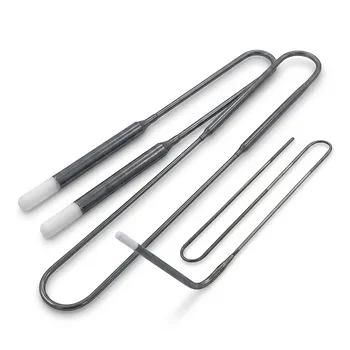
Molybdenum Disilicide MoSi2 Thermal Elements Electric Furnace Heating Element High Temperature Resistance
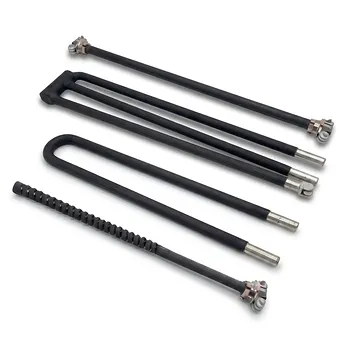
Silicon Carbide SiC Thermal Heating Elements for Industrial Electric Furnaces
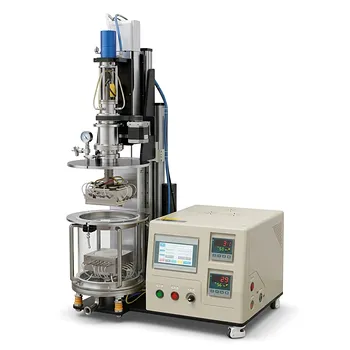
High Temperature 800C Rapid Thermal Processing Furnace with Rotating Sample Holder for Close Spaced Sublimation and Thin Film Solar Cell Research
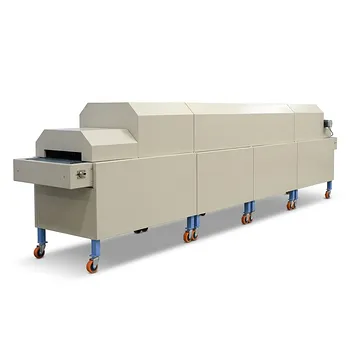
1000°C Seven Zones Conveyor Belt Furnace with Multi Zone Temperature Control 150mm Width 2000mm Heating Length
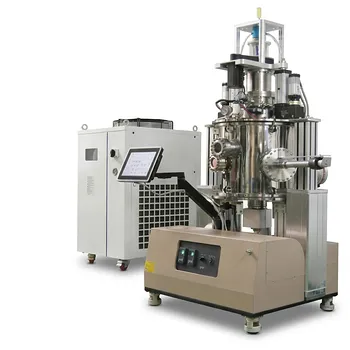
950C Rapid Thermal Processing Furnace for 12 Inch Wafer CSS Coating with Rotating Substrate Holder
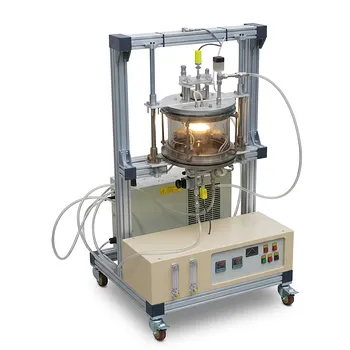
Two Zones CSS Furnace for Rapid Thermal Processing Thin Film Coating 3 Inch Diameter 650C
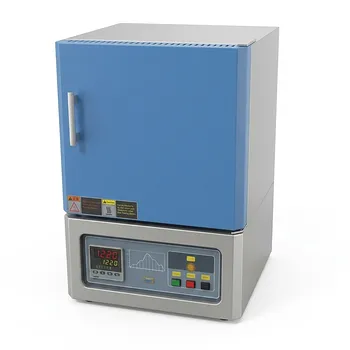
High Temperature Benchtop Muffle Furnace 1700C 10L Chamber Alumina Fiber Insulation MoSi2 Heating Elements