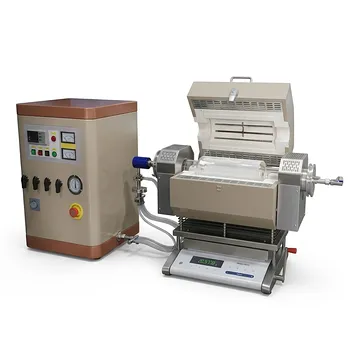
What are the performance benefits of tilting rotary furnaces in non-ferrous metal recycling? Boost Recovery & Efficiency
Updated 5 months ago
The performance benefits of tilting rotary furnaces center on significantly higher metal recovery rates and a dramatic reduction in operational cycle times. By combining continuous rotation with a versatile tilting mechanism, these furnaces achieve recovery rates of up to 91% and cut processing times by approximately 50% compared to traditional methods.
Tilting rotary furnaces transform recycling efficiency by utilizing mechanical tumbling to minimize oxidation and a tilting design to automate material discharge. This combination maximizes the yield from contaminated scraps while reducing manual labor and energy consumption.
Maximizing Metal Yield and Quality
The Impact of Continuous Rotation
The constant rotation of the furnace drum induces a tumbling effect on the molten metal and scrap. This movement is critical because it prevents the metal from stagnating, which significantly reduces oxidation and ensures the highest possible recovery from the feed.
Uniform Heat Distribution
As the material tumbles, it is exposed to uniform heating throughout the entire melt. This consistency prevents "cold spots" and ensures that the energy from the burner is absorbed evenly, leading to a more predictable and high-quality final product.
Direct Energy Transfer
These furnaces utilize direct flame-to-material contact, which is the most efficient method for heat transfer in metal recycling. This design minimizes thermal loss, ensuring that the energy consumed is used primarily for melting rather than heating the furnace structure itself.
Accelerating Production Cycles
Drastic Reduction in Processing Time
The ability to tilt the furnace while it is in operation or during the charging phase allows for much faster material handling. This mechanical advantage is the primary driver behind the 50% reduction in cycle times, allowing facilities to process more batches per shift.
Automated Discharge Mechanics
Modern tilting designs often incorporate a pneumatic jack or hydraulic system to change the incline of the reactor body smoothly. This allows for the automatic discharge of finished metal and slag, removing the need for slow, manual raking or specialized tapping procedures.
Streamlined Large-Scale Production
By simplifying the unloading process, tilting furnaces are better suited for large-scale continuous production. The reduction in manual intervention not only speeds up the transition between batches but also significantly lowers the intensity of manual labor.
Versatility in Feedstock Handling
Processing Contaminated Scraps
Tilting rotary furnaces are exceptionally versatile, capable of processing "difficult" materials like dross, skimmings, and used batteries. The mechanical action helps separate non-metallic contaminants from the valuable metal more effectively than static furnaces.
Flexibility for Mixed Feeds
These units handle mixed or contaminated feeds without a significant drop in efficiency. This allows recyclers to accept lower-grade materials that would be uneconomical or technically impossible to process in other furnace types.
Enhanced Operator Safety
The tilting mechanism allows for a more controlled Pouring and charging process, which minimizes manual intervention. By keeping operators at a distance from the molten metal during discharge, the furnace inherently reduces the risk of workplace accidents.
Understanding the Trade-offs
Maintenance of Moving Parts
The very feature that provides the benefit—the tilting and rotating mechanism—requires a rigorous maintenance schedule. Bearings, rollers, and hydraulic or pneumatic tilt systems are subject to extreme heat and load, leading to higher mechanical upkeep compared to stationary furnaces.
Refractory Wear Considerations
The constant tumbling of heavy scrap and dross can lead to accelerated wear on the internal refractory lining. Choosing the right lining material is a critical balance between thermal insulation and mechanical durability.
Initial Capital Expenditure
Tilting rotary furnaces generally require a higher initial investment than traditional reverberatory furnaces. While the ROI is usually rapid due to increased yield and speed, the upfront cost and infrastructure for the tilting supports must be factored into the project budget.
How to Apply This to Your Project
If you are evaluating a furnace upgrade for non-ferrous recycling, your choice should align with your specific production bottlenecks and material types.
- If your primary focus is maximizing yield from dross: A tilting rotary furnace is the definitive choice, as its tumbling action is specifically designed to recover the highest percentage of metal from low-grade skimmings.
- If your primary focus is increasing throughput velocity: The 50% reduction in cycle time offered by the tilting discharge mechanism will allow you to scale volume without adding additional furnace units.
- If your primary focus is reducing labor costs and risk: Moving to a tilting design with automated discharge will significantly lower your reliance on manual slagging and improve overall facility safety.
By integrating mechanical rotation with a flexible tilting geometry, you can transform recycling operations from a high-waste process into a high-yield, automated production line.
Summary Table:
| Feature | Performance Impact | Key Advantage |
|---|---|---|
| Continuous Rotation | Induces tumbling effect | Reduces oxidation; 91% recovery rate |
| Tilting Mechanism | Automated material discharge | Cuts processing/cycle times by 50% |
| Direct Heat Transfer | Uniform energy absorption | Minimizes thermal loss & energy waste |
| Mechanical Versatility | Handles dross, scrap & batteries | Processes contaminated feeds efficiently |
| Hydraulic/Pneumatic Tilt | Controlled pouring process | Enhances operator safety & reduces labor |
Upgrade Your Recycling Efficiency with THERMUNITS
As a global leader in high-temperature laboratory equipment for material science, THERMUNITS delivers the precision and durability required for advanced industrial R&D. Our extensive range of thermal solutions—including Rotary Kilns, Vacuum Induction Melting (VIM) Furnaces, Muffle, Atmosphere, and Hot Press Furnaces—is engineered to maximize yield while minimizing operational costs.
Ready to transform your recycling operations into a high-yield, automated production line? Our experts are here to help you select the perfect heat treatment equipment for your specific application.
Contact our technical team today to get a quote
Mentioned Products
- High Temperature Rotary Tilt Tubular Furnaces for Advanced Powder Sintering and Material Processing
- Laboratory Tilting Rotary Tubular Furnaces for Material Science and Industrial Heat Treatment
- High Temperature Tilting Rotary Tubular Furnace for Continuous Powder Thermal Processing and Controlled Atmosphere Sintering
- High Temperature Tilting Rotary Tube Furnace with Integrated Mass Flow Control and Multi Zone Heating
- Three Temperature Zone Rotating Tube Furnace for Material Sintering and Controlled Atmospheric Heat Treatment
People Also Ask
- How does a rotary tube furnace improve the processing of granular materials? Enhance Uniformity and Reaction Kinetics
- What parameters must operators control to maintain product quality in a rotary furnace? Master Your Heat Treatment.
- What are the typical operating temperature ranges and mechanical specifications for rotary furnaces? A Complete Guide
- How does the rotation speed of a rotary furnace affect the material processing? Optimize Residence Time & Heat Uniformity
- How do rotary furnaces contribute to effective hazardous waste management and thermal treatment? - High Efficiency Solutions

Tech Team · ThermUnits
Last updated on Apr 14, 2026
Related Products
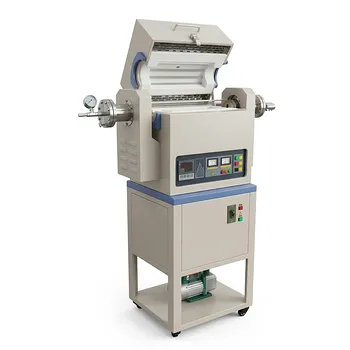
High Temperature Rotary Tilt Tubular Furnaces for Advanced Powder Sintering and Material Processing
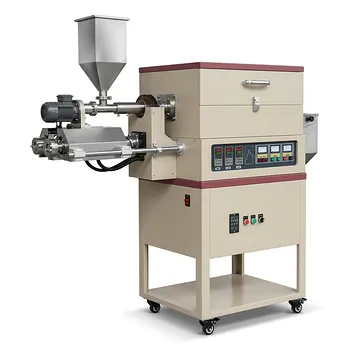
Laboratory Tilting Rotary Tubular Furnaces for Material Science and Industrial Heat Treatment
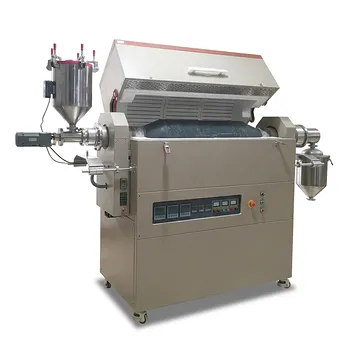
High Temperature Tilting Rotary Tubular Furnace for Continuous Powder Thermal Processing and Controlled Atmosphere Sintering
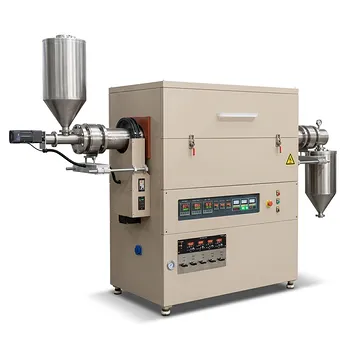
High Temperature Tilting Rotary Tube Furnace with Integrated Mass Flow Control and Multi Zone Heating
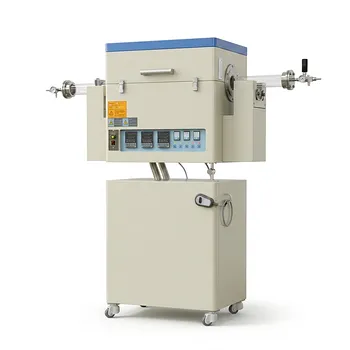
Three Temperature Zone Rotating Tube Furnace for Material Sintering and Controlled Atmospheric Heat Treatment
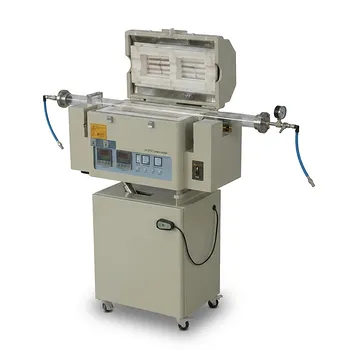
Double Temperature Revolving Tube Furnace with Precision Rotation and Adjustable Inclination for Advanced Material Research
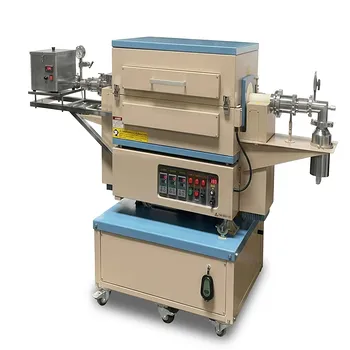
1500C 3-Zone Rotary Tube Furnace 60mm with Automatic Powder Feeding and Receiving System for Continuous Material Synthesis
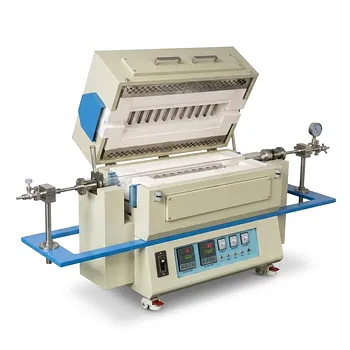
High Temperature Dual Zone Rotating Tube Furnace 1500C Silicon Carbide Heating for Advanced Material Synthesis
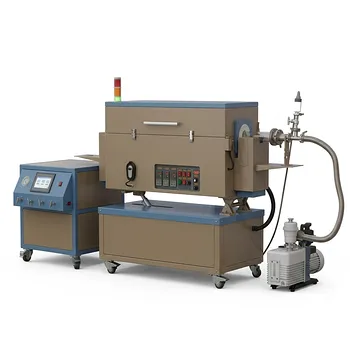
5 Inch Three Zone Rotary Tube Furnace with Integrated Gas Delivery System and 1200C Capability for Advanced Material CVD Processing
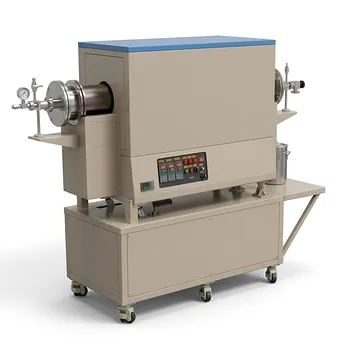
900°C Max Rotary Tube Furnace with 8 Inch 310S Alloy Tube and Optional Multi Zone Heating for Industrial Material Calcination
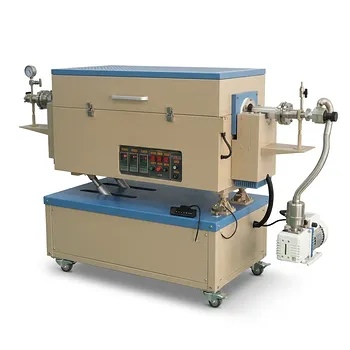
Three Zone Rotary Tube Furnace for High Temperature Powder Processing and Material Research
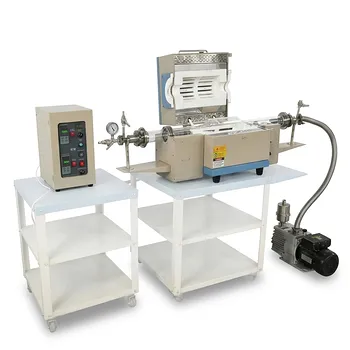
Two Zone Rotary Tube Furnace for Powder CVD Coating and Core Shell Material Synthesis 1100C
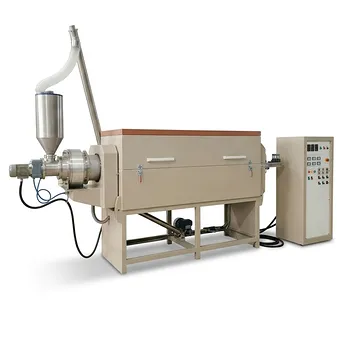
Continuous Feeding Rotary Tube Furnace for Industrial Powder Heat Treatment and Material Research
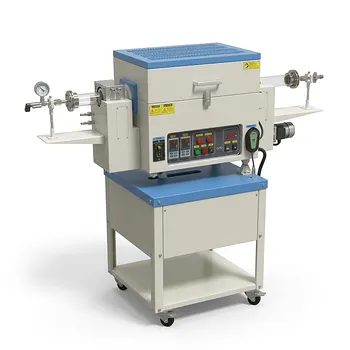
4 Inch Two Zone Rotary CVD Tube Furnace for High Temperature Battery Material Synthesis and Advanced Material Calcination
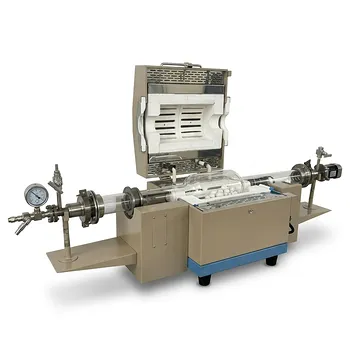
High Temperature Rotary Tube Furnace with Integrated Ball Milling and Gas Flow Function for Powder Nitriding
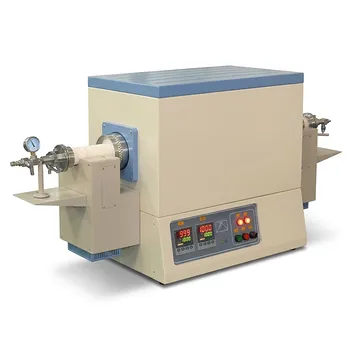
High Temperature 1700C Dual Zone Rotary Tube Furnace with 60mm Alumina Tube and Precision Rotation Control
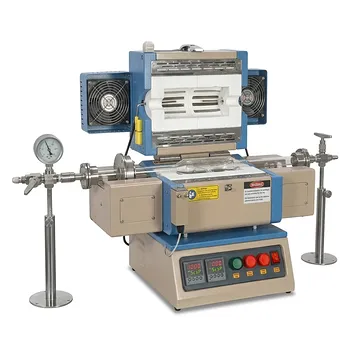
Dual Zone Rotary Tube Furnace for Uniform Powder Calcination 1000C 2 Inch Quartz Tube
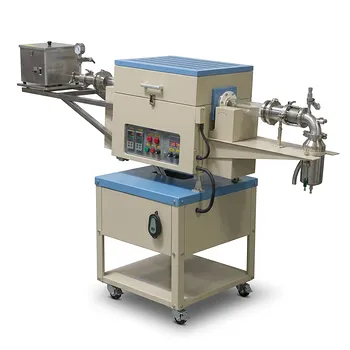
Two Zone Rotary CVD Furnace with Automatic Feeding and Receiving System for Powder Processing
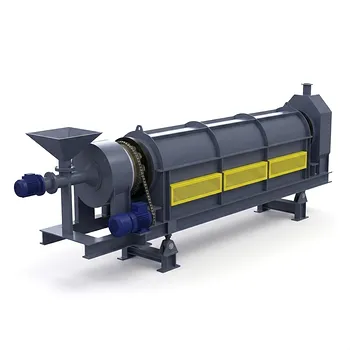
Electric Rotary Kiln Small Rotary Furnace for Activated Carbon Regeneration