Describe the typical operational sequence of a VIM furnace cycle? Master Ultra-High Purity Alloy Production
Updated 5 months ago
The Vacuum Induction Melting (VIM) furnace cycle is a high-precision metallurgical process used to produce ultra-high-purity alloys. It follows a systematic sequence of charging, evacuation, controlled melting, and electromagnetic refining to eliminate atmospheric contamination. This cycle allows for the precise removal of dissolved gases and trace impurities while maintaining exact chemical composition for high-value materials.
The VIM cycle leverages a vacuum environment and electromagnetic stirring to refine metal at a molecular level, removing harmful gases and volatile impurities. Success depends on balancing the speed of the melt with the physical limitations of the refractory lining and the evaporation rates of specific alloying elements.
Preparation and System Sealing
The Charging Phase
The cycle begins by loading high-purity raw materials into a refractory crucible. In semi-continuous systems, this is often handled through vacuum locks to maintain the integrity of the primary chamber.
Achieving the Vacuum Environment
Once the crucible is charged, the furnace chamber is sealed and evacuated to a target vacuum level. This removal of air prevents oxidation and allows for the subsequent extraction of dissolved gases from the molten metal.
The Thermal and Refining Phase
Gradual Melting and Thermal Management
Power is applied to the induction coils gradually to initiate the melting process. This slow ramp-up is critical to avoid thermal shock to the refractory lining, which could lead to premature failure or contamination of the melt.
Electromagnetic Stirring and Refining
Once the metal reaches a molten state, electromagnetic stirring (EMS) becomes the primary mechanism for refining. This stirring action eliminates temperature gradients and ensures a homogenous chemical composition throughout the melt.
Mass Transfer and Gas Removal
The intense stirring action increases the mass transfer rate of solute elements to the surface of the melt. Under vacuum conditions, this accelerates the evaporation of unwanted impurities like copper and tin and facilitates the removal of dissolved gases like hydrogen and nitrogen.
Final Alloying and Sampling
During the holding period, late alloying additions are made to fine-tune the material's properties. Operators take molten samples to verify the precise composition before the final pour, ensuring the heat meets strict technical specifications.
Pouring and Cycle Completion
Casting and Mold Management
The refined melt is poured into molds via a preheated tundish, which helps control the flow and prevents temperature loss. This stage is performed under vacuum or a controlled atmosphere to maintain the purity achieved during the refining phase.
Cooling and System Reset
After pouring, the system undergoes a cooling period or is immediately reset for the next heat cycle. This includes inspecting the crucible for wear and preparing the charging mechanism for the subsequent batch.
Understanding the Trade-offs
Refractory Interaction
While the vacuum removes external contaminants, the molten metal can react with the crucible's refractory lining. Over-stirring or excessive holding times can increase oxygen pickup or cause ceramic inclusions to enter the melt.
Volatile Element Loss
The vacuum environment that removes impurities also risks the evaporation of intentional alloying elements with high vapor pressures, such as manganese or chromium. Careful timing and pressure control are required to maintain the desired alloy balance.
Throughput vs. Purity
Achieving ultra-low gas levels requires extended holding times under deep vacuum, which reduces overall furnace throughput. Operators must balance the required purity level against the economic costs of longer cycle times.
How to Apply This to Your Project
Making the Right Choice for Your Goal
- If your primary focus is gas removal: Extend the holding period and maximize electromagnetic stirring to ensure dissolved gases reach the melt surface for extraction.
- If your primary focus is refractory longevity: Utilize a gradual power ramp-up and avoid excessive superheating to minimize chemical and mechanical wear on the crucible.
- If your primary focus is precise chemistry: Add volatile alloying elements late in the cycle and use vacuum locks for sampling to ensure the final composition is verified before pouring.
By mastering the transition between the vacuum-driven refining and the induction-driven stirring, you can produce materials that meet the most demanding aerospace and electronic standards.
Summary Table:
| Stage | Key Activity | Primary Objective |
|---|---|---|
| Preparation | Charging & Evacuation | Prevent oxidation and remove atmospheric air |
| Melting | Gradual Power Ramp-up | Avoid refractory thermal shock while liquefying metal |
| Refining | Electromagnetic Stirring (EMS) | Homogenize composition and degas (H2, N2) |
| Alloying | Sampling & Additions | Finalize precise chemical specs under vacuum |
| Casting | Controlled Pouring | Maintain purity during transfer to molds |
Elevate Your Material Research with THERMUNITS Precision Furnaces
Achieving uncompromising purity in material science requires advanced thermal technology. THERMUNITS is a leading manufacturer of high-performance laboratory equipment, providing the tools you need for sophisticated industrial R&D.
Whether you are scaling up a Vacuum Induction Melting (VIM) process or need specialized Muffle, Vacuum, Atmosphere, Tube, Rotary, or Hot Press furnaces, our solutions offer unmatched temperature control and durability. We also provide cutting-edge CVD/PECVD systems, Dental Furnaces, and high-quality Thermal Elements tailored to your specific heat treatment requirements.
Ready to optimize your metallurgical workflow? Contact our expert engineering team today to discuss how THERMUNITS can provide the perfect thermal processing solution for your laboratory or production line.
Mentioned Products
- 1900C Maximum High Temperature 7KW Vacuum Induction Melting System with 60mm Quartz Tube and Manual Temperature Control for Metallic Alloy Research
- Induction Melting Casting Furnace 1750C Vacuum High Frequency Metal Processing Unit
- Atmosphere Controlled Induction Melting Granulating Casting Furnace 1500C 5kg Capacity
- High Temperature Induction Melting System with Integrated Ultra High Purity Glove Box for Metallic Alloy Processing
- Atmosphere Controlled Induction Melting Casting System 1600C 10L Capacity
People Also Ask
- What is the primary role of a Vacuum Induction Melting furnace in the smelting of Fe-Cr-N alloys? Ensuring High Purity
- How does a Vacuum Induction Melting furnace heat materials while preventing atmospheric contamination? Achieve High Purity
- What are the key structural components that make up a Vacuum Induction Melting (VIM) furnace system? Full Guide
- How does the skin effect influence VIM frequency selection? Optimize Heat Penetration & Stirring Efficiency
- What technical advantages does Vacuum Induction Melting offer regarding alloy homogeneity and purity? Enhance Performance

Tech Team · ThermUnits
Last updated on Apr 14, 2026
Related Products
1900C Maximum High Temperature 7KW Vacuum Induction Melting System with 60mm Quartz Tube and Manual Temperature Control for Metallic Alloy Research
Induction Melting Casting Furnace 1750C Vacuum High Frequency Metal Processing Unit
Atmosphere Controlled Induction Melting Granulating Casting Furnace 1500C 5kg Capacity
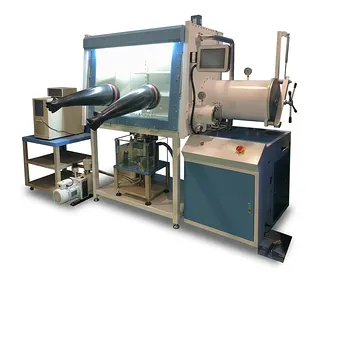
High Temperature Induction Melting System with Integrated Ultra High Purity Glove Box for Metallic Alloy Processing
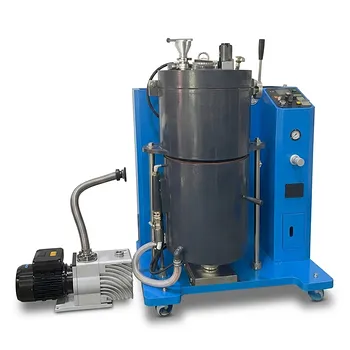
Atmosphere Controlled Induction Melting Casting System 1600C 10L Capacity
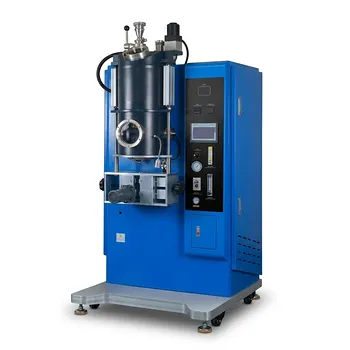
Atmosphere Controlled Continuous Casting Furnace with Secondary Charge Function for Induction Melting and Metal Alloy Wire Production
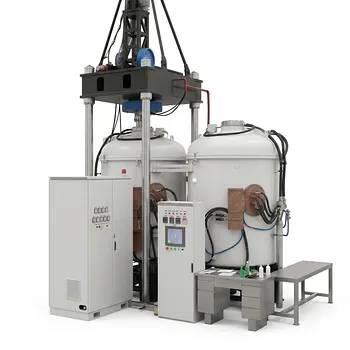
High Pressure 600T Vacuum Induction Hot Press Furnace for Advanced Material Heat Treatment and Sintering
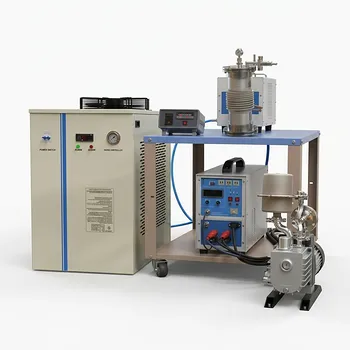
Induction Heating System with Temperature Control for High Temperature Vacuum Sintering and Melting
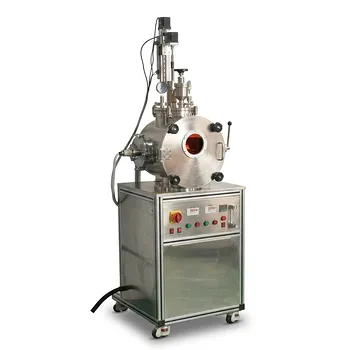
High Vacuum Melting Casting Furnace with Mechanical Stirring and Secondary Charge for Metallic Alloy Research
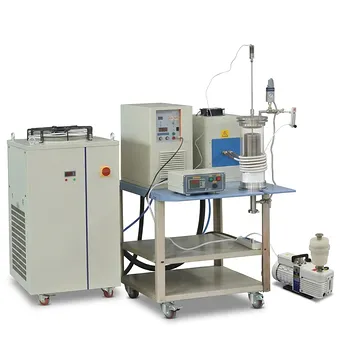
High Temperature Induction Melting System with Multi Cavity Crucible and 15KW Precision Digital Temperature Control
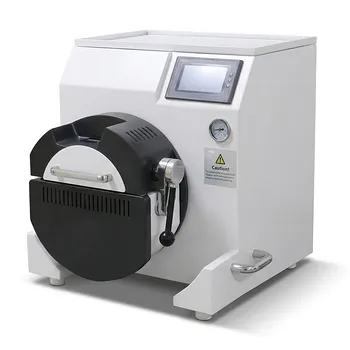
Desktop Induction Melting Furnace with Automatic Rotary Casting Function up to 1700C for Advanced Metal Alloy Research
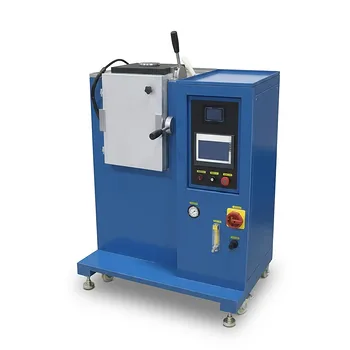
High Throughput Induction Melting and Casting Furnace for Superalloy Research 1700C Atmosphere Controlled Multi Sample System
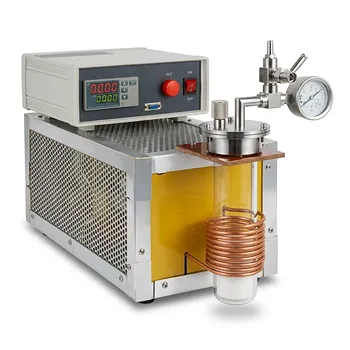
High Temperature Mini Induction Heating Furnace 1600C Laboratory Material Melting System
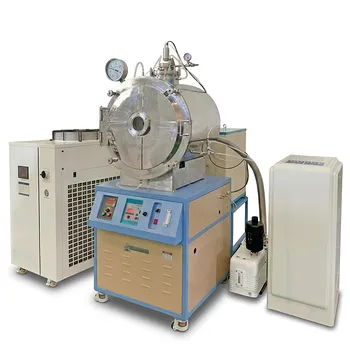
Ultra High Temperature Induction Heated Vacuum Furnace with Molten Salt Electrolysis Capability and 3000 Degree Precision Control
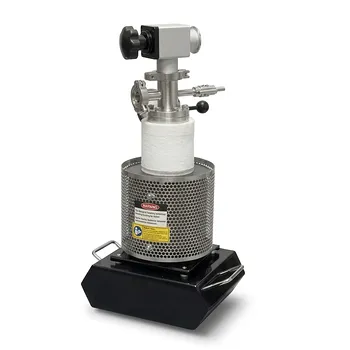
High Temperature 1100C Compact Top Loading Vertical Vacuum Tube Furnace for High Vacuum Noble Metal Melting and Material Research
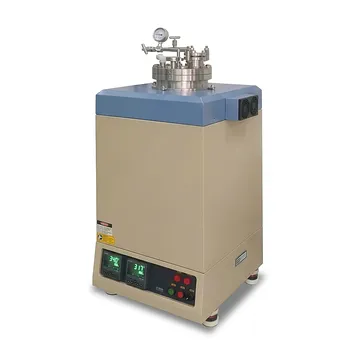
High Temperature 1000C Vacuum Furnace with 8 Inch ID Chamber for Material Sintering and Research Annealing
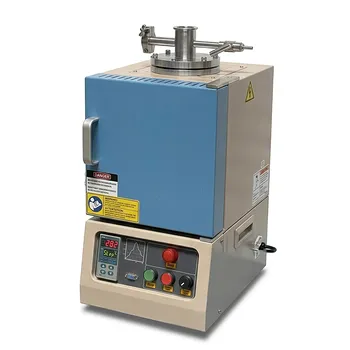
High Temperature Hybrid Muffle and Tube Furnace with Vacuum Capability and PID Control
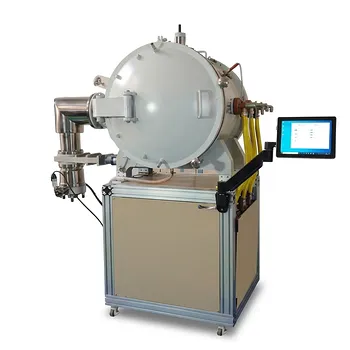
High Temperature Cold Wall Vacuum Furnace for Advanced Material Sintering and Annealing 1600C Heating Area 200x200x300mm
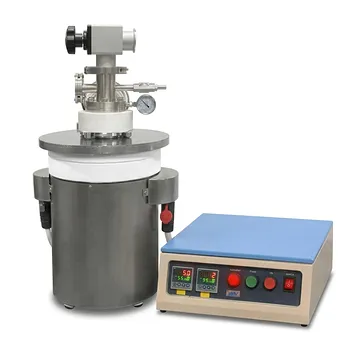
1100C High Temperature Vacuum Crucible Furnace with Quartz Chamber for Thermal Processing and Sintering