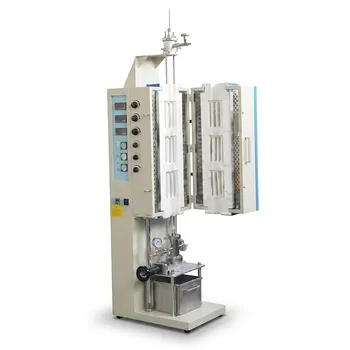
What are the primary objectives of configuring stainless steel heat shields? Optimize Thermal Uniformity and Stability
Updated 3 months ago
Stainless steel heat shields in material research furnaces serve a dual-purpose role: thermal optimization and structural stabilization. By strategically placing these shields at the ends of the heating zone, researchers can simultaneously mitigate axial heat loss to ensure a uniform temperature environment and provide the necessary mechanical support to hold delicate membrane assemblies in place during high-temperature operations.
The strategic use of stainless steel heat shields solves the dual challenge of maintaining precise thermal gradients and ensuring the physical integrity of the experimental setup under extreme conditions.
Achieving Thermal Uniformity in the Heating Zone
Mitigating Axial Heat Loss
In a typical furnace, heat naturally tends to escape through the openings at the ends of the heating zone. Stainless steel shields act as a physical barrier that reflects radiant energy back into the furnace core, significantly reducing this axial loss.
Enhancing Temperature Consistency
Material research requires a highly controlled environment where temperature fluctuations are minimized. By containing the heat, these shields help create a stable thermal plateau, ensuring that the sample is exposed to the exact temperature required for the experiment.
Reducing Power Consumption
When heat is effectively trapped within the intended zone, the furnace requires less energy to maintain its set point. This efficiency not only protects the heating elements from overwork but also prevents the surrounding laboratory equipment from excessive thermal exposure.
Ensuring Structural Integrity and Positioning
Supporting the Membrane Assembly
In many permeation or material studies, the internal components are fragile and must be held in a precise orientation. The heat shields are engineered to double as mechanical support structures, providing a rigid framework for the membrane assembly.
Stability Under High-Temperature Stress
Materials often undergo thermal expansion or softening when subjected to intense heat. The use of stainless steel provides the necessary structural rigidity to ensure that the permeation membrane remains in a stable position throughout the entire heating cycle.
Preventing Component Misalignment
Even minor shifts in the position of the membrane can compromise the data integrity of a research project. The integration of shields as supports ensures that the alignment of the experimental setup remains constant, even as the furnace reaches its maximum operating temperature.
Understanding the Trade-offs and Pitfalls
Material Temperature Limits
While stainless steel is robust, it has a definitive maximum operating temperature before it begins to degrade. If the furnace exceeds these limits, the shields may suffer from oxidation or warping, which can lead to sample contamination or structural failure.
Impact on Gas Flow Dynamics
Adding physical barriers at the ends of the heating zone can inadvertently alter the way gases move through the furnace. Researchers must ensure that the shield configuration does not create dead zones or impede the necessary flow of process gases to the material sample.
Thermal Lag Considerations
The mass of the stainless steel shields adds thermal inertia to the system. This can lead to a slower ramp-up or cool-down time, which may need to be accounted for in the experimental timeline to ensure accurate results.
Applying Shield Configuration to Your Research
How to Apply This to Your Project
To maximize the effectiveness of your furnace setup, consider your specific experimental priorities when configuring your shields:
- If your primary focus is thermal precision: Prioritize the placement of multiple, thin-layered shields at the zone ends to maximize heat reflection and minimize axial gradients.
- If your primary focus is structural stability: Opt for thicker, reinforced stainless steel shields that can provide a more substantial mounting base for heavy or complex membrane assemblies.
- If your primary focus is rapid cycling: Minimize the total mass of the shielding to reduce thermal lag, while still providing enough coverage to prevent significant heat loss.
Implementing well-configured heat shields is the key to bridging the gap between theoretical thermal models and reliable, repeatable experimental outcomes.
Summary Table:
| Key Objective | Main Benefit | Critical Consideration |
|---|---|---|
| Thermal Optimization | Reduces axial heat loss and lowers power consumption. | Material temperature limits & potential for oxidation. |
| Structural Support | Ensures stability and alignment of membrane assemblies. | Impacts on gas flow dynamics within the heating zone. |
| Process Consistency | Maintains a stable thermal plateau for repeatable data. | Thermal lag caused by increased mass of the shields. |
Elevate Your Material Research with THERMUNITS
As a leading manufacturer of high-temperature laboratory equipment for material science and industrial R&D, THERMUNITS provides the precision tools you need for reliable experimental outcomes. Whether you are using our Tube, Vacuum, or Atmosphere furnaces, the correct configuration of heat shields is essential for achieving thermal uniformity and protecting your samples.
Our comprehensive range of thermal solutions—including Muffle, Rotary, and Hot Press furnaces, CVD/PECVD systems, and Vacuum Induction Melting (VIM) furnaces—is engineered to meet the rigorous demands of modern heat treatment. Don't let axial heat loss or structural misalignment compromise your data.
Contact our technical experts today to optimize your lab setup.
References
- Thomas F. Fuerst, Masashi Shimada. Deuterium Permeation Through a Self-Supported Palladium-Silver Membrane in Helium Gas Mixtures. DOI: 10.1109/tps.2024.3356857
Mentioned Products
- 1200C Five Side Heating Muffle Furnace with Sliding Door 125L Volume High Temperature Heat Treatment System for Large Scale Sintering and Annealing
- Five Side Heating Muffle Furnace 1200C High Uniformity 64L Chamber 16x16x16 Inch Industrial Heat Treatment
- High Temperature Tube Furnace 1500C with Sliding Flanges and 50mm OD for Rapid Thermal Processing Fast Heating and Cooling
- Silicon Carbide SiC Thermal Heating Elements for Industrial Electric Furnaces
- Induction Heating System with Temperature Control for High Temperature Vacuum Sintering and Melting
People Also Ask
- What is the role of the muffle furnace in h-BN precursor preparation? Optimize Morphology and Chemical Purity.
- How does the heating mechanism of a muffle furnace differ from that of an open-flame furnace? Indirect vs Direct Heat
- Why is the muffle design advantageous for the production of ceramics and glass? Ensure Purity and Structural Integrity
- What are the benefits of using muffle furnaces in pharmaceutical and biomedical applications? Maximize Purity & Compliance
- What are the typical operating temperature ranges for standard and advanced muffle furnaces? Expert Temperature Guide.

Tech Team · ThermUnits
Last updated on Jun 02, 2026
Related Products
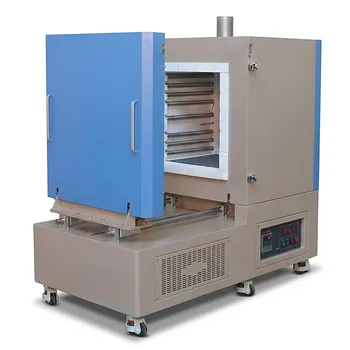
1200C Five Side Heating Muffle Furnace with Sliding Door 125L Volume High Temperature Heat Treatment System for Large Scale Sintering and Annealing
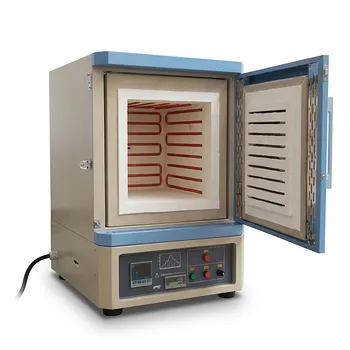
Five Side Heating Muffle Furnace 1200C High Uniformity 64L Chamber 16x16x16 Inch Industrial Heat Treatment

High Temperature Tube Furnace 1500C with Sliding Flanges and 50mm OD for Rapid Thermal Processing Fast Heating and Cooling
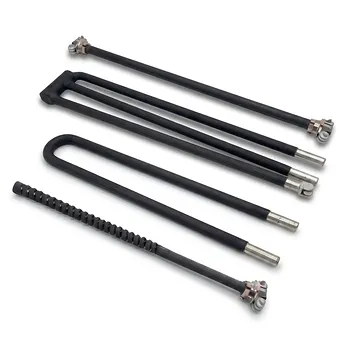
Silicon Carbide SiC Thermal Heating Elements for Industrial Electric Furnaces
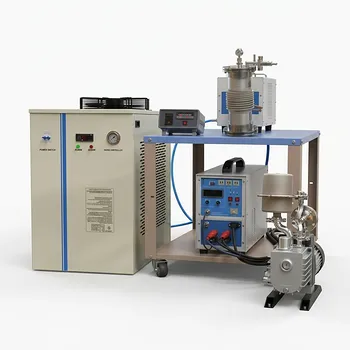
Induction Heating System with Temperature Control for High Temperature Vacuum Sintering and Melting
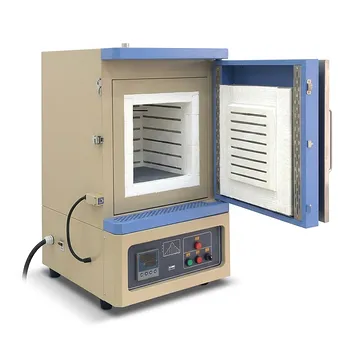
Five Side Heating Muffle Furnace High Purity Alumina Fiber 27L Chamber 1200C High Temperature Thermal Processing System for Sintering Annealing and Materials Research
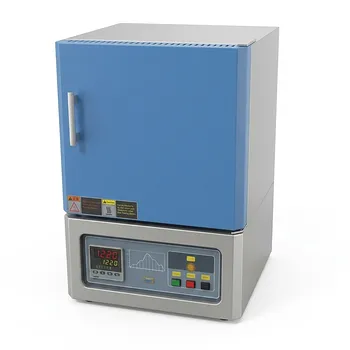
High Temperature Benchtop Muffle Furnace 1700C 10L Chamber Alumina Fiber Insulation MoSi2 Heating Elements
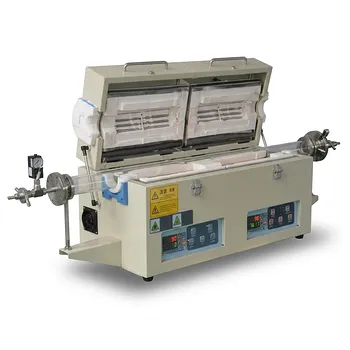
Elongated Two Temperature Zone Pipe Furnace for Industrial Heat Treatment and Material Science Research
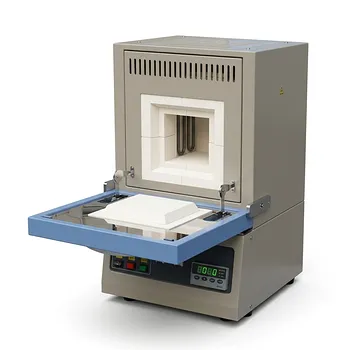
Five Sided Heating Muffle Furnace High Uniformity 1200C Lab Box Furnace 27L Alumina Fiber Chamber

High Temperature 1700C Benchtop Tube Furnace with 5 Inch Heating Zone High Purity Alumina Tube and Vacuum Sealing Flanges
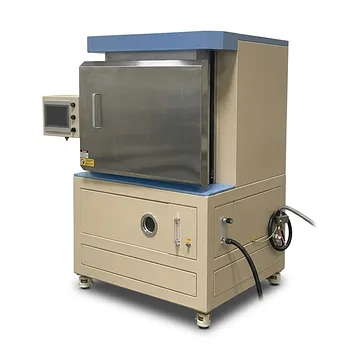
1650C High Temperature Atmosphere Controlled Box Furnace with 65L Chamber for Advanced Material Sintering and Industrial Heat Treatment
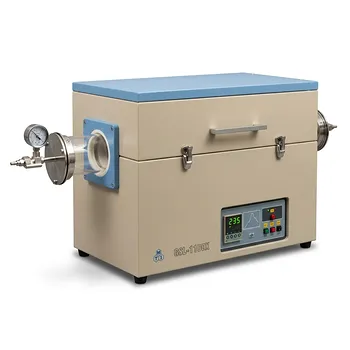
Single Zone Tube Furnace 5 Inch Quartz Tube 36 Inch Heating Zone Vacuum Flanges
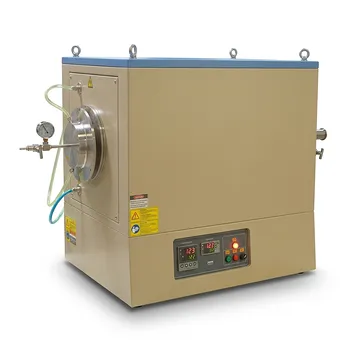
1100°C Large Diameter Quartz Tube Furnace with 24 Inch Heating Zone and Water Cooled Flanges
1800C Bench Top Muffle Furnace 18 Liters with Kanthal Super 1900 Heating Elements for High Purity Ceramic Sintering and Material Research
High Temperature 1600°C Three Zone Heated Bottom Loading Box Furnace with Rapid Thermal Processing Chamber 72L Volume