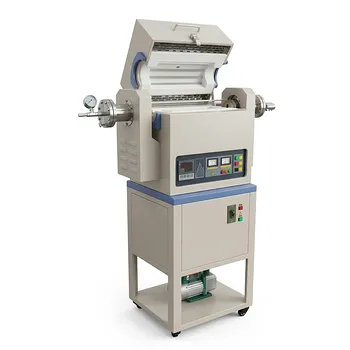
What are the scale and capacity options for electric rotary kilns? Maximize Throughput from R&D to 2,500+ kg/h
Updated 5 months ago
Electric rotary kilns offer a highly scalable solution for material processing, ranging from small-batch R&D to massive industrial outputs. Pilot-scale units typically handle capacities between 50 and 150 kg/h, while large-scale commercial lines are engineered to process anywhere from 200 to over 2,500 kg/h. Depending on the configuration, these systems support annual production volumes ranging from 1,000 to 15,000 tons.
The scale of an electric rotary kiln is defined by its ability to maintain "dynamic sintering," where continuous rotation ensures uniform heat distribution and consistent material properties across varying throughput volumes. Selecting the correct scale requires balancing physical footprint with the specific surface area and morphology requirements of the final product.
Categorizing Capacity by Operational Scale
Pilot-Scale Units for R&D
For research and development or small-batch specialized production, pilot units offer capacities of 50 to 150 kg/h. These systems are designed to refine thermal profiles and material behavior before committing to full-scale infrastructure.
Large-Scale Commercial Production
Full-scale industrial lines start at 200 kg/h and can exceed 2,500 kg/h in high-demand environments. These systems are the backbone of industries requiring massive, continuous throughput, such as powder metallurgy and battery material manufacturing.
Annual Throughput Potential
When operated continuously, these kilns provide a wide range of annual outputs. Typical installations support production targets between 1,000 and 15,000 tons per year, providing significant flexibility for facility planning.
Physical Dimensions and Engineering Specifications
Kiln Diameter and Volume
The physical diameter of the furnace tube generally ranges from 0.8 to 2.5 meters. This dimension is critical because it dictates the bed depth of the material and the efficiency of the gas-solid interface.
Length and Residence Time
Kiln lengths span from 10 to 30 meters, directly impacting the "residence time" of the material. Longer kilns allow for more complex heating curves and longer durations at peak temperatures, which is vital for complete chemical transformations.
The Role of Continuous Rotation
The core value of this geometry is the continuous rotation of the furnace tube. This motion ensures that powder materials are in constant contact with heated gas flows, preventing the uneven thermal gradients often found in static bulk stacking.
Understanding the Trade-offs
Thermal Inertia and Control
Large-scale kilns possess significant thermal inertia, meaning they take longer to reach steady-state temperatures. While this provides stability during continuous runs, it makes rapid adjustments for different product grades more challenging than in smaller pilot units.
Mechanical Maintenance Requirements
As kilns scale toward 30 meters in length, the mechanical stress on drive systems and seals increases. Ensuring precise alignment and vacuum integrity in larger rotating assemblies requires more sophisticated monitoring and preventative maintenance schedules.
Scaling and Material Morphology
While capacity increases with size, maintaining the exact specific surface area and morphology of a powder can be difficult when moving from pilot to commercial scales. The ratio of material volume to heated surface area changes, necessitating careful adjustment of rotation speeds and gas flow rates.
Optimizing Scale for Your Production Goals
Choosing the right kiln capacity depends on your current stage of product development and your long-term volume requirements.
- If your primary focus is process validation and material R&D: Utilize pilot units with 50-150 kg/h capacity to minimize raw material waste while perfecting the sintering curve.
- If your primary focus is high-volume battery material production: Invest in large-scale lines exceeding 2,500 kg/h to maximize economies of scale and ensure product consistency across kiloton-level batches.
- If your primary focus is specialized powder metallurgy with high variety: A mid-range kiln (approx. 500-1,000 kg/h) offers the best balance between high throughput and the ability to pivot between different material specifications.
By matching the physical dimensions and throughput of the kiln to your specific material morphology needs, you ensure a reliable, high-quality industrial output.
Summary Table:
| Operational Scale | Throughput Capacity | Annual Potential | Key Dimensions (D x L) |
|---|---|---|---|
| Pilot-Scale (R&D) | 50 – 150 kg/h | Process Validation | Compact / Modular |
| Mid-Range Production | 200 – 1,000 kg/h | 1,000 – 5,000 Tons | 0.8-1.5m x 10-15m |
| Large-Scale Industrial | 1,000 – 2,500+ kg/h | Up to 15,000 Tons | 1.5-2.5m x 20-30m |
Scale Your Production with THERMUNITS Precision Engineering
Are you ready to transition from R&D validation to high-volume industrial output? THERMUNITS is a leading manufacturer of high-temperature thermal processing solutions. We specialize in helping material scientists and industrial R&D teams optimize their workflows with high-performance equipment, including:
- Advanced Kilns: Electric Rotary Kilns, Rotary Furnaces, and Electric Rotary Kiln systems.
- Specialized Systems: CVD/PECVD, Vacuum Induction Melting (VIM), and Hot Press Furnaces.
- Lab Essentials: Muffle, Vacuum, Atmosphere, Tube, and Dental Furnaces.
Whether you are refining battery material morphology or scaling powder metallurgy, our experts provide the technical support and hardware needed for consistent, high-quality results.
Contact THERMUNITS Today to Discuss Your Scaling Needs
Mentioned Products
- Electric Rotary Kiln Continuous Working Small Rotary Furnace Heating Pyrolysis Plant
- Electric Rotary Kiln Small Rotary Furnace for Activated Carbon Regeneration
- Electric Rotary Kiln Small Rotary Furnace Biomass Pyrolysis Plant
- 900°C Max Rotary Tube Furnace with 8 Inch 310S Alloy Tube and Optional Multi Zone Heating for Industrial Material Calcination
- High Temperature Tilting Rotary Tube Furnace with Integrated Mass Flow Control and Multi Zone Heating
People Also Ask
- What thermal efficiency can be expected from an electric rotary kiln compared to fuel-fired alternatives? Gain 95% efficiency.
- How does the use of an electric rotary kiln facilitate CO2 capture in cement and lime production? Achieve High-Purity CCUS
- What are the maintenance and service life advantages of an electric rotary kiln? 25+ Year Longevity & Low Maintenance
- How does the electric rotary kiln support environmental compliance and sustainability? Achieve Zero-Emission Production
- What are the primary components and heating mechanisms of an electric rotary kiln? Optimize High-Purity Heat Treatment

Tech Team · ThermUnits
Last updated on Apr 14, 2026
Related Products
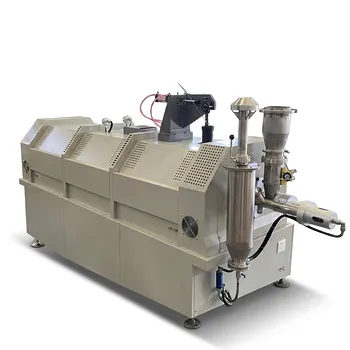
Electric Rotary Kiln Continuous Working Small Rotary Furnace Heating Pyrolysis Plant
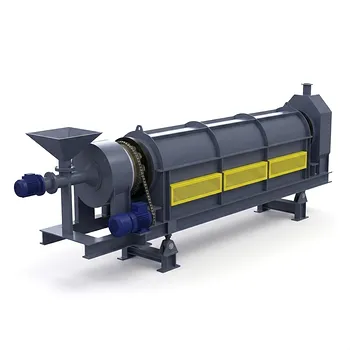
Electric Rotary Kiln Small Rotary Furnace for Activated Carbon Regeneration
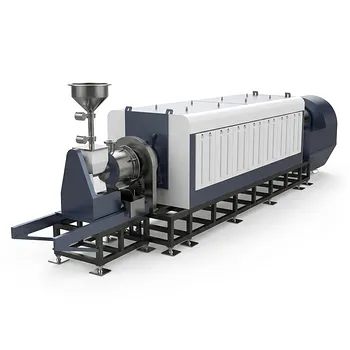
Electric Rotary Kiln Small Rotary Furnace Biomass Pyrolysis Plant
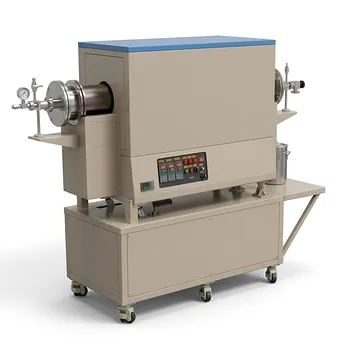
900°C Max Rotary Tube Furnace with 8 Inch 310S Alloy Tube and Optional Multi Zone Heating for Industrial Material Calcination
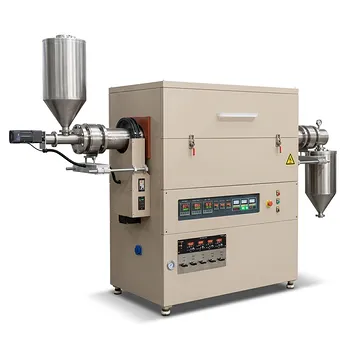
High Temperature Tilting Rotary Tube Furnace with Integrated Mass Flow Control and Multi Zone Heating
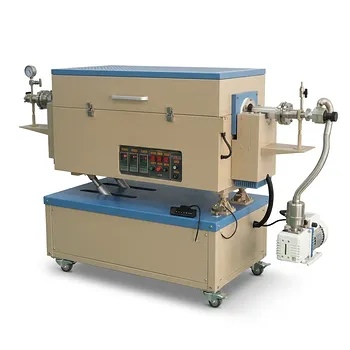
Three Zone Rotary Tube Furnace for High Temperature Powder Processing and Material Research
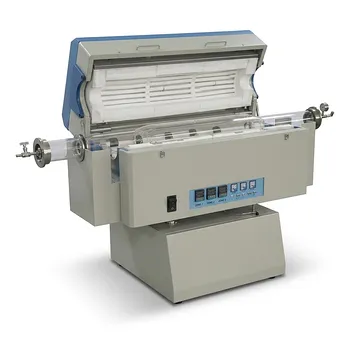
Large Three Temperature Zone Rotating Tube Furnace for High Uniformity Material Sintering
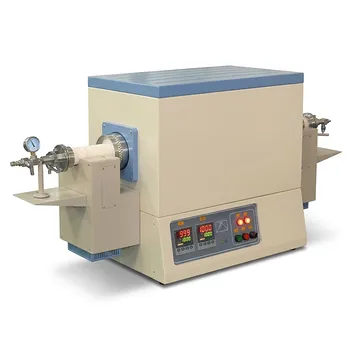
High Temperature 1700C Dual Zone Rotary Tube Furnace with 60mm Alumina Tube and Precision Rotation Control
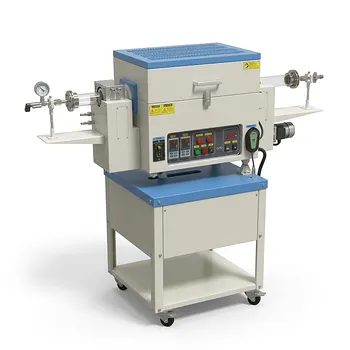
4 Inch Two Zone Rotary CVD Tube Furnace for High Temperature Battery Material Synthesis and Advanced Material Calcination
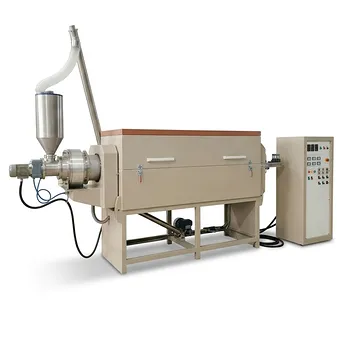
Continuous Feeding Rotary Tube Furnace for Industrial Powder Heat Treatment and Material Research
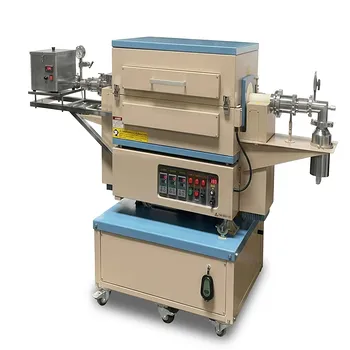
1500C 3-Zone Rotary Tube Furnace 60mm with Automatic Powder Feeding and Receiving System for Continuous Material Synthesis
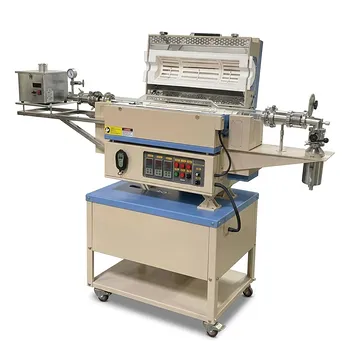
5 Inch Rotary Tube Furnace with Automatic Feeding and Receiving System 1200C Three Zone CVD Powder Processing
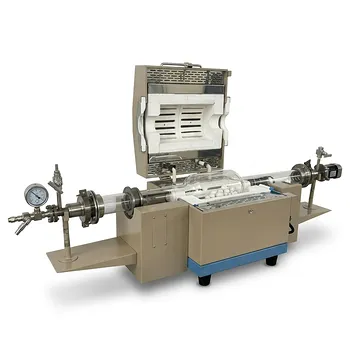
High Temperature Rotary Tube Furnace with Integrated Ball Milling and Gas Flow Function for Powder Nitriding

Vertical 1700C Vacuum and Atmosphere Tube Furnace with 80mm Alumina Tube
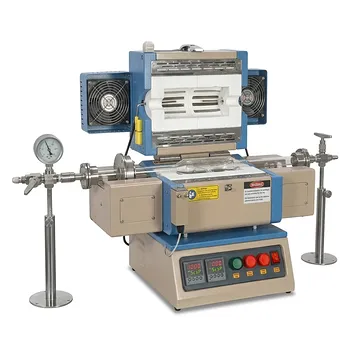
Dual Zone Rotary Tube Furnace for Uniform Powder Calcination 1000C 2 Inch Quartz Tube
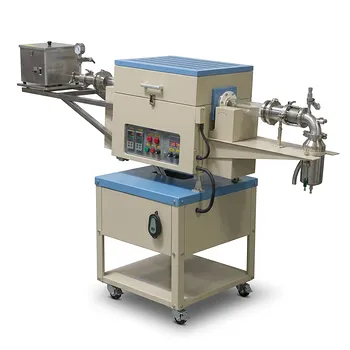
Two Zone Rotary CVD Furnace with Automatic Feeding and Receiving System for Powder Processing
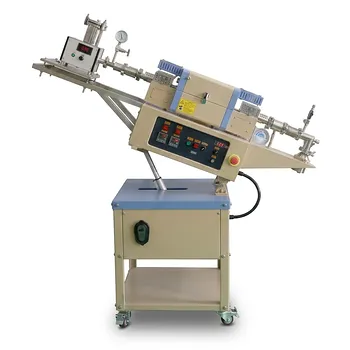
1100°C Dual Zone Rotary Tube Furnace with Automatic Feeding and Collection System for Continuous Powder Processing
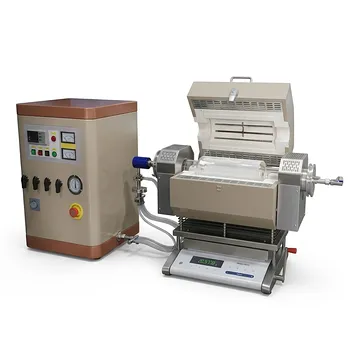
Mini Rotary Tubular Furnaces for Precision Powder Heat Treatment and Thermogravimetric Analysis
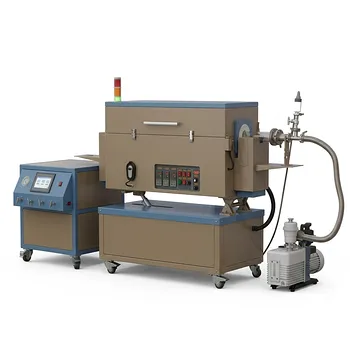
5 Inch Three Zone Rotary Tube Furnace with Integrated Gas Delivery System and 1200C Capability for Advanced Material CVD Processing