What are the specific advantages of rotary hearth furnaces for steel and titanium heat treatment? Optimize Precision.
Updated 5 months ago
Rotary hearth furnaces provide a unique combination of spatial efficiency and thermal precision for high-performance metallurgy. They are specifically engineered to deliver exceptional temperature uniformity and atmospheric control for heavy loads of steel and titanium. This ensures the consistent mechanical properties and microstructure required for critical aerospace and automotive applications.
The rotary hearth furnace is a specialized solution for reheating and heat-treating large-scale materials where floor space is limited and material integrity is non-negotiable. Its circular design optimizes the thermal profile while facilitating seamless integration with automated production workflows.
Achieving Thermal Uniformity in Heavy Loads
The Impact of the Circular Rotating Hearth
The core advantage of this design is the rotating circular platform, which ensures that every part of a billet, bloom, or slab is exposed to the same thermal environment. By moving the load through controlled heating zones, the furnace eliminates the "cold spots" often found in stationary systems.
Ensuring Consistent Microstructure
For titanium alloys and high-grade steel, maintaining a consistent microstructure is vital for safety-critical components. The exceptional uniformity provided by the rotary design allows engineers to meet the stringent mechanical property tolerances required by the aerospace and automotive industries.
Operational Efficiency and Spatial Optimization
Optimizing the Equipment Footprint
Unlike long, linear pusher furnaces, the rotary design utilizes a compact equipment footprint. This circular configuration allows for high-capacity throughput while occupying significantly less factory floor space.
Integration with Automated Systems
The fixed loading and unloading points of a rotary hearth allow for seamless integration with automated handling systems. Robots can precisely place and retrieve heavy materials, reducing manual labor and increasing cycle-time predictability.
Material Integrity and Surface Quality
Managing Precise Atmospheric Conditions
Titanium and steel are highly susceptible to oxidation at elevated temperatures. Rotary hearth furnaces utilize precise atmosphere management to create a controlled environment that protects the material during the heating cycle.
Reducing Scale Formation
By maintaining a stable atmosphere and precise temperature ramps, these furnaces significantly minimize scale formation. This reduces material loss and ensures a higher-quality surface finish, which is critical for subsequent forging or rolling processes.
Understanding the Trade-offs
Mechanical Complexity
The moving hearth involves complex mechanical components, including heavy-duty bearings and drive systems, that operate under high heat. This requires a robust preventative maintenance schedule to ensure long-term reliability.
Sealing and Atmosphere Integrity
Maintaining a vacuum or a specific gas atmosphere can be challenging due to the dynamic seals required for a rotating base. If these seals are not properly maintained, the furnace may experience atmosphere leakage, potentially compromising the material surface quality.
Making the Right Choice for Your Goal
How to Apply This to Your Project
- If your primary focus is maximizing floor space: The rotary hearth’s compact circular design allows you to maintain high production volumes within a constrained footprint.
- If your primary focus is aerospace-grade consistency: Utilize the rotating hearth to ensure the thermal uniformity necessary for the strict microstructure requirements of titanium alloys.
- If your primary focus is reducing post-process finishing: Leverage the precise atmosphere management to minimize oxidation and scale, saving time on surface cleaning.
By aligning the rotary hearth’s unique geometry with your specific material requirements, you can achieve superior metallurgical results with a highly efficient production footprint.
Summary Table:
| Key Feature | Primary Benefit | Industrial Impact |
|---|---|---|
| Rotating Circular Platform | Eliminates cold spots; ensures uniform heating | Consistent microstructure for aerospace/automotive |
| Compact Circular Design | High-capacity throughput with a small footprint | Maximizes factory floor space efficiency |
| Atmosphere Management | Protects materials from oxidation at high heat | Minimizes scale formation and material loss |
| Fixed Loading Points | Seamless integration with robotic handlers | Reduced manual labor and predictable cycle times |
Elevate Your Metallurgical Precision with THERMUNITS
Are you looking to achieve superior heat treatment results for critical steel and titanium components? THERMUNITS is a leading manufacturer specializing in high-performance laboratory and industrial thermal solutions. From advanced Rotary and Atmosphere furnaces to Vacuum Induction Melting (VIM) and CVD/PECVD systems, we provide the tools necessary for cutting-edge material science and R&D.
Our equipment is designed to meet the rigorous standards of the aerospace and automotive industries, ensuring long-term reliability and exceptional thermal control.
Ready to optimize your production workflow?
Contact our expert team today to find the perfect furnace solution for your specific application.
Mentioned Products
- High Temperature 1700C Dual Zone Rotary Tube Furnace with 60mm Alumina Tube and Precision Rotation Control
- Mini Rotary Tubular Furnaces for Precision Powder Heat Treatment and Thermogravimetric Analysis
- Three Zone Rotary Tube Furnace for High Temperature Powder Processing and Material Research
- 1500C 3-Zone Rotary Tube Furnace 60mm with Automatic Powder Feeding and Receiving System for Continuous Material Synthesis
- High Temperature Rotary Tilt Tubular Furnaces for Advanced Powder Sintering and Material Processing
People Also Ask
- How is a dual-temperature zone tube furnace configured for MXene-based metal phosphides? Expert Synthesis Guide
- What is the function of a dual-zone tube furnace in CVD for 2D perovskites? Optimize Precision & Film Uniformity
- What are the technical advantages of a dual-zone tube furnace for phosphidation? Optimize Cobalt Nanowall Synthesis.
- How does a rotary tube furnace improve the processing of granular materials? Enhance Uniformity and Reaction Kinetics
- Technical Advantages of Dual-Zone Tube Furnaces for FeNx/Fe-NCNTs Synthesis: Precise Kinetic and Structural Control

Tech Team · ThermUnits
Last updated on Apr 14, 2026
Related Products
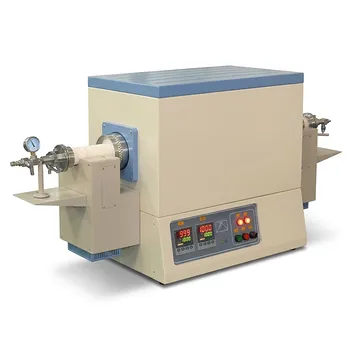
High Temperature 1700C Dual Zone Rotary Tube Furnace with 60mm Alumina Tube and Precision Rotation Control
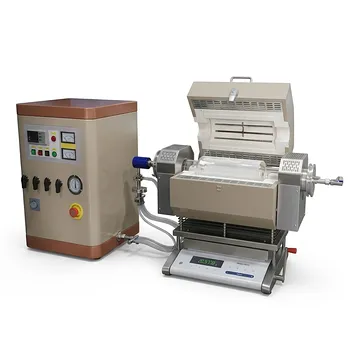
Mini Rotary Tubular Furnaces for Precision Powder Heat Treatment and Thermogravimetric Analysis
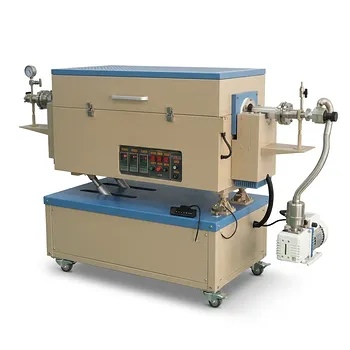
Three Zone Rotary Tube Furnace for High Temperature Powder Processing and Material Research
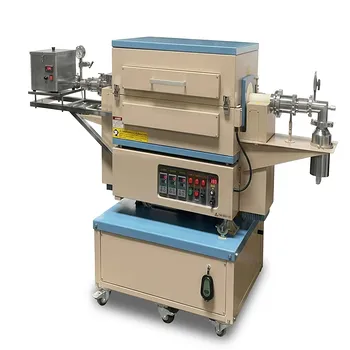
1500C 3-Zone Rotary Tube Furnace 60mm with Automatic Powder Feeding and Receiving System for Continuous Material Synthesis
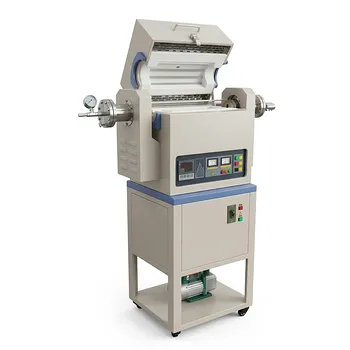
High Temperature Rotary Tilt Tubular Furnaces for Advanced Powder Sintering and Material Processing
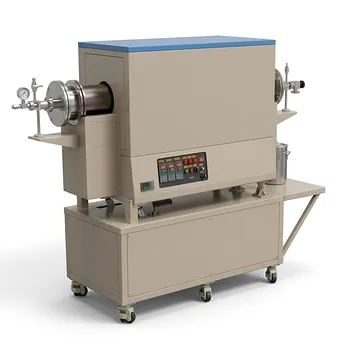
900°C Max Rotary Tube Furnace with 8 Inch 310S Alloy Tube and Optional Multi Zone Heating for Industrial Material Calcination
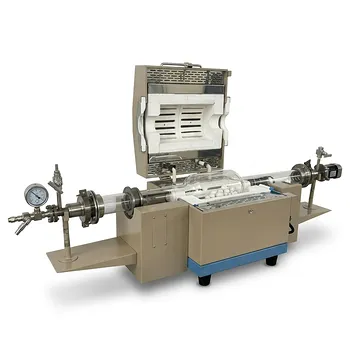
High Temperature Rotary Tube Furnace with Integrated Ball Milling and Gas Flow Function for Powder Nitriding
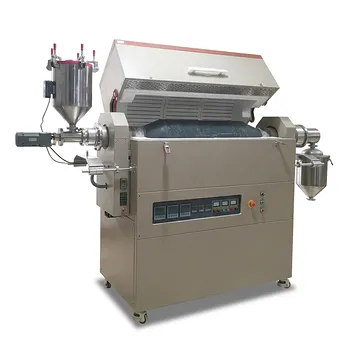
High Temperature Tilting Rotary Tubular Furnace for Continuous Powder Thermal Processing and Controlled Atmosphere Sintering
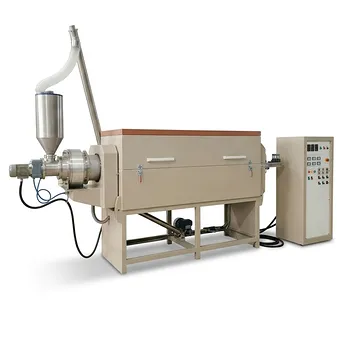
Continuous Feeding Rotary Tube Furnace for Industrial Powder Heat Treatment and Material Research
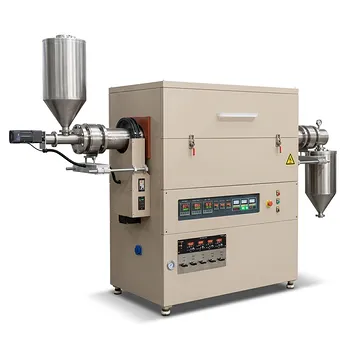
High Temperature Tilting Rotary Tube Furnace with Integrated Mass Flow Control and Multi Zone Heating
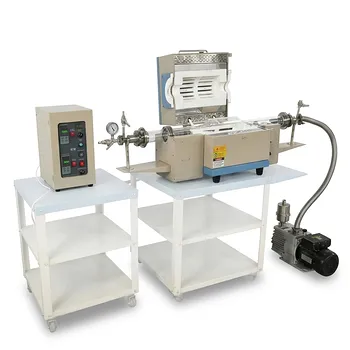
Two Zone Rotary Tube Furnace for Powder CVD Coating and Core Shell Material Synthesis 1100C
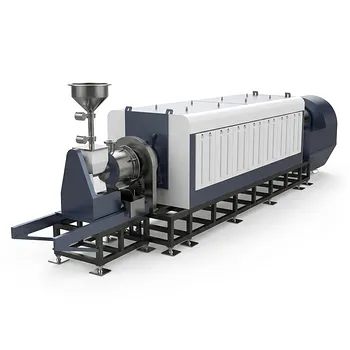
Electric Rotary Kiln Small Rotary Furnace Biomass Pyrolysis Plant
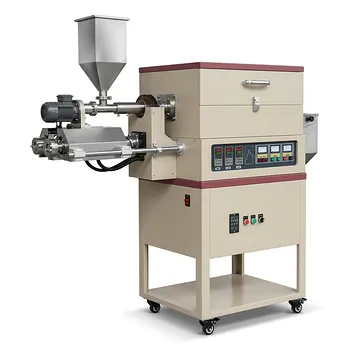
Laboratory Tilting Rotary Tubular Furnaces for Material Science and Industrial Heat Treatment
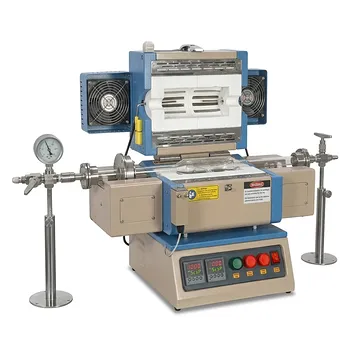
Dual Zone Rotary Tube Furnace for Uniform Powder Calcination 1000C 2 Inch Quartz Tube
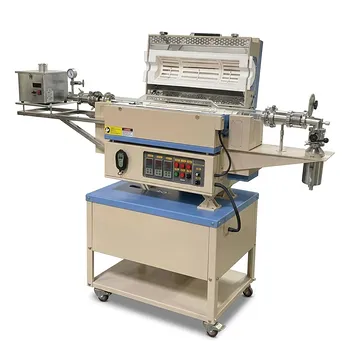
5 Inch Rotary Tube Furnace with Automatic Feeding and Receiving System 1200C Three Zone CVD Powder Processing
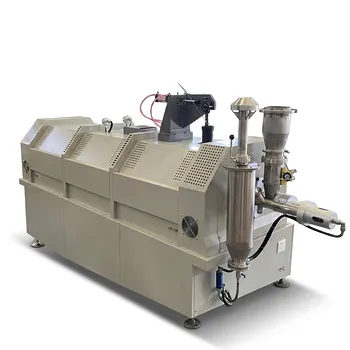
Electric Rotary Kiln Continuous Working Small Rotary Furnace Heating Pyrolysis Plant
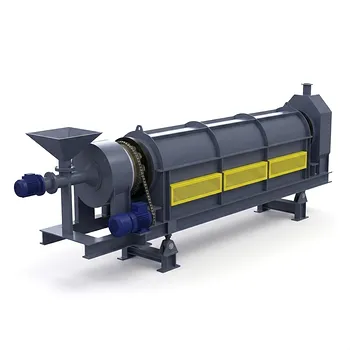
Electric Rotary Kiln Small Rotary Furnace for Activated Carbon Regeneration
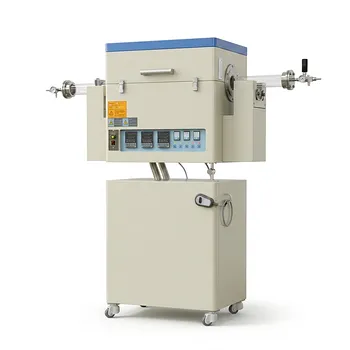
Three Temperature Zone Rotating Tube Furnace for Material Sintering and Controlled Atmospheric Heat Treatment
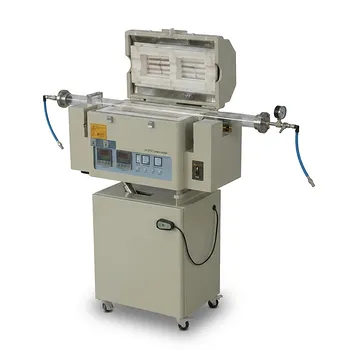
Double Temperature Revolving Tube Furnace with Precision Rotation and Adjustable Inclination for Advanced Material Research