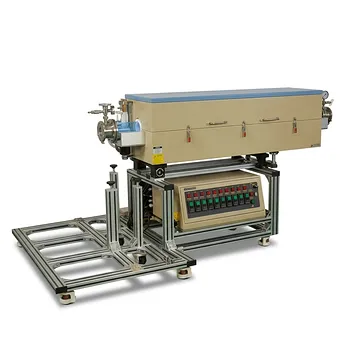
What are the technical advantages of a dual-zone tube furnace for phosphidation? Optimize Cobalt Nanowall Synthesis.
Updated 3 months ago
The primary technical advantage of a dual-temperature zone system is the spatial separation of vapor generation and chemical reaction. This configuration allows for the independent control of the phosphorus source sublimation in the upstream zone and the cobalt-based nanowall reaction in the downstream zone. By decoupling these two thermal environments, the system ensures a stable, uniform phosphorus flux that facilitates deep chemical transformation across the entire 3D structure without compromising the material’s morphology.
Core Takeaway: Dual-zone systems eliminate the thermal compromise required in single-zone furnaces by allowing the phosphorus source to be heated at its ideal sublimation temperature while the target sample is maintained at its optimal reaction temperature. This precision is critical for achieving uniform phase purity and preserving the high-surface-area architecture of cobalt-phosphide nanowalls.
Independent Control of Vapor Flux and Reaction Kinetics
Decoupling Sublimation from Transformation
In a single-zone system, the phosphorus source and the cobalt precursor are subjected to the same temperature, which often leads to uncontrolled sublimation or premature reaction. A dual-zone system allows the upstream zone to preheat the phosphorus source (such as sodium hypophosphite) to a specific temperature that ensures a steady release of vapor. Meanwhile, the downstream zone can be maintained at a higher temperature to provide the energy necessary for the cobalt-to-phosphide chemical conversion.
Regulating Local Vapor Concentration
Precise control over the upstream temperature directly influences the saturated vapor pressure of the phosphorus. By optimizing this independently, researchers can regulate the phosphorus concentration in the gas phase, which is essential for ensuring that the reaction reaches the interior of dense 3D nanowall structures. This prevents the formation of "surface-only" phosphidation and ensures a consistent chemical composition throughout the material.
Managing Different Vapor Pressures
Often, precursors have significantly different volatilities or decomposition points. As seen in similar chemical vapor deposition (CVD) processes, independent zones allow for the setting of distinct temperature gradients to manage these differences. This ensures an ideal stoichiometric ratio in the gaseous reaction zone, which is vital for the formation of highly crystalline cobalt phosphides.
Structural Preservation and Morphological Integrity
Preventing Particle Agglomeration
Unlike direct mixed sintering where solids are in contact, the CVD mode in a dual-zone furnace utilizes a non-contact gas-phase reaction. This approach prevents the agglomeration of particles that typically occurs during high-temperature sintering. By avoiding physical contact between precursors, the system preserves the specific nanostructure morphology, such as the delicate sheet-like or needle-like shapes of cobalt nanowalls.
Facilitating Hollow Structure Formation
The controlled diffusion of phosphorus vapor into the cobalt nanowalls is a key factor in creating hollow nanowall structures. The dual-zone setup ensures that the reaction is thorough enough to induce the Kirkendall effect or similar diffusion-based transformations. This results in hollow architectures that possess a high specific surface area and an abundance of interfacial active sites.
Maintaining High Catalytic Activity
Because the dual-zone system avoids the structural collapse associated with overheating the precursor, the resulting catalyst retains its 3D architectural advantages. The preservation of the nanowall structure ensures that the final cobalt-phosphide material maintains high catalytic activity for applications such as water splitting or energy storage.
Understanding the Trade-offs
System Complexity and Calibration
While dual-zone systems offer superior control, they introduce operational complexity regarding the placement of materials and the calibration of carrier gas flow rates. The distance between the two zones must be precisely managed to prevent the vapor from condensing before it reaches the sample.
Pressure and Flow Dynamics
The effectiveness of the dual-zone setup depends heavily on the carrier gas velocity. If the flow is too fast, the phosphorus vapor may pass the sample too quickly to react; if it is too slow, the vapor concentration may become non-uniform across the reaction zone. Balancing the thermal gradients with gas dynamics requires more rigorous experimental optimization than traditional sintering.
How to Apply This to Your Project
Recommendations Based on Research Goals
- If your primary focus is phase purity and crystallinity: Prioritize a dual-zone system to ensure the phosphorus vapor concentration remains stable throughout the entire heating cycle, preventing the formation of incomplete phosphide phases.
- If your primary focus is preserving delicate 3D morphology: Utilize the CVD mode of the dual-zone furnace to prevent particle sintering and maintain the high surface area of the original cobalt nanowalls.
- If your primary focus is scalability and reproducibility: Document the precise temperature settings for both zones and the carrier gas flow rate, as these parameters are the primary drivers of consistent material performance across batches.
The strategic use of a dual-temperature zone system transforms the phosphidation process from a blunt thermal treatment into a precise, tunable chemical synthesis tool.
Summary Table:
| Feature | Dual-Zone Advantage | Impact on Cobalt Nanowalls |
|---|---|---|
| Thermal Control | Independent zone heating | Prevents precursor overheating & preserves morphology |
| Vapor Flux | Regulated saturation pressure | Uniform transformation across dense 3D structures |
| Morphology | Non-contact gas-phase reaction | Prevents particle agglomeration & enables hollow structures |
| Crystallinity | Precise stoichiometric control | Ensures high phase purity for catalytic applications |
Achieve Precision in Your Nanomaterial Synthesis with THERMUNITS
As a leading manufacturer of high-performance thermal processing solutions, THERMUNITS understands that precision is the key to breakthrough material science. Our advanced Dual-Zone Tube Furnaces and CVD/PECVD systems are specifically engineered to provide the decoupled thermal environments necessary for complex processes like gas-phase phosphidation, ensuring your cobalt-based nanowalls maintain their structural integrity and catalytic activity.
From Muffle, Vacuum, and Atmosphere furnaces to specialized Rotary kilns, Hot Press systems, and Vacuum Induction Melting (VIM) furnaces, we offer a comprehensive range of laboratory heat treatment equipment tailored for industrial R&D. We also provide high-quality thermal elements and dental furnaces to meet diverse research needs.
Ready to elevate your lab's thermal processing capabilities?
Contact our technical experts today to discuss your project requirements and discover how THERMUNITS can provide the reliable, high-temperature solutions your research deserves.
References
- Dezhi Kong, Hui Ying Yang. Rational Construction of 3D Self‐Supported MOF‐Derived Cobalt Phosphide‐Based Hollow Nanowall Arrays for Efficient Overall Water Splitting At large Current Density. DOI: 10.1002/smll.202310012
Mentioned Products
- High Temperature 1700C Dual Zone Tube Furnace for Material Science and Industrial Chemical Vapor Deposition Research
- 1200C Dual Temperature Zone Slidable Tube Furnace for 2D Material Growth and TCVD Synthesis
- High Temperature 1700C Dual Zone Rotary Tube Furnace with 60mm Alumina Tube and Precision Rotation Control
- Dual Zone Tube Furnace 1100C with 11 Inch Quartz Tube and Vacuum Flanges for 8 Inch Wafer Processing
- Dual Heating Zone 1200C Compact Split Tube Furnace with Optional 1" - 2" Tube and Vacuum Flanges
People Also Ask
- What is the function of a dual-zone tube furnace in CVD for 2D perovskites? Optimize Precision & Film Uniformity
- How is a dual-temperature zone tube furnace configured for MXene-based metal phosphides? Expert Synthesis Guide
- What are the primary technical advantages of using a dual-zone tube furnace for MoS2? Optimize CVD Precision & Yield
- Why is it necessary to place MoS2 devices in a dual-zone tube furnace for annealing? Optimize Lattice Repair & Doping
- What are the technical advantages of using a dual-zone tube furnace for growing large PdCoO2 crystals via CVT? Expert Tips

Tech Team · ThermUnits
Last updated on Jun 03, 2026
Related Products
High Temperature 1700C Dual Zone Tube Furnace for Material Science and Industrial Chemical Vapor Deposition Research
1200C Dual Temperature Zone Slidable Tube Furnace for 2D Material Growth and TCVD Synthesis
High Temperature 1700C Dual Zone Rotary Tube Furnace with 60mm Alumina Tube and Precision Rotation Control
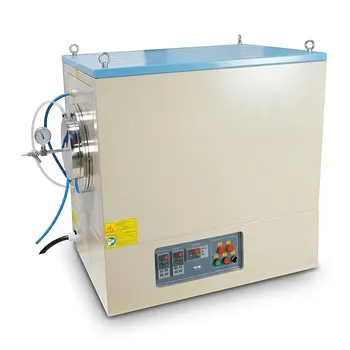
Dual Zone Tube Furnace 1100C with 11 Inch Quartz Tube and Vacuum Flanges for 8 Inch Wafer Processing
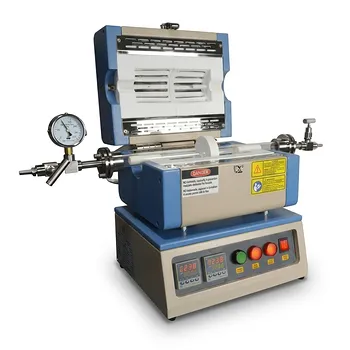
Dual Heating Zone 1200C Compact Split Tube Furnace with Optional 1" - 2" Tube and Vacuum Flanges
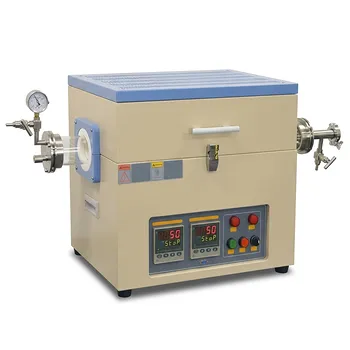
1200C Dual Zone Split Tube Furnace with Fused Quartz Tube and Vacuum Flanges Available in 60mm 80mm and 100mm Diameters
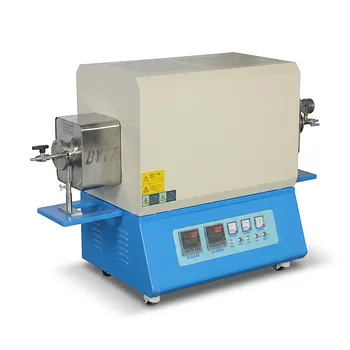
High Temperature Dual Zone Split Tube Furnace for Advanced Atmosphere Sintering and Vacuum CVD Applications
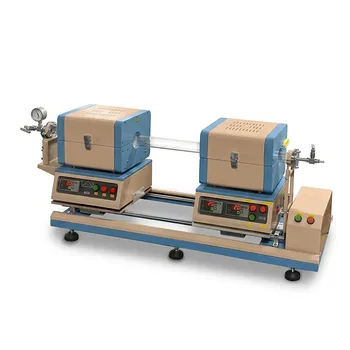
High Temperature 1200C Automatic Sliding Dual Zone Tube Furnace for 2D Transition Metal Dichalcogenides Growth and Material Sublimation Research
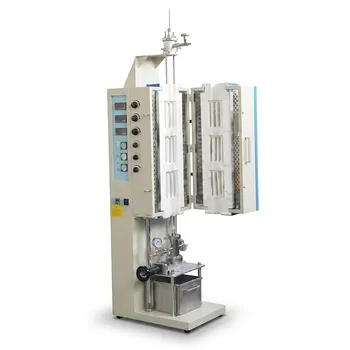
High Temperature Dual Zone Tube Furnace for Material Science Research and Professional Thermal Processing
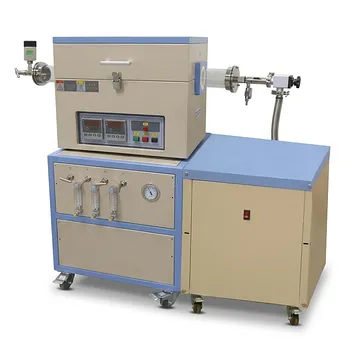
Dual Zone Quartz Tube Furnace with 80mm Diameter 1200C Max Temperature 3 Channel Gas Mixer and Vacuum Pump System
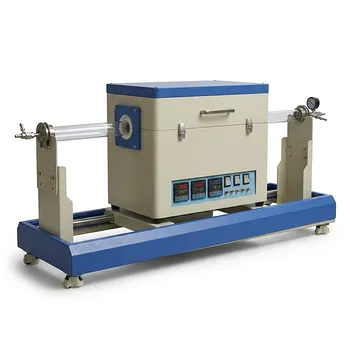
Double Temperature Zone Double Cover Tube Furnace for High Temperature CVD and Vacuum Annealing
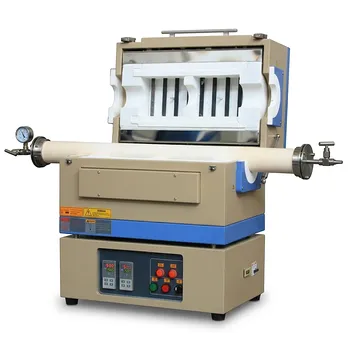
1500C Two Zone Split Tube Furnace with Vacuum Flange and 80mm Alumina Tube
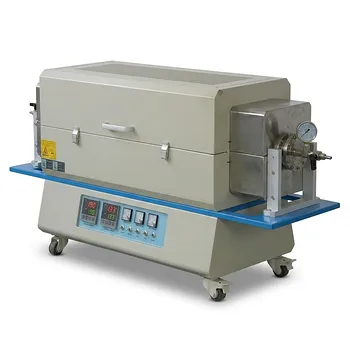
High Temperature Elongated Dual Zone Tube Furnace for Material Research and Industrial Heat Treatment
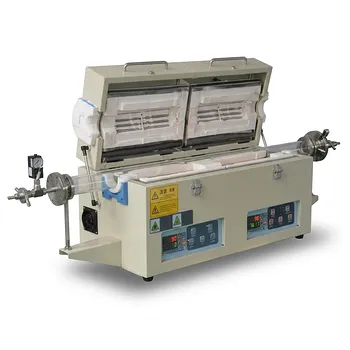
Elongated Two Temperature Zone Pipe Furnace for Industrial Heat Treatment and Material Science Research
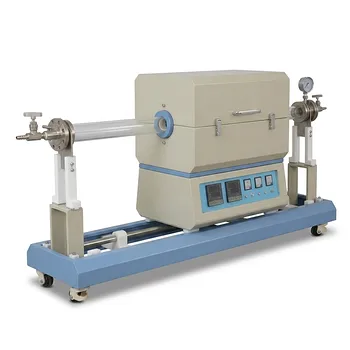
Double Zone Fast Heating Tube Furnace High Temperature Vacuum Atmosphere System
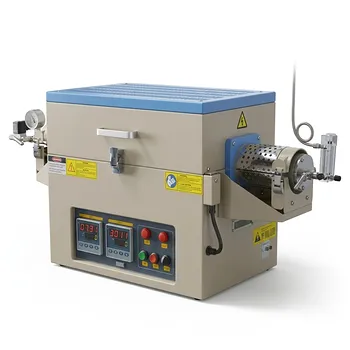
1100C Dual Zone Hydrogen Gas Tube Furnace with Quartz Tube and Integrated H2 Leak Detection System
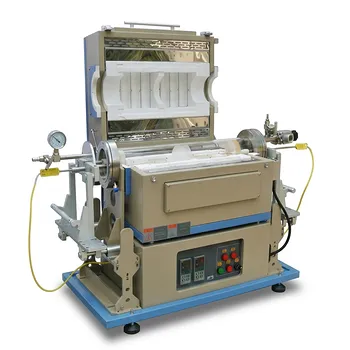
Two Zone IR Heating Rapid Thermal Processing RTP Tube Furnace with 4 Inch ID Quartz Tube and Sliding Sample Holders
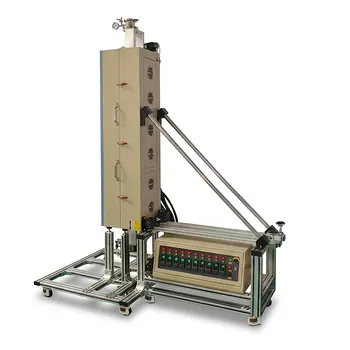
1200°C 10-Zone Split Tube Furnace with Horizontal and Vertical Mounting for Multi-Zone Thermal Gradients and Large Diameter Material Processing
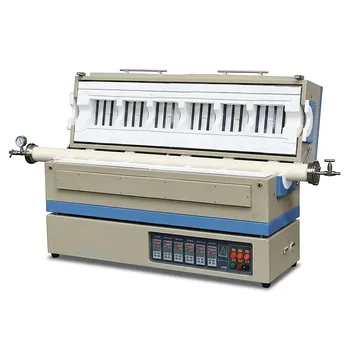
Six Zone Split Tube Furnace with Alumina Tube and Vacuum Flanges for 1500C High Temperature Thermal Processing and CVD