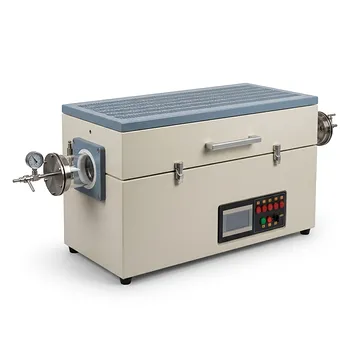
Technical Advantages of Dual-Zone Tube Furnaces for FeNx/Fe-NCNTs Synthesis: Precise Kinetic and Structural Control
Updated 3 months ago
A dual-temperature zone controllable tube furnace is essential for FeNx/Fe-NCNTs synthesis because it enables the precise, independent management of precursor decomposition and carbon nanotube growth kinetics. By maintaining a specific heating rate (e.g., 3 °C/min) and a stable terminal temperature of 800 °C, the system ensures that melamine decomposes and Prussian blue templates transform in a synchronized manner. This high-precision control facilitates the uniform encapsulation of metal nanoparticles at the tips and bamboo-like joints of the nanotubes, maximizing the density of active catalytic sites.
The core advantage of this system is its ability to decouple the thermal evaporation of precursors from the catalytic reaction environment. This spatial and temporal control prevents uncontrolled nanoparticle sintering and ensures the formation of a highly ordered, active catalyst structure.
Precise Kinetic Control and Phase Transformation
Regulating Precursor Decomposition Rates
The synthesis of FeNx/Fe-NCNTs relies on the controlled breakdown of nitrogen and carbon precursors like melamine. A programmable furnace allows for a slow heating rate, such as 3 °C per minute, which prevents the rapid, uneven release of gases that could disrupt the catalyst structure.
Governing Template Transformation
The transition of the Prussian blue (PB) template into active iron-based species must be carefully timed with the carbon source availability. Stable temperature management at 800 °C ensures that the PB framework evolves into the desired FeNx active sites rather than collapsing into inactive bulk iron phases.
Controlling Nanotube Growth Kinetics
Accurate thermal management directly influences the growth kinetics of the carbon nanotubes. This precision ensures that iron nanoparticles are uniformly encapsulated within the bamboo-like joints and tips, a structural feature that is critical for maximizing the surface area and accessibility of active sites.
Spatial Separation and Vapor Management
Independent Source and Reaction Zones
In a dual-zone configuration, the upstream zone can independently control the evaporation or pyrolysis of sources (like melamine or dopants). This prevents the precursor from being exposed to the high reaction temperatures prematurely, allowing for a steady, controlled flow of reactant vapor to the catalyst.
Vapor Pressure and Concentration Control
By adjusting the temperature of the upstream zone, researchers can regulate the vapor pressure and concentration of reactants. This independent adjustment allows for the fine-tuning of the supersaturation levels, which dictates the thickness, length, and verticality of the resulting carbon nanotubes.
Enhancing Electronic Structure via Doping
The dual-zone setup allows for the precise timing and concentration of dopants (such as sulfur or phosphorus) entering the reaction zone. This enables effective regulation of the electronic structure of the carbon substrate, significantly enhancing the overall electrocatalytic performance of the FeNx sites.
Atmospheric Integrity and Particle Stability
Maintaining Reducing Environments
Synthesis often requires a specific reducing atmosphere, such as a mixture of 5% H2/Ar or pure nitrogen. The tube furnace provides a sealed environment that prevents unintended oxidation, ensuring the iron remains in its active metallic or nitrogen-coordinated state.
Preventing Thermal Sintering
Excessive heat can cause metal nanoparticles to merge, a process known as sintering, which reduces the number of available active sites. The high-precision thermal stability of the furnace limits this growth, maintaining small, highly active iron centers throughout the 3D structure.
Facilitating Volatile Component Removal
The high-temperature environment (up to 1000 °C in some protocols) allows for the efficient removal of volatile chemical components. This process cleanses the catalyst surface and facilitates the formation of specific porosity, which is vital for mass transport during catalytic reactions.
Understanding the Trade-offs
System Complexity and Synchronization
The primary challenge of a dual-zone system is the complexity of synchronizing two different temperature profiles. If the upstream evaporation rate does not match the downstream reaction window, the resulting catalyst may have inconsistent nitrogen loading or poor nanotube morphology.
Thermal Gradient Management
While dual zones offer control, they also create a thermal gradient between the zones. If the transition area is not properly managed, precursors may prematurely condense on the tube walls, leading to material waste and potential contamination of subsequent batches.
How to Apply This to Your Project
Choosing the Right Parameters
- If your primary focus is maximizing active site density: Use a slow heating rate (3-5 °C/min) to ensure uniform melamine decomposition and even iron encapsulation.
- If your primary focus is controlling nanotube morphology: Prioritize a dual-zone setup to independently regulate the carbon source vapor pressure without altering the growth temperature.
- If your primary focus is electronic structure engineering: Utilize the upstream zone to precisely time the introduction of dopants like sulfur into the reaction zone.
Mastering the spatial and thermal gradients within a dual-zone furnace is the most effective way to produce high-performance FeNx/Fe-NCNTs catalysts with reproducible structures.
Summary Table:
| Feature | Advantage for Synthesis | Key Outcome |
|---|---|---|
| Dual-Zone Heating | Decouples evaporation from reaction | Controlled vapor pressure & precise doping |
| Precise Kinetic Control | Regulated heating (e.g., 3°C/min) | Uniform precursor decomposition |
| Thermal Stability | High-precision terminal control (800°C+) | Optimal FeNx sites & bamboo-like CNT growth |
| Atmospheric Integrity | Sealed reducing environment (H2/Ar) | Prevents oxidation & ensures active site density |
| Sintering Prevention | Stable temperature management | Maintains small, high-activity iron nanoparticles |
Elevate Your Material Synthesis with THERMUNITS
Are you looking to achieve superior precision and reproducibility in your catalyst research? THERMUNITS is a leading manufacturer of high-temperature laboratory equipment specifically designed for material science and industrial R&D.
We provide a comprehensive range of thermal processing solutions tailored for advanced synthesis, including:
- Tube & Rotary Furnaces: Ideal for high-performance FeNx/Fe-NCNTs and CVD processes.
- Muffle, Vacuum, & Atmosphere Furnaces: For diverse heat treatment needs.
- Advanced Systems: CVD/PECVD, Hot Press Furnaces, and Vacuum Induction Melting (VIM).
- Specialized Equipment: Dental Furnaces, Thermal Elements, and Electric Rotary Kilns.
Our expert-engineered systems empower you to master complex thermal gradients and kinetic variables, ensuring your laboratory achieves world-class results.
Ready to optimize your thermal processing? Contact THERMUNITS today to find your ideal furnace solution!
References
- Zhenlu Zhao, Xin Wang. Prussian blue-derived FeN<sub><i>x</i></sub>/Fe-based N-doped carbon nanotube catalysts with high ORR electrochemical performance. DOI: 10.1039/d3ya00615h
Mentioned Products
- High Temperature 1700C Dual Zone Rotary Tube Furnace with 60mm Alumina Tube and Precision Rotation Control
- 1200C Dual Temperature Zone Slidable Tube Furnace for 2D Material Growth and TCVD Synthesis
- High Temperature 1700C Dual Zone Tube Furnace for Material Science and Industrial Chemical Vapor Deposition Research
- Dual Zone Tube Furnace 1100C with 11 Inch Quartz Tube and Vacuum Flanges for 8 Inch Wafer Processing
- High Temperature Dual Zone Tube Furnace for Material Science Research and Professional Thermal Processing
People Also Ask
- How is a dual-temperature zone tube furnace configured for MXene-based metal phosphides? Expert Synthesis Guide
- What is the function of a dual-zone tube furnace in CVD for 2D perovskites? Optimize Precision & Film Uniformity
- What are the technical advantages of a dual-zone tube furnace for phosphidation? Optimize Cobalt Nanowall Synthesis.
- How does a rotary tube furnace improve the processing of granular materials? Enhance Uniformity and Reaction Kinetics
- Why is the precise optimization of residence time essential in the catalyst calcination process? Maximize Your Yields.

Tech Team · ThermUnits
Last updated on Jun 03, 2026
Related Products
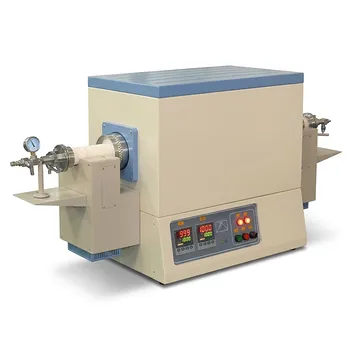
High Temperature 1700C Dual Zone Rotary Tube Furnace with 60mm Alumina Tube and Precision Rotation Control
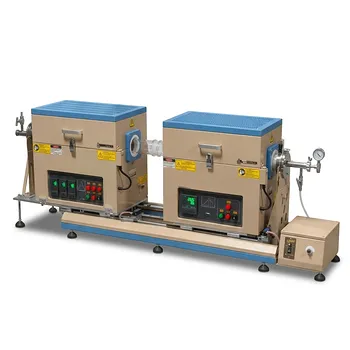
1200C Dual Temperature Zone Slidable Tube Furnace for 2D Material Growth and TCVD Synthesis
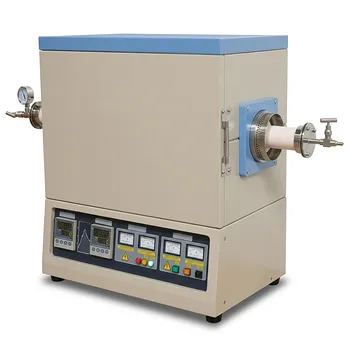
High Temperature 1700C Dual Zone Tube Furnace for Material Science and Industrial Chemical Vapor Deposition Research
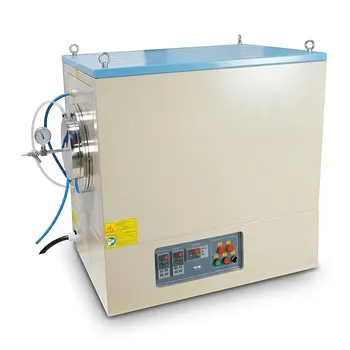
Dual Zone Tube Furnace 1100C with 11 Inch Quartz Tube and Vacuum Flanges for 8 Inch Wafer Processing
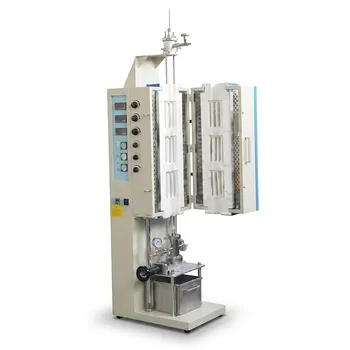
High Temperature Dual Zone Tube Furnace for Material Science Research and Professional Thermal Processing
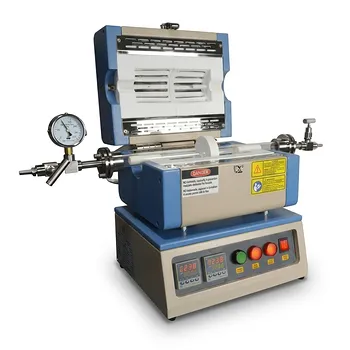
Dual Heating Zone 1200C Compact Split Tube Furnace with Optional 1" - 2" Tube and Vacuum Flanges
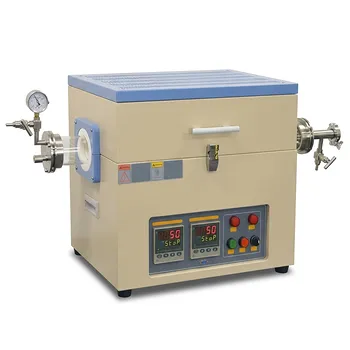
1200C Dual Zone Split Tube Furnace with Fused Quartz Tube and Vacuum Flanges Available in 60mm 80mm and 100mm Diameters
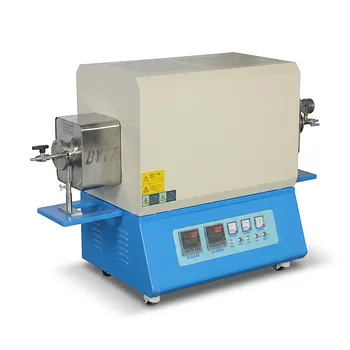
High Temperature Dual Zone Split Tube Furnace for Advanced Atmosphere Sintering and Vacuum CVD Applications
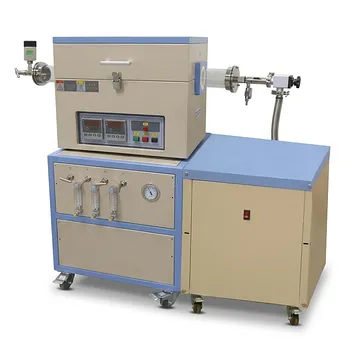
Dual Zone Quartz Tube Furnace with 80mm Diameter 1200C Max Temperature 3 Channel Gas Mixer and Vacuum Pump System
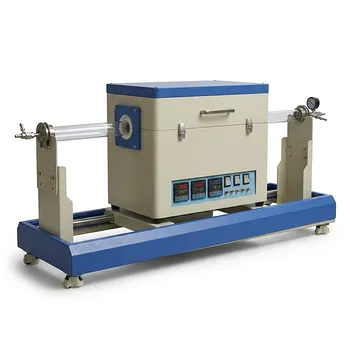
Double Temperature Zone Double Cover Tube Furnace for High Temperature CVD and Vacuum Annealing
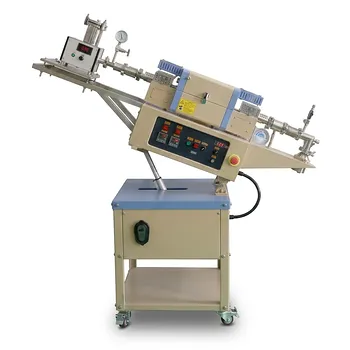
1100°C Dual Zone Rotary Tube Furnace with Automatic Feeding and Collection System for Continuous Powder Processing
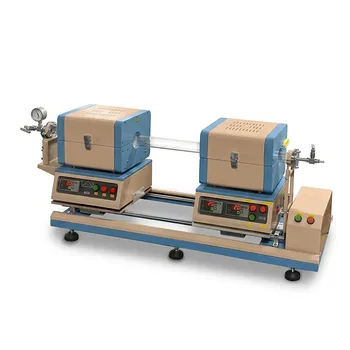
High Temperature 1200C Automatic Sliding Dual Zone Tube Furnace for 2D Transition Metal Dichalcogenides Growth and Material Sublimation Research
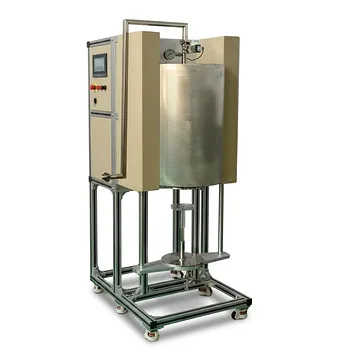
1200°C Atmosphere Controlled Automatic Bottom Loading Furnace with 6 Inch Quartz Tube
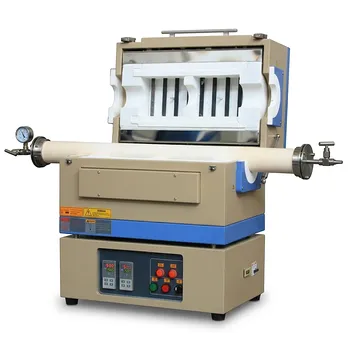
1500C Two Zone Split Tube Furnace with Vacuum Flange and 80mm Alumina Tube
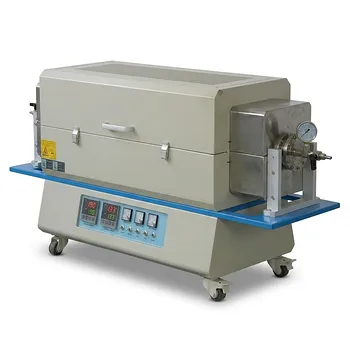
High Temperature Elongated Dual Zone Tube Furnace for Material Research and Industrial Heat Treatment
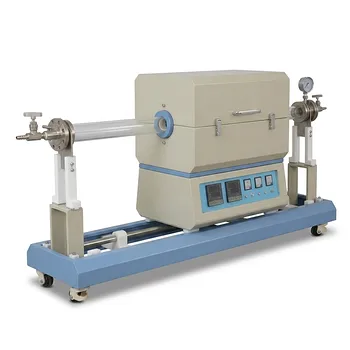
Double Zone Fast Heating Tube Furnace High Temperature Vacuum Atmosphere System
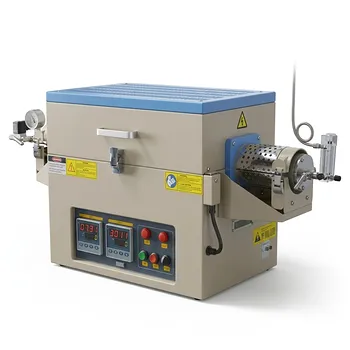
1100C Dual Zone Hydrogen Gas Tube Furnace with Quartz Tube and Integrated H2 Leak Detection System
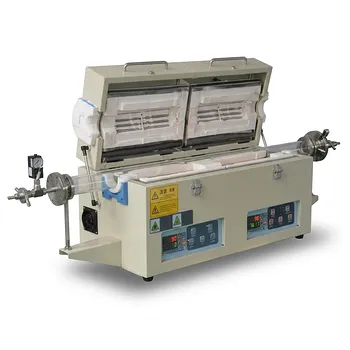
Elongated Two Temperature Zone Pipe Furnace for Industrial Heat Treatment and Material Science Research
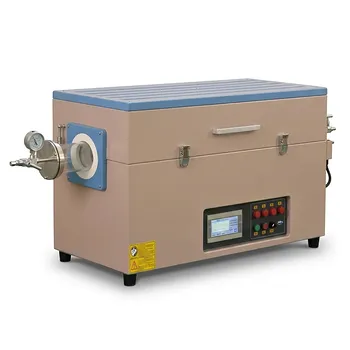
1200C Four Zone Split Tube Furnace with Touch Screen Control and High Purity Quartz Tube and Vacuum Sealing Flanges