What are the technical advantages of using high-purity alumina refractory crucibles for synthesizing hercynite? Key Benefits
Updated 3 months ago
High-purity alumina refractory crucibles are the standard for hercynite synthesis due to their exceptional thermal ceiling and chemical stability. These crucibles offer a temperature limit of up to 1800°C and maintain high mechanical strength in the reductive environments required for hercynite production. By resisting chemical erosion from metal oxide slags, they prevent container infiltration and ensure the synthesized hercynite reaches maximum purity.
The core technical advantage lies in the crucible's ability to remain chemically inert and structurally sound under the aggressive conditions of high-temperature reductive combustion. This ensures that the final mineral product is free from alumina contamination and the experimental data remains accurate.
Superior Thermal Performance and Structural Integrity
Extreme Operating Temperature Threshold
High-purity alumina crucibles are rated for operation at temperatures as high as 1800°C. This overhead is critical for hercynite synthesis, which often involves sustained processing at or above 1550°C.
High Mechanical Strength at Temperature
Unlike lower-grade refractories, high-purity alumina maintains its structural integrity under extreme heat. It effectively supports the sample without deforming or failing, even during long-duration sintering or muffle furnace pre-treatments.
Resistance to Thermal Deformation
These crucibles offer high resistance to physical warping and thermal stress. This stability is vital for collecting accurate kinetic data and ensures the crucible can be used across multiple heating cycles without losing its shape.
Chemical Inertness in Aggressive Environments
Resistance to Metal Oxide Slag Erosion
During the synthesis of hercynite, metal oxide slags can become highly aggressive. High-purity alumina provides a robust barrier that resists chemical erosion, preventing the slag from penetrating the crucible walls.
Stability in Reductive Combustion
Hercynite synthesis typically occurs in a reductive combustion environment. High-purity alumina remains stable in these conditions, ensuring that the crucible does not react with the sample or the atmosphere.
Prevention of Sample Contamination
The high level of chemical inertness ensures that the crucible does not introduce metal impurities or cause physical adhesion. This leads to the production of nanoparticles and mineral samples with stable, predictable chemical properties.
Precision in Analytical Outcomes
Maintaining Mass Signal Purity
In laboratory settings involving thermogravimetric analysis (TGA), the crucible must not contribute to weight changes. High-purity alumina ensures that the mass signal reflects only the chemical behavior of the sample, not the container.
Reliability of Mineralogical Analysis
By preventing chemical reactions between the container and the experimental subjects, these crucibles protect the accuracy of mineralogical analyses. This is essential when studying the distribution of alloying elements or iron-rich pellet reductions.
Resistance to Corrosive Off-Gassing
Synthesis often releases corrosive gases such as ammonia or isocyanic acid. High-purity alumina is uniquely suited to withstand these corrosive vapors without degrading or affecting the purity of the synthesized material.
Understanding the Trade-offs
Thermal Shock Sensitivity
While high-purity alumina is thermally resilient, it is susceptible to thermal shock. Rapid heating or cooling can lead to micro-cracking, meaning temperature changes must be carefully managed to prolong the crucible's life.
Cost vs. Purity Requirements
High-purity alumina is more expensive than standard refractory materials. However, using lower-quality materials often leads to sample infiltration, which can invalidate experimental results and necessitate costly repeats of the synthesis process.
Making the Right Choice for Your Goal
To achieve the best results in hercynite synthesis, align your crucible selection with your specific experimental parameters:
- If your primary focus is Maximum Sample Purity: Use high-purity alumina to prevent the infiltration of container materials into the hercynite matrix.
- If your primary focus is High-Temperature Reductive Synthesis: Select alumina crucibles rated for 1800°C to ensure mechanical support at the 1550°C threshold.
- If your primary focus is Accurate Kinetic Data: Prioritize alumina's inertness to ensure all mass changes recorded are strictly due to sample reactions.
By leveraging the chemical and thermal advantages of high-purity alumina, researchers can ensure the integrity and reproducibility of complex mineral synthesis.
Summary Table:
| Feature | Technical Advantage | Impact on Hercynite Synthesis |
|---|---|---|
| Thermal Limit | Rated up to 1800°C | Supports sustained processing at 1550°C+ |
| Chemical Stability | Inert in reductive environments | Prevents slag erosion and sample contamination |
| Mechanical Strength | High strength at temperature | Maintains structural integrity during sintering |
| Analytical Accuracy | Zero mass signal interference | Ensures precise TGA and mineralogical data |
Optimize Your Material Synthesis with THERMUNITS
Precision in hercynite synthesis demands high-performance thermal solutions. THERMUNITS is a leading manufacturer of high-temperature laboratory equipment for material science and industrial R&D. We empower researchers with a comprehensive range of equipment, including:
- Furnaces: Muffle, Vacuum, Atmosphere, Tube, Rotary, and Hot Press Furnaces.
- Advanced Systems: CVD/PECVD systems, Dental Furnaces, and Electric Rotary Kilns.
- Specialized Units: Vacuum Induction Melting Furnaces (VIM) and high-quality Thermal Elements.
Whether you are conducting iron-rich pellet reductions or complex mineral synthesis, our equipment ensures uniform heating and reliable performance.
Ready to upgrade your laboratory’s capabilities? Contact the THERMUNITS team today!
References
- Nuntaporn Kongkajun, Somyote Kongkarat. Upcycling Mill Scale and Aluminum Dross for Sustainable Materials Processing: Synthesis of Hercynite via Fe2O3-Al2O3-C Combustion. DOI: 10.3390/recycling9050080
Mentioned Products
- Compact 1100C Muffle Furnace with Programmable Temperature Control and High Purity Alumina Insulation for Material Research
- High Temperature 1700C Benchtop Tube Furnace with 5 Inch Heating Zone High Purity Alumina Tube and Vacuum Sealing Flanges
- 600°C Vertical Crucible Furnace with SS316 Alloy Reactor and 6 Port Vacuum Flange
- Vertical Crucible Furnace 1000C High Temperature Laboratory Equipment 4.7 Inch Diameter Chamber SS316 Anti Corrosive Enclosure
- High Temperature Vertical Crucible Furnace with 22L Heating Chamber and 1200C Maximum Temperature
People Also Ask
- Why is 1100°C in situ annealing required after LZO and DTO deposition? Achieve High-Quality Thin Film Synthesis
- What are the advantages of using high-purity alumina boats in 1100 °C carbonization? Ensure Purity and Stability.
- What technical capabilities must a high-temperature furnace possess for 1100°C HEA annealing? Precision & Stability.
- Why are high-purity alumina (Al2O3) substrates selected as carriers? Optimal Stability for Vanadium Oxide Reduction
- Why are high-purity alumina crucibles preferred as sample containers in high-temperature sintering experiments? Key Facts

Tech Team · ThermUnits
Last updated on Jun 02, 2026
Related Products
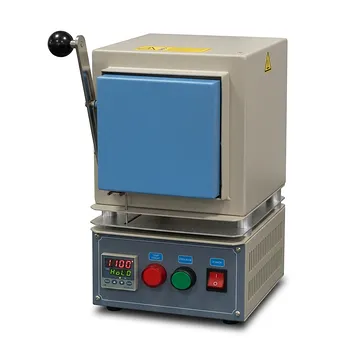
Compact 1100C Muffle Furnace with Programmable Temperature Control and High Purity Alumina Insulation for Material Research

High Temperature 1700C Benchtop Tube Furnace with 5 Inch Heating Zone High Purity Alumina Tube and Vacuum Sealing Flanges
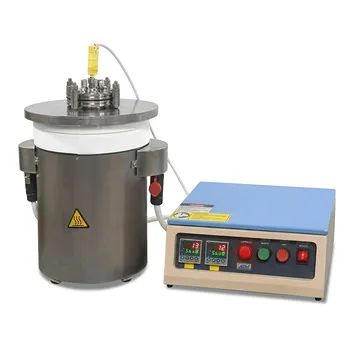
600°C Vertical Crucible Furnace with SS316 Alloy Reactor and 6 Port Vacuum Flange
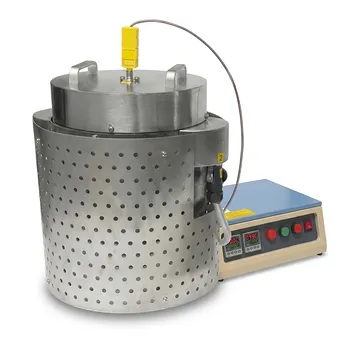
Vertical Crucible Furnace 1000C High Temperature Laboratory Equipment 4.7 Inch Diameter Chamber SS316 Anti Corrosive Enclosure
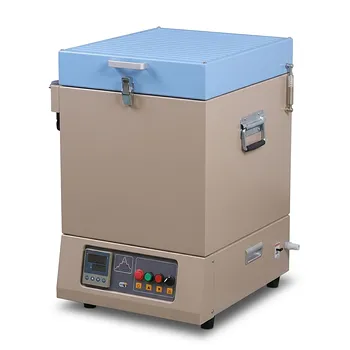
High Temperature Vertical Crucible Furnace with 22L Heating Chamber and 1200C Maximum Temperature
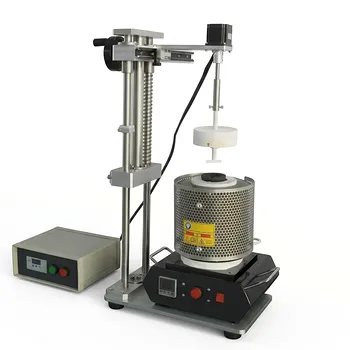
1100C Crucible Melting Furnace with Stirring Function for Glovebox and Air Sensitive Alloy Research
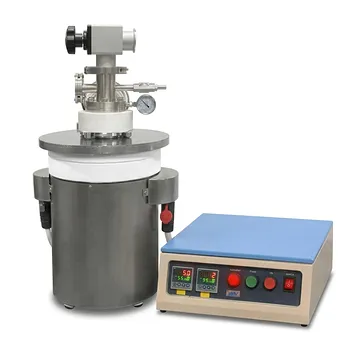
1100C High Temperature Vacuum Crucible Furnace with Quartz Chamber for Thermal Processing and Sintering
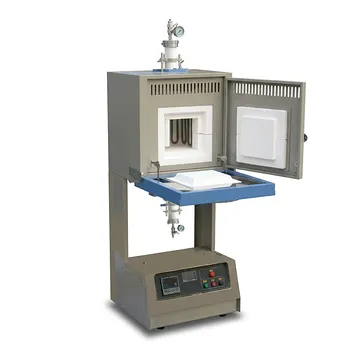
Vertical Hybrid High Temperature Furnace 1500C Alumina Tube SOFC Fuel Cell Testing Laboratory Heat Treatment Research Equipment
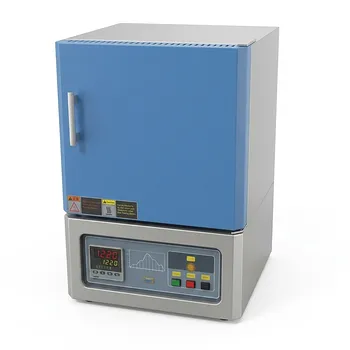
High Temperature Benchtop Muffle Furnace 1700C 10L Chamber Alumina Fiber Insulation MoSi2 Heating Elements
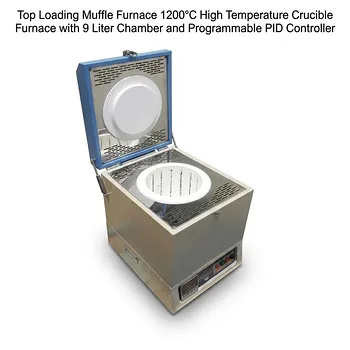
Top Loading Muffle Furnace 1200°C High Temperature Crucible Furnace with 9 Liter Chamber and Programmable PID Controller