What are the technical considerations for using steel crucibles in the induction melting of Mg-Al-Ca alloys? Guide
Updated 3 months ago
Steel crucibles are the preferred choice for induction melting Mg-Al-Ca alloys because they function as active heating elements while maintaining chemical compatibility. The high magnetic permeability of steel allows for direct coupling with the electromagnetic field, while the negligible solubility of magnesium and calcium in iron prevents significant melt contamination.
Core Takeaway: Utilizing steel crucibles in the induction melting of Mg-Al-Ca alloys optimizes both thermal efficiency and chemical purity by leveraging the steel's induction susceptibility and its natural lack of reactivity with alkaline earth metals.
Induction Heating and Thermal Efficiency
Direct Electromagnetic Coupling
Unlike ceramic containers, a steel crucible acts as a susceptor within the induction field. This means the electromagnetic energy directly heats the crucible walls, which then transfer heat to the raw materials via conduction and radiation.
Rapid Temperature Advancement
This direct coupling enables a rapid temperature rise, significantly shortening the time required to reach the melting points of magnesium and calcium. Faster melting cycles reduce the window for atmospheric oxidation and improve overall energy efficiency in the production of high-purity solid solutions.
Chemical Compatibility and Melt Purity
Low Elemental Solubility
The primary technical advantage of steel is that magnesium and calcium have extremely low solubility in iron. Because these elements do not readily dissolve into the iron matrix, the risk of iron impurities leaching into the Mg-Al-Ca melt is minimized.
Differential Melting Points
The significant gap between the melting points of the alloy components and the steel crucible provides a safety buffer. This thermal separation ensures the crucible maintains its structural integrity while the magnesium-based materials reach a fully molten state.
Comparison to Refractory Alternatives
While high-purity alumina crucibles offer excellent refractoriness and chemical stability up to 740°C, they are typically transparent to induction fields. Steel provides the dual benefit of being both the container and the heat source, which is often more practical for rapid industrial processing.
Kinetic and Geometric Considerations
Surface Area-to-Volume Ratios
The internal geometry of the crucible is a critical parameter for quantifying evaporation rate constants. A crucible’s specific inner diameter determines the free surface area of the melt, which directly influences the interfacial reaction kinetics and the loss of volatile elements like calcium during the refining process.
Chemical Precision in Specialized Alloys
For biomedical-grade materials, maintaining chemical precision is paramount. While graphite crucibles are used for their electrical conductivity and stability around 690°C, steel remains the standard for larger-scale Mg-Al-Ca melts where high-purity iron-based containers provide a reliable barrier against unwanted chemical reactions.
Understanding the Trade-offs
Erosion and Scaling
Despite the low solubility of Mg and Ca in iron, steel crucibles are subject to thermal cycling fatigue. Repeated heating and cooling can lead to surface scaling or oxidation on the exterior of the crucible, which may eventually necessitate replacement to prevent structural failure.
Temperature Limitations
While steel is effective for magnesium alloys, its utility is limited as temperatures approach the iron melting point. At extreme temperatures—such as the 1873 K required for iron-based melts—alumina or other ceramic refractories are necessary to resist erosion and maintain melt purity.
Contamination Risks
If the alloy remains in the liquid state for excessive periods at high temperatures, the "negligible" solubility of iron can become a factor. Precision monitoring is required to ensure that the high-purity magnesium-based solid solution does not gradually absorb trace amounts of iron, which could compromise the corrosion resistance of the final alloy.
How to Apply This to Your Project
Recommendations Based on Your Objectives
- If your primary focus is rapid production and throughput: Use steel crucibles to take advantage of direct induction heating and minimize melting cycle times.
- If your primary focus is maximizing chemical purity for biomedical use: Consider high-purity alumina or graphite crucibles, as they offer superior chemical inertness at temperatures between 690°C and 740°C.
- If your primary focus is controlling volatile element loss: Select a crucible geometry that minimizes the surface area-to-volume ratio to reduce the evaporation rate of calcium and magnesium.
By matching the crucible material to the specific thermal and chemical requirements of the Mg-Al-Ca system, you ensure a high-quality, high-purity alloy suitable for advanced engineering or medical applications.
Summary Table:
| Technical Factor | Impact on Mg-Al-Ca Melting | Key Benefit |
|---|---|---|
| Heating Mode | Steel acts as a susceptor | Rapid temperature rise and high efficiency |
| Solubility | Negligible Mg/Ca solubility in Fe | Prevents iron contamination in the melt |
| Thermal Separation | High melting point gap | Maintains structural integrity of the crucible |
| Geometry | Specific surface area ratios | Control over volatile element evaporation |
| Material Choice | Standard iron-based containers | Cost-effective and scalable for industrial use |
Optimize Your Thermal Processing with THERMUNITS
As a global leader in high-temperature laboratory equipment, THERMUNITS delivers precision-engineered solutions for material science and industrial R&D. Whether you are refining Mg-Al-Ca alloys or developing advanced ceramics, our equipment ensures superior control and repeatability.
Our Specialized Thermal Solutions Include:
- Vacuum Induction Melting Furnaces (VIM): Perfect for high-purity alloy development.
- Comprehensive Range: Muffle, Vacuum, Atmosphere, Tube, Rotary, and Hot Press Furnaces.
- Advanced Systems: CVD/PECVD systems, Dental Furnaces, and Electric Rotary Kilns.
- Essential Components: High-performance Thermal Elements and heat treatment accessories.
Ready to enhance your laboratory's efficiency and melt purity? Let our experts help you select the ideal thermal processing system for your specific research goals.
References
- W. Luo, H. Springer. Metallurgical Synthesis Methods for Mg-Al-Ca Scientific Model Materials. DOI: 10.1007/s11661-024-07655-7
Mentioned Products
- Automatic 10 Crucible Induction Melting and Casting System with Stirring Function and Glovebox Integration 2000C
- High Temperature Induction Melting System with Multi Cavity Crucible and 15KW Precision Digital Temperature Control
- 1100C Crucible Melting Furnace with Stirring Function for Glovebox and Air Sensitive Alloy Research
- High Temperature Induction Melting System with Integrated Ultra High Purity Glove Box for Metallic Alloy Processing
- 1900C Maximum High Temperature 7KW Vacuum Induction Melting System with 60mm Quartz Tube and Manual Temperature Control for Metallic Alloy Research
People Also Ask
- Why must high-purity argon gas be used as a protective atmosphere during high-temperature reduction smelting experiments?
- How should the choice between a Quartz crucible and an Alumina crucible be made for La2O2S? Optimize Material Purity
- How does Vacuum Induction Melting mitigate hydrogen embrittlement? Ensure Structural Integrity for Critical Alloys
- What role does Vacuum Induction Melting play in medical implants? Ensure High-Purity Alloys for Superior Performance
- Why is Vacuum Induction Melting preferred for manufacturing corrosion-resistant alloys? Ensure Ultra-High Purity

Tech Team · ThermUnits
Last updated on Jun 03, 2026
Related Products
Automatic 10 Crucible Induction Melting and Casting System with Stirring Function and Glovebox Integration 2000C
High Temperature Induction Melting System with Multi Cavity Crucible and 15KW Precision Digital Temperature Control
1100C Crucible Melting Furnace with Stirring Function for Glovebox and Air Sensitive Alloy Research
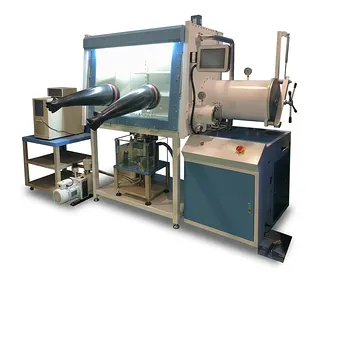
High Temperature Induction Melting System with Integrated Ultra High Purity Glove Box for Metallic Alloy Processing
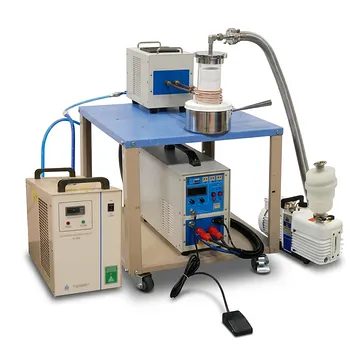
1900C Maximum High Temperature 7KW Vacuum Induction Melting System with 60mm Quartz Tube and Manual Temperature Control for Metallic Alloy Research
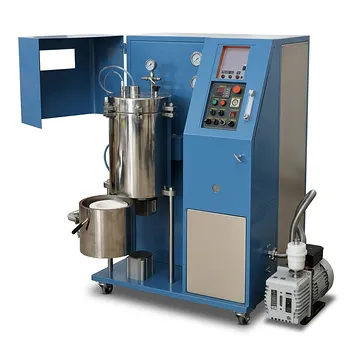
High Pressure Induction Melting Casting System 1700C Max for Alloy Granulation and Infiltration Equipment
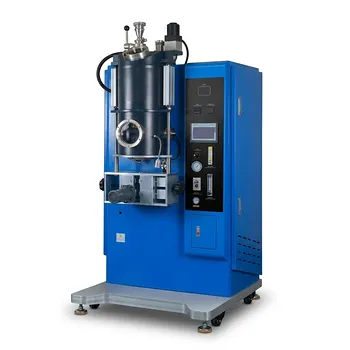
Atmosphere Controlled Continuous Casting Furnace with Secondary Charge Function for Induction Melting and Metal Alloy Wire Production
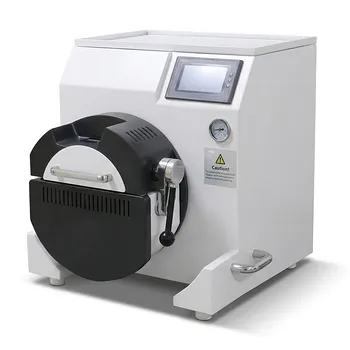
Desktop Induction Melting Furnace with Automatic Rotary Casting Function up to 1700C for Advanced Metal Alloy Research
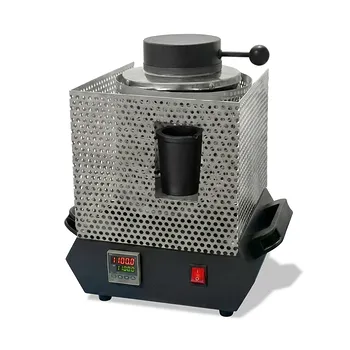
Compact Crucible Melting Furnace 1100C Programmable Temperature Controller Metal Sintering Equipment
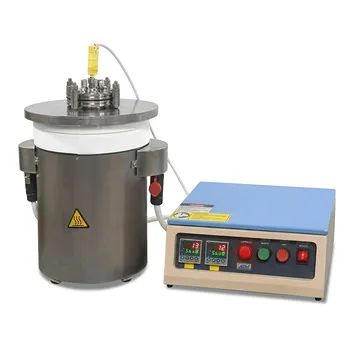
600°C Vertical Crucible Furnace with SS316 Alloy Reactor and 6 Port Vacuum Flange
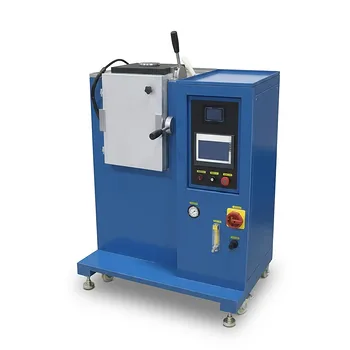
High Throughput Induction Melting and Casting Furnace for Superalloy Research 1700C Atmosphere Controlled Multi Sample System
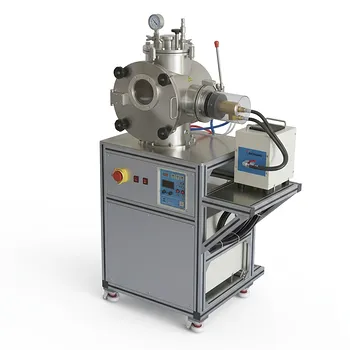
Induction Melting Casting Furnace 1750C Vacuum High Frequency Metal Processing Unit
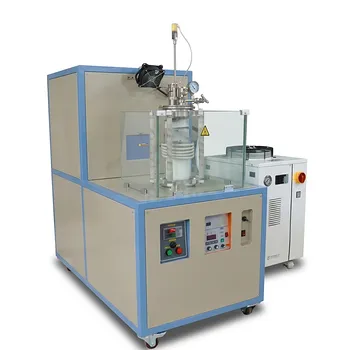
15KW Induction Melting System with Top Suction Casting for Thin Rod Production Up to 1200°C
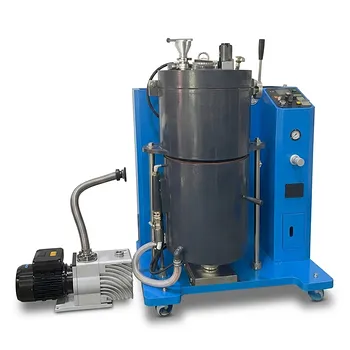
Atmosphere Controlled Induction Melting Casting System 1600C 10L Capacity
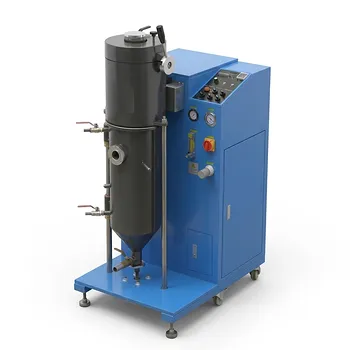
Atmosphere Controlled Induction Melting Granulating Casting Furnace 1500C 5kg Capacity
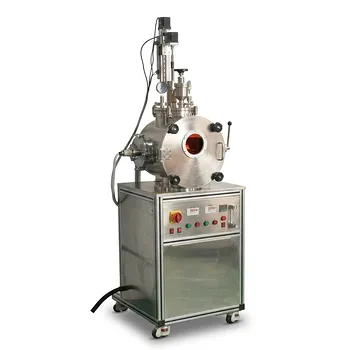
High Vacuum Melting Casting Furnace with Mechanical Stirring and Secondary Charge for Metallic Alloy Research
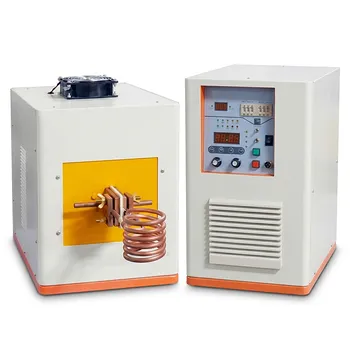
30KW High Frequency Induction Heater for Metal Melting and Industrial Heat Treatment 80-200kHz
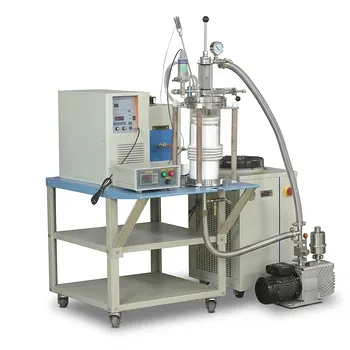
15KW 1700C Max Induction Heater 6 Inch Tube with Dose Feeding and Melt Stirring Function
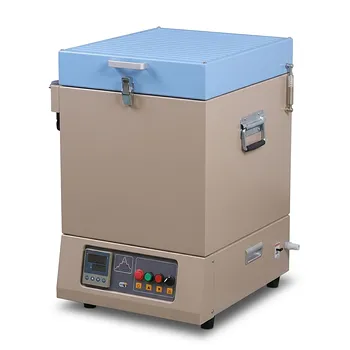
High Temperature Vertical Crucible Furnace with 22L Heating Chamber and 1200C Maximum Temperature