Why is Vacuum Induction Melting preferred for manufacturing corrosion-resistant alloys? Ensure Ultra-High Purity
Updated 5 months ago
Vacuum Induction Melting (VIM) is the preferred method for manufacturing high-performance corrosion-resistant alloys because it eliminates harmful gases and "tramp" elements that compromise metal integrity. By processing the melt in a vacuum, manufacturers can achieve precise chemical compositions and ultra-high purity levels that are impossible to reach through conventional air-melting. This process directly results in alloys with superior resistance to pitting, cracking, and structural failure in the world's most demanding environments.
Core Takeaway: VIM provides the metallurgical "cleanliness" necessary for alloys to survive aggressive oil and gas conditions by removing microscopic impurities that act as triggers for corrosion and mechanical failure.
Eliminating the Internal Triggers of Corrosion
Deep Removal of Dissolved Gases
The vacuum environment facilitates the extraction of dissolved gases such as oxygen, nitrogen, and hydrogen from the molten metal. Removing oxygen prevents the formation of non-metallic inclusions, while eliminating hydrogen is critical for preventing hydrogen-induced cracking in high-strength alloys.
Stripping Volatile "Tramp" Elements
VIM allows for the removal of harmful, low-vapor-pressure impurities—often called tramp elements—that can migrate to grain boundaries. By stripping these elements, the alloy becomes significantly more resistant to intergranular corrosion and stress-corrosion cracking (SCC).
Reducing Non-Metallic Inclusions
Because the process occurs in a contamination-free environment, the resulting alloy has fewer internal "voids" or inclusions. This level of purity is the physical basis for improving the fatigue strength and toughness required for high-pressure components.
Achieving Precise Chemical Engineering
Optimizing Chromium and Molybdenum Levels
Chromium and molybdenum are the primary elements responsible for pitting resistance in aggressive offshore environments. VIM allows for the precise adjustment of these levels without the risk of oxidative loss, ensuring the final product meets exact engineering specifications.
Preventing Sensitization During Welding
By effectively reducing carbon and nitrogen levels, VIM prevents "sensitization," a process where chromium carbides precipitate during welding. This ensures that the heat-affected zones of a weld remain as corrosion-resistant as the rest of the material, which is vital for long-term service life.
Ensuring Chemical Homogeneity
The VIM process utilizes electromagnetic induction, which creates a natural stirring effect within the melt pool. This ensures a highly uniform distribution of alloying elements, preventing "weak spots" that could become localized points of corrosion or failure.
Understanding the Trade-offs
High Capital and Operational Costs
VIM is a significantly more expensive process than air-induction melting or electric arc furnace melting due to the vacuum equipment and energy requirements. The high cost means it is typically reserved for critical applications where failure is not an option.
Batch Size Limitations
Vacuum chambers inherently limit the size of the melt compared to massive open-air furnaces. This can lead to longer lead times for large-scale projects that require significant volumes of material.
Technical Complexity
Operating a VIM furnace requires a high level of metallurgical expertise and precise control systems. Any breach in the vacuum or error in the heating cycle can ruin an entire batch of expensive specialty alloy.
Applying VIM Alloys to Your Project
How to Choose the Right Material Strategy
The decision to utilize VIM-processed alloys should be driven by the specific severity of the operating environment and the cost of potential failure.
- If your primary focus is Sour-Gas (H2S) environments: Prioritize VIM alloys for their ability to eliminate the trace impurities that lead to sulfide stress cracking.
- If your primary focus is HPHT (High-Pressure, High-Temperature) wells: Use VIM-refined materials to ensure the high toughness and fatigue resistance needed to withstand extreme mechanical loads.
- If your primary focus is Offshore Pitting Resistance: Select alloys with VIM-controlled molybdenum and chromium levels to ensure a high Pitting Resistance Equivalent Number (PREN).
- If your primary focus is Field-Welded Infrastructure: Choose VIM alloys with ultra-low carbon content to prevent sensitization and ensure the integrity of your connection points.
The extreme purity afforded by Vacuum Induction Melting is the fundamental requirement for materials designed to survive where standard alloys fail.
Summary Table:
| Key Benefit | VIM Mechanism | Impact on Performance |
|---|---|---|
| Gas Removal | Extracts O2, N2, and H2 | Prevents hydrogen-induced cracking and voids. |
| Purity Control | Strips volatile "tramp" elements | Increases resistance to stress-corrosion cracking (SCC). |
| Precise Chemistry | Accurate Cr, Mo, and C levels | Ensures high PREN and prevents weld sensitization. |
| Homogeneity | Electromagnetic induction stirring | Eliminates weak spots through uniform element distribution. |
Elevate Your Material Engineering with THERMUNITS
In the demanding oil and gas sector, material failure is not an option. THERMUNITS is a leading manufacturer of high-temperature laboratory equipment, providing the precision technology required for advanced material science and industrial R&D. Our state-of-the-art Vacuum Induction Melting (VIM) furnaces allow you to achieve the ultra-high purity and chemical exactness necessary for superior corrosion-resistant alloys.
Beyond VIM systems, we offer a comprehensive range of thermal processing solutions, including:
- Furnaces: Muffle, Vacuum, Atmosphere, Tube, Rotary, and Hot Press.
- Advanced Systems: CVD/PECVD systems, Dental Furnaces, and Electric Rotary Kilns.
- Specialized Equipment: Vacuum Induction Melting (VIM) furnaces and Thermal Elements.
Ready to optimize your heat treatment process? Contact our technical experts today to find the ideal furnace solution for your high-performance material needs.
Mentioned Products
- 1900C Maximum High Temperature 7KW Vacuum Induction Melting System with 60mm Quartz Tube and Manual Temperature Control for Metallic Alloy Research
- Induction Melting Casting Furnace 1750C Vacuum High Frequency Metal Processing Unit
- High Temperature Induction Melting System with Integrated Ultra High Purity Glove Box for Metallic Alloy Processing
- Atmosphere Controlled Induction Melting Granulating Casting Furnace 1500C 5kg Capacity
- Atmosphere Controlled Induction Melting Casting System 1600C 10L Capacity
People Also Ask
- What is the primary role of a Vacuum Induction Melting furnace in the smelting of Fe-Cr-N alloys? Ensuring High Purity
- How does a Vacuum Induction Melting furnace heat materials while preventing atmospheric contamination? Achieve High Purity
- What are the key structural components that make up a Vacuum Induction Melting (VIM) furnace system? Full Guide
- How does the skin effect influence VIM frequency selection? Optimize Heat Penetration & Stirring Efficiency
- What technical advantages does Vacuum Induction Melting offer regarding alloy homogeneity and purity? Enhance Performance

Tech Team · ThermUnits
Last updated on Apr 14, 2026
Related Products
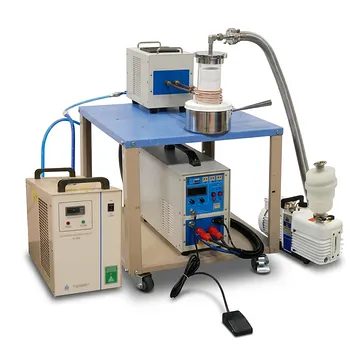
1900C Maximum High Temperature 7KW Vacuum Induction Melting System with 60mm Quartz Tube and Manual Temperature Control for Metallic Alloy Research
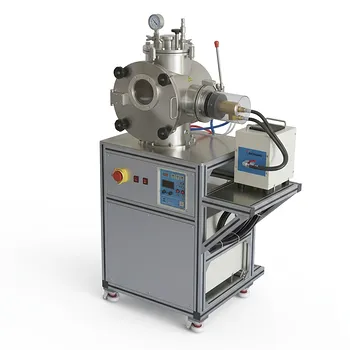
Induction Melting Casting Furnace 1750C Vacuum High Frequency Metal Processing Unit
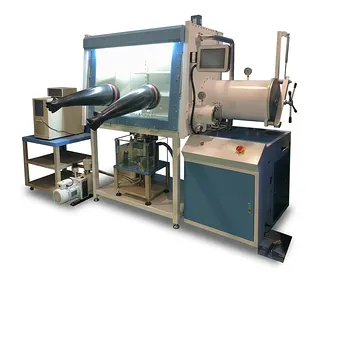
High Temperature Induction Melting System with Integrated Ultra High Purity Glove Box for Metallic Alloy Processing
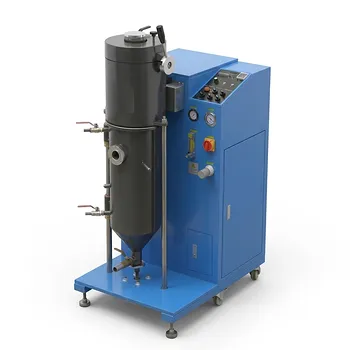
Atmosphere Controlled Induction Melting Granulating Casting Furnace 1500C 5kg Capacity
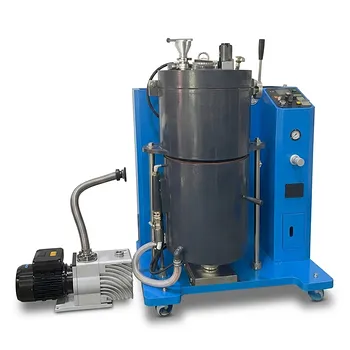
Atmosphere Controlled Induction Melting Casting System 1600C 10L Capacity
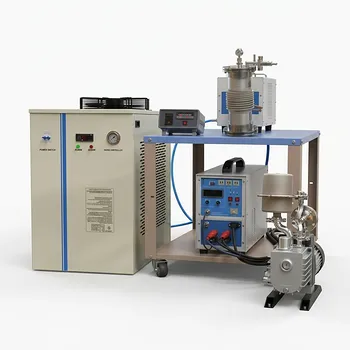
Induction Heating System with Temperature Control for High Temperature Vacuum Sintering and Melting
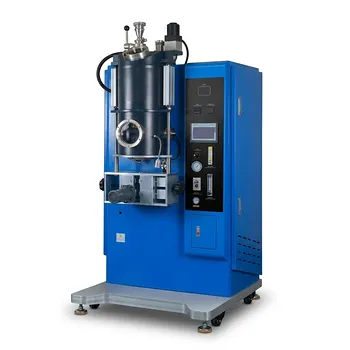
Atmosphere Controlled Continuous Casting Furnace with Secondary Charge Function for Induction Melting and Metal Alloy Wire Production
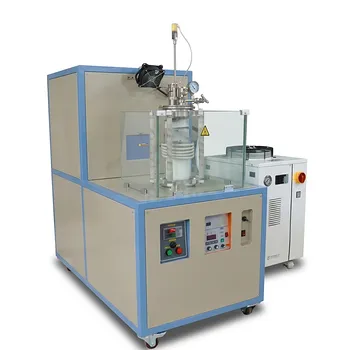
15KW Induction Melting System with Top Suction Casting for Thin Rod Production Up to 1200°C
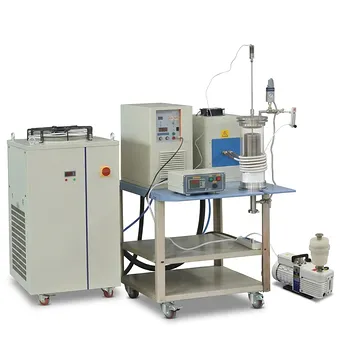
High Temperature Induction Melting System with Multi Cavity Crucible and 15KW Precision Digital Temperature Control
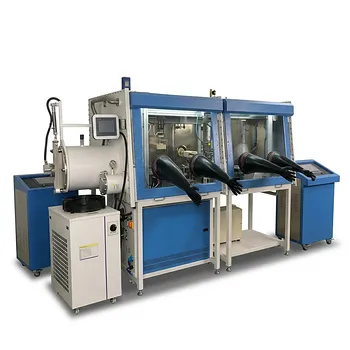
Automatic 10 Crucible Induction Melting and Casting System with Stirring Function and Glovebox Integration 2000C
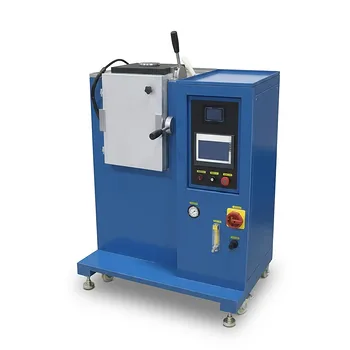
High Throughput Induction Melting and Casting Furnace for Superalloy Research 1700C Atmosphere Controlled Multi Sample System
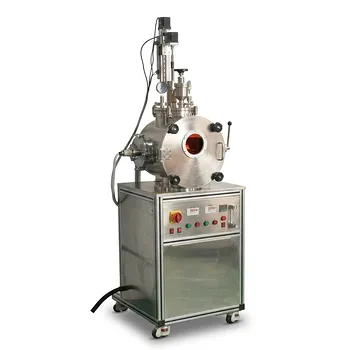
High Vacuum Melting Casting Furnace with Mechanical Stirring and Secondary Charge for Metallic Alloy Research
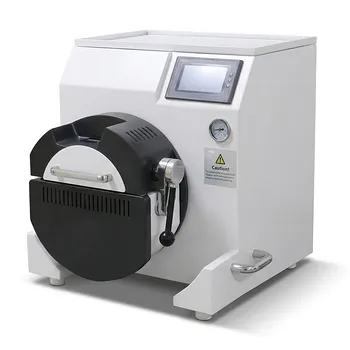
Desktop Induction Melting Furnace with Automatic Rotary Casting Function up to 1700C for Advanced Metal Alloy Research
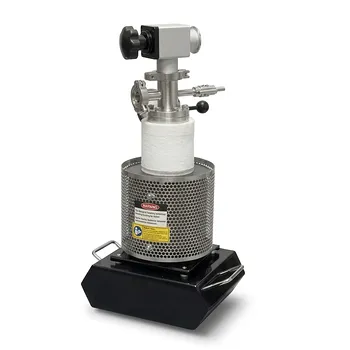
High Temperature 1100C Compact Top Loading Vertical Vacuum Tube Furnace for High Vacuum Noble Metal Melting and Material Research
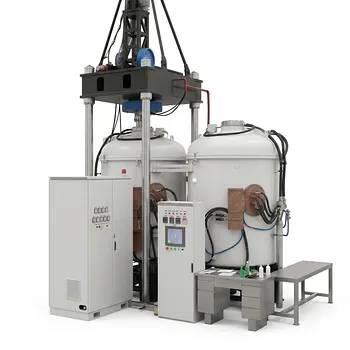
High Pressure 600T Vacuum Induction Hot Press Furnace for Advanced Material Heat Treatment and Sintering
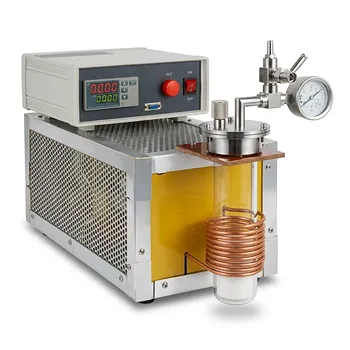
High Temperature Mini Induction Heating Furnace 1600C Laboratory Material Melting System
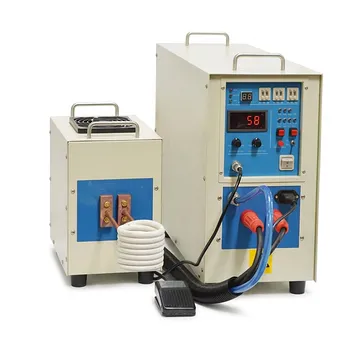
High Frequency Desktop Induction Heater 15 KVA Induction Heating System with Automatic Timer Control for Material Research and Metal Melting
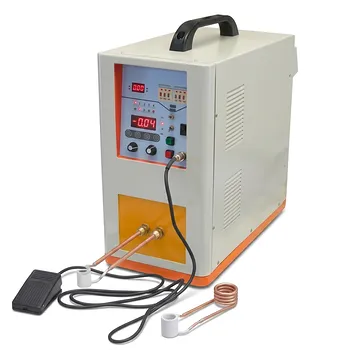
Desktop High Frequency Induction Heater for Precision Metal Melting and Laboratory Thermal Processing 0.6 to 1.1MHz
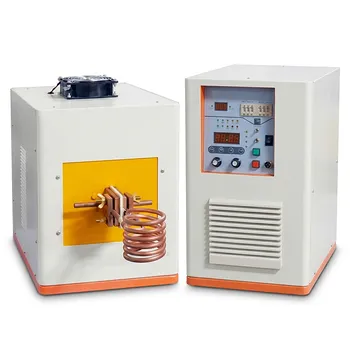
30KW High Frequency Induction Heater for Metal Melting and Industrial Heat Treatment 80-200kHz