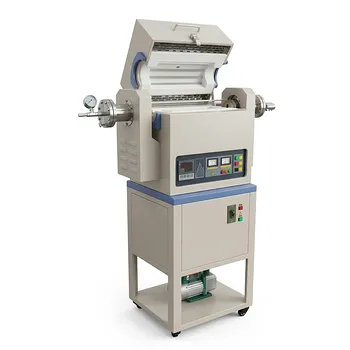
What are the typical operating parameters for an electric rotary kiln? Guide to Precision Material Processing
Updated 5 months ago
Electric rotary kilns provide a highly controlled thermal environment for continuous material processing. Standard configurations typically operate at temperatures between 1050 °C and 1200 °C, though specialized units can reach up to 1500 °C. These systems maintain slow, consistent rotation speeds ranging from 0.5 to 5 rpm to ensure uniform heat distribution and material homogenization.
Core Takeaway: The electric rotary kiln is defined by its ability to provide precise, multi-zone temperature control and customizable atmospheres, achieving thermal efficiencies far higher than traditional fuel-fired alternatives.
Defining the Thermal Performance
Standard and Specialized Temperature Ranges
Most industrial electric rotary kilns operate within a range of 1050 °C to 1200 °C. For more demanding applications, specialized induction designs or electromagnetic systems can push these limits toward 1500 °C.
Zonal Precision and Control
Unlike combustion-based systems, electric kilns use independent heating zones regulated by SCR or PID controllers. This allows operators to maintain distinct preheating, reaction, and soaking zones with a precision of ±3 to 5 °C.
Atmosphere and Purity
Because heat is delivered through radiation and conduction rather than combustion, the processed material is isolated from exhaust gases. This enables the use of inert, reducing, or oxidizing atmospheres without the risk of contamination from ash or smoke.
Mechanical Dynamics and Rotation
Rotation Speed and Material Agitation
Rotation speeds are generally kept low, between 0.5 and 5 rpm, to facilitate a gentle tumbling motion. This continuous movement, often aided by internal lifters or chains, prevents uneven heating and ensures every particle makes contact with the heated shell or atmosphere.
Residence Time and Throughput
Material typically remains within the kiln for 1 to 3 hours, though this can be extended based on specific process requirements. This duration is controlled by a combination of the kiln’s rotation speed and its mechanical inclination.
Monitoring and Structural Integrity
To protect the cylindrical steel shell from high internal heat, kilns are lined with refractory materials. Operators monitor performance using thermocouples or infrared scanners to track both the internal process temperature and the external shell temperature.
Understanding the Trade-offs
Energy Efficiency vs. Utility Costs
Electric kilns boast exceptional thermal efficiency, often between 75% and 95%, compared to the 45% to 65% seen in fuel-fired systems. However, the cost-effectiveness of this efficiency depends heavily on local electricity prices versus gas or coal costs.
Maintenance and Lifespan
These systems feature a robust and simple construction with a service life often exceeding 25 years. Maintenance is significantly lower because there are no burners or complex fuel delivery systems to service, though heating elements eventually require replacement.
Scalability Limits
While electric kilns offer superior control, they may face scalability challenges for extremely high-volume commodity processing where the sheer energy density of combustion is preferred. They are most effective for specialty chemicals, powders, and high-purity materials.
Making the Right Choice for Your Goal
To maximize the performance of an electric rotary kiln, align your operational parameters with your specific production objectives:
- If your primary focus is material purity: Prioritize an indirectly heated design that utilizes inert atmospheric control to prevent oxidation or contamination.
- If your primary focus is energy efficiency: Utilize multi-zone PID control to ensure heat is only applied where necessary, taking advantage of the system's high thermal transfer rates.
- If your primary focus is chemical homogeneity: Set rotation speeds to the lower end of the spectrum (0.5–2 rpm) and utilize internal lifters to maximize gas-solid contact time.
- If your primary focus is equipment longevity: Implement regular infrared shell scanning to detect refractory thinning before it compromises the structural integrity of the steel shell.
By precisely balancing temperature zones and rotation speeds, the electric rotary kiln provides a level of process consistency that is unattainable with traditional combustion methods.
Summary Table:
| Parameter | Standard Range | Specialized/Advanced |
|---|---|---|
| Operating Temp | 1050°C - 1200°C | Up to 1500°C |
| Rotation Speed | 0.5 - 5 RPM | High-torque variable |
| Thermal Efficiency | 75% - 95% | Multi-zone optimized |
| Residence Time | 1 - 3 Hours | Customizable via tilt/speed |
| Control Precision | ±3 to 5 °C | SCR/PID independent zones |
Elevate Your R&D with THERMUNITS Thermal Solutions
Achieving precise material homogenization requires equipment designed for accuracy and durability. THERMUNITS is a leading manufacturer of high-temperature laboratory equipment for material science and industrial R&D. We offer a comprehensive range of thermal processing solutions, including Electric Rotary Kilns, Muffle, Vacuum, Atmosphere, Tube, and Hot Press furnaces, as well as CVD/PECVD systems and Vacuum Induction Melting (VIM) furnaces.
Our electric rotary kilns provide the superior temperature uniformity and atmospheric purity necessary for high-stakes specialty chemical and powder research. Whether you need standard laboratory heat treatment equipment or a custom-engineered system, our experts are here to support your mission.
Ready to optimize your thermal process? Contact THERMUNITS Today for a professional consultation and quote.
Mentioned Products
- Electric Rotary Kiln Continuous Working Small Rotary Furnace Heating Pyrolysis Plant
- Electric Rotary Kiln Small Rotary Furnace for Activated Carbon Regeneration
- Electric Rotary Kiln Small Rotary Furnace Biomass Pyrolysis Plant
- 900°C Max Rotary Tube Furnace with 8 Inch 310S Alloy Tube and Optional Multi Zone Heating for Industrial Material Calcination
- High Temperature Tilting Rotary Tube Furnace with Integrated Mass Flow Control and Multi Zone Heating
People Also Ask
- What thermal efficiency can be expected from an electric rotary kiln compared to fuel-fired alternatives? Gain 95% efficiency.
- How does the use of an electric rotary kiln facilitate CO2 capture in cement and lime production? Achieve High-Purity CCUS
- What are the maintenance and service life advantages of an electric rotary kiln? 25+ Year Longevity & Low Maintenance
- How does the electric rotary kiln support environmental compliance and sustainability? Achieve Zero-Emission Production
- What are the primary components and heating mechanisms of an electric rotary kiln? Optimize High-Purity Heat Treatment

Tech Team · ThermUnits
Last updated on Apr 14, 2026
Related Products
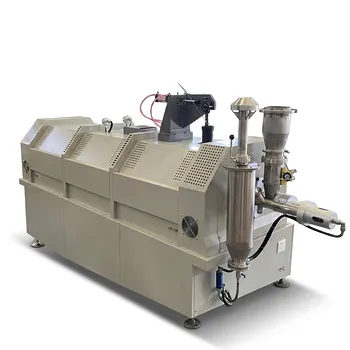
Electric Rotary Kiln Continuous Working Small Rotary Furnace Heating Pyrolysis Plant
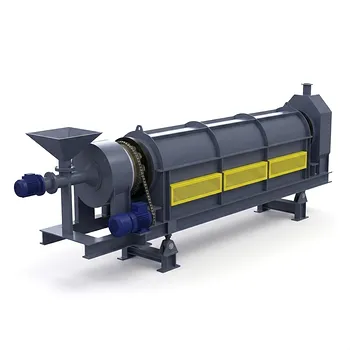
Electric Rotary Kiln Small Rotary Furnace for Activated Carbon Regeneration
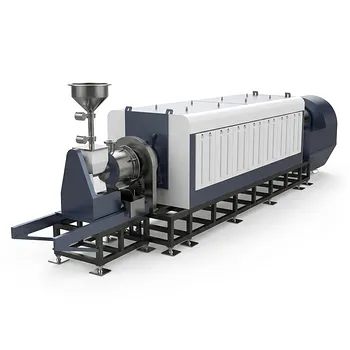
Electric Rotary Kiln Small Rotary Furnace Biomass Pyrolysis Plant
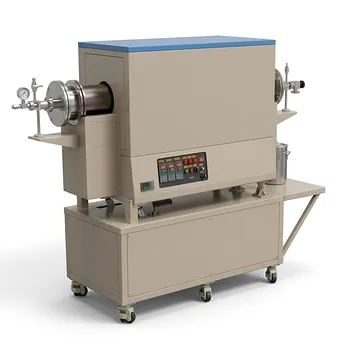
900°C Max Rotary Tube Furnace with 8 Inch 310S Alloy Tube and Optional Multi Zone Heating for Industrial Material Calcination
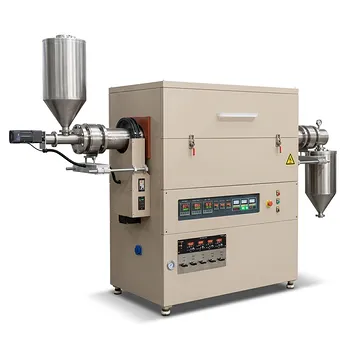
High Temperature Tilting Rotary Tube Furnace with Integrated Mass Flow Control and Multi Zone Heating
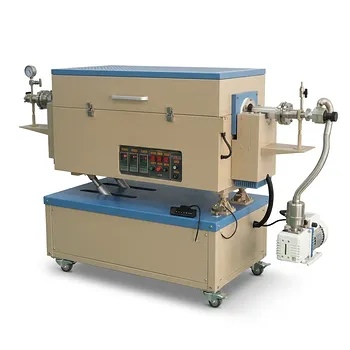
Three Zone Rotary Tube Furnace for High Temperature Powder Processing and Material Research
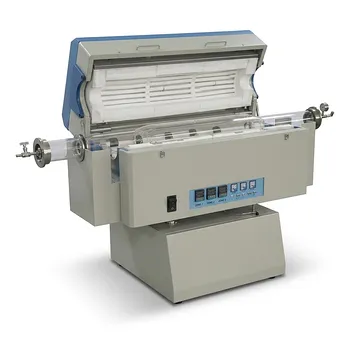
Large Three Temperature Zone Rotating Tube Furnace for High Uniformity Material Sintering
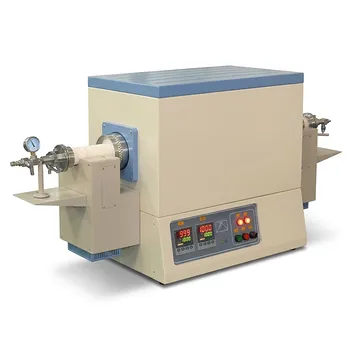
High Temperature 1700C Dual Zone Rotary Tube Furnace with 60mm Alumina Tube and Precision Rotation Control
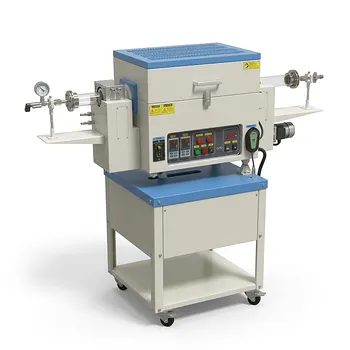
4 Inch Two Zone Rotary CVD Tube Furnace for High Temperature Battery Material Synthesis and Advanced Material Calcination
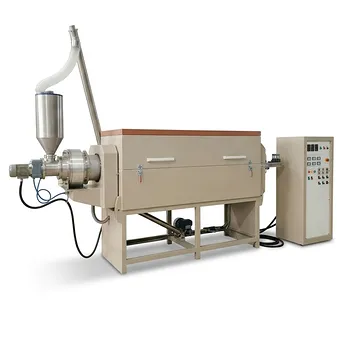
Continuous Feeding Rotary Tube Furnace for Industrial Powder Heat Treatment and Material Research
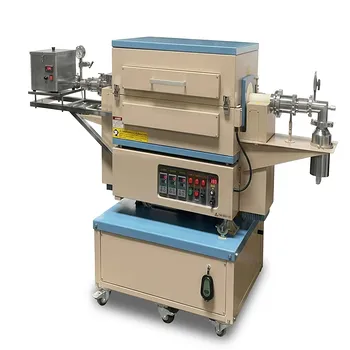
1500C 3-Zone Rotary Tube Furnace 60mm with Automatic Powder Feeding and Receiving System for Continuous Material Synthesis
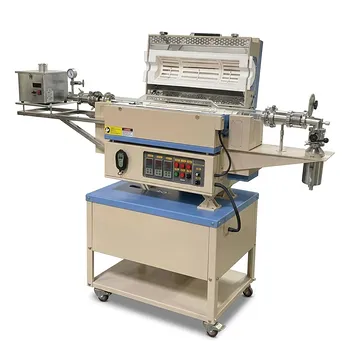
5 Inch Rotary Tube Furnace with Automatic Feeding and Receiving System 1200C Three Zone CVD Powder Processing

Vertical 1700C Vacuum and Atmosphere Tube Furnace with 80mm Alumina Tube
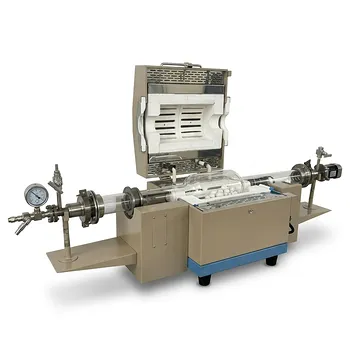
High Temperature Rotary Tube Furnace with Integrated Ball Milling and Gas Flow Function for Powder Nitriding
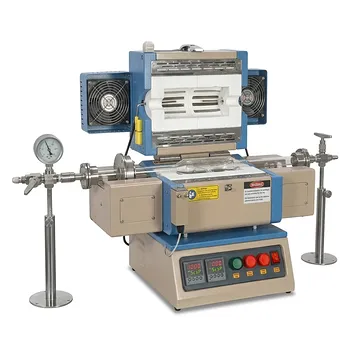
Dual Zone Rotary Tube Furnace for Uniform Powder Calcination 1000C 2 Inch Quartz Tube
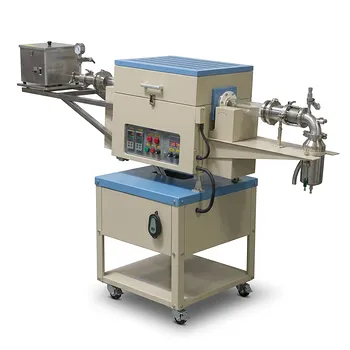
Two Zone Rotary CVD Furnace with Automatic Feeding and Receiving System for Powder Processing
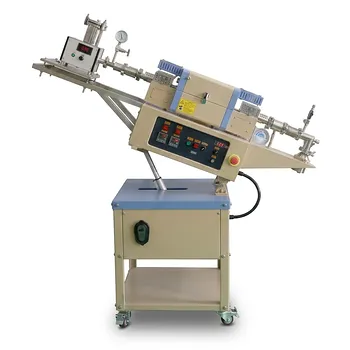
1100°C Dual Zone Rotary Tube Furnace with Automatic Feeding and Collection System for Continuous Powder Processing
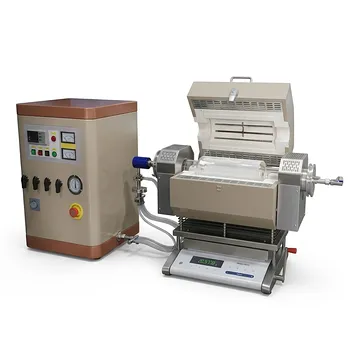
Mini Rotary Tubular Furnaces for Precision Powder Heat Treatment and Thermogravimetric Analysis
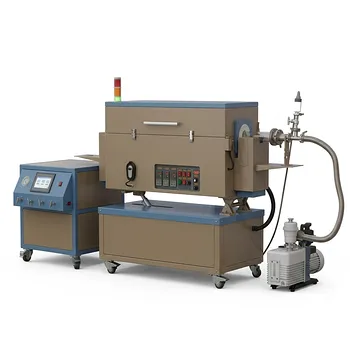
5 Inch Three Zone Rotary Tube Furnace with Integrated Gas Delivery System and 1200C Capability for Advanced Material CVD Processing