What are the unique advantages of a VIM furnace? Achieve Superior Purity & Chemical Homogeneity in Lab Experiments
Updated 3 months ago
The primary advantage of a Vacuum Induction Melting (VIM) furnace is its ability to combine ultra-high purity environments with active electromagnetic stirring. While standard resistance furnaces rely on passive heat radiation, a VIM furnace uses electromagnetic induction to heat the metal directly, enabling rapid temperature control, the removal of dissolved gases (oxygen, hydrogen, and nitrogen), and the creation of chemically homogeneous alloys that are impossible to achieve through thermal conduction alone.
A VIM furnace is the definitive tool for laboratory experiments requiring extreme chemical precision and material purity. It transforms the melting process from simple heating into a controlled metallurgical environment that eliminates atmospheric contamination and ensures uniform element distribution.
Enhanced Chemical Homogeneity and Mixing
The Power of Electromagnetic Stirring
Unlike resistance furnaces that rely on slow, natural convection, a VIM furnace generates electromagnetic stirring within the melt pool. The same induction currents used to heat the metal create a physical movement that thoroughly mixes all alloying elements.
Eliminating Composition Segregation
This active mixing ensures a high degree of chemical homogeneity, even when dealing with high-alloy steels or dense additives. It prevents "segregation," where heavier elements sink to the bottom, ensuring every part of your sample has an identical composition.
Uniform Dispersion of Micro-Additives
For experiments involving nanocomposites or trace micro-alloying elements like vanadium and titanium, VIM is essential. The stirring effect ensures these inoculants disperse rapidly and uniformly, which is critical for achieving a consistent, fine-grained microstructure in the final solid state.
Superior Purity and Degassing Capabilities
Eliminating Atmospheric Contamination
VIM furnaces operate under high-vacuum conditions (often reaching levels like 6.67 x 10^-3 Pa), which completely eliminates oxidation. This environment prevents the introduction of impurities from the surrounding air, which is a common failure point in standard resistance heating.
Effective Removal of Dissolved Gases
The vacuum environment allows for the aggressive degassing of the melt. By lowering the pressure, the furnace effectively draws out volatile impurities and dissolved gases such as oxygen, hydrogen, and nitrogen that would otherwise weaken the material or cause porosity.
Protection of Reactive Elements
When working with active alloying elements like chromium, titanium, or rare earth metals, VIM prevents them from reacting with oxygen. This leads to a significantly higher recovery rate of these expensive and sensitive materials, ensuring the final alloy matches the intended experimental formula.
Precision Control and Material Integrity
Rapid and Direct Heating
In a VIM furnace, the heat is induced directly within the metal material rather than being transferred from an external heating element. This allows for much faster heating cycles and more responsive temperature adjustments compared to the slow thermal lag of resistance coils.
Non-Contact Heating Mechanisms
Because the energy is transferred via magnetic fields, there is a reduced risk of container contamination. The direct heating nature minimizes the interaction between the melt and the crucible, preserving the "cleanliness" of high-purity metals.
Optimizing Material Interfaces
In specialized research, such as copper-carbon bonding, the VIM environment prevents the oxidation of copper at high temperatures. This is vital for optimizing interface bonding, a process that would be compromised by the presence of even trace amounts of oxygen in a standard furnace.
Understanding the Trade-offs
Complexity and Operational Cost
VIM systems are significantly more complex and expensive than standard resistance furnaces. They require specialized vacuum pumps, cooling systems, and induction power supplies, which increases the initial investment and maintenance requirements.
Material Conductivity Constraints
Because the furnace relies on induction, the material being melted must be electrically conductive. While resistance furnaces can heat almost any material via radiation, VIM is specifically optimized for metals and alloys, making it less versatile for non-conductive ceramics or glasses.
Geometry and Coupling Efficiency
The efficiency of a VIM furnace is highly dependent on how well the induction coil "couples" with the metal charge. Small or irregularly shaped samples may require specific crucible setups or susceptors to heat effectively, whereas a resistance furnace provides uniform heat regardless of sample shape.
Applying VIM to Your Laboratory Goals
How to Apply This to Your Project
- If your primary focus is high-purity aerospace or tool steels: Use VIM to ensure the total removal of dissolved gases and prevent the oxidation of critical alloying elements.
- If your primary focus is developing new superalloys with rare earth metals: Leverage the vacuum environment and argon gas protection to ensure a high recovery rate of reactive components.
- If your primary focus is studying micro-alloying and grain refinement: Choose VIM for its electromagnetic stirring, which ensures that trace elements and inoculants are perfectly dispersed throughout the matrix.
- If your primary focus is simple melting of non-reactive materials: A standard resistance furnace may be more cost-effective if extreme purity and chemical homogeneity are not mission-critical.
By choosing a Vacuum Induction Melting furnace, you move beyond simple heating to achieve the absolute control over purity and composition necessary for high-performance metallurgical research.
Summary Table:
| Feature | Vacuum Induction Melting (VIM) | Resistance Melting Furnace |
|---|---|---|
| Heating Method | Electromagnetic induction (direct) | Thermal radiation (passive) |
| Atmosphere | High-vacuum or controlled gas | Air or limited protective gas |
| Mixing Action | Active electromagnetic stirring | Passive natural convection |
| Chemical Purity | Ultra-high (removes O2, H2, N2) | Moderate (prone to oxidation) |
| Homogeneity | Excellent (uniform element distribution) | Lower (potential for segregation) |
| Best For | Reactive metals, superalloys, R&D | Non-reactive materials, simple melting |
Elevate Your Material Research with THERMUNITS
As a leading manufacturer of high-temperature laboratory equipment, THERMUNITS provides the precision tools needed for advanced material science and industrial R&D. Whether you are developing complex superalloys or refining high-purity metals, our Vacuum Induction Melting (VIM) furnaces offer the electromagnetic stirring and degassing capabilities essential for success.
Our comprehensive range includes:
- Advanced Furnaces: Muffle, Vacuum, Atmosphere, Tube, Rotary, and Hot Press.
- Specialized Systems: CVD/PECVD, Dental Furnaces, Electric Rotary Kilns, and VIM furnaces.
- Components: High-quality Thermal Elements and heat treatment accessories.
Ready to optimize your thermal processing? Contact our expert team today to discuss how THERMUNITS can provide a custom solution tailored to your laboratory's needs.
References
- Yejin Song, Jeong Young Park. Reversibility in Structural Dynamics on Pt−Ni Bimetallic Nanocrystals under Redox Conditions. DOI: 10.1002/cctc.202401082
Mentioned Products
- 1900C Maximum High Temperature 7KW Vacuum Induction Melting System with 60mm Quartz Tube and Manual Temperature Control for Metallic Alloy Research
- Induction Melting Casting Furnace 1750C Vacuum High Frequency Metal Processing Unit
- High Temperature Induction Melting System with Integrated Ultra High Purity Glove Box for Metallic Alloy Processing
- Atmosphere Controlled Induction Melting Granulating Casting Furnace 1500C 5kg Capacity
- Atmosphere Controlled Induction Melting Casting System 1600C 10L Capacity
People Also Ask
- What is the primary role of a Vacuum Induction Melting furnace in the smelting of Fe-Cr-N alloys? Ensuring High Purity
- How does a Vacuum Induction Melting furnace heat materials while preventing atmospheric contamination? Achieve High Purity
- What are the key structural components that make up a Vacuum Induction Melting (VIM) furnace system? Full Guide
- How does the skin effect influence VIM frequency selection? Optimize Heat Penetration & Stirring Efficiency
- What technical advantages does Vacuum Induction Melting offer regarding alloy homogeneity and purity? Enhance Performance

Tech Team · ThermUnits
Last updated on Jun 02, 2026
Related Products
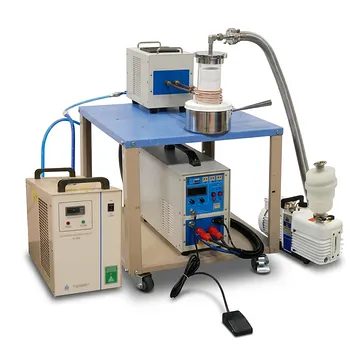
1900C Maximum High Temperature 7KW Vacuum Induction Melting System with 60mm Quartz Tube and Manual Temperature Control for Metallic Alloy Research
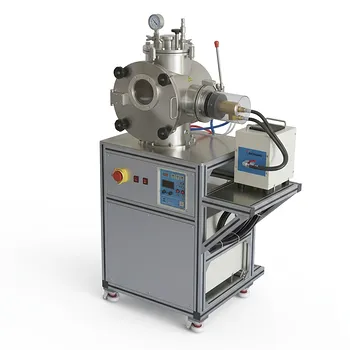
Induction Melting Casting Furnace 1750C Vacuum High Frequency Metal Processing Unit
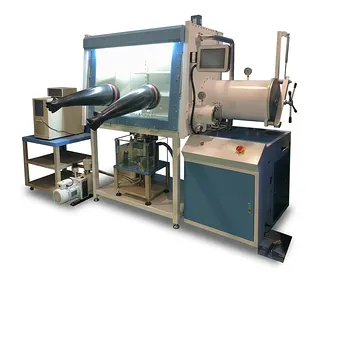
High Temperature Induction Melting System with Integrated Ultra High Purity Glove Box for Metallic Alloy Processing
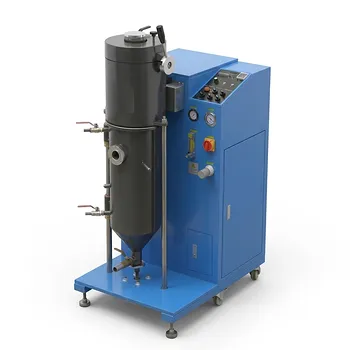
Atmosphere Controlled Induction Melting Granulating Casting Furnace 1500C 5kg Capacity
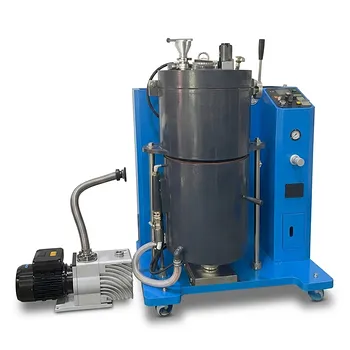
Atmosphere Controlled Induction Melting Casting System 1600C 10L Capacity
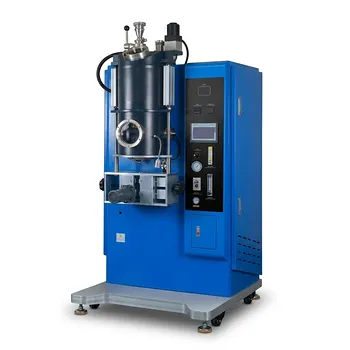
Atmosphere Controlled Continuous Casting Furnace with Secondary Charge Function for Induction Melting and Metal Alloy Wire Production
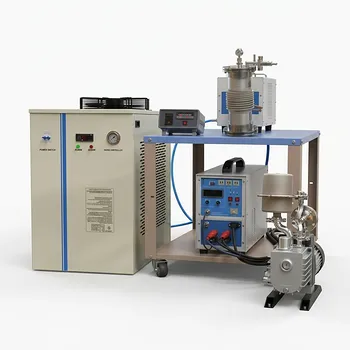
Induction Heating System with Temperature Control for High Temperature Vacuum Sintering and Melting
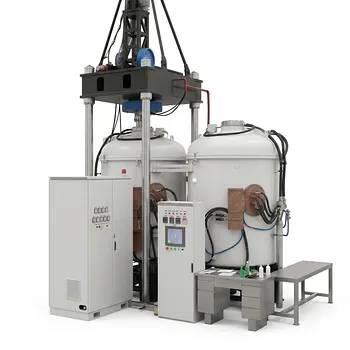
High Pressure 600T Vacuum Induction Hot Press Furnace for Advanced Material Heat Treatment and Sintering
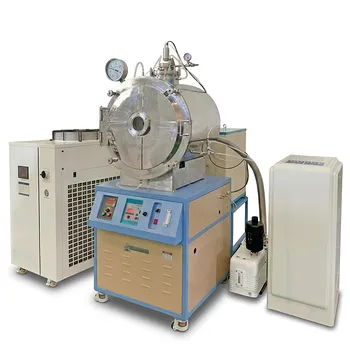
Ultra High Temperature Induction Heated Vacuum Furnace with Molten Salt Electrolysis Capability and 3000 Degree Precision Control
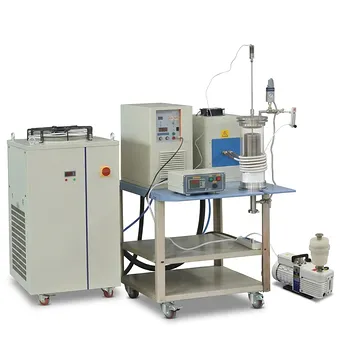
High Temperature Induction Melting System with Multi Cavity Crucible and 15KW Precision Digital Temperature Control
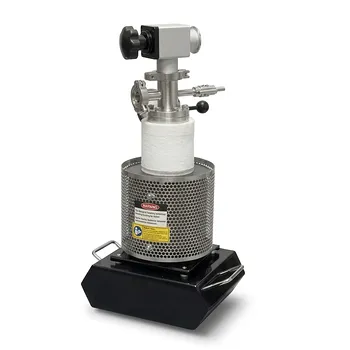
High Temperature 1100C Compact Top Loading Vertical Vacuum Tube Furnace for High Vacuum Noble Metal Melting and Material Research
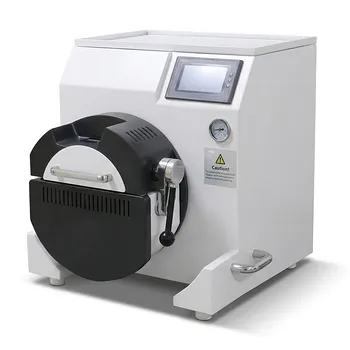
Desktop Induction Melting Furnace with Automatic Rotary Casting Function up to 1700C for Advanced Metal Alloy Research
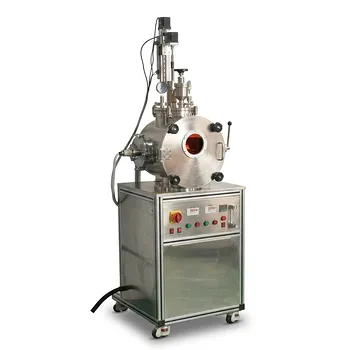
High Vacuum Melting Casting Furnace with Mechanical Stirring and Secondary Charge for Metallic Alloy Research
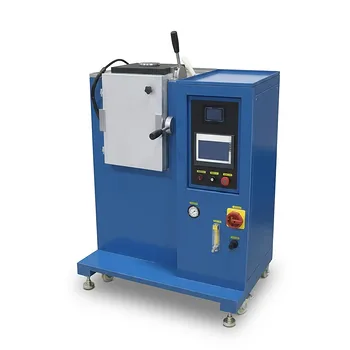
High Throughput Induction Melting and Casting Furnace for Superalloy Research 1700C Atmosphere Controlled Multi Sample System
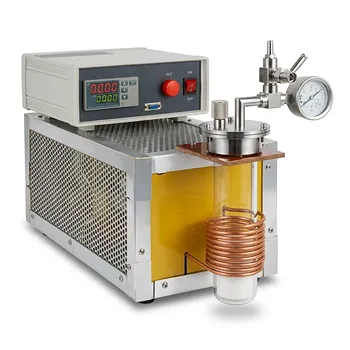
High Temperature Mini Induction Heating Furnace 1600C Laboratory Material Melting System
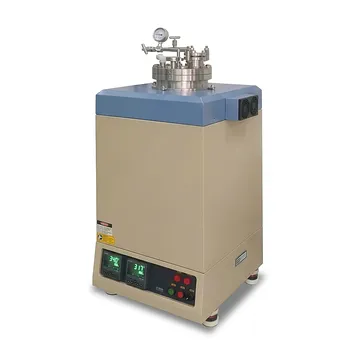
High Temperature 1000C Vacuum Furnace with 8 Inch ID Chamber for Material Sintering and Research Annealing
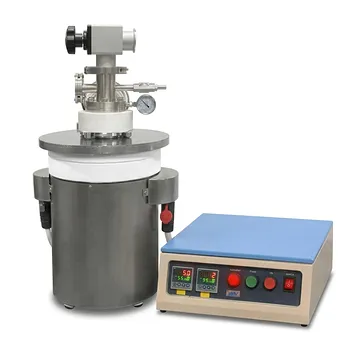
1100C High Temperature Vacuum Crucible Furnace with Quartz Chamber for Thermal Processing and Sintering
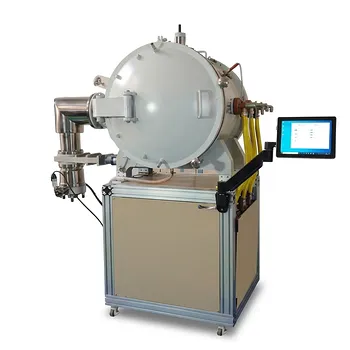
High Temperature Cold Wall Vacuum Furnace for Advanced Material Sintering and Annealing 1600C Heating Area 200x200x300mm
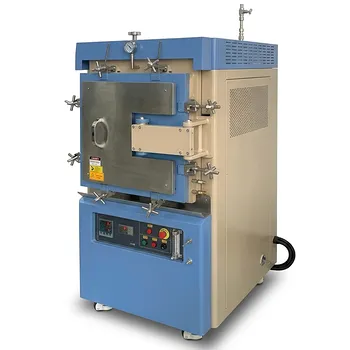
Atmosphere Controlled Muffle Furnace 1700C Maximum Temperature 80L High Capacity Vacuum Inert Gas Box Furnace
