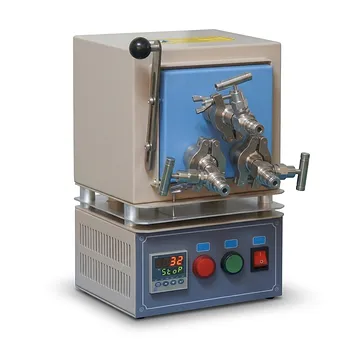
Full-fiber muffle furnace conditions for plastic pyrolysis: Achieve precise thermal control and high yields.
Updated 3 months ago
The full-fiber insulation muffle furnace provides a high-precision thermal and atmospheric environment essential for plastic waste pyrolysis. Specifically, it maintains a stable degradation window between 270°C and 515°C while ensuring a uniform temperature gradient across the reaction zone. This controlled environment allows for the ordered cleavage of polymer chains, transforming waste into high-value liquid oils and solid char.
The muffle furnace serves as a specialized reactor environment that combines high-efficiency thermal insulation with precise atmospheric control. Its primary role is to facilitate predictable thermal degradation by eliminating oxygen and maintaining a steady, programmable heating rate.
Precision Thermal Management
Maintaining the Critical Degradation Window
The furnace is designed to operate within a specific range of 270°C to 515°C, which is the sweet spot for most plastic degradation. This precise control ensures that the temperature remains at the set point throughout the duration of the experiment.
The Advantage of Full-Fiber Insulation
Full-fiber insulation is used to provide high-efficiency thermal resistance, significantly reducing heat loss to the external environment. This creates a uniform temperature gradient within the reactor, which is vital for maintaining consistent degradation rates across the entire sample.
Digital Programmable Control
Equipped with high-precision digital systems, these furnaces allow researchers to set accurate heating ramps. This level of management ensures that the pyrolysis temperature is not only reached but held with minimal fluctuation.
Atmospheric and Kinetic Control
Establishing an Oxygen-Free Environment
By integrating an Argon or Nitrogen supply system, the furnace creates an absolute oxygen-free atmosphere. This prevents the combustion of the plastic waste, ensuring the process remains a true pyrolysis reaction rather than incineration.
Managing Heating Rates and Volatilization
A constant heating rate, such as 5°C per minute, allows for the steady removal of volatile components. This slow release is critical to preventing the structural collapse of the material during outgassing.
Controlling Polymer Chain Cleavage
Precise thermal management facilitates the ordered cleavage of polymer chains. This control is the primary factor in determining the carbon chain distribution and maximizing the yield of liquid pyrolysis oil.
Understanding the Trade-offs
Thermal Lag and Sensor Placement
While the furnace provides high precision, there can be a thermal lag between the heating elements and the core of the plastic waste. If the thermocouple is not positioned correctly, the internal temperature of the sample may differ from the furnace display.
Limitations of Fiber Insulation
Full-fiber insulation allows for rapid heating and cooling cycles, which improves throughput. However, these fibers can be susceptible to chemical erosion if corrosive gases are released during the degradation of certain plastics like PVC.
Gas Flow Dynamics
Introducing inert gases to maintain an oxygen-free environment can create convective cooling effects. If the gas flow rate is too high, it may disrupt the temperature uniformity that the fiber insulation is designed to provide.
Applying Furnace Settings to Your Research Goals
How to Apply This to Your Project
Achieving the best results from a muffle furnace depends on aligning the heating profile with your desired end product.
- If your primary focus is maximizing liquid oil yield: Maintain a stable temperature within the 400°C to 500°C range to promote consistent polymer chain scission.
- If your primary focus is producing high-quality biochar: Utilize a slow heating rate (e.g., 5°C/min) and a steady inert gas flow to develop complex microporous and mesoporous structures.
- If your primary focus is energy efficiency: Leverage the full-fiber insulation's retention capabilities to minimize power consumption during long-duration carbonization.
By mastering the furnace's thermal and atmospheric variables, you can transform inconsistent plastic waste into a predictable stream of valuable chemical resources.
Summary Table:
| Key Condition | Specification / Range | Research Benefit |
|---|---|---|
| Thermal Window | 270°C – 515°C | Stable degradation & ordered chain cleavage |
| Insulation | High-efficiency Full-Fiber | Uniform temperature gradient & energy savings |
| Atmosphere | Oxygen-free (Ar/N2) | Prevents combustion; ensures true pyrolysis |
| Heating Rate | Digital Programmable | Controlled volatilization & structural integrity |
| Control System | High-precision Digital | Minimal fluctuation for predictable oil/char yield |
Optimize Your Pyrolysis Research with THERMUNITS
As a leading manufacturer of high-temperature laboratory equipment for material science and industrial R&D, THERMUNITS offers the precision tools you need to transform waste into value. Our high-performance full-fiber muffle furnaces ensure the stable thermal and atmospheric conditions critical for successful plastic degradation.
From Muffle, Vacuum, and Atmosphere furnaces to advanced CVD/PECVD systems and Electric Rotary Kilns, we provide comprehensive thermal processing solutions tailored to your specific research goals. Whether you are maximizing liquid oil yields or engineering high-quality biochar, our equipment delivers the accuracy and durability your lab requires.
Ready to elevate your heat treatment results? Contact Our Technical Experts Today
References
- Man Vir Singh, S. Tanwar. Exploring the Potential of Transforming Sustainable Waste Thermoplastics into Liquid Petrochemicals. DOI: 10.30919/esee1121
Mentioned Products
- High Temperature Benchtop Muffle Furnace 1700C 10L Chamber Alumina Fiber Insulation MoSi2 Heating Elements
- 1200°C Small Box Furnace 4.2 Liter Programmable Muffle Furnace with High Purity Alumina Insulation and PID Control
- High Temperature 1500C Benchtop Muffle Furnace 3.6L Alumina Fiber Chamber Programmable Controller Sintering Annealing Carbonization Thermal Processing System
- Five Side Heating Muffle Furnace High Purity Alumina Fiber 27L Chamber 1200C High Temperature Thermal Processing System for Sintering Annealing and Materials Research
- Five Sided Heating Muffle Furnace High Uniformity 1200C Lab Box Furnace 27L Alumina Fiber Chamber
People Also Ask
- What is the function of a muffle furnace in aluminoborosilicate glass prep? Stabilize Raw Materials for Superior Purity
- What is the purpose of using muffle or tube furnaces in glass synthesis? Achieve Precise Melt-Quenching & Homogeneity
- What is the function of a high-temp muffle furnace in Ni-V oxide synthesis? Optimize your material's performance.
- What is the function of a high-temperature muffle furnace in phosphorus-modified zeolite catalyst preparation?
- What role does a high-temperature muffle furnace play in evaluating the mineral composition of rock samples? LOI & XRF Guide

Tech Team · ThermUnits
Last updated on Jun 02, 2026
Related Products
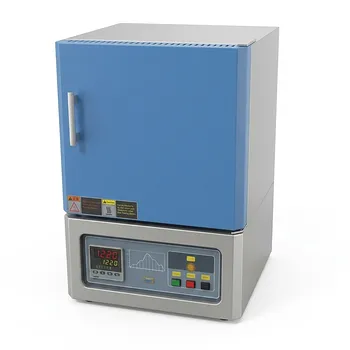
High Temperature Benchtop Muffle Furnace 1700C 10L Chamber Alumina Fiber Insulation MoSi2 Heating Elements
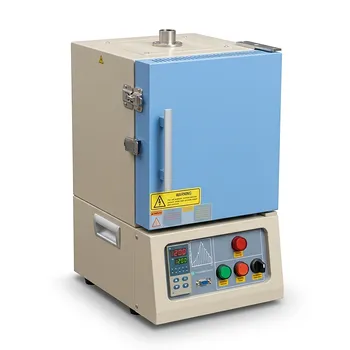
1200°C Small Box Furnace 4.2 Liter Programmable Muffle Furnace with High Purity Alumina Insulation and PID Control
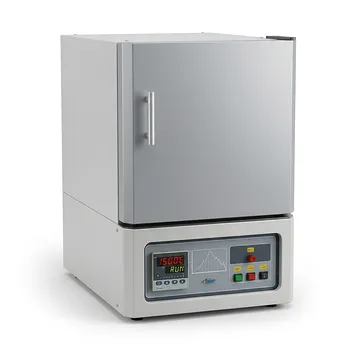
High Temperature 1500C Benchtop Muffle Furnace 3.6L Alumina Fiber Chamber Programmable Controller Sintering Annealing Carbonization Thermal Processing System
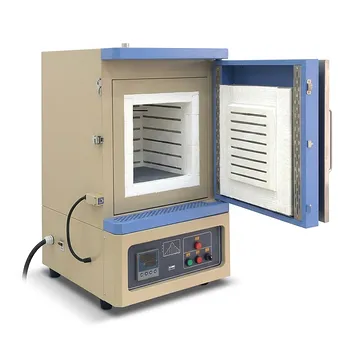
Five Side Heating Muffle Furnace High Purity Alumina Fiber 27L Chamber 1200C High Temperature Thermal Processing System for Sintering Annealing and Materials Research
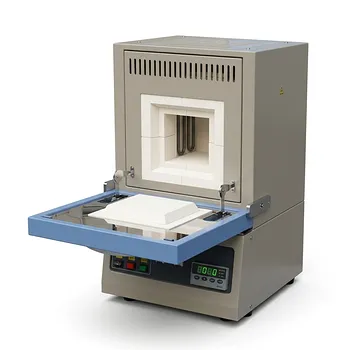
Five Sided Heating Muffle Furnace High Uniformity 1200C Lab Box Furnace 27L Alumina Fiber Chamber
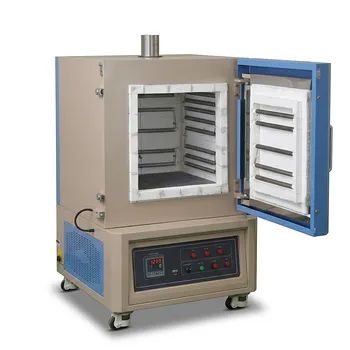
1200C High Temperature 125L Muffle Furnace 5 Side Heating for Large Batch Sintering with Optional Alloy Debinding Chamber
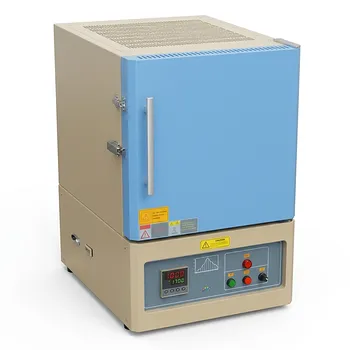
Large Bench Top 1700C High Temperature Muffle Furnace with 19L Chamber for Advanced Material Sintering and Annealing
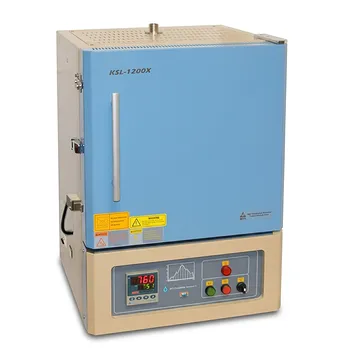
High Temperature 1200C Muffle Furnace 27L Volume 12x12x12 Chamber with Programmable PID Controller for Laboratory Material Science
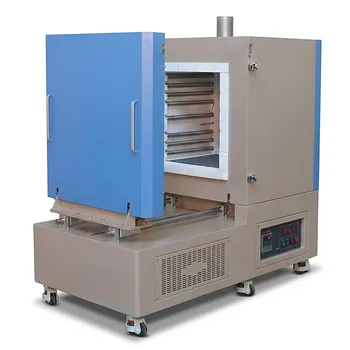
1200C Five Side Heating Muffle Furnace with Sliding Door 125L Volume High Temperature Heat Treatment System for Large Scale Sintering and Annealing
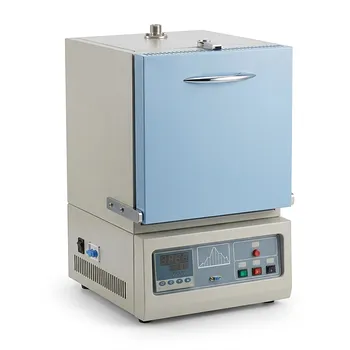
1750C Compact Muffle Furnace 1.7L Ultra High Temperature Laboratory Sintering System for Advanced Ceramics and Material Science Research
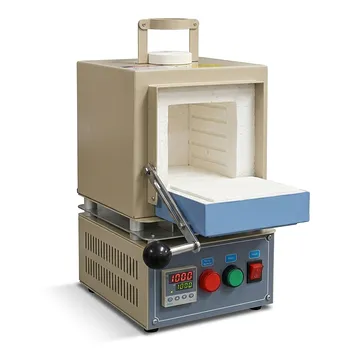
Compact 1000C Muffle Furnace with Programmable Controller and 2 Inch Top Port for Vacuum and Atmosphere Material Research
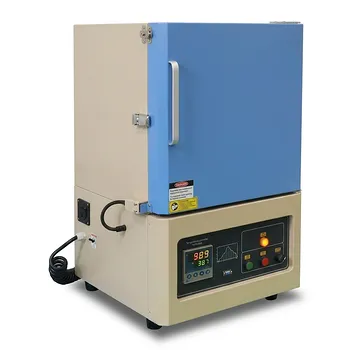
1200°C High Temperature Muffle Furnace 19L Chamber with 50 Segment Programmable Controller
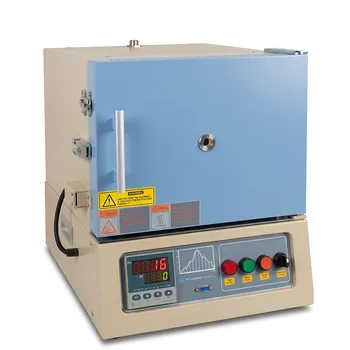
1200C Muffle Furnace 12x8x5 7.2L Heating Chamber with Quartz Observation Window and Vent Port
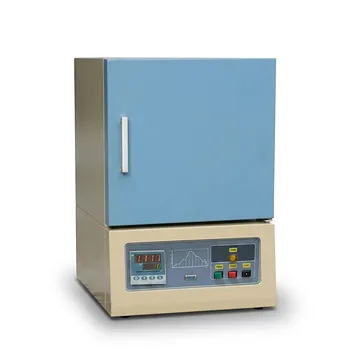
Ultra High Temperature Bench Top Muffle Furnace 1750C Sintering System with Kanthal Super Heating Elements and Precision Digital Control
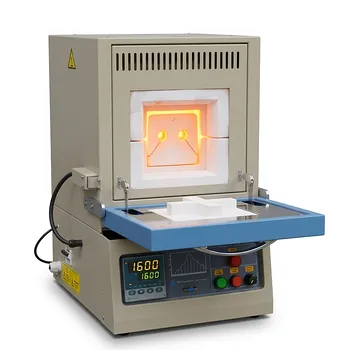
High Temperature Compact Muffle Furnace 1700 C with 30 Segment Programmable Controller and 1.7L Cubic Chamber
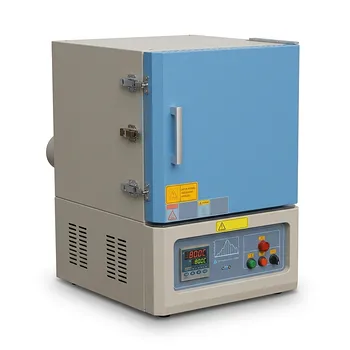
1800C Bench Top Muffle Furnace 18 Liters with Kanthal Super 1900 Heating Elements for High Purity Ceramic Sintering and Material Research
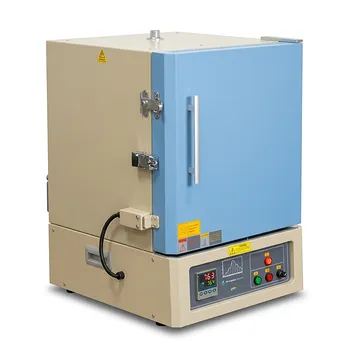
Large Capacity 1200C Muffle Furnace 64 Liter Chamber with Digital PID Controller and Built In Venting Port
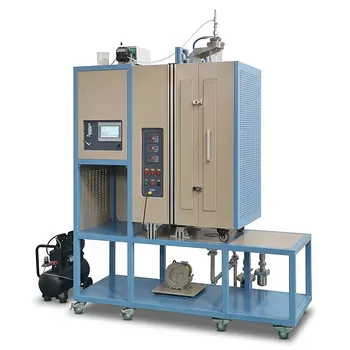
1500C Three Zone Vertical Pyrolysis Furnace for Nanoparticle Synthesis and Advanced Oxide Coating
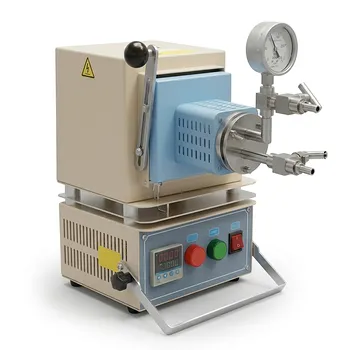
Compact Hybrid Muffle and Tube Furnace for 1000C Controlled Atmosphere Laboratory Material Sintering