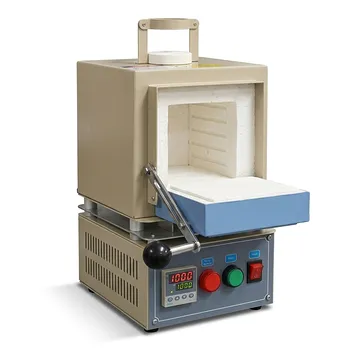
What conditions does a muffle furnace provide for sulfonation? Stable 150°C heat for 3D-printed carbon precursors.
Updated 6 months ago
The sulfonation cross-linking process requires a high-uniformity muffle furnace to maintain a stable 150 °C thermal environment while 3D-printed parts are immersed in concentrated sulfuric acid. This precise control allows for the uniform diffusion of acid and the subsequent chemical reactions needed to stabilize the polymer. By maintaining these conditions, the furnace ensures the precursor transitions from a meltable thermoplastic to a rigid, heat-resistant network.
A high-uniformity muffle furnace ensures that 3D-printed precursors undergo consistent dehydrogenation and cross-linking, transforming them from meltable thermoplastics into stable thermosets. This thermal precision is the foundation for preventing structural collapse during subsequent high-temperature carbonization steps.
The Criticality of Stable 150 °C Processing
Maintaining a Constant Thermal Environment
A high-uniformity muffle furnace provides a stable 150 °C environment essential for the slow, controlled reaction between the polymer and sulfuric acid. Consistency across the furnace chamber prevents localized "hot spots" that could cause uneven sulfonation or premature material degradation.
Enabling Molecular Diffusion
The furnace's heat provides the kinetic energy required for sulfuric acid molecules to diffuse deep into the core of the 3D-printed structure. Without uniform heating, the outer layers of the part might over-react while the interior remains uncross-linked, leading to structural failure during later stages.
Consistency for Subsequent Experiments
Stable temperature control within the muffle furnace is essential to ensure the structural integrity of the precursor remains intact. This reliability is vital for the consistency of any subsequent doping experiments or complex material synthesis steps.
The Chemical Transformation of Precursors
Dehydrogenation and Cross-linking Reactions
The muffle furnace facilitates specific dehydrogenation reactions where hydrogen atoms are removed from the polymer chain. This stage is immediately followed by cross-linking, which chemically bonds individual chains together to form a rigid, interconnected matrix.
From Polypropylene to Thermosetting Network
This thermal process effectively converts linear polypropylene into a highly cross-linked thermosetting network. By altering the molecular structure at this stage, the material loses its ability to melt, which is a fundamental requirement for high-temperature carbonization.
Facilitating Molecular Rearrangement
Similar to high-temperature synthesis in other carbon materials, the muffle furnace provides the energy needed for molecular rearrangement and polymerization. This ensures that the raw 3D-printed materials are successfully transformed into a stable, layered structure.
Understanding the Trade-offs and Pitfalls
Temperature Fluctuations and Ramp Rates
If the furnace cannot maintain a precise ramp rate, the rapid heating of concentrated acid could cause violent reactions or uneven structural stress. Instability in the thermal profile often results in internal voids or warped geometries in the final carbon part.
Exposure to Corrosive Environments
While the furnace provides the heat, the presence of concentrated sulfuric acid requires specialized containment to protect the furnace internals. Inadequate thermal uniformity can lead to inconsistent acid penetration, leaving "weak spots" that fail during the final carbonization phase.
Structural Integrity vs. Processing Speed
Attempting to accelerate the process by increasing temperatures beyond the recommended 150 °C risks destroying the precursor's 3D-printed features. A controlled, uniform soak is always preferable to a faster, non-uniform heating cycle.
Optimizing Your Sulfonation Workflow
Effective sulfonation is the bridge between a plastic print and a functional carbon structure.
- If your primary focus is structural retention: Ensure the muffle furnace maintains a high level of thermal uniformity to allow even cross-linking across complex, 3D-printed geometries.
- If your primary focus is material conversion efficiency: Use precise temperature control to maximize the diffusion rate of sulfuric acid without exceeding the polymer's thermal degradation threshold.
- If your primary focus is experimental consistency: Strictly monitor the furnace ramp rates to ensure that molecular rearrangement occurs at a predictable and repeatable pace.
Mastering the 150 °C stabilization phase ensures your 3D-printed precursors can withstand the extreme rigors of the carbonization furnace.
Summary Table:
| Critical Condition | Function in Process | Resulting Benefit |
|---|---|---|
| 150°C Thermal Stability | Maintains slow chemical reaction environment | Prevents material degradation/voids |
| High Heat Uniformity | Eliminates localized hot spots | Ensures consistent cross-linking throughout |
| Kinetic Energy Supply | Facilitates sulfuric acid diffusion | Deep core stabilization of 3D geometries |
| Controlled Ramp Rates | Manages molecular rearrangement speed | Prevents internal stress and warping |
| Structural Transition | Converts thermoplastic to thermoset | Ensures rigidity during high-temp carbonization |
Elevate Your Material Research with THERMUNITS
As a leading manufacturer of high-temperature laboratory equipment, THERMUNITS provides the precision thermal environments required for advanced material science and industrial R&D. Our high-uniformity Muffle Furnaces are specifically engineered to maintain the strict temperature profiles necessary for the sulfonation and cross-linking of 3D-printed carbon precursors.
Whether your workflow requires Vacuum, Atmosphere, Tube, or Hot Press furnaces, or complex CVD/PECVD systems, we offer comprehensive solutions to ensure your experimental consistency and structural integrity.
Ready to optimize your heat treatment process? Contact our experts today to find the perfect thermal processing solution for your laboratory.
References
- Paul N. Smith, Zhe Qiang. Accurate additive manufacturing of lightweight and elastic carbons using plastic precursors. DOI: 10.1038/s41467-024-45211-4
Mentioned Products
- Five Side Heating Muffle Furnace 1200C High Uniformity 64L Chamber 16x16x16 Inch Industrial Heat Treatment
- Five Sided Heating Muffle Furnace High Uniformity 1200C Lab Box Furnace 27L Alumina Fiber Chamber
- High Temperature 1500C Benchtop Muffle Furnace 3.6L Alumina Fiber Chamber Programmable Controller Sintering Annealing Carbonization Thermal Processing System
- Large Bench Top 1700C High Temperature Muffle Furnace with 19L Chamber for Advanced Material Sintering and Annealing
- 1200C High Temperature 125L Muffle Furnace 5 Side Heating for Large Batch Sintering with Optional Alloy Debinding Chamber
People Also Ask
- Why is the muffle design advantageous for the production of ceramics and glass? Ensure Purity and Structural Integrity
- How does the heating mechanism of a muffle furnace differ from that of an open-flame furnace? Indirect vs Direct Heat
- Why is a muffle furnace used for a 220°C preliminary baking after coating α-Fe2O3 nanorods with melamine? Explained
- What is the function of Muffle furnace calcination? Essential steps for Pr-doped SrFeMoO6 Perovskite synthesis.
- What is the function of an experimental muffle furnace in the conversion of FeOOH to α-Fe2O3? Optimize Phase Transition

Tech Team · ThermUnits
Last updated on Apr 14, 2026
Related Products
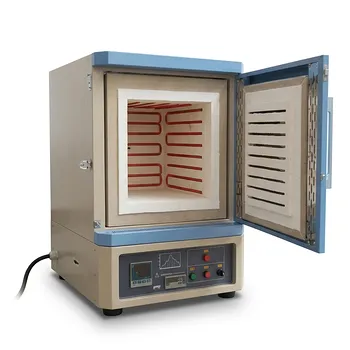
Five Side Heating Muffle Furnace 1200C High Uniformity 64L Chamber 16x16x16 Inch Industrial Heat Treatment
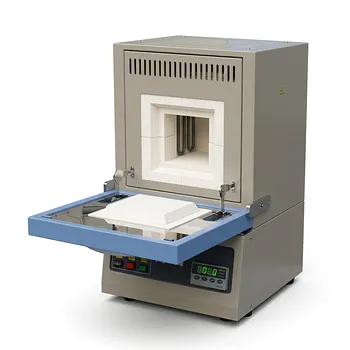
Five Sided Heating Muffle Furnace High Uniformity 1200C Lab Box Furnace 27L Alumina Fiber Chamber
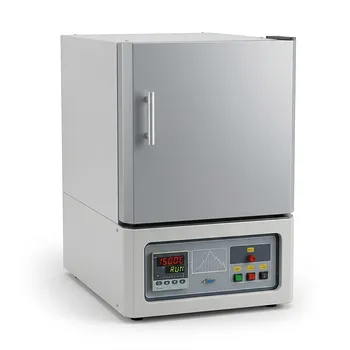
High Temperature 1500C Benchtop Muffle Furnace 3.6L Alumina Fiber Chamber Programmable Controller Sintering Annealing Carbonization Thermal Processing System
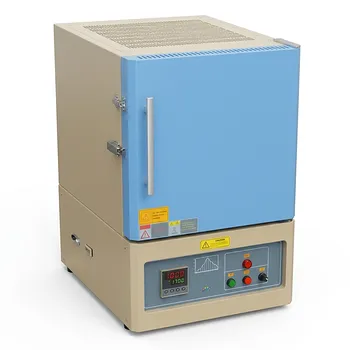
Large Bench Top 1700C High Temperature Muffle Furnace with 19L Chamber for Advanced Material Sintering and Annealing
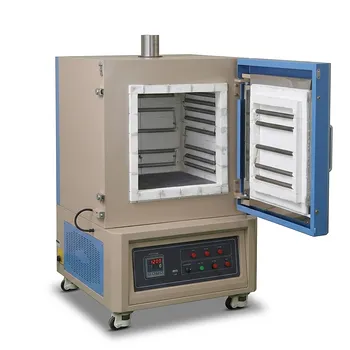
1200C High Temperature 125L Muffle Furnace 5 Side Heating for Large Batch Sintering with Optional Alloy Debinding Chamber
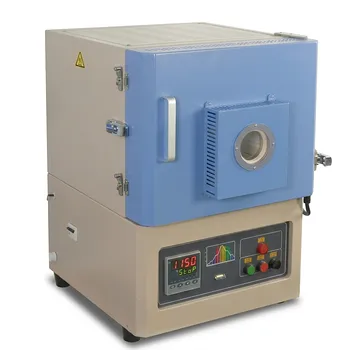
High Temperature Benchtop Muffle Furnace with Quartz Observation Window for Thermal Imaging and Material Analysis
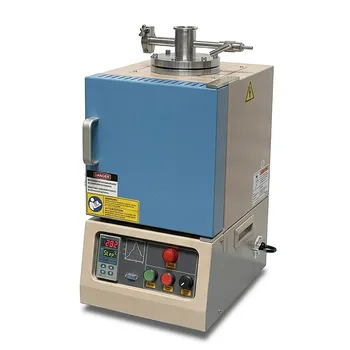
High Temperature Hybrid Muffle and Tube Furnace with Vacuum Capability and PID Control
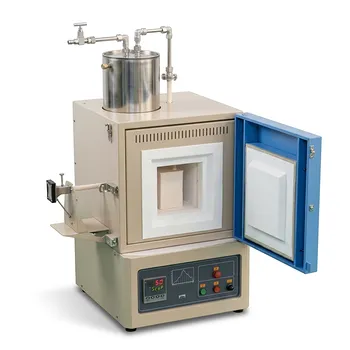
High Temperature Bench Top Muffle Furnace 1700C with Integrated Evaporating Particle Collection and 8x8x8 Alumina Fiber Chamber
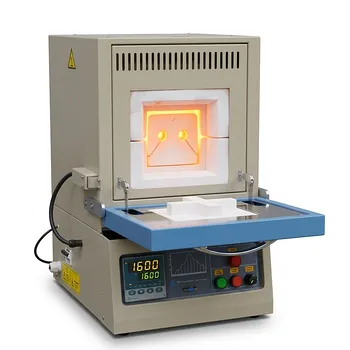
High Temperature Compact Muffle Furnace 1700 C with 30 Segment Programmable Controller and 1.7L Cubic Chamber
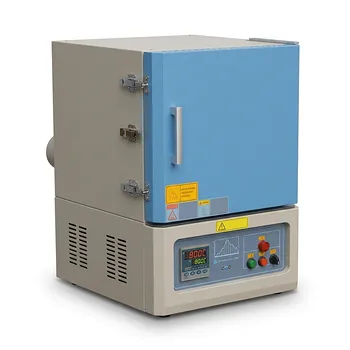
1800C Bench Top Muffle Furnace 18 Liters with Kanthal Super 1900 Heating Elements for High Purity Ceramic Sintering and Material Research
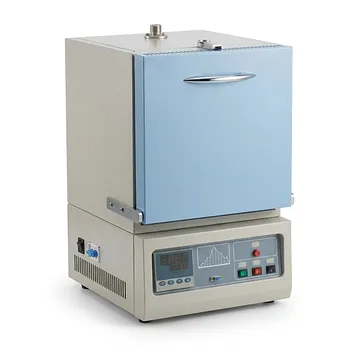
1750C Compact Muffle Furnace 1.7L Ultra High Temperature Laboratory Sintering System for Advanced Ceramics and Material Science Research
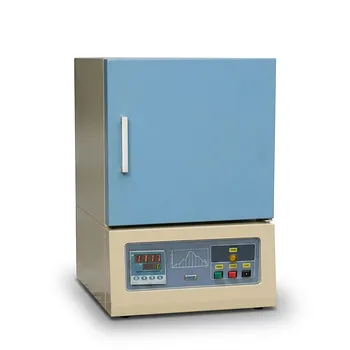
Ultra High Temperature Bench Top Muffle Furnace 1750C Sintering System with Kanthal Super Heating Elements and Precision Digital Control
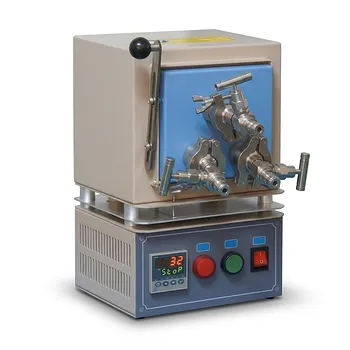
Triple Tube Compact Hybrid Muffle Furnace 1000C High Vacuum Thermal Processing System
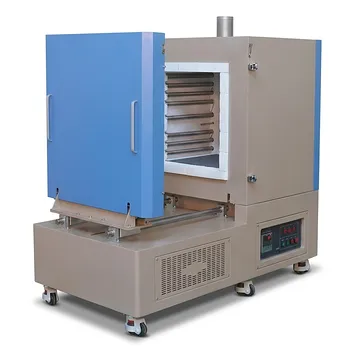
1200C Five Side Heating Muffle Furnace with Sliding Door 125L Volume High Temperature Heat Treatment System for Large Scale Sintering and Annealing
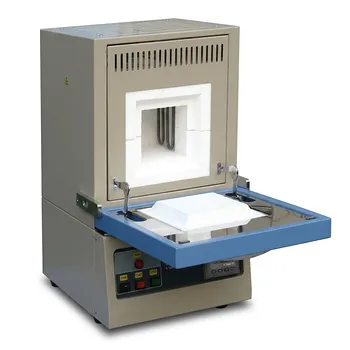
High Temperature 1800C Compact Muffle Furnace with Kanthal Super 1900 Heating Elements and 1.7L Alumina Chamber
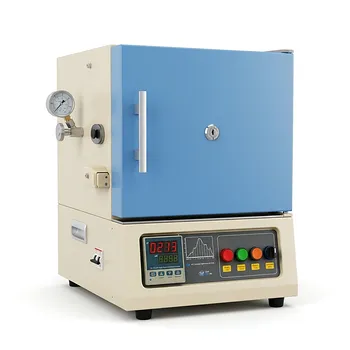
1200C Hybrid Muffle and Tube Furnace for Material Research with Dual Atmosphere Control Quartz Tubes
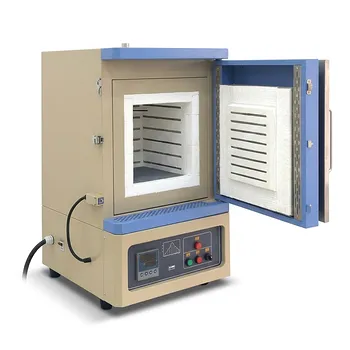
Five Side Heating Muffle Furnace High Purity Alumina Fiber 27L Chamber 1200C High Temperature Thermal Processing System for Sintering Annealing and Materials Research
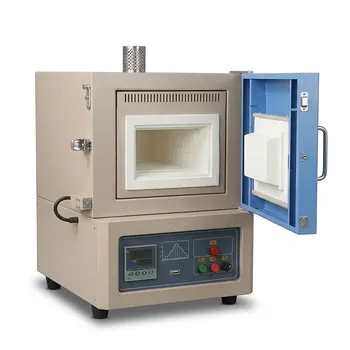
Anti Corrosive Muffle Furnace with Sintered Corundum Chamber and 1050C Operating Range for Corrosive Material Calcination
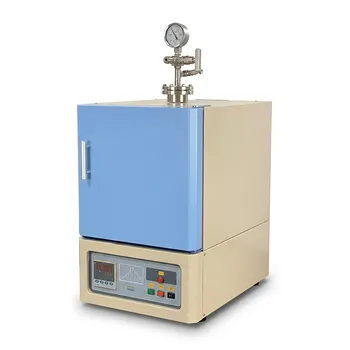
Hybrid High Temperature Muffle and Tube Furnace with 1500C Capability and Vacuum Flange Assembly