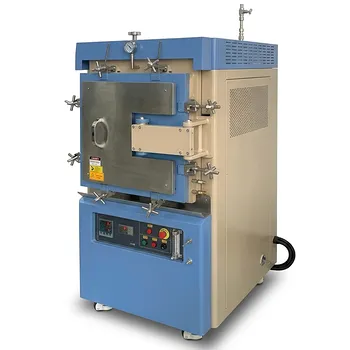
What function does a high-temperature muffle furnace perform in the regeneration phase of NCM cathode materials? - Key Role
Updated 3 months ago
In the regeneration of NCM cathode materials, the high-temperature muffle furnace acts as the primary thermal reactor for solid-state sintering. It provides the controlled, stable environment necessary to drive solid-phase reactions between recovered lithium salts and transition metal precursors. This process is essential for reconstructing the typical $\alpha$-NaFeO2 layered crystal structure and ensuring the regenerated material regains its electrochemical performance.
The muffle furnace is the engine of structural restoration, providing the thermal energy required to transform degraded precursors into highly crystalline, functional cathode materials. Beyond sintering, it plays a vital role in removing organic contaminants and managing phase transitions through precise temperature control.
Driving Structural Reconstruction and Phase Transition
Rebuilding the Layered Crystal Framework
The furnace provides a high-temperature air atmosphere that facilitates the solid-phase reaction between lithium salts and transition metal precursors. This environment is critical for the proper migration and arrangement of ions into the layered crystal structure required for lithium-ion battery functionality.
Facilitating Ion Diffusion and Homogenization
During the sintering process, the furnace drives the solid-phase diffusion of nickel and lithium ions from the particle surface into the core. This ensures a homogeneous chemical composition, which is necessary when transitioning materials between different chemistries, such as moving from NMC111 to NMC622.
Enabling Recrystallization and Growth
By maintaining constant temperatures—often as high as 900°C to 950°C for extended periods—the furnace allows for full recrystallization. This long-duration thermal treatment ensures that the metal acetates and precursors react completely, resulting in high phase purity and the desired P2-type layered structures.
Pre-treatment and Impurity Management
Decomposition of Organic Binders and Electrolytes
In the early stages of recycling, the muffle furnace is used for thermal treatment (typically at 400°C to 450°C) to decompose PVDF binders and residual electrolytes. This process removes the "glue" holding the battery together, allowing the active cathode powder to be cleanly separated from the aluminum current collectors.
Oxidation of Residual Carbon
The furnace effectively oxidizes any residual carbon components that may be present after the initial recovery of materials. By removing these impurities, the furnace ensures that the final regenerated NCM material achieves high electrochemical activity without interference from non-active substances.
Initial Activation and Calcination
The furnace provides the activation energy required for the thermal decomposition of carbonates and the release of carbon dioxide. This initial calcination stage establishes a preliminary oxide framework, preparing the material for more complex phase transitions at higher temperatures.
Understanding the Trade-offs
Temperature Precision vs. Phase Purity
The primary challenge in using a muffle furnace is maintaining absolute temperature uniformity throughout the chamber. Even slight deviations can lead to inhomogeneous crystallinity, where parts of the batch reach the desired phase while others remain under-processed or over-sintered.
Energy Consumption vs. Reaction Time
Regenerating NCM requires long-duration heating (up to 15 hours or more) to ensure complete ion migration. This makes the process energy-intensive, creating a trade-off between the desire for high-performance material and the overall cost and environmental footprint of the recycling process.
Atmosphere Control Risks
While an air atmosphere is standard for NCM, any failure in air circulation can lead to incomplete oxidation of residual organics. If carbon or binders are not fully removed, the resulting "regenerated" material will suffer from significantly reduced cycle life and lower capacity.
How to Apply This to Your Project
Making the Right Choice for Your Goal
To maximize the efficiency of your regeneration process, the furnace parameters must be tuned to your specific stage of recovery.
- If your primary focus is Binder Removal: Set the furnace to approximately 400°C–450°C for 2 hours to ensure the complete decomposition of PVDF without melting the aluminum collectors.
- If your primary focus is Structural Restoration: Maintain a stable sintering temperature of 900°C–950°C for at least 12–15 hours to ensure full recrystallization and ion homogenization.
- If your primary focus is Initial Precursor Activation: Utilize a calcination phase at 700°C to drive off CO2 and establish a stable oxide framework before final sintering.
By precisely controlling the thermal environment of the muffle furnace, you can successfully transform spent battery waste into high-quality, high-performance NCM cathode materials.
Summary Table:
| Process Stage | Temperature Range | Primary Function/Outcome |
|---|---|---|
| Binder Removal | 400°C – 450°C | Decomposition of PVDF and removal of residual electrolytes. |
| Pre-calcination | ~700°C | Activation of precursors and thermal decomposition of carbonates. |
| Structural Sintering | 900°C – 950°C | Solid-state reaction, ion diffusion, and layered crystal restoration. |
Elevate Your Battery Research with THERMUNITS
As a leading manufacturer of high-temperature laboratory equipment, THERMUNITS provides the precision and reliability needed for advanced material science and industrial R&D. Our high-performance Muffle, Vacuum, Atmosphere, and Tube furnaces are engineered to deliver the uniform temperature control required for the successful regeneration of NCM cathode materials.
From binder removal to high-purity sintering, our thermal processing solutions—including CVD/PECVD systems, rotary kilns, and vacuum induction melting furnaces—ensure your research achieves maximum electrochemical activity and phase purity.
Ready to optimize your lab’s heat treatment efficiency? Contact us today to find the perfect thermal solution!
References
- Zhe Meng, Yuanyuan Tang. Synergetic pyrolysis of lithium-ion battery cathodes with polyethylene terephthalate for efficient metal recovery and battery regeneration. DOI: 10.1038/s44172-024-00317-x
Mentioned Products
- High Temperature 1700C Bench Top Muffle Furnace with Alumina Fiber Insulation and 3.6L Chamber Capacity for Precision Sintering and Heat Treatment
- 1200°C High Temperature Muffle Furnace 19L Chamber with 50 Segment Programmable Controller
- High Temperature Compact Muffle Furnace 1700 C with 30 Segment Programmable Controller and 1.7L Cubic Chamber
- High Temperature Muffle Furnace with Alloy Chamber for Debinding and Sintering Applications
- High Temperature 1500C Benchtop Muffle Furnace 3.6L Alumina Fiber Chamber Programmable Controller Sintering Annealing Carbonization Thermal Processing System
People Also Ask
- What role does a high-temperature muffle furnace play in evaluating the mineral composition of rock samples? LOI & XRF Guide
- What is the function of a high-temperature muffle furnace in phosphorus-modified zeolite catalyst preparation?
- What is the function of a high-temp muffle furnace in Ni-V oxide synthesis? Optimize your material's performance.
- What is the purpose of using muffle or tube furnaces in glass synthesis? Achieve Precise Melt-Quenching & Homogeneity
- What is the function of a muffle furnace in aluminoborosilicate glass prep? Stabilize Raw Materials for Superior Purity

Tech Team · ThermUnits
Last updated on Jun 03, 2026
Related Products
High Temperature 1700C Bench Top Muffle Furnace with Alumina Fiber Insulation and 3.6L Chamber Capacity for Precision Sintering and Heat Treatment
1200°C High Temperature Muffle Furnace 19L Chamber with 50 Segment Programmable Controller
High Temperature Compact Muffle Furnace 1700 C with 30 Segment Programmable Controller and 1.7L Cubic Chamber
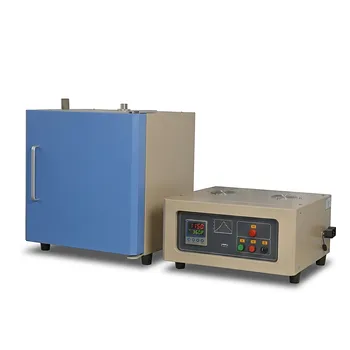
High Temperature Muffle Furnace with Alloy Chamber for Debinding and Sintering Applications
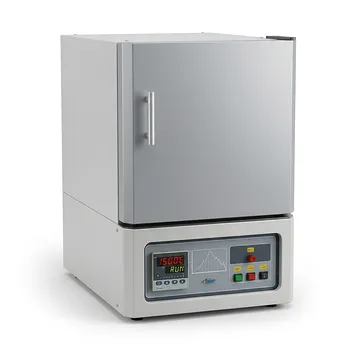
High Temperature 1500C Benchtop Muffle Furnace 3.6L Alumina Fiber Chamber Programmable Controller Sintering Annealing Carbonization Thermal Processing System
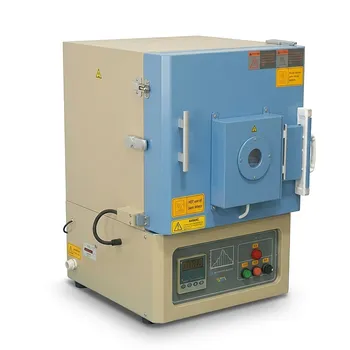
High Temperature Benchtop Muffle Furnace 1500C with 3.6L Chamber and Quartz Observation Window
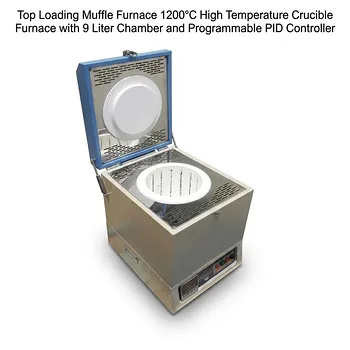
Top Loading Muffle Furnace 1200°C High Temperature Crucible Furnace with 9 Liter Chamber and Programmable PID Controller
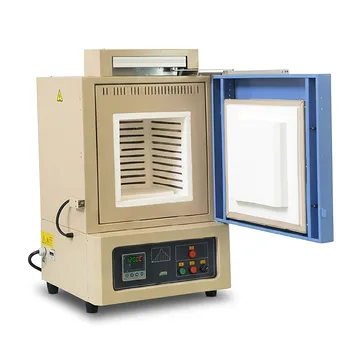
1200C High Temperature Muffle Furnace with Motorized Door and Automated PC Control for Industrial Sintering and Material Processing 27 Liter
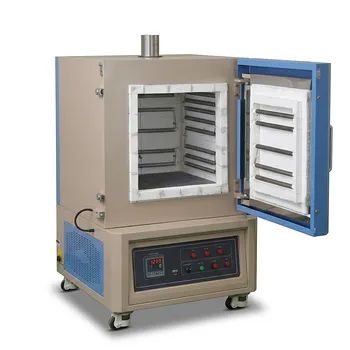
1200C High Temperature 125L Muffle Furnace 5 Side Heating for Large Batch Sintering with Optional Alloy Debinding Chamber
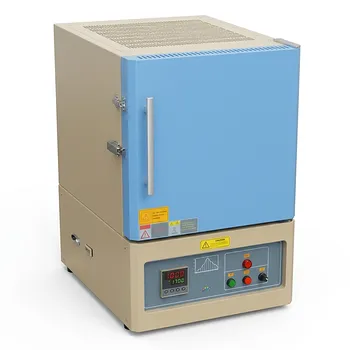
Large Bench Top 1700C High Temperature Muffle Furnace with 19L Chamber for Advanced Material Sintering and Annealing
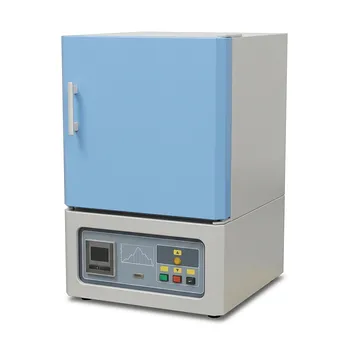
1800C Bench Top Muffle Furnace with Kanthal Super 1900 Heating Elements and 3.6L Alumina Fiber Chamber
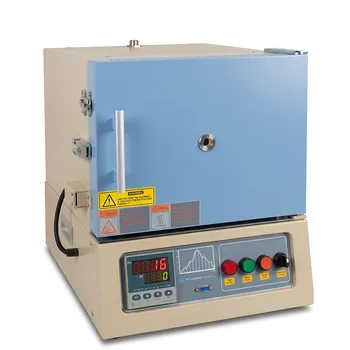
1200C Muffle Furnace 12x8x5 7.2L Heating Chamber with Quartz Observation Window and Vent Port
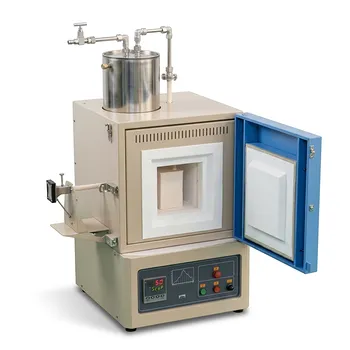
High Temperature Bench Top Muffle Furnace 1700C with Integrated Evaporating Particle Collection and 8x8x8 Alumina Fiber Chamber
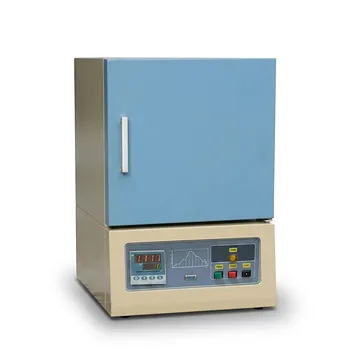
Ultra High Temperature Bench Top Muffle Furnace 1750C Sintering System with Kanthal Super Heating Elements and Precision Digital Control
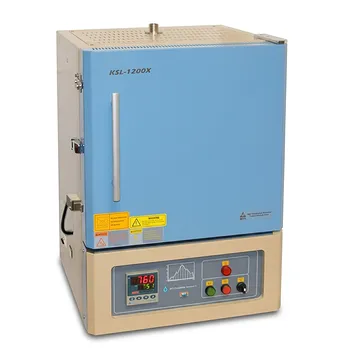
High Temperature 1200C Muffle Furnace 27L Volume 12x12x12 Chamber with Programmable PID Controller for Laboratory Material Science
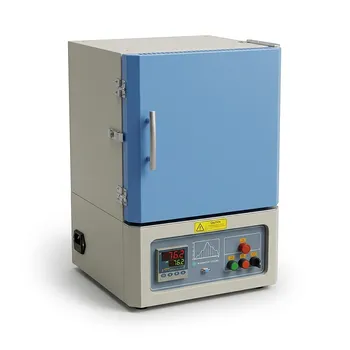
1750C Bench Top Muffle Furnace 3.6L High Grade Molybdenum Disilicide Heating Elements Laboratory Heat Treatment Equipment
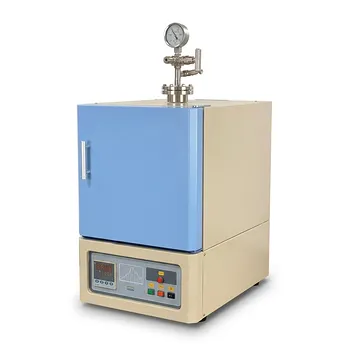
Hybrid High Temperature Muffle and Tube Furnace with 1500C Capability and Vacuum Flange Assembly
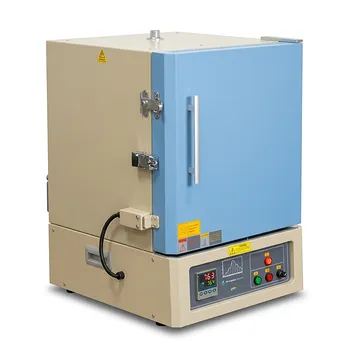
Large Capacity 1200C Muffle Furnace 64 Liter Chamber with Digital PID Controller and Built In Venting Port
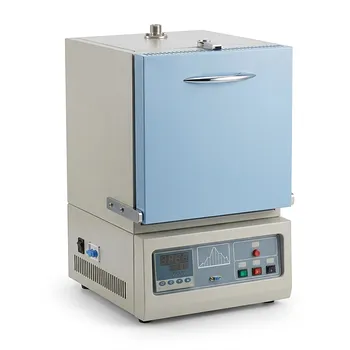
1750C Compact Muffle Furnace 1.7L Ultra High Temperature Laboratory Sintering System for Advanced Ceramics and Material Science Research