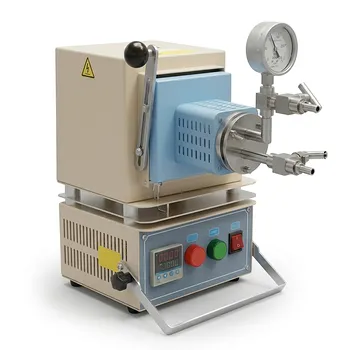
What role does the muffle furnace play in metallurgical heat treatment? Achieve Precise Phase Transformations Easily.
Updated 5 months ago
In metallurgical heat treatment, the muffle furnace acts as a precision-controlled isolation chamber that separates the workpiece from direct contact with combustion gases. This environment allows for the heating of metals to exact temperatures—often between 750°C and 1200°C—facilitating critical phase transformations like austenitizing while preventing surface contamination, carburization, or decarburization.
Core Takeaway: The muffle furnace is essential for maintaining the integrity of an alloy's chemical composition and microstructure by providing a stable, uniform, and isolated thermal field that prevents unwanted chemical reactions with fuel byproducts.
Atmospheric Isolation and Surface Integrity
Prevention of Chemical Contamination
The hallmark of a muffle furnace is its "muffle" design, which isolates the metal from fuel combustion products. In traditional furnaces, exposure to combustion can lead to unwanted carburization (adding carbon) or decarburization (stripping carbon), both of which compromise the alloy's surface hardness and integrity.
Preservation of Mechanical Properties
By preventing surface contamination, the furnace ensures that the mechanical properties of high-performance alloys—such as those used in aerospace—remain consistent. This is vital for maintaining the fatigue resistance and tensile strength required in critical engineering applications.
Controlled Oxidation Environments
While it prevents contamination from fuels, the muffle furnace can provide a stable air atmosphere for specific reactions. This is utilized in oxidation studies and the treatment of ores like chalcopyrite, where the furnace helps convert sulfide matrices into more reactive oxide phases at temperatures between 400°C and 900°C.
Precision Thermal Control for Phase Transformations
Achieving Critical Austenitizing Temperatures
Muffle furnaces provide the high-temperature precision required to reach specific points like the austenitizing range (e.g., 750°C to 1000°C for steel). This accuracy is non-negotiable for normalizing or quenching, where the metal must be heated exactly to induce specific phase changes.
Stability for Solution Treatment
For specialized materials like FeCo alloys, the furnace provides a stable thermal field held for extended durations (e.g., 1200°C for one hour). This stability facilitates the complete internal transformation into high-temperature phases, such as the gamma phase, which dictates the metal's final grain size.
Thermal Field Uniformity
The consistency of the temperature across the entire chamber—known as thermal field uniformity—ensures that the entire specimen undergoes the same structural change. This prevents localized defects and ensures that the resulting microstructure (like ferrite, pearlite, or martensite) is homogenous.
Diverse Applications in Metallurgy
Annealing and Stress Relieving
The muffle furnace is a primary tool for annealing and stress relieving, processes that soften the metal and remove internal tensions. By accurately regulating cooling rates after heating, operators can prevent grain coarsening and ensure the metal is easy to machine or further process.
Sintering of Powder Metallurgy
In powder metallurgy, these furnaces are used for sintering, where powdered metal components are heated below their melting point to bond the particles. The isolation from contaminants is critical here to ensure the purity and density of the final sintered part.
Specialized Material Modification
Beyond traditional steels, muffle furnaces are used for complex redox reactions in other materials, such as removing boron from coal or modifying the lattice defects in gemstones like Topaz. This demonstrates the furnace's role as a versatile tool for any process requiring sustained, precise high-heat environments.
Understanding the Trade-offs
Size and Throughput Limitations
Muffle furnaces are generally smaller than industrial batch furnaces, making them less suitable for very large components or massive production volumes. They are often prioritized for high-precision laboratory work or small, critical components rather than bulk processing.
Heating and Cooling Inertia
Because the heating elements are often located outside the muffle lining to ensure isolation, these furnaces can have slower heating and cooling rates compared to direct-fired furnaces. This "thermal inertia" requires careful planning for cycles that require rapid temperature changes.
Atmospheric Constraints
Standard muffle furnaces operate in an air environment; while they isolate the sample from combustion gases, they do not inherently provide a vacuum or inert gas environment unless specifically designed as specialized atmosphere furnaces. Users must be aware that some oxidation from the air within the chamber will still occur.
Making the Right Choice for Your Goal
When integrating a muffle furnace into your metallurgical workflow, consider the specific requirements of your material and the desired final properties.
- If your primary focus is surface purity: Use a muffle furnace to ensure the alloy is never exposed to combustion byproducts, preventing decarburization.
- If your primary focus is precise phase transformation: Prioritize a model with high thermal field uniformity to ensure the entire part reaches the exact austenitizing temperature.
- If your primary focus is grain size control: Ensure the furnace has programmable temperature controllers to manage "soaking" times accurately and prevent grain coarsening.
- If your primary focus is chemical reactivity (e.g., leaching): Use the furnace to create a stable air-rich environment to oxidize sulfide ores into more reactive states.
The muffle furnace remains a cornerstone of metallurgy because it provides the controlled environment necessary to turn raw alloys into high-performance engineered materials.
Summary Table:
| Key Feature | Benefit in Metallurgy | Common Applications |
|---|---|---|
| Atmospheric Isolation | Prevents decarburization & surface contamination | Aerospace alloys, high-purity metals |
| Precision Control | Ensures accurate austenitizing & phase changes | Hardening, normalizing, quenching |
| Thermal Uniformity | Guarantees homogenous microstructure & grain size | Critical engineering components |
| Controlled Cooling | Relieves internal stresses without grain coarsening | Annealing, stress relieving |
| Isolation Chamber | Enables pure sintering environments | Powder metallurgy, metal bonding |
Elevate Your Material Research with THERMUNITS
Precision is the backbone of successful metallurgical heat treatment. At THERMUNITS, we provide cutting-edge high-temperature laboratory equipment designed for the most demanding material science and industrial R&D requirements. Whether you are aiming for perfect phase transformations or superior surface integrity, our solutions are engineered for excellence.
Our Comprehensive Thermal Solutions Include:
- High-Temp Furnaces: Muffle, Vacuum, Atmosphere, Tube, and Rotary Furnaces.
- Advanced Systems: CVD/PECVD systems, Hot Press furnaces, and Vacuum Induction Melting (VIM) furnaces.
- Specialized Equipment: Dental Furnaces, Electric Rotary Kilns, and high-quality Thermal Elements.
Ready to optimize your heat treatment workflow?
Contact THERMUNITS today to discuss your specific application needs and discover how our expert thermal processing technology can enhance your results.
Mentioned Products
- Five Side Heating Muffle Furnace 1200C High Uniformity 64L Chamber 16x16x16 Inch Industrial Heat Treatment
- 1200C Five Side Heating Muffle Furnace with Sliding Door 125L Volume High Temperature Heat Treatment System for Large Scale Sintering and Annealing
- High Temperature 1700C Bench Top Muffle Furnace with Alumina Fiber Insulation and 3.6L Chamber Capacity for Precision Sintering and Heat Treatment
- 1750C Bench Top Muffle Furnace 3.6L High Grade Molybdenum Disilicide Heating Elements Laboratory Heat Treatment Equipment
- High Temperature Muffle Furnace with Dual Controllers and 36L Large Chamber 1700C Max
People Also Ask
- How does the heating mechanism of a muffle furnace differ from that of an open-flame furnace? Indirect vs Direct Heat
- Why is the muffle design advantageous for the production of ceramics and glass? Ensure Purity and Structural Integrity
- Why is a muffle furnace used for a 220°C preliminary baking after coating α-Fe2O3 nanorods with melamine? Explained
- What is the function of Muffle furnace calcination? Essential steps for Pr-doped SrFeMoO6 Perovskite synthesis.
- What is the function of an experimental muffle furnace in the conversion of FeOOH to α-Fe2O3? Optimize Phase Transition

Tech Team · ThermUnits
Last updated on Apr 14, 2026
Related Products
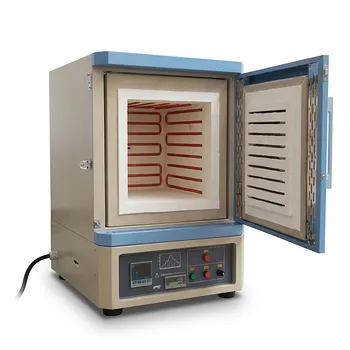
Five Side Heating Muffle Furnace 1200C High Uniformity 64L Chamber 16x16x16 Inch Industrial Heat Treatment
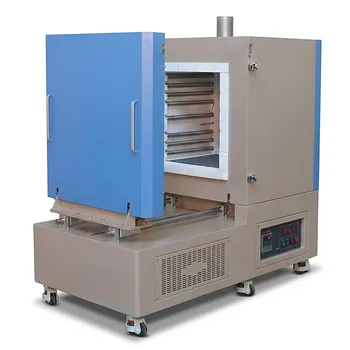
1200C Five Side Heating Muffle Furnace with Sliding Door 125L Volume High Temperature Heat Treatment System for Large Scale Sintering and Annealing
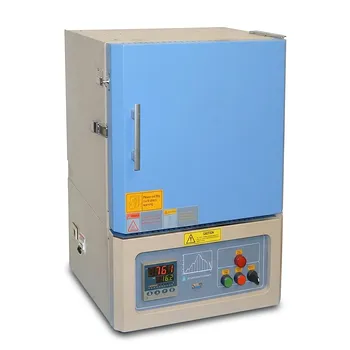
High Temperature 1700C Bench Top Muffle Furnace with Alumina Fiber Insulation and 3.6L Chamber Capacity for Precision Sintering and Heat Treatment
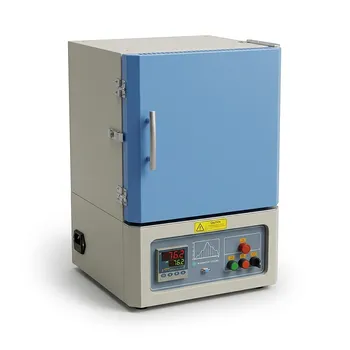
1750C Bench Top Muffle Furnace 3.6L High Grade Molybdenum Disilicide Heating Elements Laboratory Heat Treatment Equipment
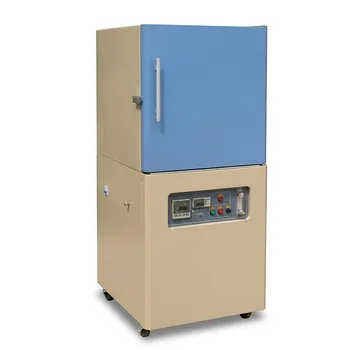
High Temperature Muffle Furnace with Dual Controllers and 36L Large Chamber 1700C Max
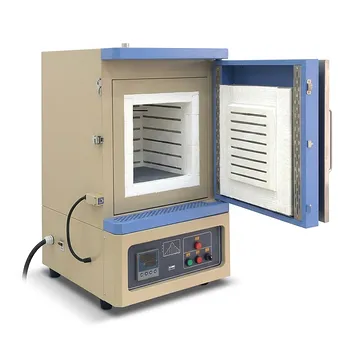
Five Side Heating Muffle Furnace High Purity Alumina Fiber 27L Chamber 1200C High Temperature Thermal Processing System for Sintering Annealing and Materials Research
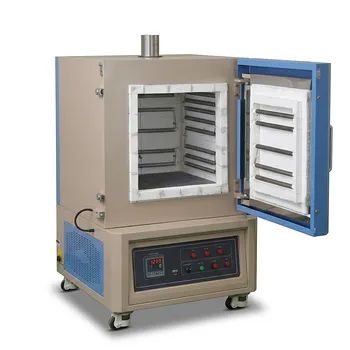
1200C High Temperature 125L Muffle Furnace 5 Side Heating for Large Batch Sintering with Optional Alloy Debinding Chamber
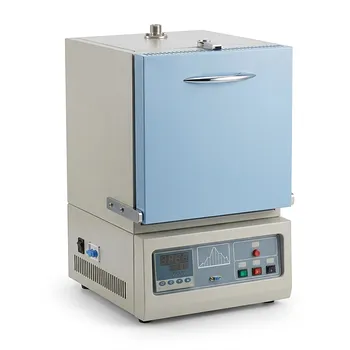
1750C Compact Muffle Furnace 1.7L Ultra High Temperature Laboratory Sintering System for Advanced Ceramics and Material Science Research
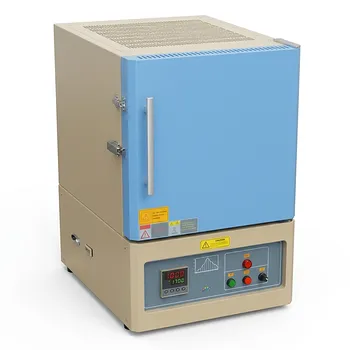
Large Bench Top 1700C High Temperature Muffle Furnace with 19L Chamber for Advanced Material Sintering and Annealing
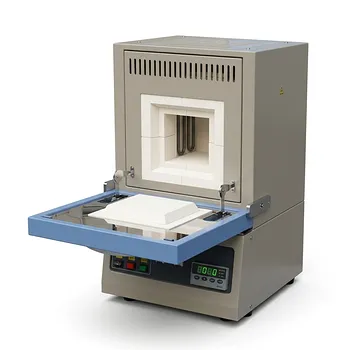
Five Sided Heating Muffle Furnace High Uniformity 1200C Lab Box Furnace 27L Alumina Fiber Chamber
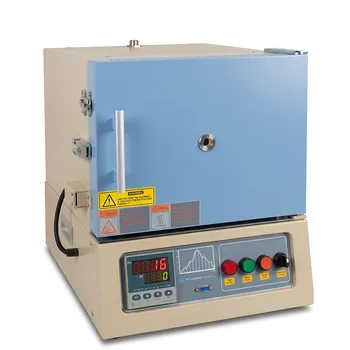
1200C Muffle Furnace 12x8x5 7.2L Heating Chamber with Quartz Observation Window and Vent Port
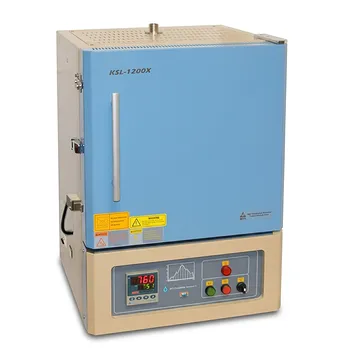
High Temperature 1200C Muffle Furnace 27L Volume 12x12x12 Chamber with Programmable PID Controller for Laboratory Material Science
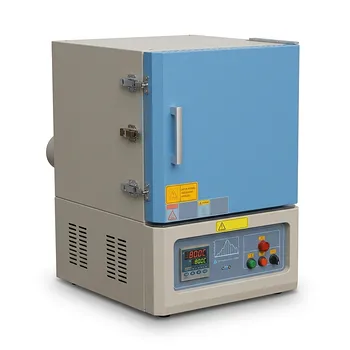
1800C Bench Top Muffle Furnace 18 Liters with Kanthal Super 1900 Heating Elements for High Purity Ceramic Sintering and Material Research
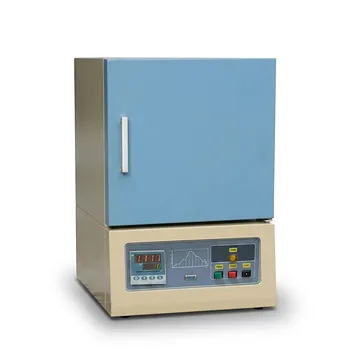
Ultra High Temperature Bench Top Muffle Furnace 1750C Sintering System with Kanthal Super Heating Elements and Precision Digital Control
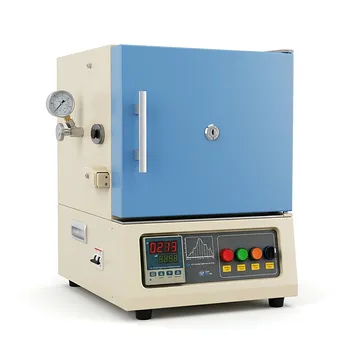
1200C Hybrid Muffle and Tube Furnace for Material Research with Dual Atmosphere Control Quartz Tubes
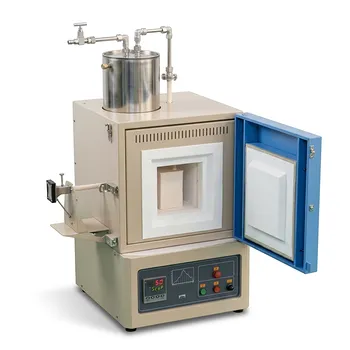
High Temperature Bench Top Muffle Furnace 1700C with Integrated Evaporating Particle Collection and 8x8x8 Alumina Fiber Chamber
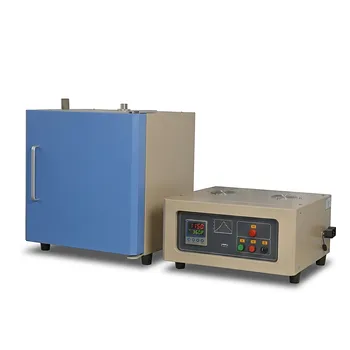
High Temperature Muffle Furnace with Alloy Chamber for Debinding and Sintering Applications
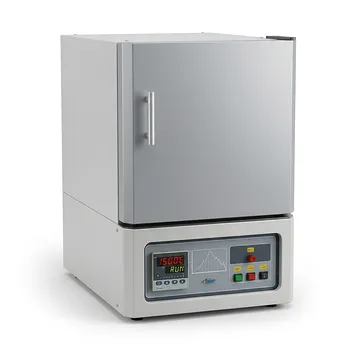
High Temperature 1500C Benchtop Muffle Furnace 3.6L Alumina Fiber Chamber Programmable Controller Sintering Annealing Carbonization Thermal Processing System
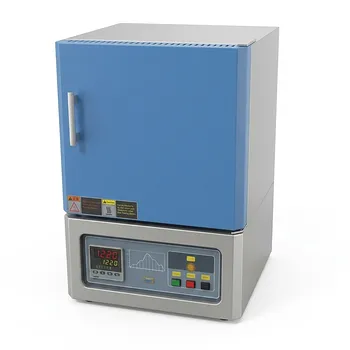
High Temperature Benchtop Muffle Furnace 1700C 10L Chamber Alumina Fiber Insulation MoSi2 Heating Elements