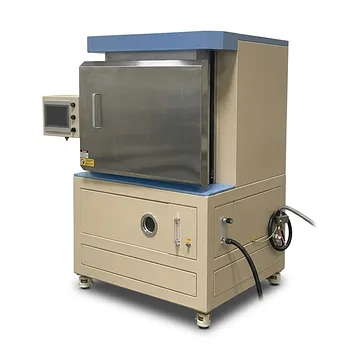
What is the primary purpose of using a high-temperature sintering furnace at 1400 °C? Enhancing LaNbO4 Synthesis
Updated 3 months ago
The primary purpose of using a high-temperature sintering furnace at 1400 °C is to provide the thermal energy required to drive atomic diffusion. This energy enables Lanthanum (La), Niobium (Nb), and the dopant elements—Tungsten (W) or Molybdenum (Mo)—to achieve complete mutual solubility within the crystal lattice, resulting in a stable, high-crystallinity solid solution.
High-temperature sintering at 1400 °C acts as the critical catalyst for solid-state reactions, overcoming kinetic barriers to ensure that substituted elements are fully integrated into the $\text{LaNbO}_4$ lattice. This process is essential for transforming raw precursor powders into a single-phase, structurally homogenized material.
Driving Atomic Diffusion and Lattice Integration
Overcoming Kinetic Barriers
Solid-state reactions between refractory oxides often face significant kinetic barriers that prevent elements from moving into their intended lattice positions. The extreme thermal environment of 1400 °C provides the necessary energy to break existing chemical bonds and facilitate the migration of ions across grain boundaries.
Achieving Complete Mutual Solubility
For a solid solution to be effective, the dopants (W or Mo) must be uniformly distributed rather than existing as isolated secondary phases. The sustained high temperature ensures complete mutual solubility, allowing these substituted elements to replace Niobium atoms within the $\text{LaNbO}_4$ structure without compromising the material's integrity.
Structural Stabilization
The sintering process is the defining step in forming stable monoclinic or tetragonal $\text{LaNbO}_4$ structures. Without this specific thermal treatment, the material may remain a heterogeneous mixture of oxides rather than a unified crystal lattice with the desired symmetry and phase purity.
The Role of Solid-Phase Synthesis
Promoting Mass Migration
At 1400 °C, the material undergoes mass migration, where particles reorganize to eliminate internal pores and increase density. This results in a robust matrix that is essential for applications requiring mechanical stability or specific electronic properties.
Ensuring High Crystallinity
A high-temperature environment facilitates the growth of well-defined crystal grains. By maintaining a constant temperature (often for 15 hours or more), the furnace allows the atoms to settle into their most thermodynamically stable positions, maximizing the crystallinity of the final solid solution.
Elimination of Residual Reactants
Prolonged isothermal treatment at these temperatures ensures that solid-phase reactions reach completion. This prevents unreacted raw materials from remaining in the sample, which could otherwise degrade the material’s performance or lead to unpredictable chemical behavior.
Understanding the Trade-offs
Temperature vs. Grain Growth
While 1400 °C is necessary for diffusion, excessive temperatures or overly long "soaking times" can lead to uncontrolled grain growth. Larger grains can sometimes reduce the mechanical toughness of the ceramic or alter the surface area-to-volume ratio in ways that might be detrimental to specific electrochemical applications.
Energy Consumption and Equipment Wear
Operating at 1400 °C requires specialized refractory materials and heating elements (such as silicon carbide or molybdenum disilicide). The high energy demand and the wear on the furnace insulation represent a significant operational cost that must be balanced against the need for phase purity.
Atmosphere Control
Depending on the specific oxidation states required for Tungsten or Molybdenum, the sintering may need to occur in a specific vacuum or controlled atmosphere. Failing to control the environment at 1400 °C could lead to unwanted oxidation or reduction, resulting in secondary phases that disrupt the solid solution.
How to Apply This to Your Synthesis Project
Strategic Recommendations
- If your primary focus is phase purity: Ensure the furnace maintains a constant temperature of 1400 °C with minimal fluctuation to allow for complete solid-phase diffusion and the elimination of residual oxides.
- If your primary focus is densification: Extend the dwell time at peak temperature to promote grain boundary migration and the elimination of internal pores, aiming for near-theoretical density.
- If your primary focus is dopant homogenization: Use a high-temperature environment to ensure that W or Mo ions are fully integrated into the lattice, preventing the formation of localized clusters or secondary phases.
By precisely controlling the 1400 °C thermal environment, you ensure the transition from a simple mixture of powders to a sophisticated, single-phase solid solution.
Summary Table:
| Key Sintering Function | Process Mechanism | Final Material Impact |
|---|---|---|
| Atomic Diffusion | Drives ion migration across grain boundaries | Ensures uniform dopant (W/Mo) distribution |
| Phase Purity | Overcomes kinetic barriers in refractory oxides | Creates single-phase, homogenized solid solutions |
| Crystallinity | Promotes stable lattice reorganization | Maximizes structural stability and phase purity |
| Densification | Facilitates mass migration and pore removal | Produces a robust, high-density ceramic matrix |
Elevate Your Material Research with THERMUNITS Precision
Achieving the perfect 1400°C thermal environment is critical for successful solid-state synthesis. THERMUNITS is a leading manufacturer of high-temperature laboratory equipment, specifically designed for the rigorous demands of material science and industrial R&D. We provide the stability and control required to ensure complete mutual solubility and high crystallinity in your complex solid solutions.
Our Comprehensive Thermal Processing Solutions Include:
- High-Temperature Furnaces: Muffle, Vacuum, Atmosphere, Tube, and Rotary Furnaces.
- Advanced Systems: CVD/PECVD systems, Hot Press Furnaces, and Vacuum Induction Melting (VIM).
- Specialized Equipment: Dental Furnaces, Electric Rotary Kilns, and high-performance Thermal Elements.
Whether you are focusing on dopant homogenization or structural densification, THERMUNITS delivers the reliable heat treatment performance your project deserves.
Ready to optimize your sintering process?
Contact Our Experts Today to find the ideal thermal solution for your laboratory needs!
References
- Kehan Huang, Stephen J. Skinner. Exploring the stability and protonic conductivity in W- and Mo-substituted LaNbO<sub>4</sub> under a reducing atmosphere. DOI: 10.1039/d4ta05501b
Mentioned Products
- High Temperature 1500C Benchtop Muffle Furnace 3.6L Alumina Fiber Chamber Programmable Controller Sintering Annealing Carbonization Thermal Processing System
- High Temperature Horizontal Electrical Assisted Sintering Furnace with 3KW Programmable Power Source for Advanced Ceramic Materials
- Compact High Temperature 1600C Tube Furnace with 50mm Alumina Tube and Vacuum Flanges for Material Sintering
- High Temperature Muffle Furnace with Alloy Chamber for Debinding and Sintering Applications
- High Temperature 1800C Compact Muffle Furnace with Kanthal Super 1900 Heating Elements and 1.7L Alumina Chamber
People Also Ask
- Why is annealing in a high-temperature muffle furnace necessary for SiO2/Si substrate pretreatment before monolayer WS2 synthesis?
- What is the purpose of using muffle or tube furnaces in glass synthesis? Achieve Precise Melt-Quenching & Homogeneity
- What is the role of a high-temperature muffle furnace in the synthesis of graphitic carbon nitride (g-C3N4)? - Guide
- What is the necessity of 950 °C muffle furnace for aluminate spinel supports? Achieve Phase Purity & Lattice Integration
- What is the function of a high-temp muffle furnace in Ni-V oxide synthesis? Optimize your material's performance.

Tech Team · ThermUnits
Last updated on Jun 03, 2026
Related Products
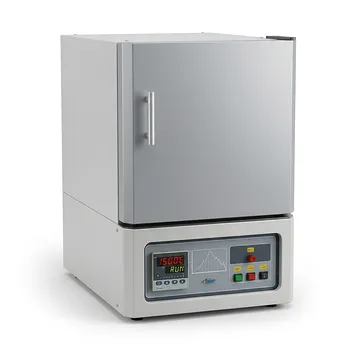
High Temperature 1500C Benchtop Muffle Furnace 3.6L Alumina Fiber Chamber Programmable Controller Sintering Annealing Carbonization Thermal Processing System
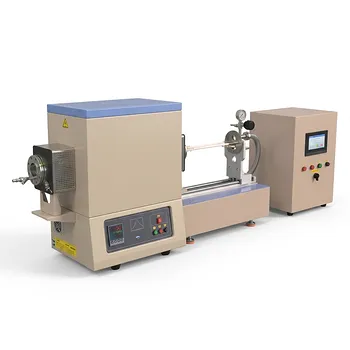
High Temperature Horizontal Electrical Assisted Sintering Furnace with 3KW Programmable Power Source for Advanced Ceramic Materials

Compact High Temperature 1600C Tube Furnace with 50mm Alumina Tube and Vacuum Flanges for Material Sintering
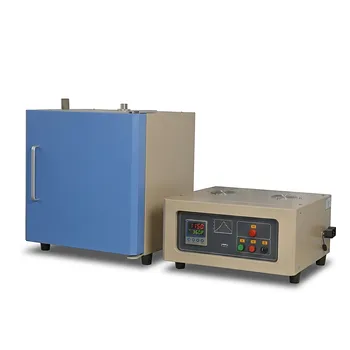
High Temperature Muffle Furnace with Alloy Chamber for Debinding and Sintering Applications
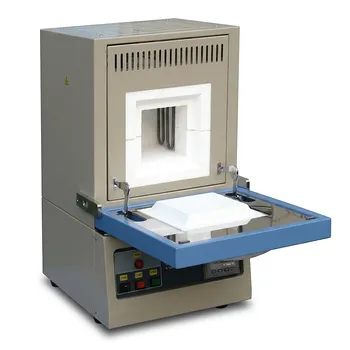
High Temperature 1800C Compact Muffle Furnace with Kanthal Super 1900 Heating Elements and 1.7L Alumina Chamber

High Temperature 1700C Vertical Tube Furnace for Powder Spherification and Material Sintering
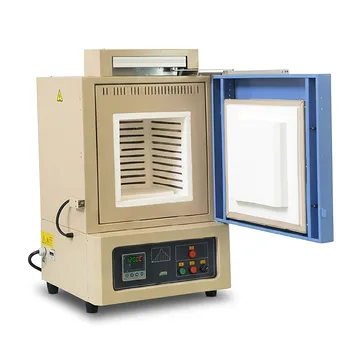
1200C High Temperature Muffle Furnace with Motorized Door and Automated PC Control for Industrial Sintering and Material Processing 27 Liter
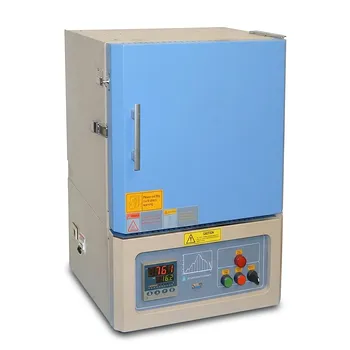
High Temperature 1700C Bench Top Muffle Furnace with Alumina Fiber Insulation and 3.6L Chamber Capacity for Precision Sintering and Heat Treatment
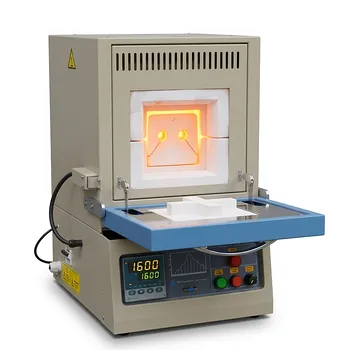
High Temperature Compact Muffle Furnace 1700 C with 30 Segment Programmable Controller and 1.7L Cubic Chamber
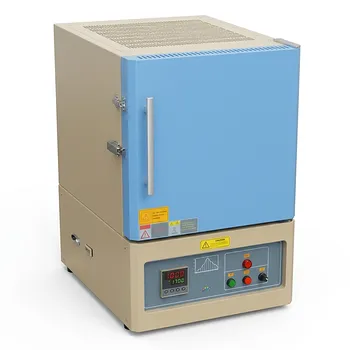
Large Bench Top 1700C High Temperature Muffle Furnace with 19L Chamber for Advanced Material Sintering and Annealing
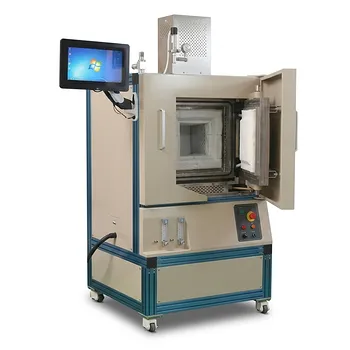
High Temperature Oxygen and Inert Atmosphere Controlled Furnace 8 Liter 1700C Sintering System for Advanced Materials RD
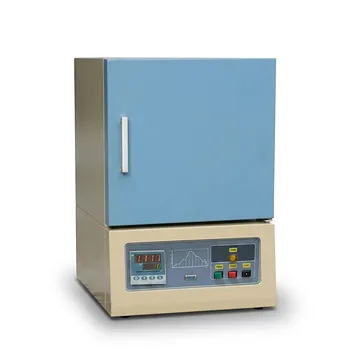
Ultra High Temperature Bench Top Muffle Furnace 1750C Sintering System with Kanthal Super Heating Elements and Precision Digital Control
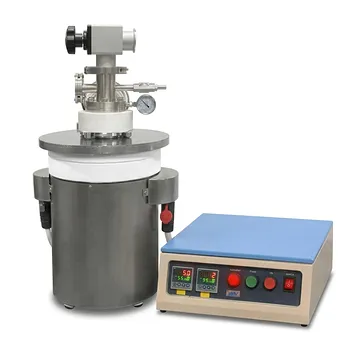
1100C High Temperature Vacuum Crucible Furnace with Quartz Chamber for Thermal Processing and Sintering
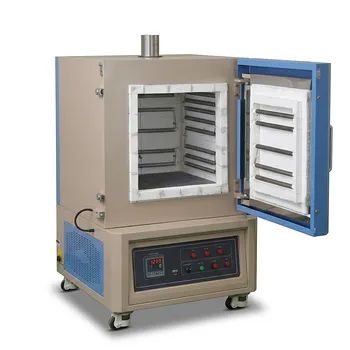
1200C High Temperature 125L Muffle Furnace 5 Side Heating for Large Batch Sintering with Optional Alloy Debinding Chamber
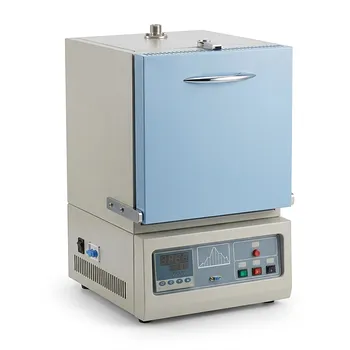
1750C Compact Muffle Furnace 1.7L Ultra High Temperature Laboratory Sintering System for Advanced Ceramics and Material Science Research
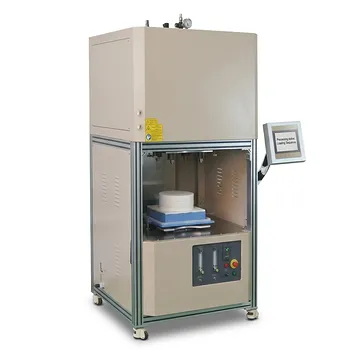
High Temperature Vertical Atmosphere Controlled Furnace with Automatic Bottom Loading and 1700°C Capacity for Advanced Material Research
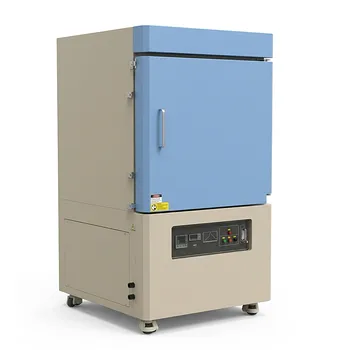
Industrial Large Box Furnace 1700C 216L High Temp Muffle Sintering System
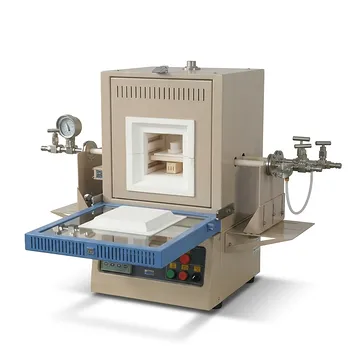
1700C Compact Hybrid Furnace with Dual Layer Box Sintering and Controlled Atmosphere Alumina Tubes
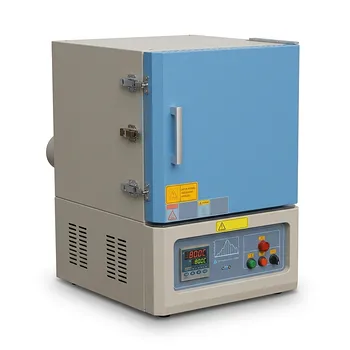
1800C Bench Top Muffle Furnace 18 Liters with Kanthal Super 1900 Heating Elements for High Purity Ceramic Sintering and Material Research