What is the core role of the VIM furnace in B-RAFM steel melting? Ensure High Purity and Precise Composition Control
Updated 3 months ago
The Vacuum Induction Melting (VIM) furnace is the definitive tool for ensuring the chemical purity and compositional integrity of B-RAFM steel. It provides a high-vacuum environment that eliminates gaseous impurities while allowing for the precise addition and preservation of reactive alloying elements like boron. This process is fundamental to producing the high-purity, "reduced activation" material required for nuclear applications.
The core role of the VIM furnace is to create a controlled, oxygen-free environment that prevents the oxidation of sensitive elements and ensures a highly uniform distribution of alloys. By combining vacuum degassing with electromagnetic stirring, the furnace produces a clean, homogenous ingot that serves as the essential starting point for high-performance nuclear materials.
Eliminating Atmospheric Contamination
The Role of High-Vacuum Degassing
The VIM furnace operates at extremely low pressures to effectively remove dissolved gases such as oxygen, nitrogen, and hydrogen from the molten steel. In B-RAFM (Reduced Activation Ferritic/Martensitic) steel, even trace amounts of these gases can lead to the formation of unwanted inclusions or porosity. By stripping these impurities, the furnace ensures the steel meets the high-purity standards necessary for experimental and nuclear-grade applications.
Prevention of Oxidative Loss
Elements like boron, manganese, and niobium are highly reactive and prone to oxidation when exposed to air at high temperatures. The vacuum environment prevents these elements from reacting with atmospheric oxygen, ensuring that the preset chemical composition is maintained exactly as designed. This is particularly critical for boron, which is a key component in B-RAFM steel for controlling grain size and mechanical properties.
Achieving Compositional Homogeneity
Electromagnetic Induction Stirring
Beyond melting, the VIM furnace uses electromagnetic induction to create a natural stirring motion within the melt pool. This mechanical action is vital for the uniform distribution of micro-alloying elements throughout the entire batch, whether it is a 20 kg experimental ingot or a 300 kg production melt. Stirring ensures that the final ingot lacks segregation, providing consistent hardenability and mechanical performance across the entire material.
Precise Micro-Alloying Control
The controlled environment allows for the addition of volatile or reactive elements (such as calcium-silicon or aluminum) at specific temperatures and sequences. Because the furnace provides precise temperature control, technicians can time these additions to maximize recovery and ensure the accuracy of the chemical makeup. This level of control is what makes VIM the industry standard for preparing experimental steels with complex "nano-structures."
Understanding the Trade-offs
Equipment and Operational Costs
While VIM provides unparalleled purity, it is a batch process that involves significant capital investment and high operational costs compared to atmospheric melting. The need to maintain high-vacuum seals and the energy required for induction heating makes it more expensive per ton of metal produced.
Refractory Interactions
At high temperatures and low pressures, the molten steel can react with the crucible's refractory lining. This interaction can sometimes introduce trace impurities (like silicon or oxygen) back into the melt, a phenomenon known as "refractory pick-up." Choosing the correct lining material is a critical engineering challenge when aiming for the ultra-high purity required for nuclear-grade B-RAFM steel.
How to Apply This to Your Project
Making the Right Choice for Your Goal
- If your primary focus is Nuclear Grade Purity: Utilize the VIM furnace specifically for its degassing capabilities to minimize nitrogen and oxygen levels that could lead to radioactive activation.
- If your primary focus is Precise Boron Control: Rely on the vacuum environment to prevent the oxidative loss of boron, ensuring the final ingot matches your design specifications exactly.
- If your primary focus is Material Homogeneity: Leverage the electromagnetic stirring feature of the VIM process to ensure that micro-alloying elements like niobium and molybdenum are distributed evenly, preventing localized performance failures.
The VIM furnace is the essential foundation for B-RAFM steel, providing the chemical precision and cleanliness that atmospheric melting simply cannot achieve.
Summary Table:
| Feature | Function in VIM Process | Benefit for B-RAFM Steel |
|---|---|---|
| High-Vacuum Environment | Removes dissolved O, N, and H gases | Eliminates inclusions and porosity for nuclear-grade purity |
| Oxidation Prevention | Isolates reactive elements from air | Ensures precise retention of Boron, Manganese, and Niobium |
| Electromagnetic Stirring | Creates natural motion in the melt pool | Guarantees homogeneity and prevents element segregation |
| Temperature Control | Precise monitoring of melt sequence | Maximizes recovery of volatile or reactive micro-alloys |
Elevate Your Nuclear Material Research with THERMUNITS
Precision is paramount when developing high-performance B-RAFM steel. As a leading manufacturer of high-temperature laboratory equipment, THERMUNITS provides the advanced thermal solutions required for rigorous material science and industrial R&D.
Our comprehensive range of equipment includes:
- Vacuum Induction Melting (VIM) Furnaces for ultra-pure alloy production.
- Muffle, Vacuum, Atmosphere, and Tube Furnaces for versatile heat treatment.
- CVD/PECVD Systems and Hot Press Furnaces for advanced material synthesis.
- Rotary Kilns and Dental Furnaces tailored to specific industrial needs.
Whether you are aiming for precise boron control or nuclear-grade material homogeneity, our expert team is ready to support your project requirements.
Contact THERMUNITS today to explore our high-precision thermal solutions
References
- Russell Goodall, Jack Haley. Development of a boron-containing reduced activation Ferritic-Martensitic (B-RAFM) steel. DOI: 10.1177/03019233241273484
Mentioned Products
- 1900C Maximum High Temperature 7KW Vacuum Induction Melting System with 60mm Quartz Tube and Manual Temperature Control for Metallic Alloy Research
- Induction Melting Casting Furnace 1750C Vacuum High Frequency Metal Processing Unit
- High Temperature Induction Melting System with Integrated Ultra High Purity Glove Box for Metallic Alloy Processing
- Atmosphere Controlled Induction Melting Granulating Casting Furnace 1500C 5kg Capacity
- Atmosphere Controlled Induction Melting Casting System 1600C 10L Capacity
People Also Ask
- What is the primary role of a Vacuum Induction Melting furnace in the smelting of Fe-Cr-N alloys? Ensuring High Purity
- How does a Vacuum Induction Melting furnace heat materials while preventing atmospheric contamination? Achieve High Purity
- What are the key structural components that make up a Vacuum Induction Melting (VIM) furnace system? Full Guide
- How does the skin effect influence VIM frequency selection? Optimize Heat Penetration & Stirring Efficiency
- What technical advantages does Vacuum Induction Melting offer regarding alloy homogeneity and purity? Enhance Performance

Tech Team · ThermUnits
Last updated on Jun 02, 2026
Related Products
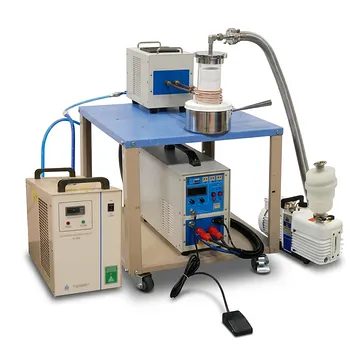
1900C Maximum High Temperature 7KW Vacuum Induction Melting System with 60mm Quartz Tube and Manual Temperature Control for Metallic Alloy Research
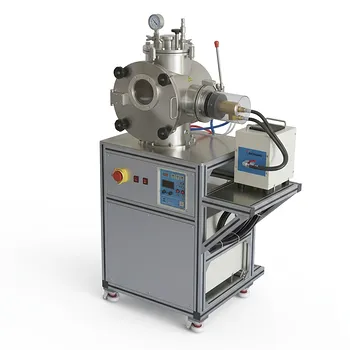
Induction Melting Casting Furnace 1750C Vacuum High Frequency Metal Processing Unit
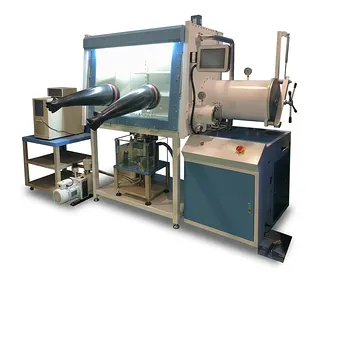
High Temperature Induction Melting System with Integrated Ultra High Purity Glove Box for Metallic Alloy Processing
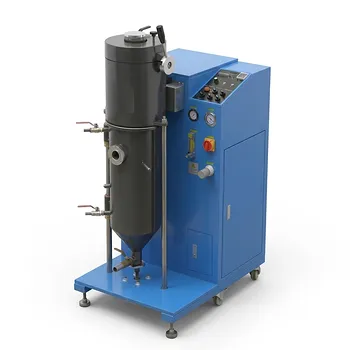
Atmosphere Controlled Induction Melting Granulating Casting Furnace 1500C 5kg Capacity
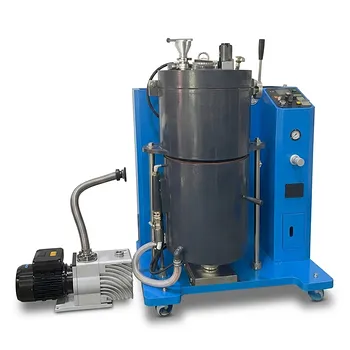
Atmosphere Controlled Induction Melting Casting System 1600C 10L Capacity
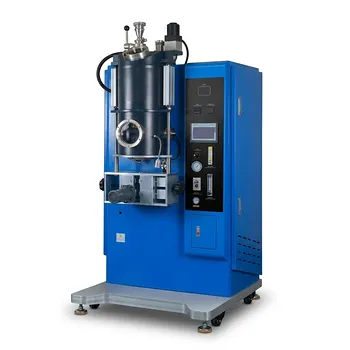
Atmosphere Controlled Continuous Casting Furnace with Secondary Charge Function for Induction Melting and Metal Alloy Wire Production
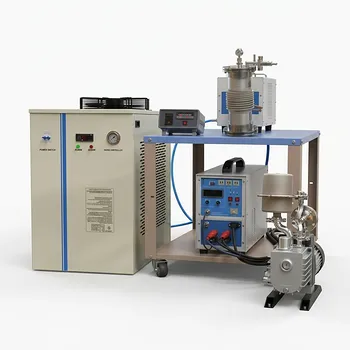
Induction Heating System with Temperature Control for High Temperature Vacuum Sintering and Melting
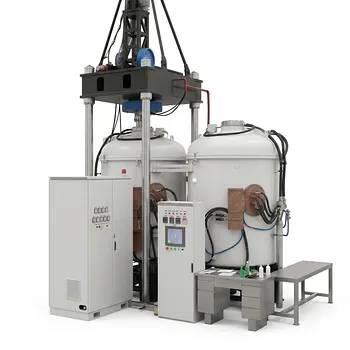
High Pressure 600T Vacuum Induction Hot Press Furnace for Advanced Material Heat Treatment and Sintering
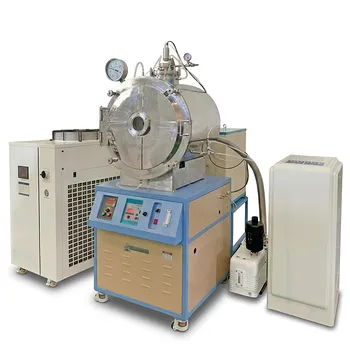
Ultra High Temperature Induction Heated Vacuum Furnace with Molten Salt Electrolysis Capability and 3000 Degree Precision Control
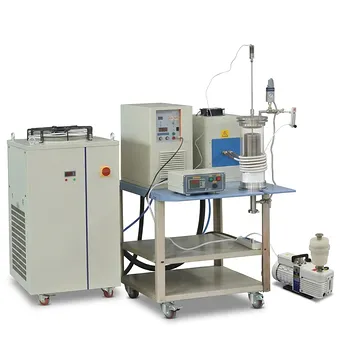
High Temperature Induction Melting System with Multi Cavity Crucible and 15KW Precision Digital Temperature Control
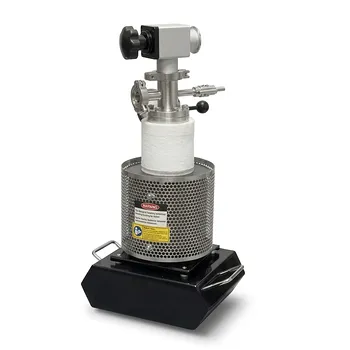
High Temperature 1100C Compact Top Loading Vertical Vacuum Tube Furnace for High Vacuum Noble Metal Melting and Material Research
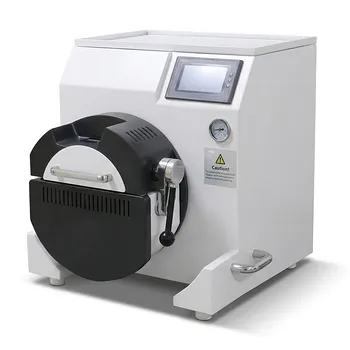
Desktop Induction Melting Furnace with Automatic Rotary Casting Function up to 1700C for Advanced Metal Alloy Research
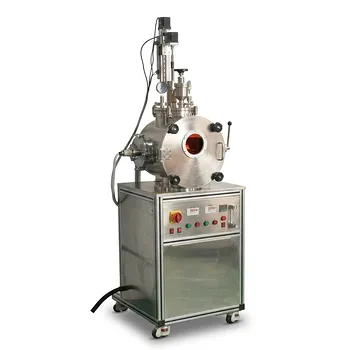
High Vacuum Melting Casting Furnace with Mechanical Stirring and Secondary Charge for Metallic Alloy Research
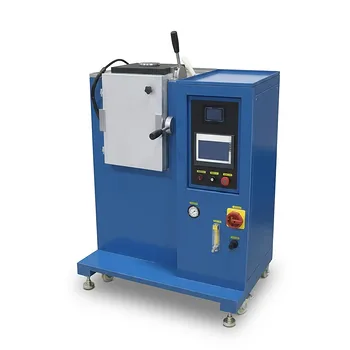
High Throughput Induction Melting and Casting Furnace for Superalloy Research 1700C Atmosphere Controlled Multi Sample System
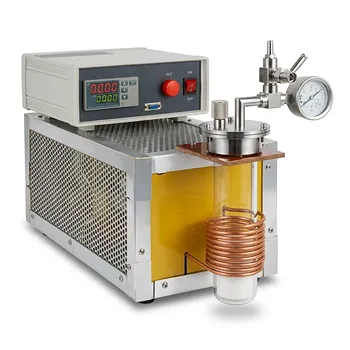
High Temperature Mini Induction Heating Furnace 1600C Laboratory Material Melting System
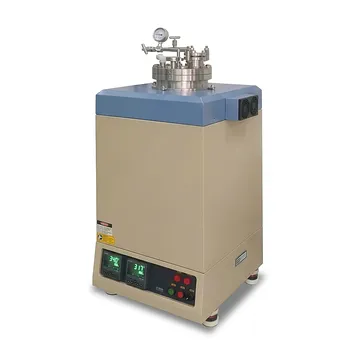
High Temperature 1000C Vacuum Furnace with 8 Inch ID Chamber for Material Sintering and Research Annealing
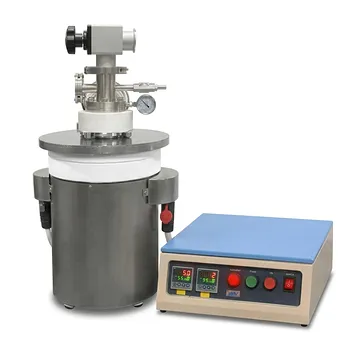
1100C High Temperature Vacuum Crucible Furnace with Quartz Chamber for Thermal Processing and Sintering
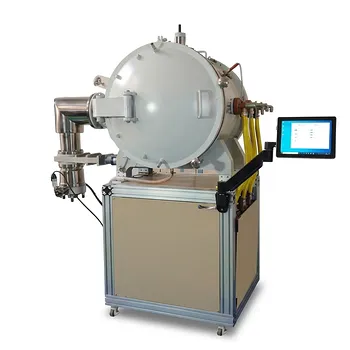
High Temperature Cold Wall Vacuum Furnace for Advanced Material Sintering and Annealing 1600C Heating Area 200x200x300mm
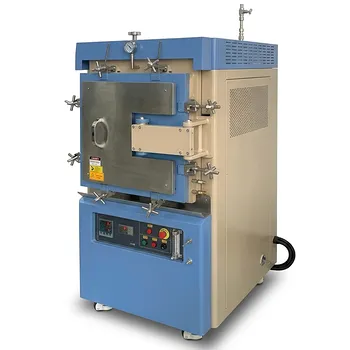
Atmosphere Controlled Muffle Furnace 1700C Maximum Temperature 80L High Capacity Vacuum Inert Gas Box Furnace
