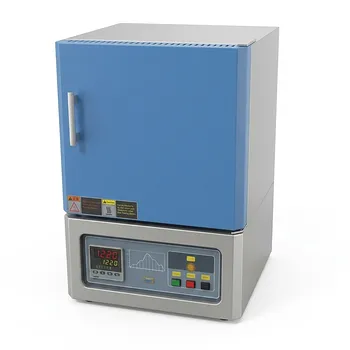
What is the critical function of a muffle furnace in C3N5 synthesis? Achieve High-Quality Carbon Nitride Frameworks
Updated 3 months ago
The critical function of a high-temperature muffle furnace in $C_3N_5$ synthesis is to provide a precisely controlled thermal environment that facilitates molecular rearrangement and polymerization. By maintaining specific heating ramps (typically $5^\circ \text{C}/\text{min}$) and peak temperatures around $550^\circ \text{C}$, the furnace enables the transformation of organic precursors, such as 3-amino-1,2,4-triazole, into a stable, layered nitride structure.
Core Takeaway: The muffle furnace acts as the reactor for thermal polycondensation, where precise temperature management ensures that organic precursors undergo the specific deamination and condensation reactions required to form a high-crystallinity $C_3N_5$ framework.
The Role of Precise Thermal Control
Facilitating Molecular Rearrangement
The synthesis of $C_3N_5$ requires more than just heat; it requires a specific thermal profile to guide molecular rearrangement.
As the muffle furnace heats the precursor, it triggers the breaking of initial chemical bonds and the formation of new, more stable linkages.
This controlled energy input is what allows raw organic materials to reorganize into the complex, layered nitride structures characteristic of advanced carbon nitride materials.
Managing the Ramp Rate and Peak Temperature
The furnace’s ability to maintain a consistent ramp rate, such as $5^\circ \text{C}$ per minute, is vital for preventing rapid decomposition.
A steady increase in temperature ensures that the precursor reaches the target of $550^\circ \text{C}$ uniformly, avoiding localized overheating that could degrade the material's structural integrity.
Stable peak temperature control is the primary factor in ensuring consistency across different batches, which is essential for subsequent doping or composite material experiments.
Driving the Chemical Transformation
Thermal Polycondensation and Deamination
Inside the furnace, the precursors undergo a process known as thermal polycondensation.
During this stage, the material experiences intermolecular deamination, where small molecules are released as the precursor units bond together.
The muffle furnace provides the high-temperature environment (often ranging from $500^\circ \text{C}$ to $580^\circ \text{C}$) necessary to overcome the energy barriers for these condensation reactions.
Establishing the Semiconductor Framework
The uniform heating capability of a quality muffle furnace is critical for developing the crystallinity of the final product.
This process transforms the precursor into a heptazine-based or triazine-based polymer framework, which forms the foundation of the material's semiconductor energy band structure.
Without the stable thermal environment of the furnace, the resulting $C_3N_5$ would lack the necessary electronic properties and thermal stability required for technical applications.
Understanding the Trade-offs
Temperature Uniformity vs. Sample Size
While muffle furnaces offer excellent control, temperature gradients can exist within the chamber if it is overloaded.
If the precursor is not heated uniformly, the core of the sample may remain under-processed (incomplete polymerization) while the exterior begins to oxidize or decompose.
Achieving high crystallinity requires a balance between the total mass of the precursor and the internal volume of the furnace to ensure thermal equilibrium.
Atmosphere and Oxidation Risks
Most standard muffle furnace procedures occur in an air atmosphere, which is sufficient for many carbon nitride syntheses.
However, at temperatures exceeding $600^\circ \text{C}$, the carbon nitride structure can begin to oxidize or undergo thermal decomposition into gaseous products.
The primary challenge is maintaining a high enough temperature to ensure complete conversion without crossing the threshold where the material begins to lose mass through oxidation.
How to Optimize Your Synthesis Goal
The following recommendations are based on standard protocols for synthesizing high-quality carbon nitride frameworks:
- If your primary focus is High Crystallinity: Utilize a slower ramp rate (e.g., $2\text{--}3^\circ \text{C}/\text{min}$) and a longer dwell time at the peak temperature to allow for maximum molecular ordering.
- If your primary focus is Structural Integrity for Doping: Ensure the furnace is calibrated to maintain exactly $550^\circ \text{C}$, as even minor fluctuations can alter the surface area and active sites available for dopants.
- If your primary focus is Semiconductor Performance: Prioritize temperature uniformity by using smaller sample batches placed in the center of the furnace to ensure a consistent energy band structure.
The muffle furnace is the foundational tool that dictates the structural and electronic quality of the resulting $C_3N_5$ carbon nitride.
Summary Table:
| Feature | Function in C3N5 Synthesis | Technical Requirement |
|---|---|---|
| Thermal Environment | Facilitates molecular rearrangement and polymerization | Stable peak temperature (~550°C) |
| Ramp Rate Control | Prevents rapid decomposition; ensures uniform heating | Precise 5°C/min heating rate |
| Polycondensation | Drives intermolecular deamination for framework formation | High-temperature energy barrier overcoming |
| Chamber Uniformity | Establishes semiconductor energy band and crystallinity | Thermal equilibrium and sample placement |
| Atmosphere Control | Manages conversion vs. oxidation risk | Standard air or inert gas regulation |
Elevate Your Material Research with THERMUNITS
Achieving the perfect $C_3N_5$ framework requires absolute thermal precision. As a global leader in high-temperature laboratory equipment for material science and industrial R&D, THERMUNITS provides the advanced thermal processing solutions your research demands.
We offer a comprehensive range of equipment designed for high-performance heat treatment, including:
- Muffle, Vacuum, Atmosphere, Tube, and Rotary Furnaces
- CVD/PECVD Systems and Hot Press Furnaces
- Vacuum Induction Melting (VIM) and Electric Rotary Kilns
- Thermal Elements and Dental Furnaces
Empower your next breakthrough with equipment that ensures the uniform heating and stable ramp rates essential for high-crystallinity synthesis. Contact THERMUNITS today to discuss your specific heat treatment requirements and see how our expertise can optimize your laboratory workflow!
References
- Boyu Liang, Runhua Liao. Performance of Cobalt-Doped C3N5 Electrocatalysis Nitrate in Ammonia Production. DOI: 10.3390/coatings14101327
Mentioned Products
- High Temperature 1700C Bench Top Muffle Furnace with Alumina Fiber Insulation and 3.6L Chamber Capacity for Precision Sintering and Heat Treatment
- High Temperature 1500C Benchtop Muffle Furnace 3.6L Alumina Fiber Chamber Programmable Controller Sintering Annealing Carbonization Thermal Processing System
- 1200°C High Temperature Muffle Furnace 19L Chamber with 50 Segment Programmable Controller
- High Temperature 1200C Muffle Furnace 27L Volume 12x12x12 Chamber with Programmable PID Controller for Laboratory Material Science
- 1200C High Temperature 125L Muffle Furnace 5 Side Heating for Large Batch Sintering with Optional Alloy Debinding Chamber
People Also Ask
- What role does a high-temperature muffle furnace play in evaluating the mineral composition of rock samples? LOI & XRF Guide
- What is the function of a high-temp muffle furnace in Ni-V oxide synthesis? Optimize your material's performance.
- What is the function of a muffle furnace in aluminoborosilicate glass prep? Stabilize Raw Materials for Superior Purity
- What is the function of a high-temperature muffle furnace in phosphorus-modified zeolite catalyst preparation?
- What is the purpose of using muffle or tube furnaces in glass synthesis? Achieve Precise Melt-Quenching & Homogeneity

Tech Team · ThermUnits
Last updated on Jun 03, 2026
Related Products
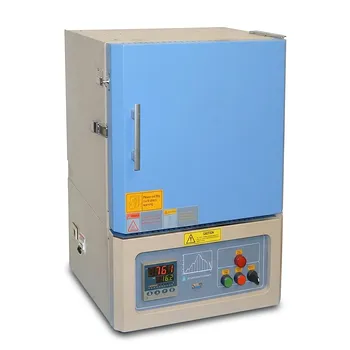
High Temperature 1700C Bench Top Muffle Furnace with Alumina Fiber Insulation and 3.6L Chamber Capacity for Precision Sintering and Heat Treatment
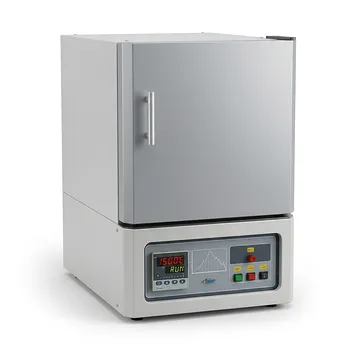
High Temperature 1500C Benchtop Muffle Furnace 3.6L Alumina Fiber Chamber Programmable Controller Sintering Annealing Carbonization Thermal Processing System
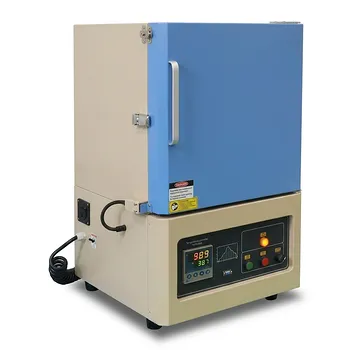
1200°C High Temperature Muffle Furnace 19L Chamber with 50 Segment Programmable Controller
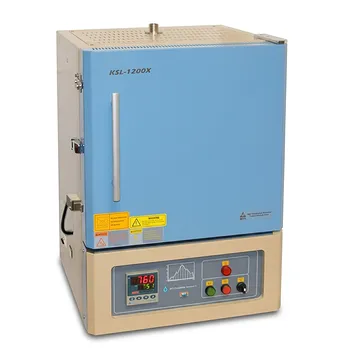
High Temperature 1200C Muffle Furnace 27L Volume 12x12x12 Chamber with Programmable PID Controller for Laboratory Material Science
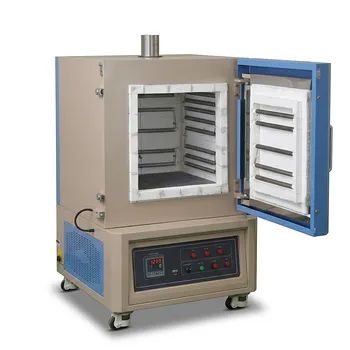
1200C High Temperature 125L Muffle Furnace 5 Side Heating for Large Batch Sintering with Optional Alloy Debinding Chamber
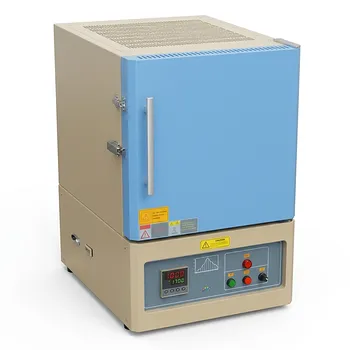
Large Bench Top 1700C High Temperature Muffle Furnace with 19L Chamber for Advanced Material Sintering and Annealing
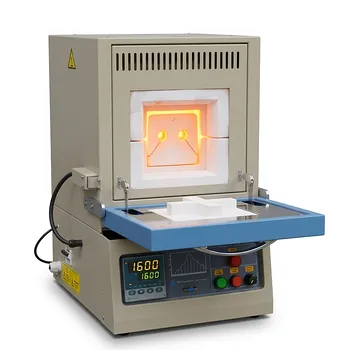
High Temperature Compact Muffle Furnace 1700 C with 30 Segment Programmable Controller and 1.7L Cubic Chamber
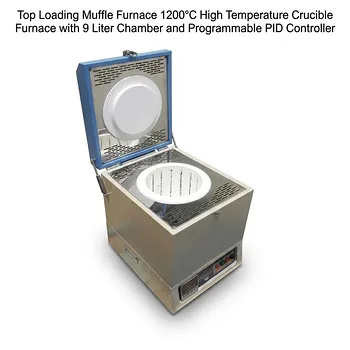
Top Loading Muffle Furnace 1200°C High Temperature Crucible Furnace with 9 Liter Chamber and Programmable PID Controller
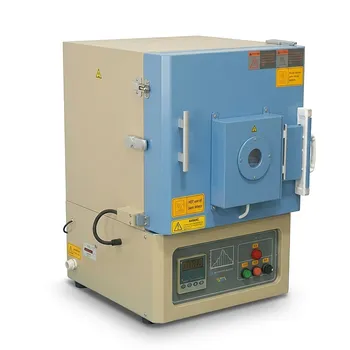
High Temperature Benchtop Muffle Furnace 1500C with 3.6L Chamber and Quartz Observation Window
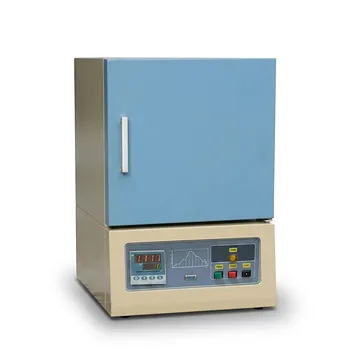
Ultra High Temperature Bench Top Muffle Furnace 1750C Sintering System with Kanthal Super Heating Elements and Precision Digital Control
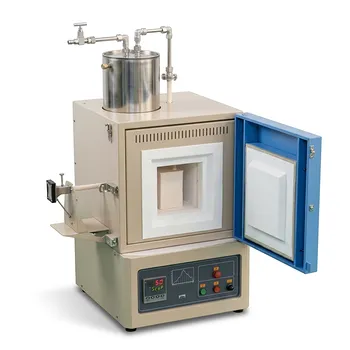
High Temperature Bench Top Muffle Furnace 1700C with Integrated Evaporating Particle Collection and 8x8x8 Alumina Fiber Chamber
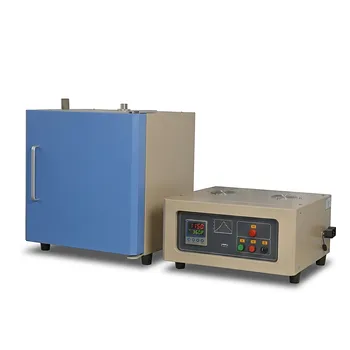
High Temperature Muffle Furnace with Alloy Chamber for Debinding and Sintering Applications
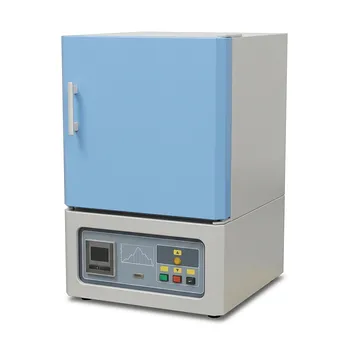
1800C Bench Top Muffle Furnace with Kanthal Super 1900 Heating Elements and 3.6L Alumina Fiber Chamber
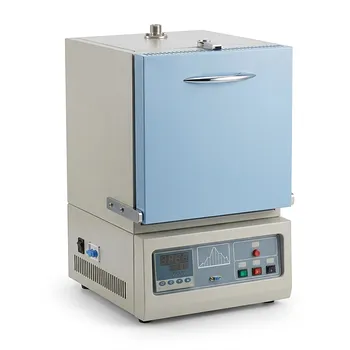
1750C Compact Muffle Furnace 1.7L Ultra High Temperature Laboratory Sintering System for Advanced Ceramics and Material Science Research
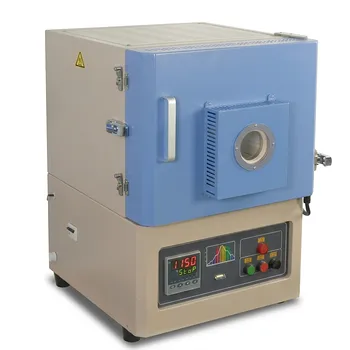
High Temperature Benchtop Muffle Furnace with Quartz Observation Window for Thermal Imaging and Material Analysis
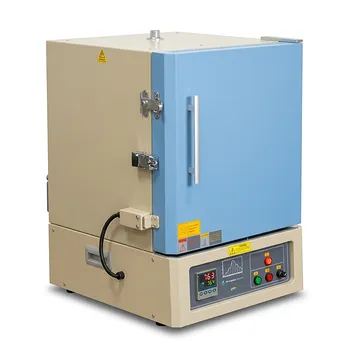
Large Capacity 1200C Muffle Furnace 64 Liter Chamber with Digital PID Controller and Built In Venting Port
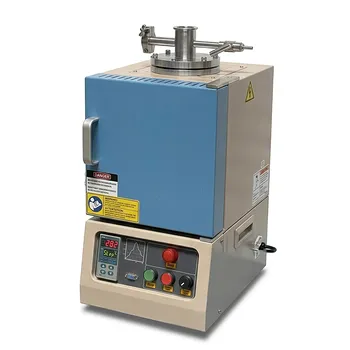
High Temperature Hybrid Muffle and Tube Furnace with Vacuum Capability and PID Control
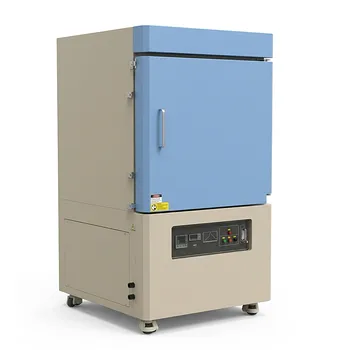
Industrial Large Box Furnace 1700C 216L High Temp Muffle Sintering System
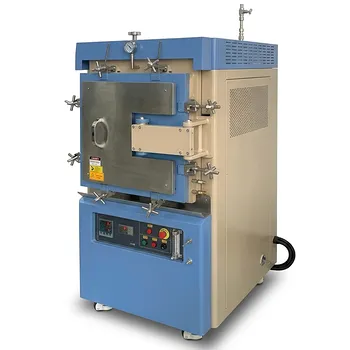
Atmosphere Controlled Muffle Furnace 1700C Maximum Temperature 80L High Capacity Vacuum Inert Gas Box Furnace