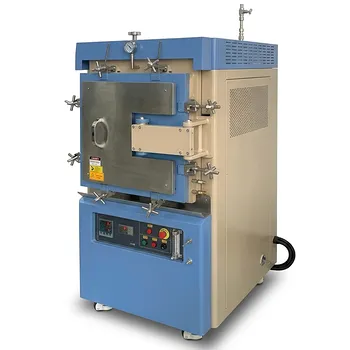
What is the function of a High-Temperature Muffle Furnace in the preparation of iron-based oxygen carriers? Optimize Stability
Updated 3 months ago
The High-Temperature Muffle Furnace is the workstation for thermal transformation, serving as the primary tool for the constant-temperature calcination and sintering of iron-based oxygen carriers. Its fundamental function is to provide a precise and stable thermal environment—typically ranging from 500°C up to 1100°C—that facilitates the chemical decomposition of precursors, the formation of stable crystalline phases, and the mechanical hardening of the carrier particles.
Core Takeaway: The High-Temperature Muffle Furnace converts unstable metal precursors into high-performance oxygen carriers by providing the thermal energy required for complete chemical decomposition, phase-stable crystallization, and structural sintering.
Facilitating Chemical Decomposition and Transformation
Complete Thermal Decomposition of Precursors
The furnace provides the necessary heat to trigger the decomposition of metal nitrate precursors (such as iron nitrate) and organic gel components. This process effectively removes volatile impurities and converts raw chemical mixtures into active metal oxide components.
Conversion to Stable Active Structures
By maintaining a stable high-temperature environment (specifically around 900°C for carriers like Fe4Al6), the furnace enables metal oxides to anchor onto support materials like alumina. This transformation is essential for creating the active sites required for effective oxygen transfer during chemical looping.
Removal of Volatile Impurities
In the treatment of natural ores, the furnace operates at temperatures near 1000°C to evaporate volatile impurities. This purification ensures that the resulting oxygen carrier is chemically consistent and free of substances that might interfere with redox reactions.
Structural Stabilization and Phase Control
Precision Phase Crystallization
The muffle furnace allows for the formation of specific crystalline structures, such as $\alpha$-Fe$_2$O$_3$ (hematite) or complex perovskite phases. Precise temperature control determines the grain size and final chemical stoichiometry, which are the primary drivers of the carrier's reactivity.
Promoting Ionic Diffusion
High temperatures facilitate long-range ionic diffusion and lattice reorganization between different metal oxide components. This solid-state synthesis ensures that the oxygen carrier reaches a stable state, preventing further unintended phase changes during actual industrial use.
Nanostructuring and Morphology Control
For specialized catalysts, a controlled thermal field (around 500°C) enables the perfection of nanostructures. This results in uniform catalyst particles with the specific morphology and surface area needed for high catalytic activity.
Enhancing Mechanical Integrity and Durability
Strengthening through Sintering
At temperatures as high as 1100°C, the furnace facilitates solid-phase reactions that increase the density of the particles. This sintering process is critical for developing the radial crushing strength required for materials used in high-velocity fluidization environments.
Resistance to Attrition
Thermal treatment promotes strong chemical bonding between the active metal sites and the carrier material. This ensures that the oxygen carriers maintain their structural integrity and resist breaking down into fines during frequent oxidation-reduction cycles.
Stabilization for Long-Term Cycling
A properly calcined carrier exhibits crystal phase stability, which allows it to maintain consistent redox activity over time. Without this high-temperature stabilization, the carrier would likely degrade rapidly when exposed to the harsh, fluctuating conditions of a gasification process.
Understanding the Technical Trade-offs
Temperature vs. Surface Area
While higher temperatures increase mechanical strength and stability, they can also lead to sintering-induced loss of surface area. As particles densify and grains grow, the total available surface for gas-solid reactions may decrease, potentially lowering initial reactivity.
Atmosphere Sensitivity
The furnace environment (typically air for oxidation) determines the oxidation state of the iron. If the furnace atmosphere is not carefully managed or if the temperature is too high for a specific phase, you may accidentally produce a less active crystal structure than intended.
Energy Consumption and Throughput
Muffle furnaces are often limited by ramp-up and cool-down times required to prevent thermal shock to the material or the furnace refractory. This makes the calcination stage one of the most time-intensive and energy-demanding steps in the preparation of oxygen carriers.
How to Apply This to Your Project
When preparing iron-based oxygen carriers, your furnace settings should be dictated by the specific requirements of your reactor system.
- If your primary focus is High Redox Reactivity: Use lower calcination temperatures (500°C–600°C) to facilitate organic decomposition while preserving a fluffy, porous structure and high surface area.
- If your primary focus is Mechanical Durability: Target higher sintering temperatures (1000°C–1100°C) to maximize density and crushing strength, which is essential for fluidized bed applications.
- If your primary focus is Chemical Looping Stability: Utilize a mid-range temperature (approximately 900°C) to ensure the complete formation of stable composite phases like iron-alumina structures.
Selecting the correct thermal profile in the muffle furnace is the single most important factor in determining whether your oxygen carrier will survive the rigors of industrial chemical looping.
Summary Table:
| Preparation Stage | Temperature Range | Primary Function & Benefit |
|---|---|---|
| Precursor Decomposition | 500°C – 600°C | Removes volatile impurities and perfects nanostructures for high catalytic activity. |
| Phase Stabilization | ~900°C | Facilitates ionic diffusion and forms stable active structures like iron-alumina composites. |
| Structural Sintering | 1000°C – 1100°C | Increases particle density and radial crushing strength for high-velocity fluidization environments. |
Elevate Your Material Research with THERMUNITS
Are you looking to optimize the reactivity and durability of your oxygen carriers? THERMUNITS is a leading manufacturer of high-temperature laboratory equipment for material science and industrial R&D. We provide the precision thermal environments necessary for advanced chemical looping and heat treatment processes.
Our comprehensive range of thermal processing solutions includes:
- Muffle, Vacuum, and Atmosphere Furnaces
- Tube, Rotary, and Hot Press Furnaces
- CVD/PECVD systems and Dental Furnaces
- Electric Rotary Kilns and Vacuum Induction Melting Furnaces (VIM)
- High-Quality Thermal Elements and Lab Accessories
Whether you are conducting small-scale lab experiments or scaling up for industrial R&D, THERMUNITS delivers the reliability and temperature uniformity your project demands. Contact us today to find the perfect furnace for your application!
References
- Guochao Hu, Yongzhuo Liu. Mercury Adsorption and Oxidation Performance of an Iron-Based Oxygen Carrier during Coal Chemical Looping Process. DOI: 10.3390/molecules29102195
Mentioned Products
- High Temperature Muffle Furnace with Alloy Chamber for Debinding and Sintering Applications
- 1200C High Temperature 125L Muffle Furnace 5 Side Heating for Large Batch Sintering with Optional Alloy Debinding Chamber
- Ultra High Temperature Bench Top Muffle Furnace 1750C Sintering System with Kanthal Super Heating Elements and Precision Digital Control
- Large Bench Top 1700C High Temperature Muffle Furnace with 19L Chamber for Advanced Material Sintering and Annealing
- 1200°C High Temperature Muffle Furnace 19L Chamber with 50 Segment Programmable Controller
People Also Ask
- What role does a high-temperature muffle furnace play in evaluating the mineral composition of rock samples? LOI & XRF Guide
- What role does a high-temperature muffle furnace play in the synthesis of Melem precursors? Precision Polymerization.
- What is the purpose of using muffle or tube furnaces in glass synthesis? Achieve Precise Melt-Quenching & Homogeneity
- Why is annealing in a high-temperature muffle furnace necessary for SiO2/Si substrate pretreatment before monolayer WS2 synthesis?
- What is the role of a high-temperature muffle furnace in the synthesis of graphitic carbon nitride (g-C3N4)? - Guide

Tech Team · ThermUnits
Last updated on Jun 02, 2026
Related Products
High Temperature Muffle Furnace with Alloy Chamber for Debinding and Sintering Applications
1200C High Temperature 125L Muffle Furnace 5 Side Heating for Large Batch Sintering with Optional Alloy Debinding Chamber
Ultra High Temperature Bench Top Muffle Furnace 1750C Sintering System with Kanthal Super Heating Elements and Precision Digital Control
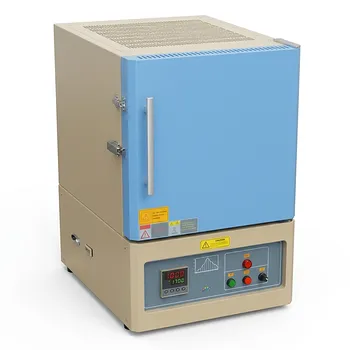
Large Bench Top 1700C High Temperature Muffle Furnace with 19L Chamber for Advanced Material Sintering and Annealing
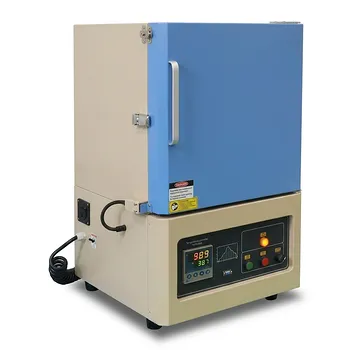
1200°C High Temperature Muffle Furnace 19L Chamber with 50 Segment Programmable Controller
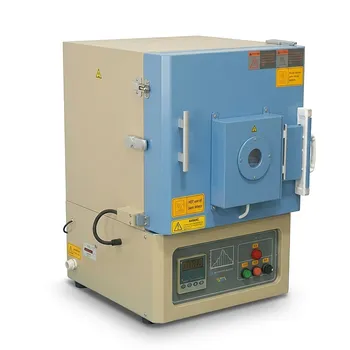
High Temperature Benchtop Muffle Furnace 1500C with 3.6L Chamber and Quartz Observation Window
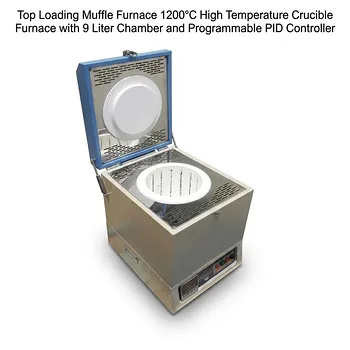
Top Loading Muffle Furnace 1200°C High Temperature Crucible Furnace with 9 Liter Chamber and Programmable PID Controller
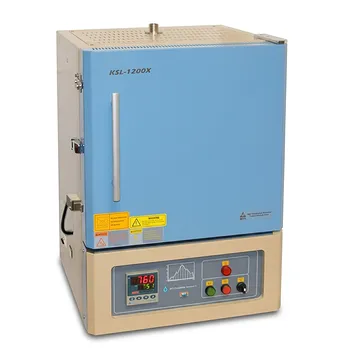
High Temperature 1200C Muffle Furnace 27L Volume 12x12x12 Chamber with Programmable PID Controller for Laboratory Material Science
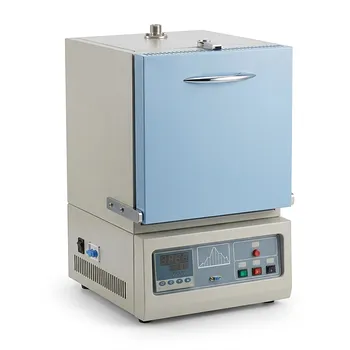
1750C Compact Muffle Furnace 1.7L Ultra High Temperature Laboratory Sintering System for Advanced Ceramics and Material Science Research
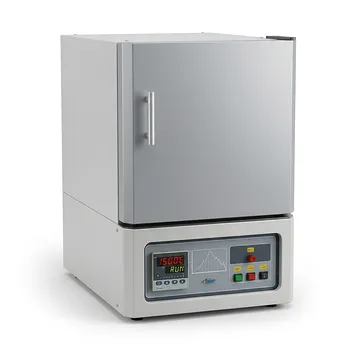
High Temperature 1500C Benchtop Muffle Furnace 3.6L Alumina Fiber Chamber Programmable Controller Sintering Annealing Carbonization Thermal Processing System
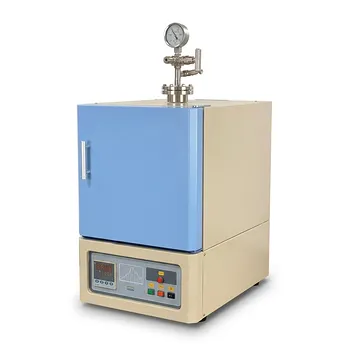
Hybrid High Temperature Muffle and Tube Furnace with 1500C Capability and Vacuum Flange Assembly
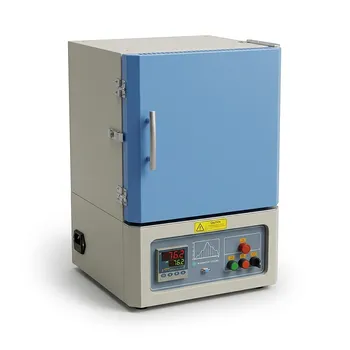
1750C Bench Top Muffle Furnace 3.6L High Grade Molybdenum Disilicide Heating Elements Laboratory Heat Treatment Equipment
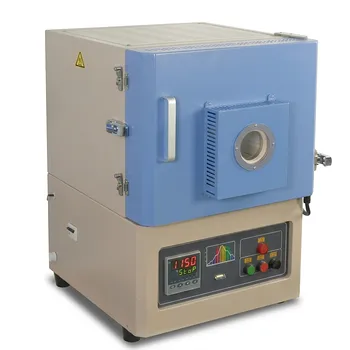
High Temperature Benchtop Muffle Furnace with Quartz Observation Window for Thermal Imaging and Material Analysis
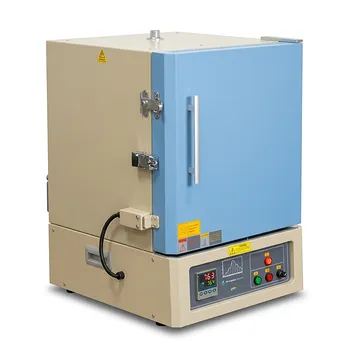
Large Capacity 1200C Muffle Furnace 64 Liter Chamber with Digital PID Controller and Built In Venting Port
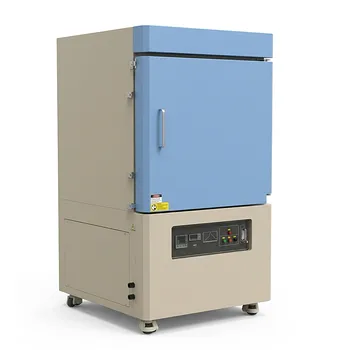
Industrial Large Box Furnace 1700C 216L High Temp Muffle Sintering System
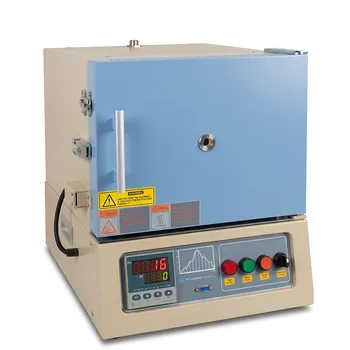
1200C Muffle Furnace 12x8x5 7.2L Heating Chamber with Quartz Observation Window and Vent Port
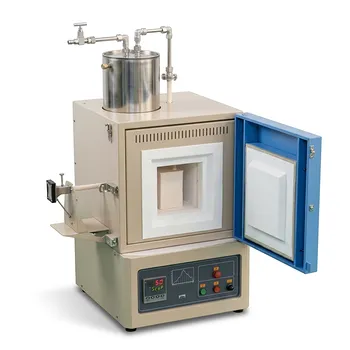
High Temperature Bench Top Muffle Furnace 1700C with Integrated Evaporating Particle Collection and 8x8x8 Alumina Fiber Chamber
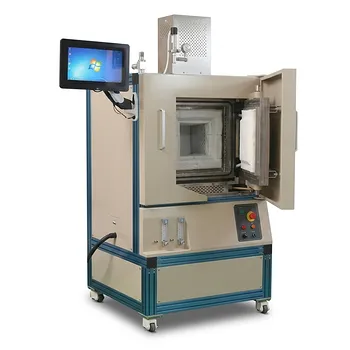
High Temperature Oxygen and Inert Atmosphere Controlled Furnace 8 Liter 1700C Sintering System for Advanced Materials RD
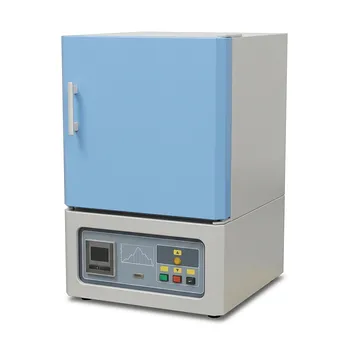
1800C Bench Top Muffle Furnace with Kanthal Super 1900 Heating Elements and 3.6L Alumina Fiber Chamber