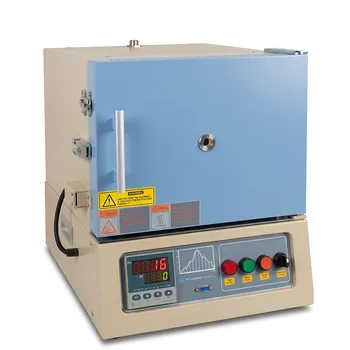
What is the necessity of 950 °C muffle furnace for aluminate spinel supports? Achieve Phase Purity & Lattice Integration
Updated 3 months ago
The necessity of a 950 °C environment in a muffle furnace is driven by the high formation enthalpies of nickel (Ni) and copper (Cu) aluminate spinels. This specific temperature provides the required thermodynamic driving force to ensure metal cations fully integrate into the spinel lattice. Without this precise secondary calcination step, the material remains contaminated with segregated impurity phases like copper oxide (CuO) or nickel oxide (NiO), preventing the achievement of a phase-pure support.
High-temperature calcination at 950 °C acts as the critical energy threshold for lattice integration in aluminate spinels. It transitions the material from a mixture of precursor oxides into a structurally cohesive, phase-pure spinel by overcoming the thermodynamic barriers of Ni and Cu incorporation.
Achieving Thermodynamic Equilibrium
Overcoming Formation Enthalpy
Aluminate spinels containing transition metals like nickel and copper possess relatively high formation enthalpies. This means the chemical reaction required to bond these metals with alumina into a single crystalline structure requires significant energy. A muffle furnace at 950 °C provides the intense thermal energy necessary to initiate and complete this solid-state reaction.
Facilitating Cation Migration
At lower temperatures, metal cations may remain on the surface or form isolated clusters. The 950 °C environment facilitates the diffusion of cations into the octahedral and tetrahedral sites of the alumina lattice. This migration is the fundamental mechanism that transforms a physical mixture of oxides into a chemically bonded spinel structure.
Ensuring Phase Purity and Stability
Eliminating Oxide Segregation
When temperatures are insufficient, the system fails to reach a homogenous state, leading to the segregation of impurity phases. Common impurities include nickel oxide (NiO) and copper oxide (CuO), which can negatively impact the catalytic properties of the support. The 950 °C treatment ensures these oxides are fully consumed by the spinel formation process.
Establishing Thermal and Chemical Consistency
Beyond lattice entry, high-temperature treatment stabilizes the physicochemical foundation of the support. This process removes residual volatiles and moisture while ensuring the pore structure and surface acidity are fixed. This consistency is vital for the uniform loading of active metal precursors in subsequent catalyst preparation stages.
The Role of the Muffle Furnace in Phase Transformation
Promoting Grain Rearrangement
Muffle furnaces provide the stable thermal field required for grain rearrangement and high crystallinity. While lower temperatures (800–900 °C) can initiate chemical reactions, 950 °C ensures the structural finalization of the spinel. For other alumina phases, even higher temperatures—up to 1200 °C—are sometimes needed to achieve the thermodynamically stable alpha-alumina phase.
Controlled Debindering and Purification
The furnace environment also serves to eliminate organic components, such as Polyvinylpyrrolidone (PVP), used during manufacturing. Heating in an air atmosphere at these temperatures ensures that organic binders are completely oxidized and decomposed. This clears the internal pores, allowing for better diffusion of active species during the final use of the catalyst.
Understanding the Trade-offs
Sintering and Surface Area Loss
While 950 °C is necessary for phase purity, excessive heat can lead to sintering, where small particles fuse together. This process can significantly reduce the specific surface area of the aluminate spinel, potentially decreasing the number of available active sites for catalysis.
Material Selection and Contamination
At high synthesis temperatures, the choice of container is critical to avoid leaching impurities into the sample. High-purity alumina crucibles are typically required because they remain chemically inert and do not react with active precursors even at elevated temperatures. Using lower-grade materials can result in the introduction of unwanted elements that compromise the integrity of the transition metal oxide.
Applying Thermal Processing to Your Project
Recommendations for Optimization
- If your primary focus is phase purity: Utilize a secondary calcination step at exactly 950 °C to ensure the complete elimination of NiO and CuO impurity phases.
- If your primary focus is maintaining high surface area: Monitor the dwell time at 950 °C strictly to provide the necessary energy for spinel formation without inducing excessive sintering.
- If your primary focus is catalyst loading uniformity: Use the muffle furnace to stabilize the support's pore structure and remove all adsorbed moisture before attempting impregnation.
- If your primary focus is structural stability in harsh conditions: Consider increasing the temperature toward 1200 °C to facilitate transformation into the most thermodynamically stable phases.
The precise control of a 950 °C thermal environment is the definitive factor in transforming raw metal oxides into a high-performance, phase-pure aluminate spinel support.
Summary Table:
| Key Objective | Mechanism at 950 °C | Impact on Material Support |
|---|---|---|
| Phase Purity | Eliminates segregated NiO and CuO | Achieves a homogenous, impurity-free spinel lattice. |
| Thermodynamics | Overcomes high formation enthalpies | Provides the energy threshold for solid-state reactions. |
| Structural Integrity | Facilitates cation migration | Transforms oxide mixtures into cohesive crystal structures. |
| Purity & Porosity | Oxidizes organic binders (e.g., PVP) | Clears internal pores for uniform catalyst loading. |
| Stability | Promotes grain rearrangement | Establishes long-term thermal and chemical consistency. |
Elevate Your Research with Precision Thermal Solutions
Achieving the exact thermodynamic threshold for phase-pure aluminate spinels requires uncompromising temperature stability. THERMUNITS is a leading manufacturer of high-performance laboratory equipment dedicated to material science and industrial R&D. We provide the precise thermal environments necessary for your most critical heat treatment processes.
Our comprehensive product range includes:
- Advanced Furnaces: Muffle, Vacuum, Atmosphere, Tube, Rotary, and Hot Press Furnaces.
- Specialized Systems: CVD/PECVD systems, Dental Furnaces, and Electric Rotary Kilns.
- Industrial Solutions: Vacuum Induction Melting (VIM) furnaces and high-quality Thermal Elements.
Ready to optimize your catalyst supports and material synthesis? Contact THERMUNITS today to find the perfect thermal processing solution for your lab!
References
- Christopher Riley, Stanley S. Chou. Platinum on High-Entropy Aluminate Spinels as Thermally Stable CO Oxidation Catalysts. DOI: 10.3390/catal14030211
Mentioned Products
- High Temperature 1700C Bench Top Muffle Furnace with Alumina Fiber Insulation and 3.6L Chamber Capacity for Precision Sintering and Heat Treatment
- High Temperature 1500C Benchtop Muffle Furnace 3.6L Alumina Fiber Chamber Programmable Controller Sintering Annealing Carbonization Thermal Processing System
- 1200°C High Temperature Muffle Furnace 19L Chamber with 50 Segment Programmable Controller
- High Temperature Muffle Furnace with Dual Controllers and 36L Large Chamber 1700C Max
- Large Bench Top 1700C High Temperature Muffle Furnace with 19L Chamber for Advanced Material Sintering and Annealing
People Also Ask
- What role does a high-temperature muffle furnace play in evaluating the mineral composition of rock samples? LOI & XRF Guide
- What is the function of a high-temperature muffle furnace in phosphorus-modified zeolite catalyst preparation?
- What is the function of a high-temp muffle furnace in Ni-V oxide synthesis? Optimize your material's performance.
- What is the purpose of using muffle or tube furnaces in glass synthesis? Achieve Precise Melt-Quenching & Homogeneity
- What is the function of a muffle furnace in aluminoborosilicate glass prep? Stabilize Raw Materials for Superior Purity

Tech Team · ThermUnits
Last updated on Jun 03, 2026
Related Products
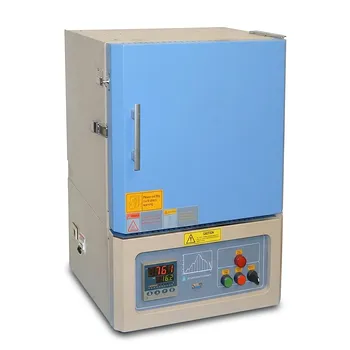
High Temperature 1700C Bench Top Muffle Furnace with Alumina Fiber Insulation and 3.6L Chamber Capacity for Precision Sintering and Heat Treatment
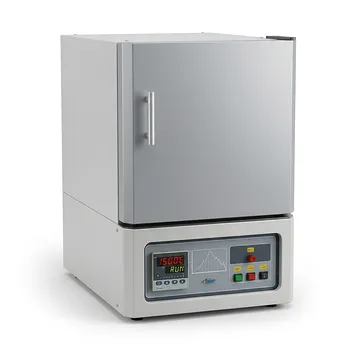
High Temperature 1500C Benchtop Muffle Furnace 3.6L Alumina Fiber Chamber Programmable Controller Sintering Annealing Carbonization Thermal Processing System
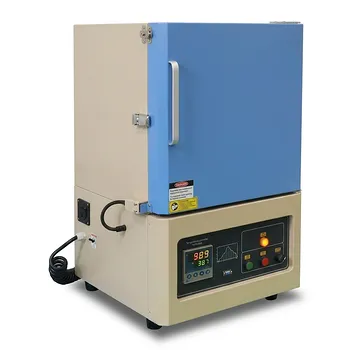
1200°C High Temperature Muffle Furnace 19L Chamber with 50 Segment Programmable Controller
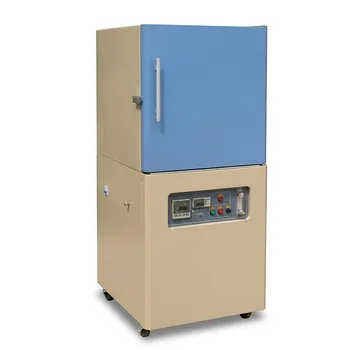
High Temperature Muffle Furnace with Dual Controllers and 36L Large Chamber 1700C Max
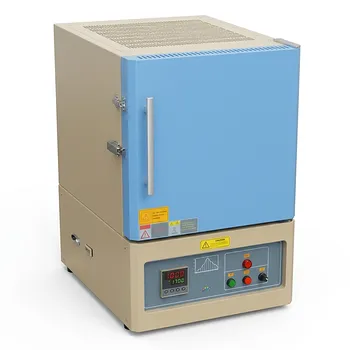
Large Bench Top 1700C High Temperature Muffle Furnace with 19L Chamber for Advanced Material Sintering and Annealing
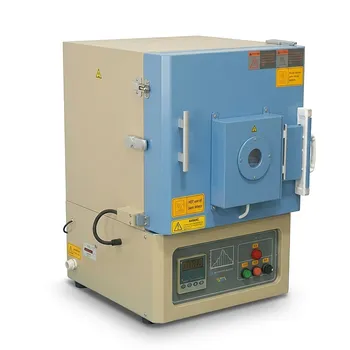
High Temperature Benchtop Muffle Furnace 1500C with 3.6L Chamber and Quartz Observation Window
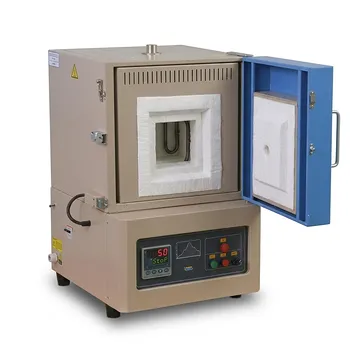
1800°C Bench Top Ultra High Temperature Muffle Furnace with Sapphire Observation Window and Top Feeding Port for Materials Research and Thermal Processing
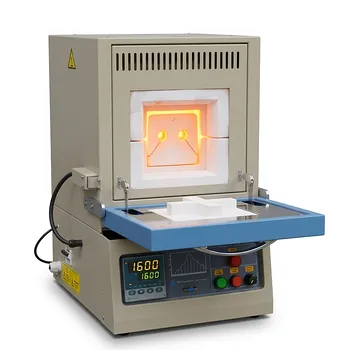
High Temperature Compact Muffle Furnace 1700 C with 30 Segment Programmable Controller and 1.7L Cubic Chamber
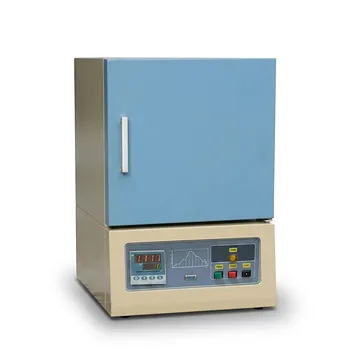
Ultra High Temperature Bench Top Muffle Furnace 1750C Sintering System with Kanthal Super Heating Elements and Precision Digital Control
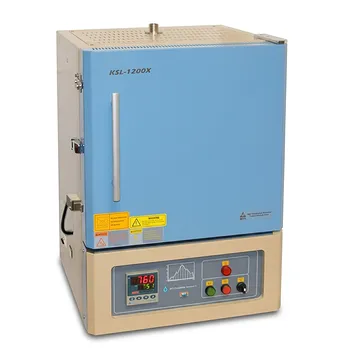
High Temperature 1200C Muffle Furnace 27L Volume 12x12x12 Chamber with Programmable PID Controller for Laboratory Material Science
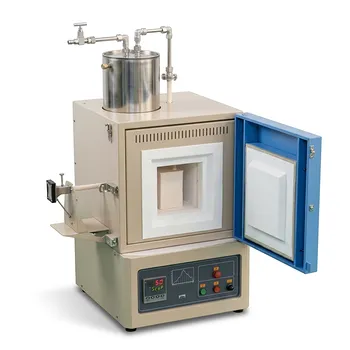
High Temperature Bench Top Muffle Furnace 1700C with Integrated Evaporating Particle Collection and 8x8x8 Alumina Fiber Chamber
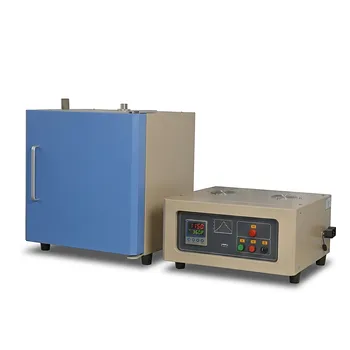
High Temperature Muffle Furnace with Alloy Chamber for Debinding and Sintering Applications
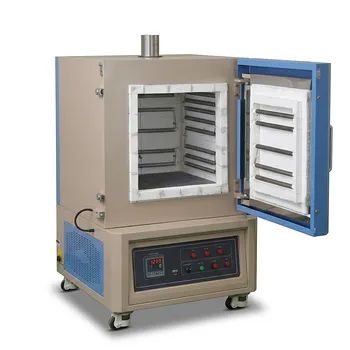
1200C High Temperature 125L Muffle Furnace 5 Side Heating for Large Batch Sintering with Optional Alloy Debinding Chamber
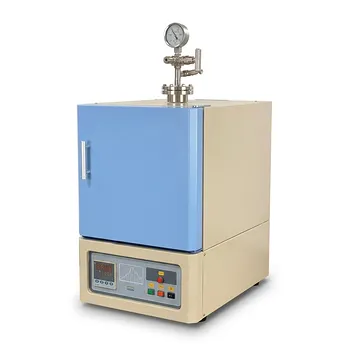
Hybrid High Temperature Muffle and Tube Furnace with 1500C Capability and Vacuum Flange Assembly
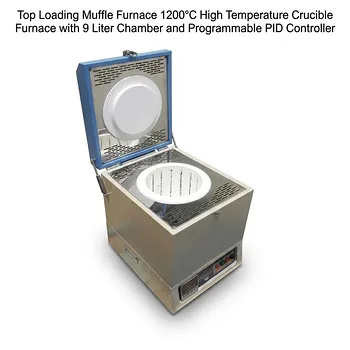
Top Loading Muffle Furnace 1200°C High Temperature Crucible Furnace with 9 Liter Chamber and Programmable PID Controller
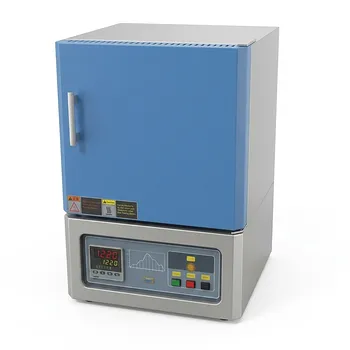
High Temperature Benchtop Muffle Furnace 1700C 10L Chamber Alumina Fiber Insulation MoSi2 Heating Elements
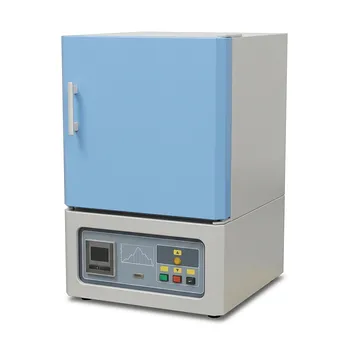
1800C Bench Top Muffle Furnace with Kanthal Super 1900 Heating Elements and 3.6L Alumina Fiber Chamber
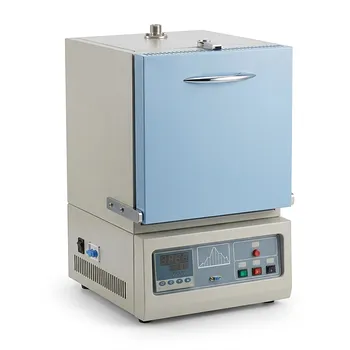
1750C Compact Muffle Furnace 1.7L Ultra High Temperature Laboratory Sintering System for Advanced Ceramics and Material Science Research
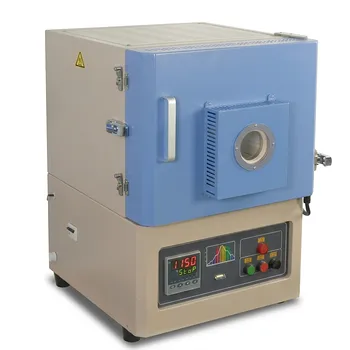
High Temperature Benchtop Muffle Furnace with Quartz Observation Window for Thermal Imaging and Material Analysis