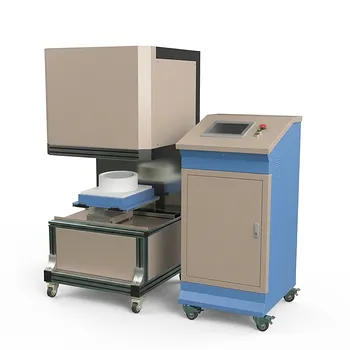
What is the function of a laboratory box furnace for SA508 steel? Master Tempering & Re-Austenitization
Updated 3 months ago
The laboratory box furnace serves as the primary thermal control vessel for refining the microstructure of SA508 steel weldments. Its function is to provide a highly stable and uniform environment that allows for precise phase transformations—either the decomposition of martensite during tempering or the formation of austenite during re-austenitization. By maintaining specific temperatures, typically between 565°C and 860°C, the furnace ensures the material achieves its target mechanical properties, including optimal hardness, strength, and impact toughness.
The core function of a laboratory box furnace is to provide a stable, uniform thermal field that facilitates precise phase transformations in SA508 steel. This control is essential for managing martensite decomposition and austenite reformation, ultimately balancing the material's structural integrity and stress relief.
The Role in Re-Austenitization
Achieving Complete Phase Transformation
During re-austenitization, the furnace heats the SA508 weldment to temperatures often reaching the upper end of the 860°C to 1000°C range. This stable environment ensures that the steel undergoes a complete phase change into austenite, which is the necessary precursor for subsequent quenching.
Grain Refinement and Microstructural Control
The furnace's thermal stability allows undissolved V(C,N) particles to pin austenite grain boundaries. This pinning effect is critical for grain refinement, which prevents the grains from growing too large and ensures the final product has superior mechanical properties.
Simulating Industrial Heating Slopes
Researchers use laboratory furnaces to monitor the temperature rise curve of the steel. This simulation helps determine the effective heat input required before the material reaches its stable austenitization temperature, providing a baseline for industrial-scale operations.
The Role in Tempering and Stress Relief
Martensite Decomposition and Toughening
In the tempering stage, the furnace maintains a stable, lower temperature (often around 200°C to 500°C) for extended periods. This process promotes the controlled decomposition of martensite, transforming a brittle structure into one that is significantly tougher and more ductile.
Elimination of Residual Internal Stresses
Weldments and quenched parts naturally harbor internal residual stresses that can lead to premature failure. The precise thermal field of a box furnace allows these stresses to relax, significantly improving the plasticity and impact toughness of the SA508 steel without sacrificing necessary hardness.
Adjusting Core Hardness
The furnace allows for fine-tuning the material's core hardness to meet final specifications. By adjusting the duration and temperature within the furnace, engineers can ensure that components like fuel injector bodies or pressure vessel weldments possess the required fatigue strength for service.
Understanding the Trade-offs
Thermal Lag and Surface-to-Core Differentials
While the furnace display may show a specific temperature, the actual temperature of the SA508 weldment may lag behind. This differential can lead to incomplete transformations if the "soak time" is not properly calculated based on the thickness of the material.
Limitations in Cooling Rates
A laboratory box furnace is designed for heating and holding, not for controlled cooling. Because these furnaces are well-insulated, they cool down very slowly; if a specific cooling rate is required post-tempering, the part must usually be removed from the furnace, risking uneven thermal contraction.
Atmosphere and Oxidation
Standard box furnaces may subject the steel to oxidation or decarburization if the atmosphere is not controlled. For sensitive SA508 weldments, the formation of surface scale during long heat treatment cycles can affect the final dimensions and surface integrity of the part.
How to Apply This to Your Project
When utilizing a laboratory box furnace for SA508 steel heat treatment, your specific goals will dictate your furnace settings and soak times.
- If your primary focus is Grain Refinement: Target the lower end of the re-austenitization range and ensure enough soak time for V(C,N) particles to pin grain boundaries effectively.
- If your primary focus is Stress Relief: Use a stable tempering temperature between 500°C and 650°C to allow internal stresses to dissipate while maintaining a balance of strength and toughness.
- If your primary focus is Maximum Hardness: Prioritize a precise re-austenitization temperature near 860°C followed by an immediate quench, using the furnace only to stabilize the initial phase transformation.
By masterfully controlling the thermal environment of the laboratory box furnace, you transform raw SA508 weldments into high-performance structural components with predictable mechanical lifespans.
Summary Table:
| Heat Treatment Stage | Temperature Range | Key Microstructural Change | Mechanical Benefit |
|---|---|---|---|
| Re-Austenitization | 860°C - 1000°C | Complete transformation to Austenite | Grain refinement & phase uniformity |
| Tempering | 200°C - 650°C | Martensite decomposition | Increased toughness & ductility |
| Stress Relief | 500°C - 650°C | Relaxation of internal stresses | Improved plasticity & impact strength |
| Soaking/Holding | Varies | Thermal stabilization | Precise core hardness adjustment |
Achieve Superior Material Performance with THERMUNITS
In high-stakes material science and industrial R&D, the precision of your thermal environment determines the success of your SA508 steel weldments. THERMUNITS is a leading manufacturer specializing in high-performance laboratory heat treatment equipment designed for exact phase transformations and stress relief.
From high-stability Muffle and Atmosphere furnaces to advanced Vacuum, Tube, and Hot Press systems, our solutions ensure uniform heating and reliable results for every cycle. We also offer CVD/PECVD systems, Dental Furnaces, Vacuum Induction Melting (VIM) furnaces, and high-quality thermal elements to support your most demanding projects.
Need a furnace that delivers uncompromising accuracy?
Contact THERMUNITS today to discuss your custom thermal processing needs and let our experts help you optimize your heat treatment workflow.
References
- Kenneth D. Bruce, E.J. Pickering. Heat Treatment Optimisation of Electron Beam Welded Reactor Pressure Vessel Steel. DOI: 10.1007/s11661-024-07674-4
Mentioned Products
- 1700C Box Furnace with Sliding Platform for Rapid Heating and Cooling High Temperature Thermal Processing System
- Five Sided Heating Muffle Furnace High Uniformity 1200C Lab Box Furnace 27L Alumina Fiber Chamber
- 1200°C Five Side Heating Atmosphere Controlled Muffle Furnace 64 Liter High Uniformity Box Furnace for Material Synthesis
- 1200C Small Box Muffle Furnace with Separated Programmable Controller and 4.2L Alumina Fiber Chamber
- Bottom Loaded Inert Gas Atmosphere Box Furnace 1400C Maximum Temperature 125L High Capacity Laboratory Heat Treatment System
People Also Ask
- What is the role of a high-temperature box furnace in the solid-state synthesis of Europium-doped M3MgSi2O8 phosphors?
- Why is a high-temperature box furnace required for 1250°C ferrite calcination? Ensure Precise Phase Transformation.
- What role does an industrial-grade high-temperature furnace play in C2F sintering? Achieve Pure Phase and High Strength
- How does a high-temp box furnace aid rare-earth oxysulfide phosphor synthesis? Enhance Purity & Luminescence
- What is the role of a high-temperature box furnace in Na3MnZr(PO4)3 synthesis? Engineering High-Performance NASICON.

Tech Team · ThermUnits
Last updated on Jun 03, 2026
Related Products
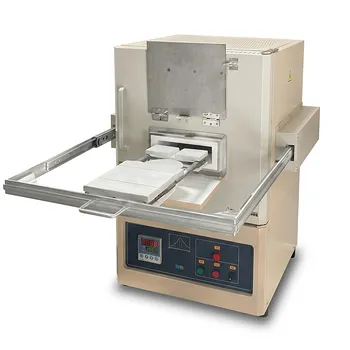
1700C Box Furnace with Sliding Platform for Rapid Heating and Cooling High Temperature Thermal Processing System
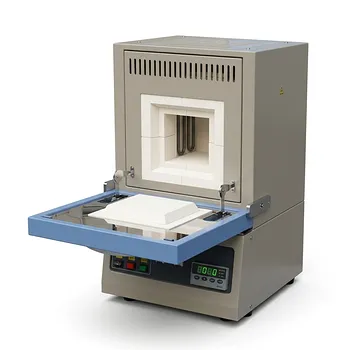
Five Sided Heating Muffle Furnace High Uniformity 1200C Lab Box Furnace 27L Alumina Fiber Chamber
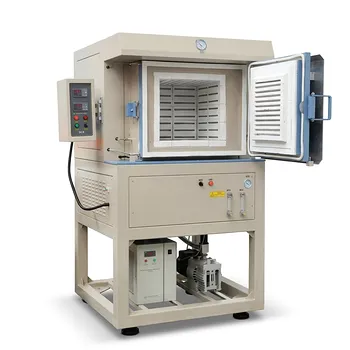
1200°C Five Side Heating Atmosphere Controlled Muffle Furnace 64 Liter High Uniformity Box Furnace for Material Synthesis
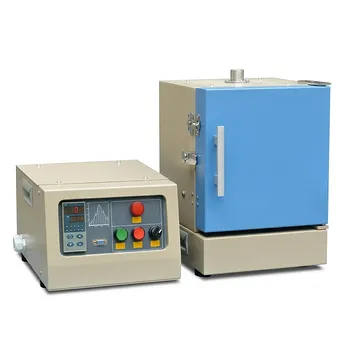
1200C Small Box Muffle Furnace with Separated Programmable Controller and 4.2L Alumina Fiber Chamber
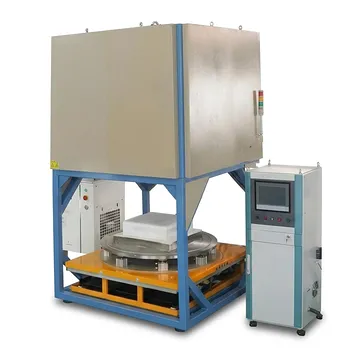
Bottom Loaded Inert Gas Atmosphere Box Furnace 1400C Maximum Temperature 125L High Capacity Laboratory Heat Treatment System
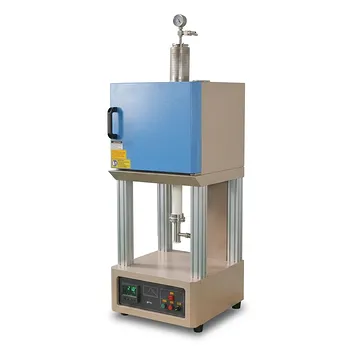
Hybrid High Temperature Tube and Box Furnace 1700C with 2 Inch Alumina Tube for Material Research
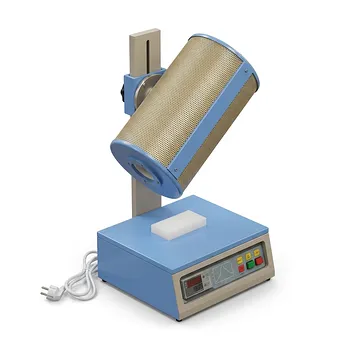
1100°C Vertical Laboratory Furnace for DIY Tubular Reactors with PID Temperature Controller
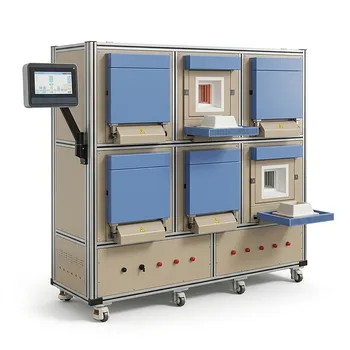
High Temperature 1700℃ Eight Chamber Box Furnace with Automatic Doors for Autonomous Material Research and High Throughput Heat Treatment
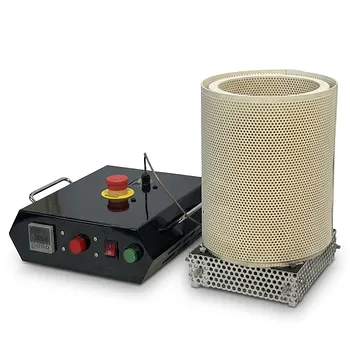
1250 C Compact Vertical Box Furnace for Glovebox Material Research Air Sensitive Samples
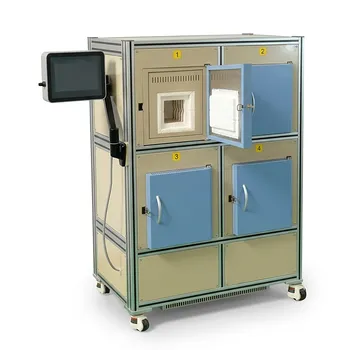
High Temperature Four Chamber Box Furnace for High Throughput Materials Research and Space Saving Thermal Processing
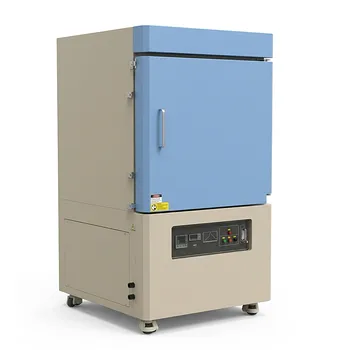
Industrial Large Box Furnace 1700C 216L High Temp Muffle Sintering System
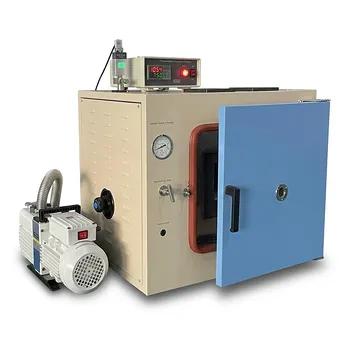
Compact High Vacuum Box Furnace 1050C Max 6.2L Ceramic Chamber Stainless Steel Shell Programmable Temperature Controller for Material Science Research
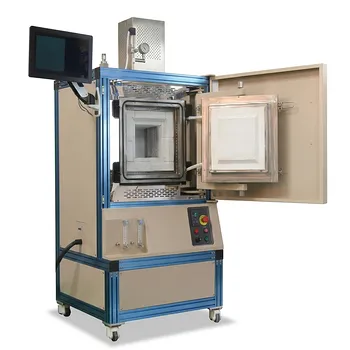
High Temperature Hydrogen Atmosphere Box Furnace 1650C Max Reducing Environment Material Synthesis System 8x8x8 Chamber
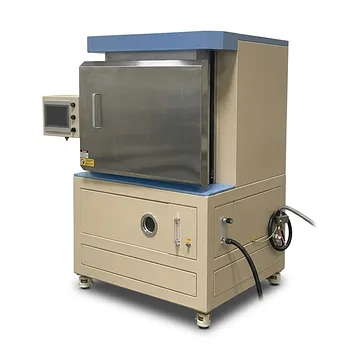
1650C High Temperature Atmosphere Controlled Box Furnace with 65L Chamber for Advanced Material Sintering and Industrial Heat Treatment
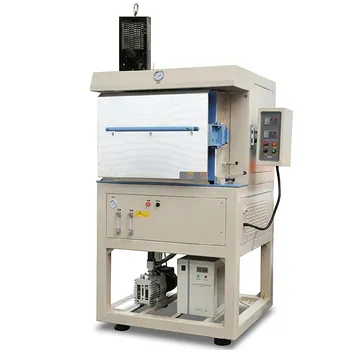
1200C Hydrogen Atmosphere Box Furnace with 5 Heated Sides and 64L Chamber
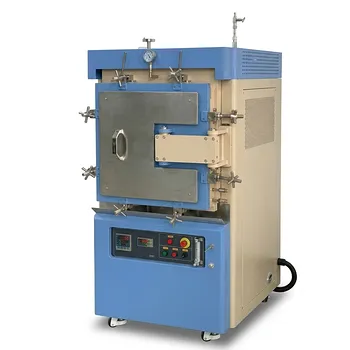
High Temperature Economic Hydrogen Gas Box Furnace 1600C Atmosphere Controlled Thermal Processing System 65L Capacity
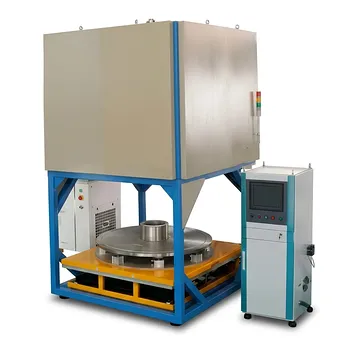
1400C Bottom Loaded Inert Gas Atmosphere Box Furnace with 125L Capacity and Precision Hydraulic Lift
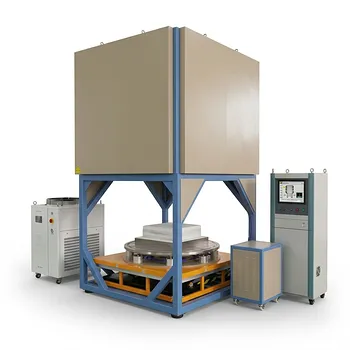
Bottom Loaded Inert Gas Atmosphere Box Furnace 1700C 1300C 216L Large Capacity Industrial Thermal Processing System
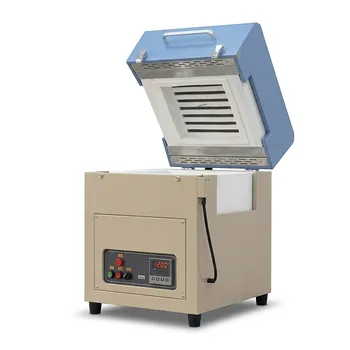
1200 C Maximum Three Sided Heating Top Loading Furnace with 12 x 12 x 8 Inch Chamber for Solid Oxide Fuel Cell Testing and High Temperature RD