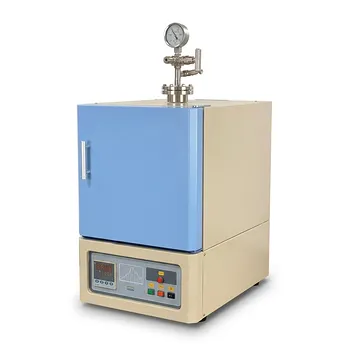
Why is a high-temperature box furnace required for 1250°C ferrite calcination? Ensure Precise Phase Transformation.
Updated 5 months ago
The synthesis of M-type hexagonal ferrites requires a high-temperature box furnace to provide the thermal energy necessary for solid-state reactions at 1250°C. This specific temperature and the three-hour duration ensure that amorphous xerogel precursors transition into a fully crystallized structure, such as SrFe11.5Al0.5O19. This precise thermal treatment is vital for developing the high magnetocrystalline anisotropy needed for optimal performance in millimeter-wave (mmWave) applications.
Core Takeaway: A high-temperature box furnace is essential because it facilitates the solid-state diffusion and lattice rearrangement required to transform chemical precursors into stable, highly crystalline magnetic phases. This process directly determines the material’s ability to exhibit the ferromagnetic resonance (FMR) characteristics necessary for high-frequency electronics.
Driving Solid-State Reactions and Phase Transformation
Converting Xerogel into Crystal Structures
At 1250°C, the furnace provides the activation energy required to convert xerogel powders into the complex crystal lattice of M-type hexagonal ferrites. This is a chemical metamorphosis where the initial amorphous material undergoes a solid-state reaction to form a specific, orderly atomic arrangement.
The Role of Thermal Energy in Lattice Rearrangement
High temperatures drive solid-state diffusion, allowing atoms to migrate within the material to their most stable positions. This migration is necessary to eliminate intermediate or amorphous phases and replace them with high-purity, well-crystallized structures like perovskite or hexagonal phases.
Decomposition of Precursors
Before the final crystal structure forms, the furnace must facilitate the decomposition of metal nitrate precursors. At lower intermediate temperatures (often around 500°C–550°C), the furnace removes residual impurities and organic matter, ensuring that only stable metal oxides remain to participate in the high-temperature synthesis.
Optimizing Magnetic and Structural Properties
Developing Magnetocrystalline Anisotropy
The three-hour continuous calcination ensures that ferrite particles are fully crystallized. This high degree of crystallinity is the primary driver of a high magnetocrystalline anisotropy field, which is the property that allows the material to resist changes in magnetization direction.
Enhancing Ferromagnetic Resonance (FMR)
For magnetic fillers used in mmWave frequency bands, the internal magnetic structure must be precise. The stable thermal environment of the box furnace ensures the material exhibits ideal FMR characteristics, which are critical for the functionality of high-frequency magnetic components.
Ensuring Chemical and Mechanical Stability
Long-duration heating enhances the interaction between the active magnetic phase and its carrier. This heat induction not only completes the chemical transformation but also determines the final mechanical strength and chemical stability of the synthesized nanoparticles.
Why the Box Furnace is the Ideal Equipment
Precise Control of Heating Rates
Box resistance furnaces allow for precise heating rates (such as 5°C to 7°C per minute). This controlled ramp-up is essential to prevent internal stresses or uneven decomposition of precursors, which could lead to structural defects in the final ferrite.
Uniformity in a Static Atmosphere
The box furnace provides a controlled static air atmosphere, which is necessary for the oxidation reactions inherent in ferrite synthesis. The design ensures a uniform thermal environment, preventing temperature gradients that would result in inconsistent magnetic properties across the batch.
Understanding the Trade-offs
Risk of Grain Growth and Sintering
While high temperatures are required for crystallization, excessive time or heat can lead to unwanted grain growth. If particles become too large or begin to sinter together into a solid mass, the material may lose the high surface area and dispersibility required for use as a magnetic filler.
Energy Consumption and Equipment Wear
Maintaining 1250°C for extended periods represents a significant energy cost and places mechanical stress on the furnace’s heating elements and refractory lining. Balancing the need for "full crystallization" against the degradation of the equipment is a constant operational challenge.
Limitations of Static Air
While a static air atmosphere is standard, it may not be suitable for all ferrite variants. Some compositions might require a flowing air stream or specific oxygen partial pressures to achieve the exact stoichiometry needed for niche magnetic applications.
How to Apply This to Your Project
When synthesizing M-type hexagonal ferrites, your equipment choice and process parameters should align with your specific performance targets.
- If your primary focus is mmWave performance: Prioritize the full 1250°C soak for at least three hours to maximize the magnetocrystalline anisotropy field.
- If your primary focus is nanoparticle size control: Consider slightly shorter calcination durations or faster cooling rates to prevent excessive grain growth while still achieving phase purity.
- If your primary focus is material purity: Ensure your heating ramp includes a "hold" stage at approximately 550°C to allow for the complete decomposition of nitrates and removal of organic residues.
By precisely mastering the thermal profile of a high-temperature box furnace, you transform raw chemical precursors into the high-performance magnetic building blocks of modern communication technology.
Summary Table:
| Parameter | Role in Synthesis | Impact on Material |
|---|---|---|
| 1250°C Temperature | Provides activation energy | Drives solid-state diffusion and lattice rearrangement |
| 3-Hour Duration | Ensures full crystallization | Maximizes magnetocrystalline anisotropy for mmWave use |
| Heating Rate | Controlled ramp (5-7°C/min) | Prevents internal stresses and structural defects |
| Static Atmosphere | Provides oxygen environment | Facilitates essential oxidation of magnetic precursors |
Optimize Your Ferrite Synthesis with THERMUNITS
High-performance material science requires uncompromising thermal precision. THERMUNITS is a leading manufacturer of high-temperature laboratory equipment, providing the advanced solutions needed for successful M-type hexagonal ferrite synthesis and industrial R&D.
From Muffle, Vacuum, and Atmosphere furnaces to specialized Tube, Rotary, and Hot Press systems, our equipment ensures uniform heating and precise atmosphere control at 1250°C and beyond. Whether you are scaling up production or conducting fundamental research on CVD/PECVD or vacuum induction melting, we deliver the reliability your project demands.
Ready to enhance your lab's capabilities? Contact us today to discuss your heat treatment requirements and discover how our thermal processing solutions can drive your innovation forward.
References
- Byeongjin Park, Sang‐bok Lee. Absorption‐Dominant Electromagnetic Interference (EMI) Shielding across Multiple mmWave Bands Using Conductive Patterned Magnetic Composite and Double‐Walled Carbon Nanotube Film. DOI: 10.1002/adfm.202406197
Mentioned Products
- High Temperature 1700℃ Eight Chamber Box Furnace with Automatic Doors for Autonomous Material Research and High Throughput Heat Treatment
- 1650C High Temperature Atmosphere Controlled Box Furnace with 65L Chamber for Advanced Material Sintering and Industrial Heat Treatment
- Automated 1700C High Temperature Bottom Loading Box Furnace with PC Software Control and Robotic Integration Capability
- 1700C Box Furnace with Sliding Platform for Rapid Heating and Cooling High Temperature Thermal Processing System
- High Temperature Four Chamber Box Furnace for High Throughput Materials Research and Space Saving Thermal Processing
People Also Ask
- What is the role of a high-temperature box furnace in the solid-state synthesis of Europium-doped M3MgSi2O8 phosphors?
- What is the role of a high-temperature box furnace in Na3MnZr(PO4)3 synthesis? Engineering High-Performance NASICON.
- How does a high-temp box furnace aid rare-earth oxysulfide phosphor synthesis? Enhance Purity & Luminescence
- What role does an industrial-grade high-temperature furnace play in C2F sintering? Achieve Pure Phase and High Strength
- Why is an industrial high-temperature box furnace used for the pre-sintering of calcium silicate carriers? Key Benefits

Tech Team · ThermUnits
Last updated on Apr 14, 2026
Related Products
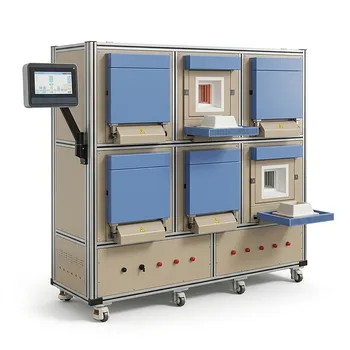
High Temperature 1700℃ Eight Chamber Box Furnace with Automatic Doors for Autonomous Material Research and High Throughput Heat Treatment
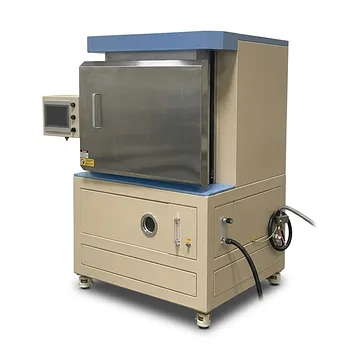
1650C High Temperature Atmosphere Controlled Box Furnace with 65L Chamber for Advanced Material Sintering and Industrial Heat Treatment
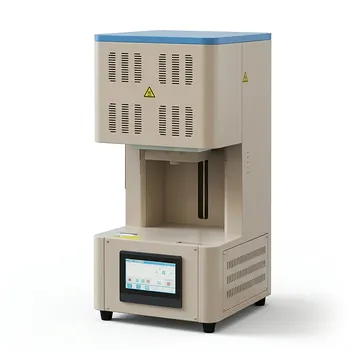
Automated 1700C High Temperature Bottom Loading Box Furnace with PC Software Control and Robotic Integration Capability
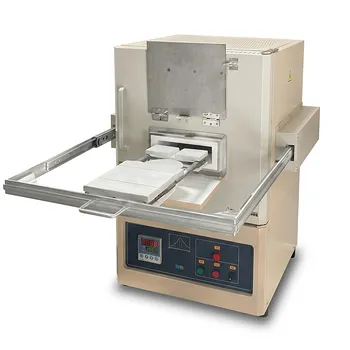
1700C Box Furnace with Sliding Platform for Rapid Heating and Cooling High Temperature Thermal Processing System
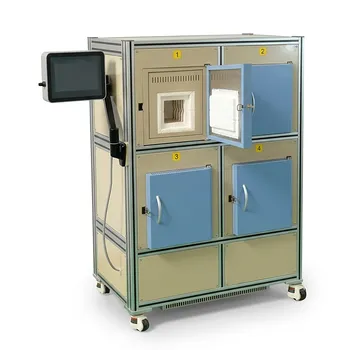
High Temperature Four Chamber Box Furnace for High Throughput Materials Research and Space Saving Thermal Processing
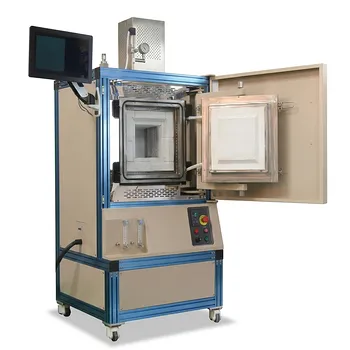
High Temperature Hydrogen Atmosphere Box Furnace 1650C Max Reducing Environment Material Synthesis System 8x8x8 Chamber
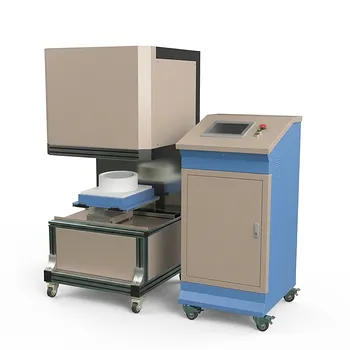
High Temperature Bottom Loading Box Furnace for Rapid Thermal Processing 1700C 40L Capacity
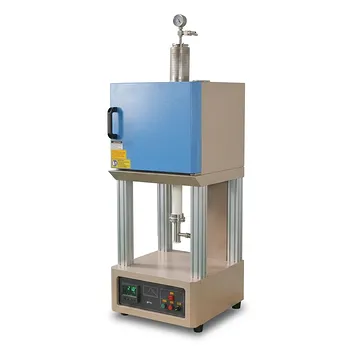
Hybrid High Temperature Tube and Box Furnace 1700C with 2 Inch Alumina Tube for Material Research
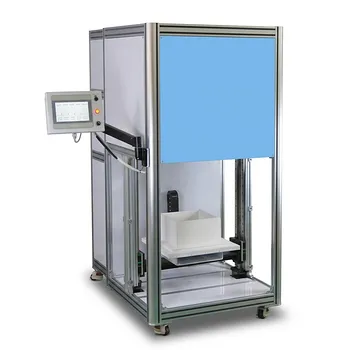
High Temperature 1600°C Three Zone Heated Bottom Loading Box Furnace with Rapid Thermal Processing Chamber 72L Volume
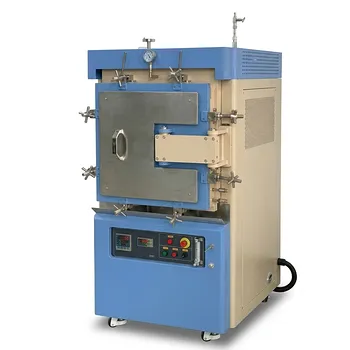
High Temperature Economic Hydrogen Gas Box Furnace 1600C Atmosphere Controlled Thermal Processing System 65L Capacity
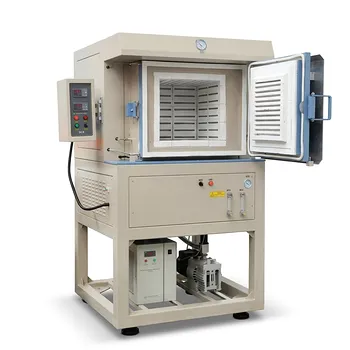
1200°C Five Side Heating Atmosphere Controlled Muffle Furnace 64 Liter High Uniformity Box Furnace for Material Synthesis
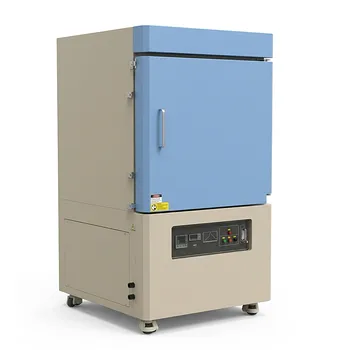
Industrial Large Box Furnace 1700C 216L High Temp Muffle Sintering System
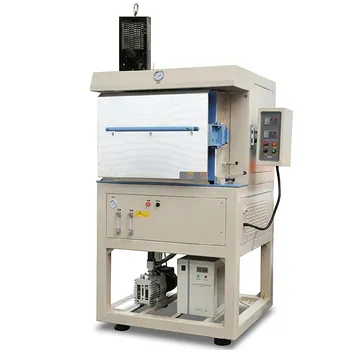
1200C Hydrogen Atmosphere Box Furnace with 5 Heated Sides and 64L Chamber
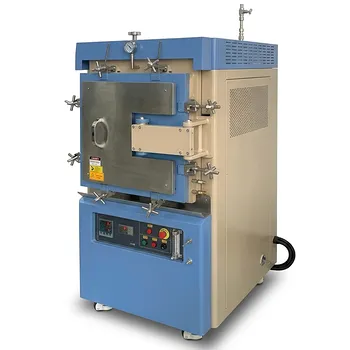
Atmosphere Controlled Muffle Furnace 1700C Maximum Temperature 80L High Capacity Vacuum Inert Gas Box Furnace
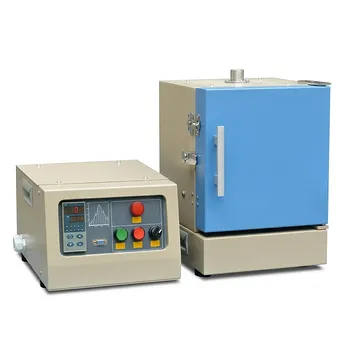
1200C Small Box Muffle Furnace with Separated Programmable Controller and 4.2L Alumina Fiber Chamber

High Temperature 1700C Tube Furnace with High Vacuum Turbomolecular Pump System and Multi Channel Mass Flow Controller Gas Mixer
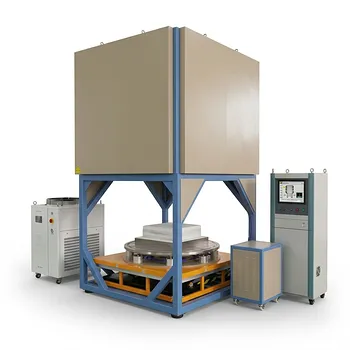
Bottom Loaded Inert Gas Atmosphere Box Furnace 1700C 1300C 216L Large Capacity Industrial Thermal Processing System

High Temperature Tube Furnace 1500C with Sliding Flanges and 50mm OD for Rapid Thermal Processing Fast Heating and Cooling
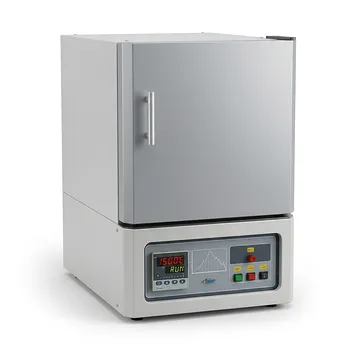
High Temperature 1500C Benchtop Muffle Furnace 3.6L Alumina Fiber Chamber Programmable Controller Sintering Annealing Carbonization Thermal Processing System