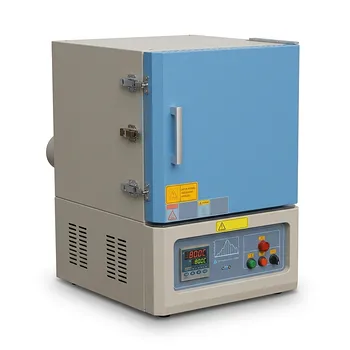
What is the function of a laboratory muffle furnace in determining the ash content of biochar? Master Mineral Analysis.
Updated 3 months ago
The laboratory muffle furnace is the primary tool for isolating the inorganic mineral content of biochar through high-temperature oxidation. By subjecting a sample to intense heat—typically 750 °C—in an oxygen-rich environment, the furnace completely combusts and removes organic matter and fixed carbon. The process leaves behind a stable, inorganic residue known as ash, which is then weighed to determine its percentage of the total mass.
Core Takeaway: A muffle furnace provides the controlled, high-temperature environment necessary to incinerate the organic components of biochar, leaving only the mineral residue (ash). This quantitative measurement is essential for assessing how raw materials and pyrolysis settings impact the biochar’s final chemical and physical performance.
The Mechanism of High-Temperature Oxidation
Complete Removal of Organic Matter
The muffle furnace operates by heating the biochar sample under a constant supply of air. This environment facilitates the oxidative decomposition of all combustible components, including volatile matter and fixed carbon.
The goal is to ensure that only the non-combustible, inorganic mineral components remain. Without this high-heat capability, organic residues would linger, resulting in an inaccurate overestimation of the ash content.
Isothermal Stability and Precision
Effective ash determination requires the furnace to maintain a stable peak temperature for an extended duration, often ranging from 4 to 6 hours. This "soaking" period ensures that even the most dense carbon structures within the biochar are fully mineralized.
A laboratory-grade muffle furnace is specifically used because it isolates the sample from the heating elements. This prevented cross-contamination and ensures the sample is heated uniformly by radiant heat.
Evaluating Biochar Quality and Performance
Assessing Raw Material and Process Impact
The amount of ash remaining serves as a proxy for evaluating the starting biomass and the efficiency of the pyrolysis process. Researchers use this data to understand how the inorganic minerals might be blocking the development of the sample's micropore surface area.
Excessive ash content can significantly reduce a biochar's effectiveness in applications like water treatment or gas adsorption. By quantifying the ash, technicians can refine the pyrolysis temperature to optimize the internal structure of the carbon.
Predicting Soil and Environmental Interaction
The ash content is a critical indicator of the biochar’s terminal impact on soil chemistry. Because ash contains the mineral nutrients from the original plant matter, it directly influences the biochar’s Cation Exchange Capacity (CEC) and nutrient-delivery potential.
Additionally, the ash residue helps scientists predict how the material will affect soil pH and salinity. High-ash biochars may act as liming agents to neutralize acidic soils, but they must be carefully monitored to avoid excessive salt buildup.
Understanding the Trade-offs
Temperature Sensitivity
While 750 °C is a standard benchmark, different temperatures can yield different results. Using a temperature that is too low (e.g., 450 °C) may fail to remove all fixed carbon, while temperatures exceeding 800 °C can cause certain volatile minerals (like potassium) to vaporize, leading to an underreporting of the true mineral content.
Time and Resource Intensity
Determining ash content is a time-intensive procedure that often requires six or more hours of isothermal heating followed by a controlled cooling period in a desiccator. Shortcutting this duration can lead to incomplete combustion, which invalidates the subsequent mass calculations and quality assessments.
How to Apply This to Your Project
Recommendations for Ash Determination
The specific function of the muffle furnace should be aligned with your final research or industrial objective.
- If your primary focus is Soil Fertility: Operate the furnace at a lower range (approx. 450 °C to 500 °C) to preserve and analyze the specific mineral compositions that contribute to nutrient delivery.
- If your primary focus is Water Filtration: Use a higher temperature (750 °C) to ensure total carbon removal, allowing you to accurately assess how mineral residues might clog micropores and reduce adsorption capacity.
- If your primary focus is Biomass Fuel Quality: Conduct prolonged isothermal heating at 800 °C or higher to determine the "true" inorganic residue, which identifies potential slagging or fouling risks in combustion equipment.
By mastering the muffle furnace’s environment, you transform a simple incineration process into a definitive diagnostic tool for biochar performance.
Summary Table:
| Process Component | Functional Role | Key Outcome |
|---|---|---|
| Oxidation | Removes all organic matter and carbon | Isolate inorganic mineral residue |
| Temperature (750°C) | Standard benchmark for mineralization | Ensures complete combustion of volatiles |
| Isothermal Stability | Maintains peak heat for 4–6 hours | Uniform mineralization of dense structures |
| Atmosphere Control | Provides oxygen-rich environment | Facilitates rapid and total oxidation |
Optimize Your Biochar Research with THERMUNITS
Precision is critical in material science and industrial R&D. THERMUNITS is a leading manufacturer providing high-performance thermal processing solutions designed for accurate ash determination and advanced material synthesis.
Our comprehensive range includes:
- High-Temperature Muffle & Tube Furnaces for precise mineralization.
- Vacuum & Atmosphere Furnaces for controlled pyrolysis.
- CVD/PECVD Systems & Rotary Kilns for scalable material development.
- VIM & Hot Press Furnaces for specialized industrial applications.
Whether you are analyzing soil nutrients or developing water filtration media, our equipment ensures uniform heating and long-lasting durability. Contact our technical experts today to find the perfect furnace for your laboratory’s needs!
References
- Huiying Zhang, Weifeng Chen. Roles of biochars’ properties in their water-holding capacity and bound water evaporation: quantitative importance and controlling mechanism. DOI: 10.1007/s42773-024-00317-2
Mentioned Products
- 1200C Muffle Furnace 12x8x5 7.2L Heating Chamber with Quartz Observation Window and Vent Port
- High Temperature 1200C Muffle Furnace 27L Volume 12x12x12 Chamber with Programmable PID Controller for Laboratory Material Science
- 1750C Compact Muffle Furnace 1.7L Ultra High Temperature Laboratory Sintering System for Advanced Ceramics and Material Science Research
- 1750C Bench Top Muffle Furnace 3.6L High Grade Molybdenum Disilicide Heating Elements Laboratory Heat Treatment Equipment
- 1200°C High Temperature Muffle Furnace 19L Chamber with 50 Segment Programmable Controller
People Also Ask
- What is the function of an experimental muffle furnace in the conversion of FeOOH to α-Fe2O3? Optimize Phase Transition
- Why is a muffle furnace required for MoO2@HCNF pre-oxidation? Crucial Steps for High-Performance Composites
- What is the function of a high-temperature Muffle furnace in removing residual solvents? Essential Bismuth Synthesis
- What is the function of Muffle furnace calcination? Essential steps for Pr-doped SrFeMoO6 Perovskite synthesis.
- What are the primary functions of a Muffle furnace in oxide calcination? Achieve high purity and phase control.

Tech Team · ThermUnits
Last updated on Jun 03, 2026
Related Products
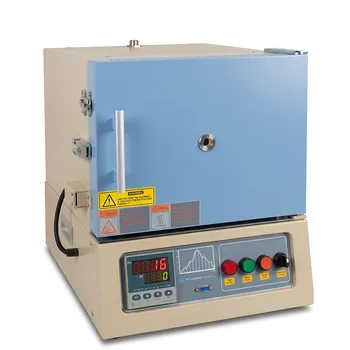
1200C Muffle Furnace 12x8x5 7.2L Heating Chamber with Quartz Observation Window and Vent Port
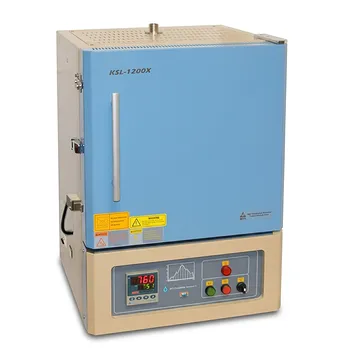
High Temperature 1200C Muffle Furnace 27L Volume 12x12x12 Chamber with Programmable PID Controller for Laboratory Material Science
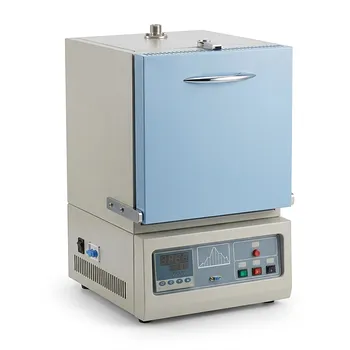
1750C Compact Muffle Furnace 1.7L Ultra High Temperature Laboratory Sintering System for Advanced Ceramics and Material Science Research
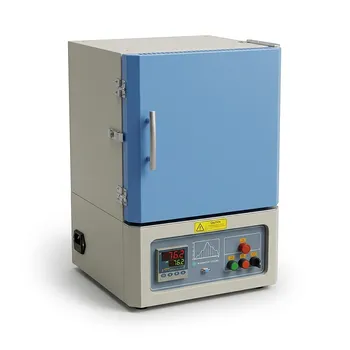
1750C Bench Top Muffle Furnace 3.6L High Grade Molybdenum Disilicide Heating Elements Laboratory Heat Treatment Equipment
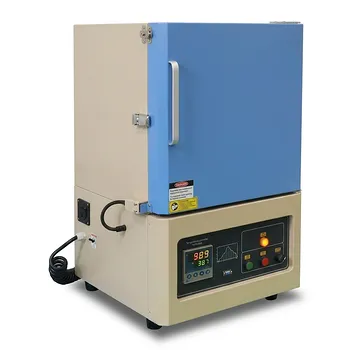
1200°C High Temperature Muffle Furnace 19L Chamber with 50 Segment Programmable Controller
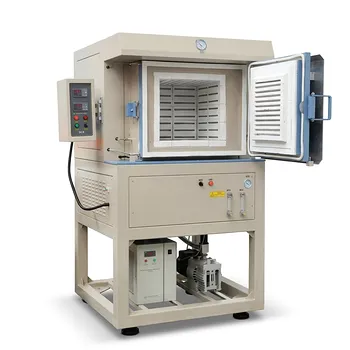
1200°C Five Side Heating Atmosphere Controlled Muffle Furnace 64 Liter High Uniformity Box Furnace for Material Synthesis
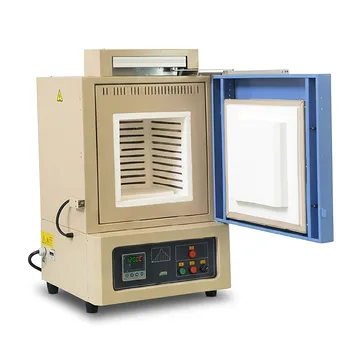
1200C High Temperature Muffle Furnace with Motorized Door and Automated PC Control for Industrial Sintering and Material Processing 27 Liter
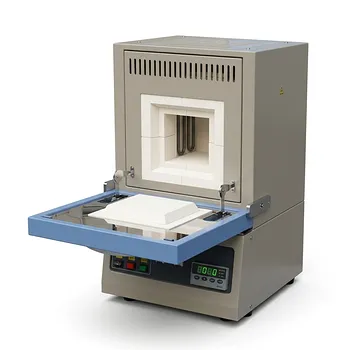
Five Sided Heating Muffle Furnace High Uniformity 1200C Lab Box Furnace 27L Alumina Fiber Chamber
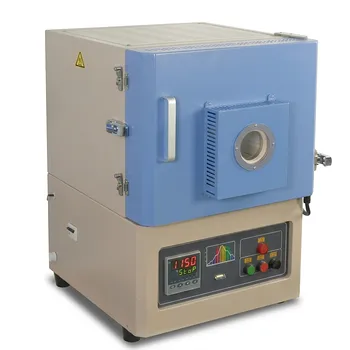
High Temperature Benchtop Muffle Furnace with Quartz Observation Window for Thermal Imaging and Material Analysis
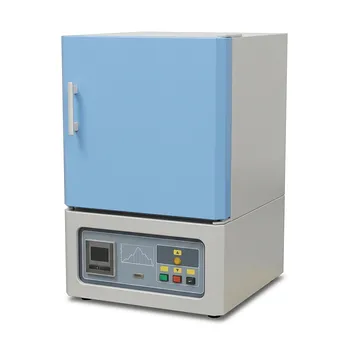
1800C Bench Top Muffle Furnace with Kanthal Super 1900 Heating Elements and 3.6L Alumina Fiber Chamber
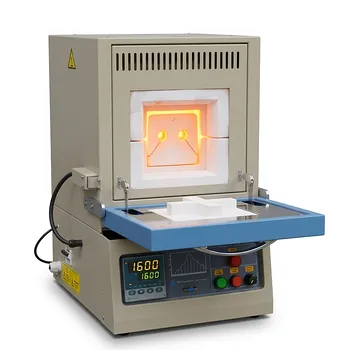
High Temperature Compact Muffle Furnace 1700 C with 30 Segment Programmable Controller and 1.7L Cubic Chamber
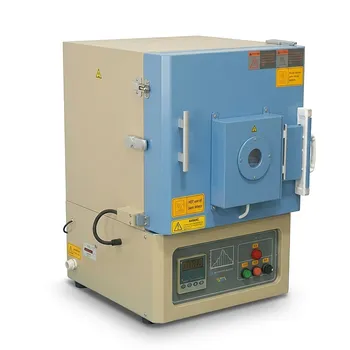
High Temperature Benchtop Muffle Furnace 1500C with 3.6L Chamber and Quartz Observation Window
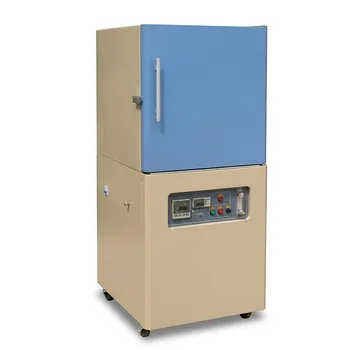
High Temperature Muffle Furnace with Dual Controllers and 36L Large Chamber 1700C Max
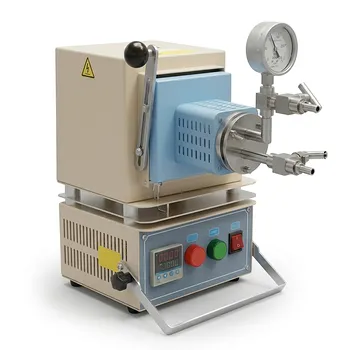
Compact Hybrid Muffle and Tube Furnace for 1000C Controlled Atmosphere Laboratory Material Sintering
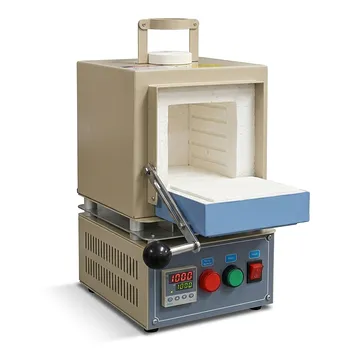
Compact 1000C Muffle Furnace with Programmable Controller and 2 Inch Top Port for Vacuum and Atmosphere Material Research
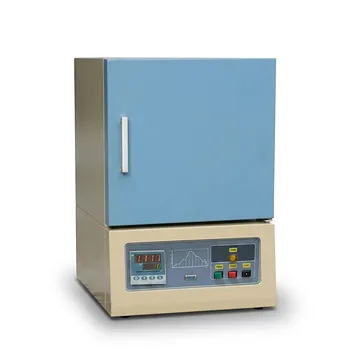
Ultra High Temperature Bench Top Muffle Furnace 1750C Sintering System with Kanthal Super Heating Elements and Precision Digital Control
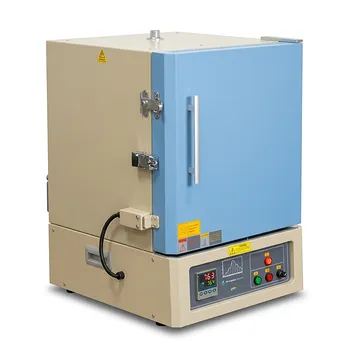
Large Capacity 1200C Muffle Furnace 64 Liter Chamber with Digital PID Controller and Built In Venting Port
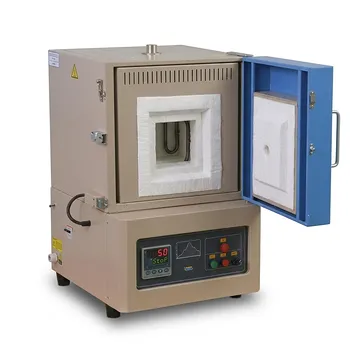
1800°C Bench Top Ultra High Temperature Muffle Furnace with Sapphire Observation Window and Top Feeding Port for Materials Research and Thermal Processing
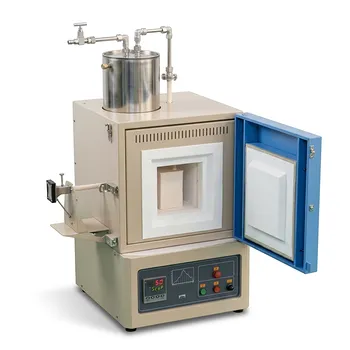
High Temperature Bench Top Muffle Furnace 1700C with Integrated Evaporating Particle Collection and 8x8x8 Alumina Fiber Chamber