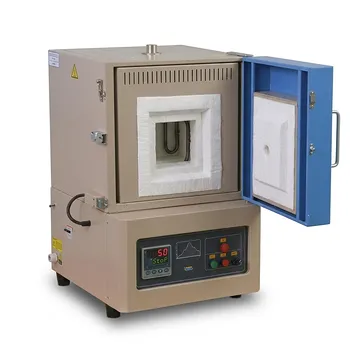
What is the function of a programmable high-temperature Laboratory Furnace in evaluating the fire resistance of concrete?
Updated 3 months ago
A programmable high-temperature Laboratory Furnace functions as a precision thermal simulator used to replicate the extreme conditions of real-world fire scenarios. It allows researchers to subject concrete specimens to controlled heating curves, peak temperatures, and specific soaking times to observe how the material's structural integrity evolves. By reproducing thermal shock, the furnace enables the quantitative analysis of spalling, color changes, and the degradation of residual mechanical strength.
The core function of a programmable furnace is to provide a highly controlled, repeatable environment that transforms the unpredictable nature of fire into measurable scientific data. This precision is essential for determining the safety limits and residual life of concrete structures after high-temperature exposure.
Simulating Realistic Fire Dynamics
Precision Control of Heating Curves
The furnace executes specific temperature-time profiles, such as the ASTM F3059-18 standard curve, to mimic the rapid heat rise of a structural fire. Researchers can program specific rates, such as 5 °C to 13 °C per minute, to ensure the thermal load is consistent with real-world hazards.
Replicating Thermal Shock and Spalling
By reaching extreme temperatures—often between 800 °C and 1200 °C—the furnace reproduces the thermal shock experienced by concrete. This is critical for studying spalling, where high internal pressure causes the concrete surface to break off violently, a common failure mode in High-Performance Concrete (HPC).
Establishing Stable Soaking Environments
"Soaking" or "dwell time" refers to holding a target temperature (e.g., 400 °C or 600 °C) for a set duration, often 1 to 2 hours. This ensures that the heat penetrates the core of the specimen, providing a uniform thermal field that is necessary for accurate post-fire mechanical testing.
Analyzing Material and Structural Degradation
Evaluation of Residual Mechanical Strength
After the heating cycle, the furnace allows for the study of strength attenuation. By comparing the specimen's load-bearing capacity before and after exposure, engineers can calculate the residual flexural and compressive strength of the material.
Monitoring Microstructural Breakdown
The controlled environment allows researchers to observe the progressive degradation of the cement matrix and the Interfacial Transition Zone (ITZ). High temperatures trigger chemical changes, such as thermal decomposition and oxidation reactions, which weaken the bond between the cement paste and the aggregates.
Assessing Physicochemical Stability
Programmable furnaces are used to evaluate weight loss (char yield) and color changes, which serve as visual indicators of the maximum temperature reached. These observations help in developing glass-modified composites or thermal storage materials with enhanced stability for extreme environments.
Understanding the Trade-offs and Limitations
Specimen Size vs. Structural Reality
Laboratory furnaces are typically limited to testing small-scale specimens (cubes or cylinders), which may not perfectly reflect the behavior of massive structural beams. The thermal gradient in a small lab sample is often more uniform than in a large building component, potentially underestimating the internal stresses found in real structures.
The Impact of Cooling Rates
The method of cooling—whether it is natural cooling inside the furnace or rapid quenching with water—significantly impacts the final residual strength. Programmable furnaces can control the cooling rate, but if this parameter is not carefully standardized, it can lead to inconsistent data across different studies.
Heating Uniformity and Accuracy
While high-end furnaces offer a control accuracy of ±1 °C, cheaper models may suffer from cold spots. Inconsistent heating within the chamber can lead to localized damage in the specimen, which skews the results of mechanical property assessments.
How to Apply These Findings to Your Project
Recommendations for Targeted Research
- If your primary focus is material development: Use precise heating rates of 5 °C/min to isolate the specific temperature points where the cement matrix begins to fail.
- If your primary focus is structural safety compliance: Utilize standardized curves like ASTM F3059-18 to ensure your results meet international fire-rating requirements.
- If your primary focus is High-Performance Concrete (HPC): Focus on the 600 °C to 800 °C range to specifically analyze the risk of explosive spalling and internal pressure buildup.
- If your primary focus is thermal storage (e.g., CSP systems): Implement thermal cycling programs to evaluate how repeated heating and cooling affect the material's long-term durability.
By leveraging the precision of a programmable furnace, you can move from speculative assessments to definitive, data-driven conclusions regarding fire resistance.
Summary Table:
| Key Feature | Functional Detail | Research Application |
|---|---|---|
| Heating Curve Control | Precise rates (5°C to 13°C/min) | Mimicking ASTM F3059-18 fire standards |
| Extreme Temperature | Reach 800°C to 1200°C+ | Simulating thermal shock and explosive spalling |
| Soaking Capability | 1-2 hour dwell time | Achieving uniform thermal fields for mechanical tests |
| Residual Analysis | Controlled cooling cycles | Evaluating post-fire compressive & flexural strength |
| Atmosphere Stability | Oxidation & decomposition monitoring | Studying cement matrix and ITZ breakdown |
Precision Thermal Solutions for Your Toughest R&D Challenges
At THERMUNITS, we understand that accurate fire resistance testing requires uncompromising temperature control. As a leading manufacturer of high-temperature laboratory equipment, we provide researchers and engineers in material science with the tools needed to simulate extreme environments and unlock critical data on structural integrity.
Whether you are developing fire-resistant concrete, glass-modified composites, or thermal storage materials, our comprehensive range of equipment ensures repeatable and reliable results. Our product lineup includes:
- High-Performance Furnaces: Muffle, Vacuum, Atmosphere, Tube, Rotary, and Hot Press Furnaces.
- Advanced Systems: CVD/PECVD systems, Vacuum Induction Melting (VIM) Furnaces, and Electric Rotary Kilns.
- Specialized Equipment: Dental Furnaces, Thermal Elements, and custom heat treatment solutions.
Ready to elevate your material testing precision? Contact our technical team today to discuss how THERMUNITS can support your specific research goals with industry-leading thermal processing technology.
References
- Malek Hamda, Abdelaziz Benmarce. The Impact of Natural Fibers on Thermal Resistance and Spalling in High-performance Concrete. DOI: 10.3311/ppci.36682
Mentioned Products
- High Temperature 1200C Muffle Furnace 27L Volume 12x12x12 Chamber with Programmable PID Controller for Laboratory Material Science
- High Temperature Compact Muffle Furnace 1700 C with 30 Segment Programmable Controller and 1.7L Cubic Chamber
- 1200°C High Temperature Muffle Furnace 19L Chamber with 50 Segment Programmable Controller
- High Temperature 1500C Benchtop Muffle Furnace 3.6L Alumina Fiber Chamber Programmable Controller Sintering Annealing Carbonization Thermal Processing System
- 1200°C Small Box Furnace 4.2 Liter Programmable Muffle Furnace with High Purity Alumina Insulation and PID Control
People Also Ask
- Why is annealing in a high-temperature muffle furnace necessary for SiO2/Si substrate pretreatment before monolayer WS2 synthesis?
- What is the purpose of using muffle or tube furnaces in glass synthesis? Achieve Precise Melt-Quenching & Homogeneity
- What role does a high-temperature muffle furnace play in evaluating the mineral composition of rock samples? LOI & XRF Guide
- What role does a high-temperature muffle furnace play in the synthesis of Melem precursors? Precision Polymerization.
- What is the function of a muffle furnace in aluminoborosilicate glass prep? Stabilize Raw Materials for Superior Purity

Tech Team · ThermUnits
Last updated on Jun 03, 2026
Related Products
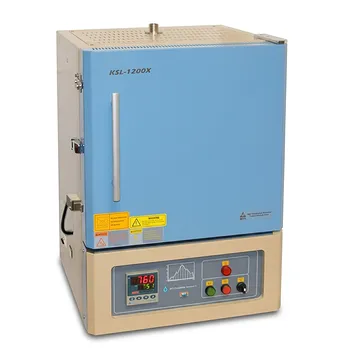
High Temperature 1200C Muffle Furnace 27L Volume 12x12x12 Chamber with Programmable PID Controller for Laboratory Material Science
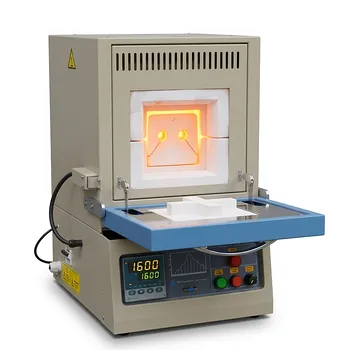
High Temperature Compact Muffle Furnace 1700 C with 30 Segment Programmable Controller and 1.7L Cubic Chamber
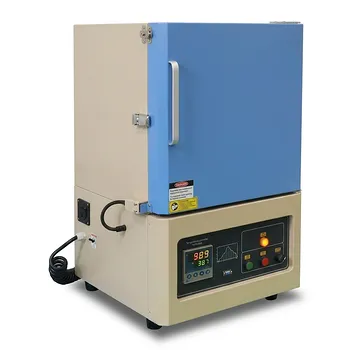
1200°C High Temperature Muffle Furnace 19L Chamber with 50 Segment Programmable Controller
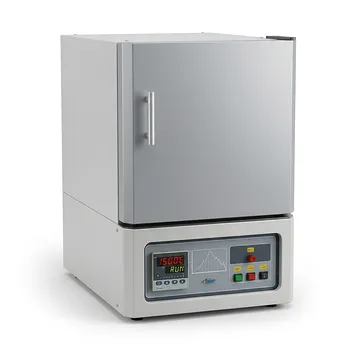
High Temperature 1500C Benchtop Muffle Furnace 3.6L Alumina Fiber Chamber Programmable Controller Sintering Annealing Carbonization Thermal Processing System
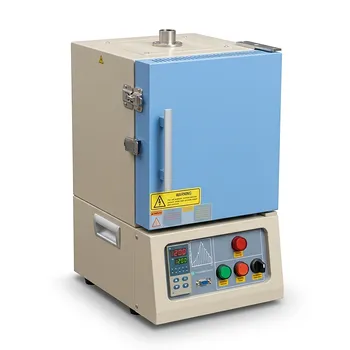
1200°C Small Box Furnace 4.2 Liter Programmable Muffle Furnace with High Purity Alumina Insulation and PID Control
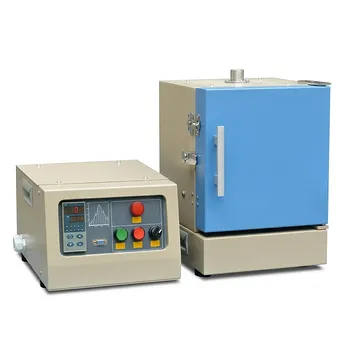
1200C Small Box Muffle Furnace with Separated Programmable Controller and 4.2L Alumina Fiber Chamber
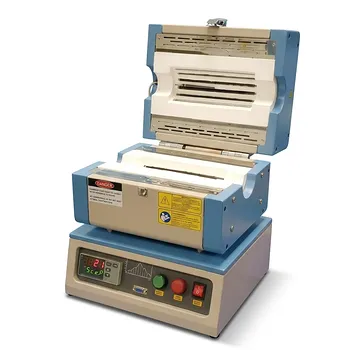
1250C Compact Split Tube Furnace with 8 Inch Heating Zone and Programmable Controller
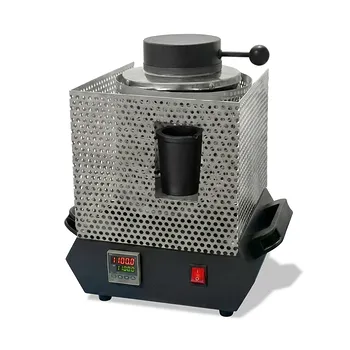
Compact Crucible Melting Furnace 1100C Programmable Temperature Controller Metal Sintering Equipment
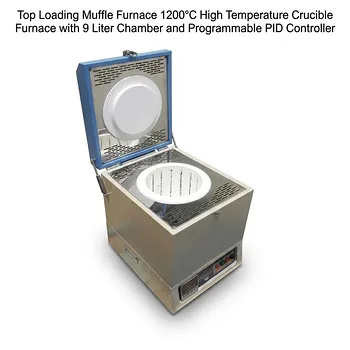
Top Loading Muffle Furnace 1200°C High Temperature Crucible Furnace with 9 Liter Chamber and Programmable PID Controller
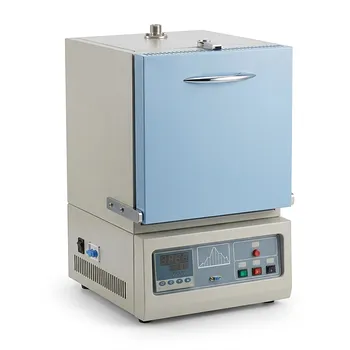
1750C Compact Muffle Furnace 1.7L Ultra High Temperature Laboratory Sintering System for Advanced Ceramics and Material Science Research
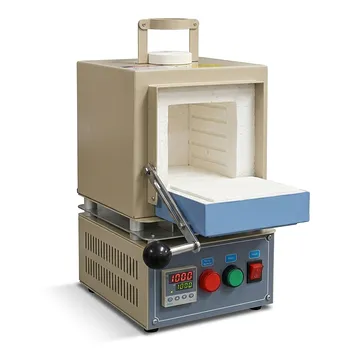
Compact 1000C Muffle Furnace with Programmable Controller and 2 Inch Top Port for Vacuum and Atmosphere Material Research
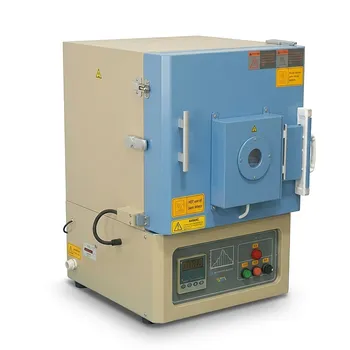
High Temperature Benchtop Muffle Furnace 1500C with 3.6L Chamber and Quartz Observation Window
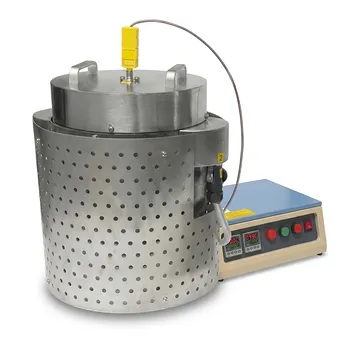
Vertical Crucible Furnace 1000C High Temperature Laboratory Equipment 4.7 Inch Diameter Chamber SS316 Anti Corrosive Enclosure
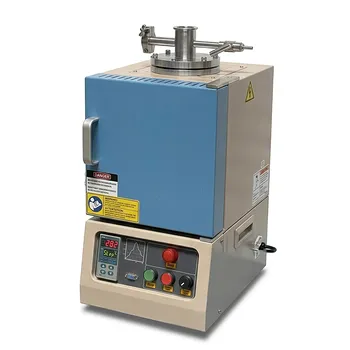
High Temperature Hybrid Muffle and Tube Furnace with Vacuum Capability and PID Control
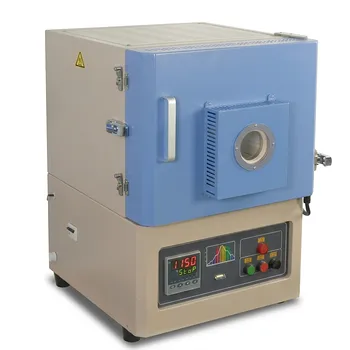
High Temperature Benchtop Muffle Furnace with Quartz Observation Window for Thermal Imaging and Material Analysis
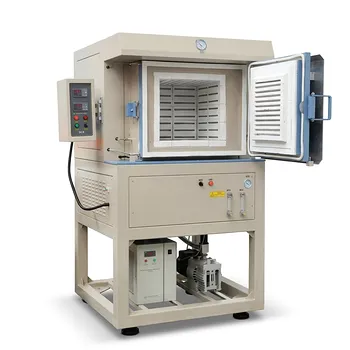
1200°C Five Side Heating Atmosphere Controlled Muffle Furnace 64 Liter High Uniformity Box Furnace for Material Synthesis
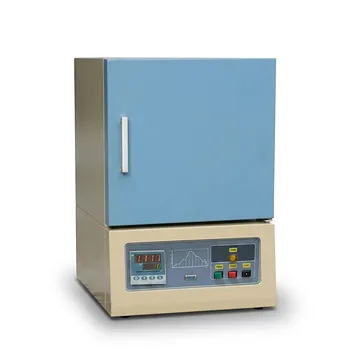
Ultra High Temperature Bench Top Muffle Furnace 1750C Sintering System with Kanthal Super Heating Elements and Precision Digital Control
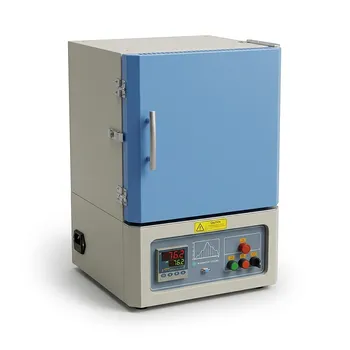
1750C Bench Top Muffle Furnace 3.6L High Grade Molybdenum Disilicide Heating Elements Laboratory Heat Treatment Equipment
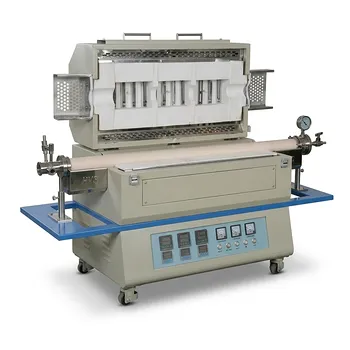
Three Temperature Zone Fast Heating Furnace 1500C Laboratory High Precision Thermal Processing System