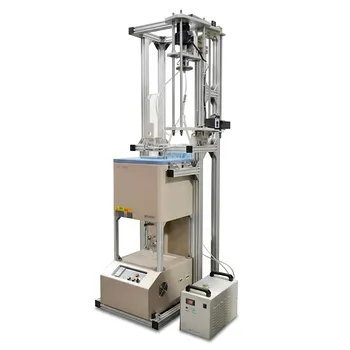
What is the role of VIM furnace in melting high-carbon alloy steel? Achieve high purity and chemical homogeneity.
Updated 5 months ago
The primary role of a Vacuum Induction Melting (VIM) furnace during the initial melting of high-carbon alloy steel is to establish a high-purity chemical foundation by eliminating atmospheric contamination and preventing the oxidation of reactive alloying elements. This process ensures precise control over the steel’s composition, facilitates the removal of dissolved gases like oxygen, nitrogen, and hydrogen, and utilizes electromagnetic stirring to achieve total chemical homogeneity.
Core Takeaway: VIM technology serves as the essential "clean slate" for high-performance metallurgy. By operating under a vacuum, it protects expensive alloying elements from oxidative loss and removes harmful impurities that would otherwise compromise the steel's final mechanical properties and carbide distribution.
Eliminating Impurities and Gaseous Contamination
Removal of Dissolved Gases
The high-vacuum environment significantly reduces the presence of oxygen, nitrogen, and hydrogen within the melt.
Removing these gases is critical because they can lead to internal defects, brittleness, and reduced fatigue strength in the final high-carbon steel product.
Reduction of Non-Metallic Inclusions
By operating in a vacuum, the furnace prevents the formation of oxides and nitrides that typically occur in atmospheric melting.
This leads to a "cleaner" steel with fewer non-metallic inclusions, which is essential for achieving superior toughness and corrosion resistance in aerospace and industrial gear applications.
Protecting Reactive Alloying Elements
Preventing Oxidative Loss
High-carbon alloy steels often contain "active" elements such as aluminum, titanium, manganese, and niobium.
In a standard atmosphere, these elements react quickly with oxygen; however, the VIM's vacuum environment prevents this oxidative loss, ensuring the expensive alloy additions remain in the melt.
Precise Compositional Control
The VIM furnace allows metallurgists to hit very tight chemical specifications by providing a stable environment where elements do not "burn off" unpredictably.
This precision is vital for high-carbon steels where the specific carbide distribution must be strictly managed to ensure the desired hardness and wear resistance.
Achieving Chemical and Thermal Homogeneity
The Power of Induction Stirring
The furnace uses electromagnetic induction to melt the metal, which naturally creates a vigorous stirring action within the crucible.
This stirring ensures that multi-component alloying elements—including trace amounts of copper and chromium—are distributed perfectly throughout the molten bath.
Preparing the Microstructure
The uniformity achieved during the VIM stage provides the necessary chemical foundation for subsequent processing.
Without this initial homogeneity, it would be impossible to obtain the uniform nano-bainitic or martensitic microstructures required for high-performance gear and tool steels.
Understanding the Trade-offs
Volatilization of Desired Elements
While the vacuum removes harmful impurities, it can also cause the volatilization of certain beneficial elements with high vapor pressures.
Engineers must carefully manage the vacuum levels and melt temperature to prevent the unintended loss of elements like manganese during extended processing times.
Operational Complexity and Cost
VIM is significantly more capital-intensive and slower than air-induction or electric arc melting.
The need for specialized vacuum pumps, airtight chambers, and high-purity crucibles makes this method reserved for high-value alloys where purity and performance are non-negotiable.
Optimizing the VIM Process for Your Material
When determining if VIM is the correct starting point for your high-carbon alloy project, consider the following strategic priorities:
- If your primary focus is extreme fatigue resistance: VIM is mandatory to remove the gaseous impurities and inclusions that act as crack initiation points.
- If your primary focus is reactive element recovery: Use VIM to ensure that elements like titanium and aluminum are fully integrated into the alloy rather than lost to slag.
- If your primary focus is cost-sensitive mass production: Consider if a standard atmospheric melt followed by vacuum degassing might suffice, as VIM is a premium process.
By utilizing a VIM furnace during the initial melt, you ensure a high-purity, chemically uniform starting material that is essential for the development of high-strength, wear-resistant special alloys.
Summary Table:
| VIM Function | Impact on High-Carbon Steel | Key Mechanism |
|---|---|---|
| Gas Removal | Eliminates O, N, and H to prevent brittleness | High-vacuum environment |
| Inclusion Control | Reduces non-metallic particles for higher toughness | Prevention of oxidation/nitrification |
| Alloy Protection | Retains reactive elements (Ti, Al, Nb) | Oxygen-free melting chamber |
| Homogenization | Ensures uniform chemical & thermal distribution | Electromagnetic induction stirring |
Elevate Your Metallurgy with THERMUNITS Professional Thermal Solutions
Ready to achieve uncompromising purity in your material research? THERMUNITS is a leading manufacturer of high-temperature laboratory equipment dedicated to advancing material science and industrial R&D.
We offer a comprehensive range of thermal processing solutions tailored for precision, including:
- Vacuum Induction Melting (VIM) Furnaces for high-purity alloy development.
- Muffle, Vacuum, Atmosphere, Tube, and Rotary Furnaces.
- CVD/PECVD Systems and Hot Press Furnaces for advanced thin-film and material synthesis.
- Dental Furnaces, Electric Rotary Kilns, and High-Quality Thermal Elements.
Whether you are developing high-performance gear steels or exploring aerospace-grade alloys, our equipment provides the stability and control your lab demands.
Contact THERMUNITS Today to Discuss Your Custom Solution
References
- J. Krawczyk, Sebastian Lech. Analysis of the Wear Parameters and Microstructure of High-Carbon Steel in Order to Identify Its Tribological Properties. DOI: 10.3390/app14188318
Mentioned Products
- 1900C Maximum High Temperature 7KW Vacuum Induction Melting System with 60mm Quartz Tube and Manual Temperature Control for Metallic Alloy Research
- Induction Melting Casting Furnace 1750C Vacuum High Frequency Metal Processing Unit
- Atmosphere Controlled Induction Melting Granulating Casting Furnace 1500C 5kg Capacity
- High Temperature Induction Melting System with Integrated Ultra High Purity Glove Box for Metallic Alloy Processing
- High Pressure 600T Vacuum Induction Hot Press Furnace for Advanced Material Heat Treatment and Sintering
People Also Ask
- What is the primary role of a Vacuum Induction Melting furnace in the smelting of Fe-Cr-N alloys? Ensuring High Purity
- How does a Vacuum Induction Melting furnace heat materials while preventing atmospheric contamination? Achieve High Purity
- What are the key structural components that make up a Vacuum Induction Melting (VIM) furnace system? Full Guide
- How does the skin effect influence VIM frequency selection? Optimize Heat Penetration & Stirring Efficiency
- What technical advantages does Vacuum Induction Melting offer regarding alloy homogeneity and purity? Enhance Performance

Tech Team · ThermUnits
Last updated on Apr 14, 2026
Related Products
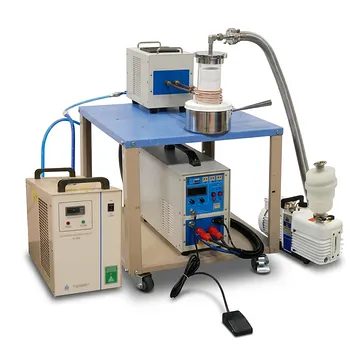
1900C Maximum High Temperature 7KW Vacuum Induction Melting System with 60mm Quartz Tube and Manual Temperature Control for Metallic Alloy Research
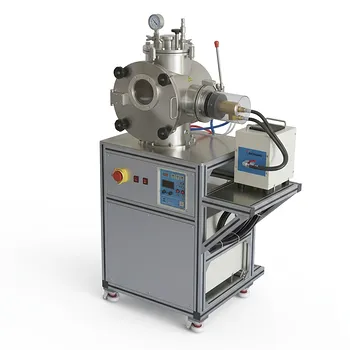
Induction Melting Casting Furnace 1750C Vacuum High Frequency Metal Processing Unit
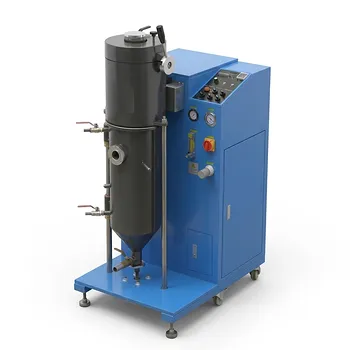
Atmosphere Controlled Induction Melting Granulating Casting Furnace 1500C 5kg Capacity
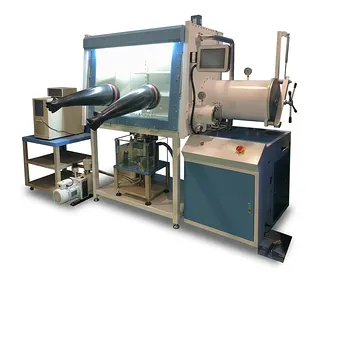
High Temperature Induction Melting System with Integrated Ultra High Purity Glove Box for Metallic Alloy Processing
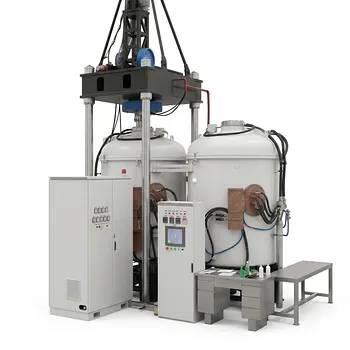
High Pressure 600T Vacuum Induction Hot Press Furnace for Advanced Material Heat Treatment and Sintering
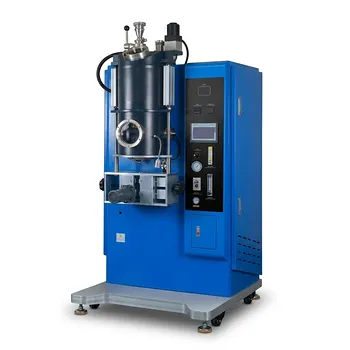
Atmosphere Controlled Continuous Casting Furnace with Secondary Charge Function for Induction Melting and Metal Alloy Wire Production
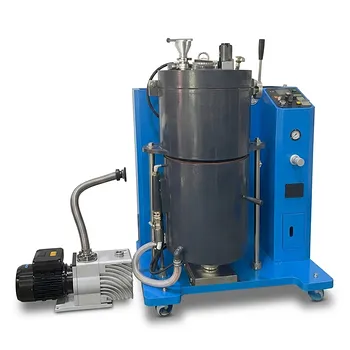
Atmosphere Controlled Induction Melting Casting System 1600C 10L Capacity
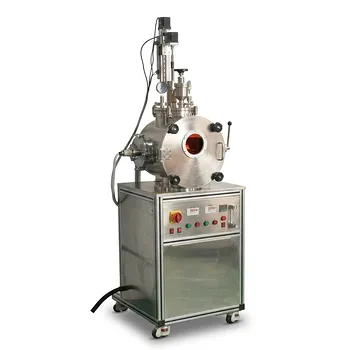
High Vacuum Melting Casting Furnace with Mechanical Stirring and Secondary Charge for Metallic Alloy Research
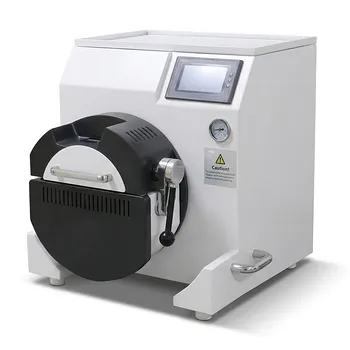
Desktop Induction Melting Furnace with Automatic Rotary Casting Function up to 1700C for Advanced Metal Alloy Research
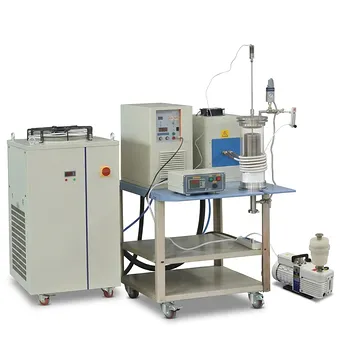
High Temperature Induction Melting System with Multi Cavity Crucible and 15KW Precision Digital Temperature Control
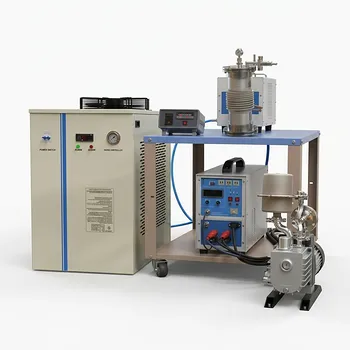
Induction Heating System with Temperature Control for High Temperature Vacuum Sintering and Melting
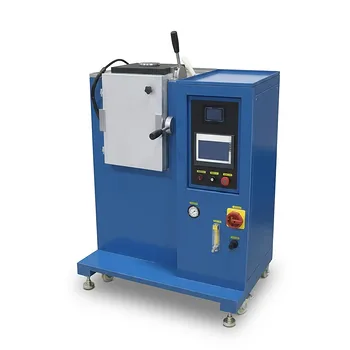
High Throughput Induction Melting and Casting Furnace for Superalloy Research 1700C Atmosphere Controlled Multi Sample System
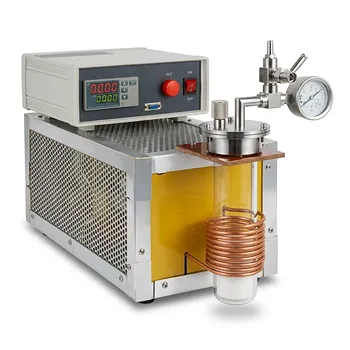
High Temperature Mini Induction Heating Furnace 1600C Laboratory Material Melting System
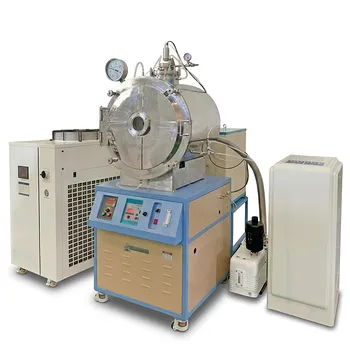
Ultra High Temperature Induction Heated Vacuum Furnace with Molten Salt Electrolysis Capability and 3000 Degree Precision Control
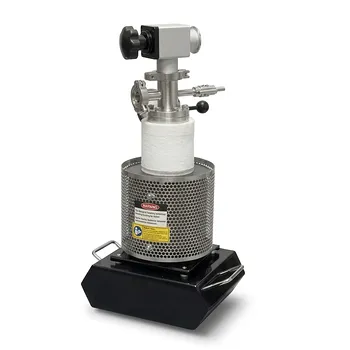
High Temperature 1100C Compact Top Loading Vertical Vacuum Tube Furnace for High Vacuum Noble Metal Melting and Material Research
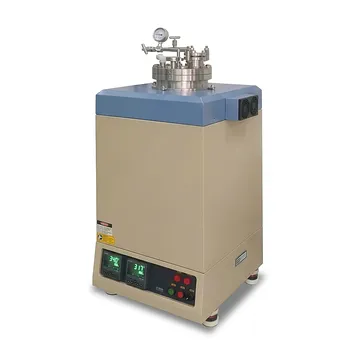
High Temperature 1000C Vacuum Furnace with 8 Inch ID Chamber for Material Sintering and Research Annealing
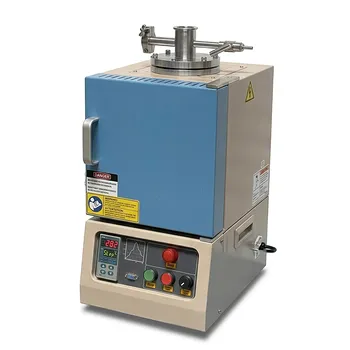
High Temperature Hybrid Muffle and Tube Furnace with Vacuum Capability and PID Control
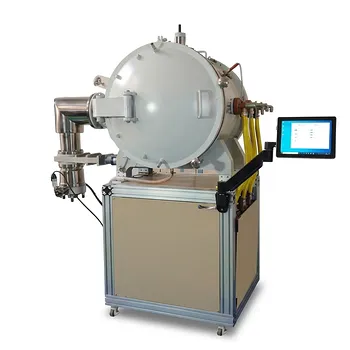
High Temperature Cold Wall Vacuum Furnace for Advanced Material Sintering and Annealing 1600C Heating Area 200x200x300mm
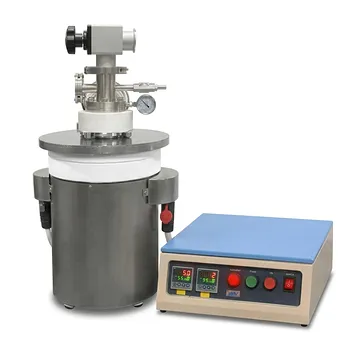
1100C High Temperature Vacuum Crucible Furnace with Quartz Chamber for Thermal Processing and Sintering