What is the primary role of an industrial rotary kiln in titanium slag production? Optimizing Metallization Efficiency
Updated 3 months ago
In the pretreatment stage of titanium slag production, the industrial rotary kiln serves as the primary thermal processing unit for the high-efficiency metallization of titaniferous magnetite pellets. By rapidly heating these materials to temperatures between 1400–1500 °C, the kiln significantly increases the reduction degree of the pellets, converting them into a high-quality intermediate product. This essential step prepares the material for efficient smelting in submerged arc furnaces while lowering the overall energy requirements of the production cycle.
Core Takeaway: The rotary kiln functions as a high-temperature reduction vessel that transforms raw titaniferous pellets into metallized feed, directly enhancing the efficiency and energy profile of downstream smelting operations.
The Role of Metallization in Feedstock Preparation
Achieving High-Efficiency Reduction
The kiln’s primary objective is to drive the chemical reduction of iron and titanium oxides within the pellets. By maintaining extreme temperatures, the kiln ensures that a substantial portion of the metal oxides is converted to a metallic state before reaching the furnace.
Processing Titaniferous Magnetite Pellets
The rotary kiln is specifically designed to handle the unique physical and chemical properties of titaniferous magnetite. The tumbling action of the kiln ensures uniform heat distribution, which is critical for achieving a consistent reduction degree across the entire batch of pellets.
Enhancing Intermediate Product Quality
The output of the rotary kiln is not a final product but a highly "pre-conditioned" intermediate. This metallized feed is superior to raw ore because it requires significantly less energy to melt and refine during the subsequent stages of production.
Operational Impact on Downstream Smelting
Integration with Submerged Arc Furnaces
By delivering a pre-reduced and pre-heated charge, the rotary kiln acts as a critical bridge to the submerged arc furnace (SAF). This integration allows the SAF to focus on the final separation of titanium slag and pig iron rather than the energy-intensive task of initial reduction.
Optimizing System-Wide Energy Consumption
One of the most significant benefits of using a rotary kiln in pretreatment is the reduction of the total energy footprint. Because the pellets arrive at the smelting stage already metallized and at an elevated temperature, the electrical load on the smelting furnace is drastically reduced.
Maintaining Continuous Process Flow
The rotary kiln enables a continuous feed system, which is vital for the stability of large-scale metallurgical operations. This steady supply of high-temperature material prevents thermal shocks in the smelting reactor and ensures a more predictable production yield.
Understanding the Trade-offs and Technical Challenges
High-Temperature Structural Demands
Operating at 1400–1500 °C places extreme stress on the kiln’s refractory lining and mechanical components. While these high temperatures are necessary for metallization, they require rigorous maintenance schedules to prevent equipment failure and unplanned downtime.
Precision in Temperature Control
If the temperature fluctuates too far outside the target range, the pellets may not reach the required reduction degree, or conversely, they may begin to soften and stick to the kiln walls (ringing). Balancing throughput speed with precise thermal exposure is a constant operational challenge.
Material Consistency Requirements
The efficiency of the kiln is highly dependent on the quality of the incoming pellets. Variations in the chemical composition or physical size of the titaniferous magnetite can lead to uneven metallization, which complicates the downstream smelting process.
Applying Pretreatment Principles to Your Production Goals
The use of a rotary kiln is a strategic choice that depends on the specific requirements of your metallurgical circuit and energy costs.
- If your primary focus is maximizing smelting throughput: Prioritize the kiln's metallization efficiency to ensure the submerged arc furnace receives the highest quality intermediate feed possible.
- If your primary focus is reducing operational energy costs: Leverage the kiln's ability to pre-heat and pre-reduce materials to shift the energy burden away from expensive electrical smelting toward more efficient thermal processing.
- If your primary focus is product consistency: Implement rigorous monitoring of the kiln's internal temperature zones to ensure a uniform reduction degree across all pellet batches.
The industrial rotary kiln is the engine of efficiency in titanium slag production, transforming raw ore into a high-value metallized feed that defines the success of the entire smelting process.
Summary Table:
| Key Feature | Functional Role | Operational Impact |
|---|---|---|
| Temperature Range | 1400–1500 °C | Rapid reduction and high-efficiency metallization |
| Material Processing | Titaniferous magnetite pellets | Ensures uniform heat distribution and consistency |
| Downstream Integration | Pre-conditioned feed for SAF | Lowers electrical load and total energy consumption |
| Process Flow | Continuous feed system | Prevents thermal shocks and stabilizes production yield |
Maximize Your Thermal Processing Efficiency with THERMUNITS
Are you looking to optimize your material reduction or high-temperature R&D processes? THERMUNITS is a leading manufacturer of high-performance laboratory and industrial equipment. We provide advanced solutions tailored for material science, including Electric Rotary Kilns, Muffle, Vacuum, Atmosphere, and Hot Press furnaces, as well as CVD/PECVD systems and Vacuum Induction Melting (VIM) furnaces.
From precise dental furnaces to heavy-duty thermal elements, our equipment is engineered to deliver the consistency and durability your facility requires.
Ready to elevate your production standards? Contact our technical team today to discuss the perfect heat treatment solution for your needs!
References
- Maxat K. Myrzakulov, А И Карлина. Analysis of the Effect of Fluxing Additives in the Production of Titanium Slags in Laboratory Conditions. DOI: 10.3390/met14121320
Mentioned Products
- 900°C Max Rotary Tube Furnace with 8 Inch 310S Alloy Tube and Optional Multi Zone Heating for Industrial Material Calcination
- Electric Rotary Kiln Continuous Working Small Rotary Furnace Heating Pyrolysis Plant
- Electric Rotary Kiln Small Rotary Furnace Biomass Pyrolysis Plant
- Electric Rotary Kiln Small Rotary Furnace for Activated Carbon Regeneration
- Three Zone Rotary Tube Furnace for High Temperature Powder Processing and Material Research
People Also Ask
- How does a rotary tube furnace improve the processing of granular materials? Enhance Uniformity and Reaction Kinetics
- Why use a rotary tube furnace for FACS carbonization? Ensure uniform morphology and prevent sphere agglomeration.
- Why is the precise optimization of residence time essential in the catalyst calcination process? Maximize Your Yields.
- In what ways do rotary tube furnaces enhance chemical and specialty mineral processing? Drive Precision and Uniformity.
- What parameters must operators control to maintain product quality in a rotary furnace? Master Your Heat Treatment.

Tech Team · ThermUnits
Last updated on Jun 02, 2026
Related Products
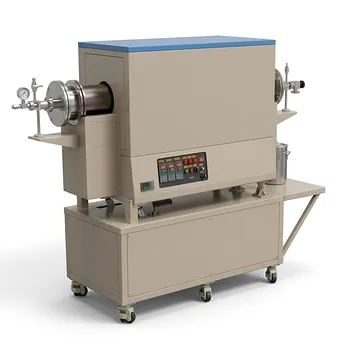
900°C Max Rotary Tube Furnace with 8 Inch 310S Alloy Tube and Optional Multi Zone Heating for Industrial Material Calcination
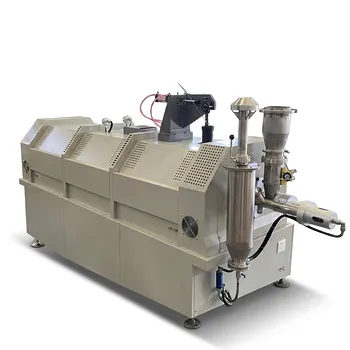
Electric Rotary Kiln Continuous Working Small Rotary Furnace Heating Pyrolysis Plant
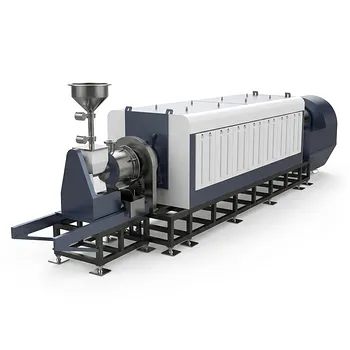
Electric Rotary Kiln Small Rotary Furnace Biomass Pyrolysis Plant
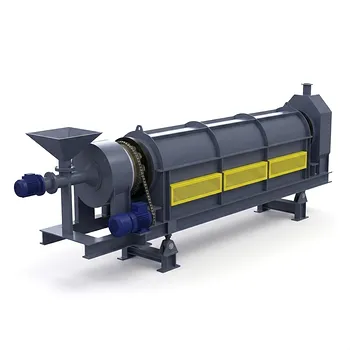
Electric Rotary Kiln Small Rotary Furnace for Activated Carbon Regeneration
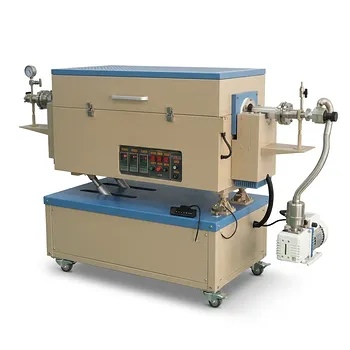
Three Zone Rotary Tube Furnace for High Temperature Powder Processing and Material Research
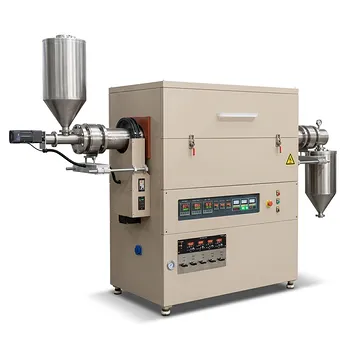
High Temperature Tilting Rotary Tube Furnace with Integrated Mass Flow Control and Multi Zone Heating
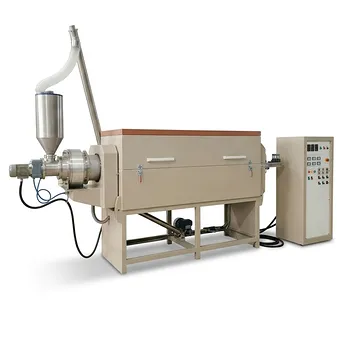
Continuous Feeding Rotary Tube Furnace for Industrial Powder Heat Treatment and Material Research
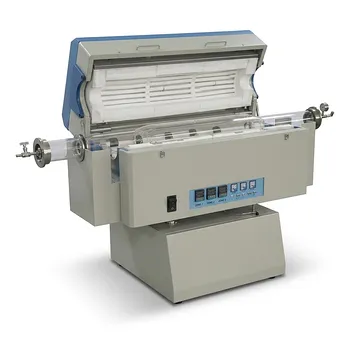
Large Three Temperature Zone Rotating Tube Furnace for High Uniformity Material Sintering
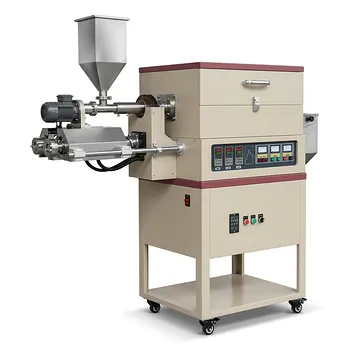
Laboratory Tilting Rotary Tubular Furnaces for Material Science and Industrial Heat Treatment
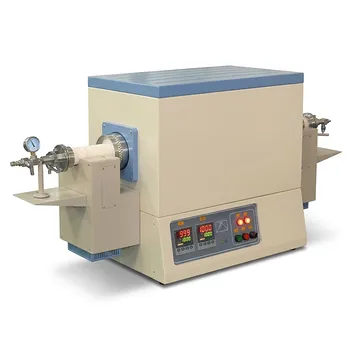
High Temperature 1700C Dual Zone Rotary Tube Furnace with 60mm Alumina Tube and Precision Rotation Control
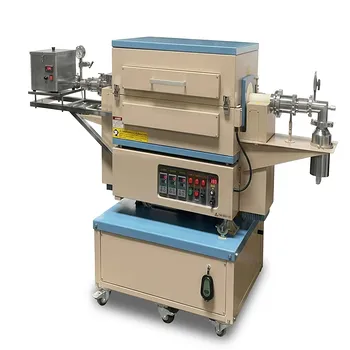
1500C 3-Zone Rotary Tube Furnace 60mm with Automatic Powder Feeding and Receiving System for Continuous Material Synthesis
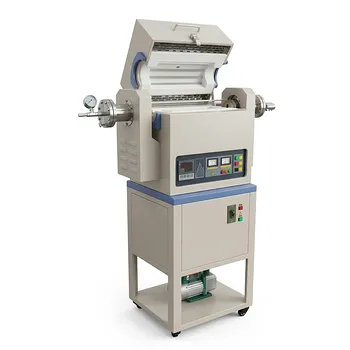
High Temperature Rotary Tilt Tubular Furnaces for Advanced Powder Sintering and Material Processing
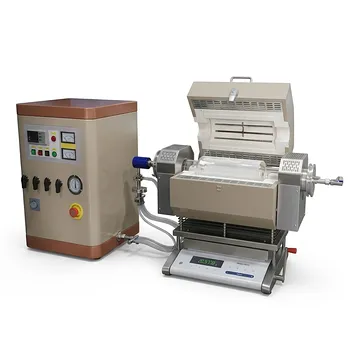
Mini Rotary Tubular Furnaces for Precision Powder Heat Treatment and Thermogravimetric Analysis
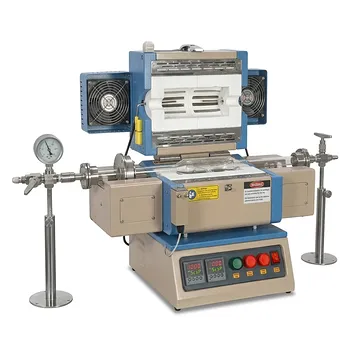
Dual Zone Rotary Tube Furnace for Uniform Powder Calcination 1000C 2 Inch Quartz Tube

Vertical 1700C Vacuum and Atmosphere Tube Furnace with 80mm Alumina Tube
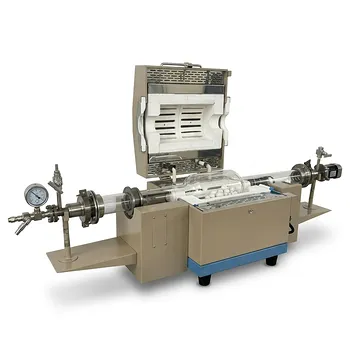
High Temperature Rotary Tube Furnace with Integrated Ball Milling and Gas Flow Function for Powder Nitriding
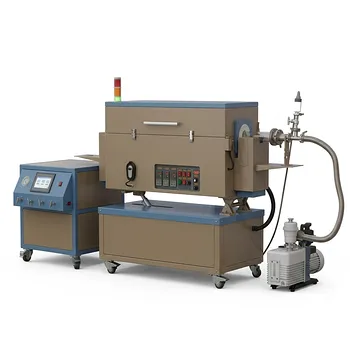
5 Inch Three Zone Rotary Tube Furnace with Integrated Gas Delivery System and 1200C Capability for Advanced Material CVD Processing
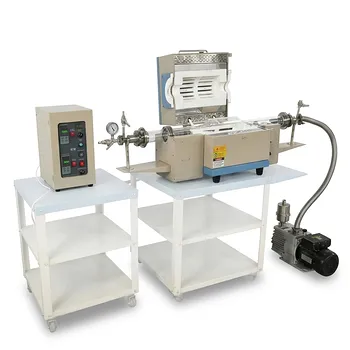
Two Zone Rotary Tube Furnace for Powder CVD Coating and Core Shell Material Synthesis 1100C
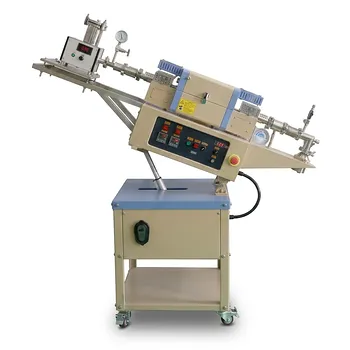
1100°C Dual Zone Rotary Tube Furnace with Automatic Feeding and Collection System for Continuous Powder Processing