What is the purpose of performing a 180 degree Celsius air pretreatment on lignite? Enhancing Carbonization Stability.
Updated 3 months ago
Air pretreatment at 180°C serves as a critical stabilization phase for lignite prior to carbonization. This preliminary oxidation step removes volatile components and adjusts the reactivity of the carbon structure using low-temperature hot air. This process ensures the material remains structurally intact during the intense heat of final carbonization.
Pre-treating lignite with 180°C air creates a chemically stable precursor that prevents structural failure during subsequent high-temperature processing. By modifying the raw material’s reactivity, this step ensures the development of a resilient and well-defined porous framework.
The Role of Controlled Oxidation
Volatile Component Removal
Lignite naturally contains high levels of moisture and volatile organic compounds that can become unstable when heated rapidly. Subjecting the material to 180°C air allows these components to be released or stabilized gradually before the more intense heat of carbonization begins.
Adjusting Carbon Reactivity
The presence of oxygen at this specific temperature initiates a low-level oxidation process. This tunes the chemical reactivity of the lignite, making its behavior more predictable and controlled during the subsequent phase in an inert atmosphere.
Ensuring Structural Integrity
Preventing Structural Collapse
Rapid temperature increases during carbonization can cause untreated lignite to soften or undergo a total loss of physical shape. The pretreatment establishes a stable foundation that prevents the internal structure from collapsing as the environment transitions to high-heat, inert conditions.
Developing a Stable Porous Framework
By pre-stabilizing the carbon skeleton, the final carbonized product maintains a consistent and robust porosity. This is vital for technical applications where the specific surface area and pore volume are the primary metrics for performance.
Understanding the Trade-offs
Energy and Time Investment
Adding an introductory oxidation step increases the total processing time and energy consumption of the manufacturing cycle. Engineers must weigh the improved material quality against the increased operational costs associated with maintaining a multi-stage thermal profile.
Risk of Material Loss
If air flow or temperatures are not strictly monitored at the 180°C threshold, the lignite may begin to undergo excessive combustion. Over-oxidation can significantly reduce the final carbon yield and may actually weaken the structural integrity of the resulting material.
Optimizing the Pretreatment Process
The effectiveness of air pretreatment depends heavily on your final performance requirements for the carbonized lignite.
- If your primary focus is maximizing surface area: Utilize 180°C pretreatment to ensure the pore walls remain open and structurally sound throughout the final high-temperature cycle.
- If your primary focus is structural durability: Prioritize this stabilization phase to prevent the raw lignite from crumbling or shrinking excessively during rapid thermal expansion.
A precise 180°C air pretreatment transforms volatile-rich lignite into a resilient precursor, bridging the gap between raw organic material and a high-performance carbon skeleton.
Summary Table:
| Process Phase | Key Function | Material Benefit |
|---|---|---|
| Volatile Removal | Gradual release of moisture/organics | Prevents rapid gas expansion & cracking |
| Controlled Oxidation | Chemical reactivity adjustment | Ensures predictable thermal behavior |
| Structural Support | Skeleton pre-stabilization | Prevents internal collapse at high heat |
| Porosity Control | Maintenance of pore walls | Maximizes specific surface area for technical use |
Elevate Your Material Research with THERMUNITS
Precise thermal control is the backbone of successful carbonization. THERMUNITS is a leading manufacturer of high-temperature laboratory equipment specifically designed for material science and industrial R&D.
Whether you need to perform delicate 180°C air pretreatments or high-temperature carbonization, our comprehensive range of thermal solutions—including Muffle, Vacuum, Atmosphere, Tube, and Rotary furnaces, as well as CVD/PECVD systems and vacuum induction melting furnaces (VIM)—ensures your research achieves maximum structural integrity and porosity.
Ready to optimize your heat treatment process? Contact THERMUNITS today to find the perfect thermal processing solution for your laboratory.
References
- M.K. Kazankapova, A.M. Kalenova. OBTAINING POROUS CARBON MATERIAL AND INVESTIGATION OF ITS PHYSICAL AND CHEMICAL PROPERTIES. DOI: 10.58805/kazutb.v.2.23-459
Mentioned Products
- High Temperature 1500C Benchtop Muffle Furnace 3.6L Alumina Fiber Chamber Programmable Controller Sintering Annealing Carbonization Thermal Processing System
- Electric Rotary Kiln Small Rotary Furnace for Activated Carbon Regeneration
- High Temperature 1700C Vertical Tube Furnace for Powder Spherification and Material Sintering
- 1500C Three Zone Vertical Pyrolysis Furnace for Nanoparticle Synthesis and Advanced Oxide Coating
- 1750C Compact Muffle Furnace 1.7L Ultra High Temperature Laboratory Sintering System for Advanced Ceramics and Material Science Research
People Also Ask
- Why is annealing in a high-temperature muffle furnace necessary for SiO2/Si substrate pretreatment before monolayer WS2 synthesis?
- What is the purpose of using muffle or tube furnaces in glass synthesis? Achieve Precise Melt-Quenching & Homogeneity
- What is the role of a high-temperature muffle furnace in the synthesis of graphitic carbon nitride (g-C3N4)? - Guide
- What is the necessity of 950 °C muffle furnace for aluminate spinel supports? Achieve Phase Purity & Lattice Integration
- What is the function of a high-temp muffle furnace in Ni-V oxide synthesis? Optimize your material's performance.

Tech Team · ThermUnits
Last updated on Jun 03, 2026
Related Products
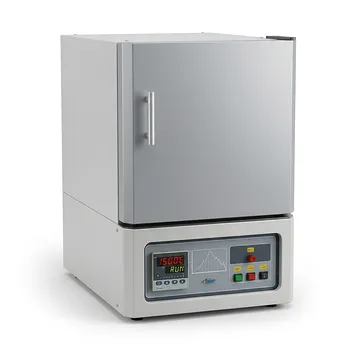
High Temperature 1500C Benchtop Muffle Furnace 3.6L Alumina Fiber Chamber Programmable Controller Sintering Annealing Carbonization Thermal Processing System
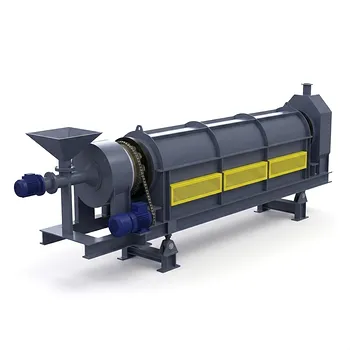
Electric Rotary Kiln Small Rotary Furnace for Activated Carbon Regeneration

High Temperature 1700C Vertical Tube Furnace for Powder Spherification and Material Sintering
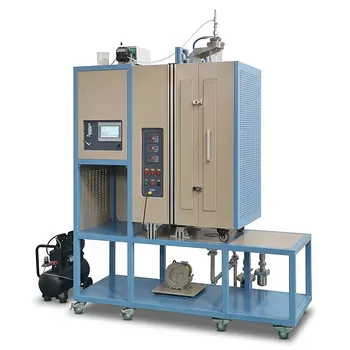
1500C Three Zone Vertical Pyrolysis Furnace for Nanoparticle Synthesis and Advanced Oxide Coating
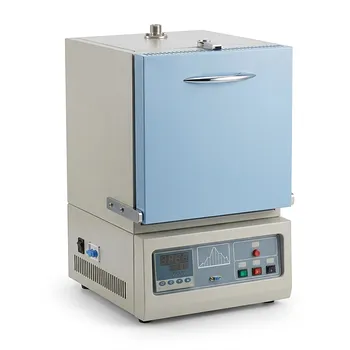
1750C Compact Muffle Furnace 1.7L Ultra High Temperature Laboratory Sintering System for Advanced Ceramics and Material Science Research
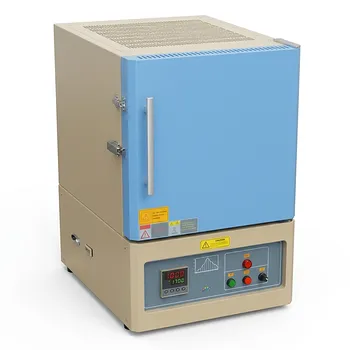
Large Bench Top 1700C High Temperature Muffle Furnace with 19L Chamber for Advanced Material Sintering and Annealing
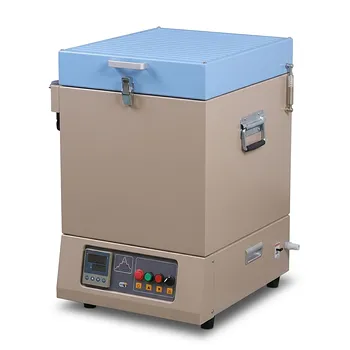
High Temperature Vertical Crucible Furnace with 22L Heating Chamber and 1200C Maximum Temperature
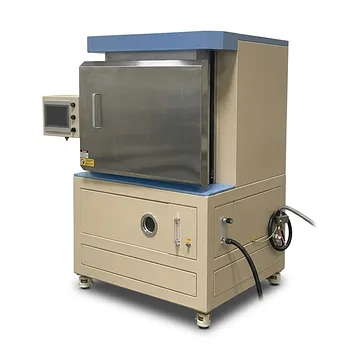
1650C High Temperature Atmosphere Controlled Box Furnace with 65L Chamber for Advanced Material Sintering and Industrial Heat Treatment
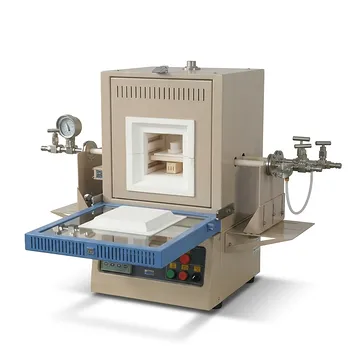
1700C Compact Hybrid Furnace with Dual Layer Box Sintering and Controlled Atmosphere Alumina Tubes
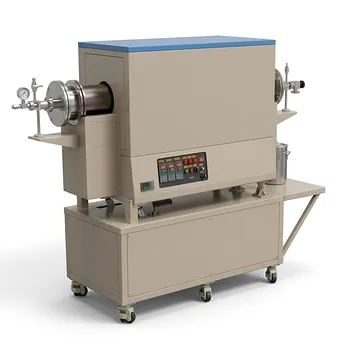
900°C Max Rotary Tube Furnace with 8 Inch 310S Alloy Tube and Optional Multi Zone Heating for Industrial Material Calcination
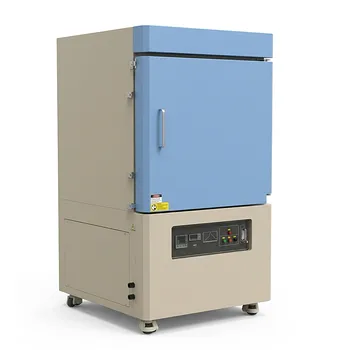
Industrial Large Box Furnace 1700C 216L High Temp Muffle Sintering System
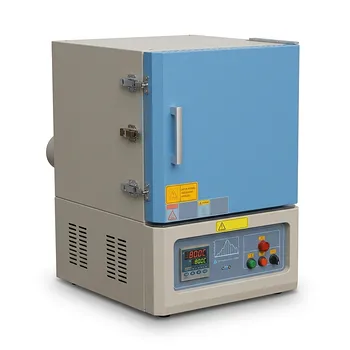
1800C Bench Top Muffle Furnace 18 Liters with Kanthal Super 1900 Heating Elements for High Purity Ceramic Sintering and Material Research
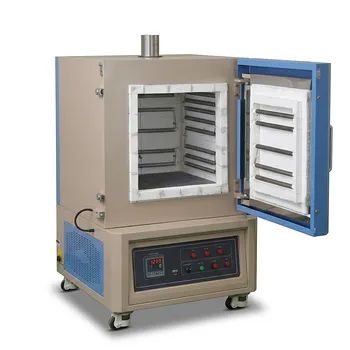
1200C High Temperature 125L Muffle Furnace 5 Side Heating for Large Batch Sintering with Optional Alloy Debinding Chamber
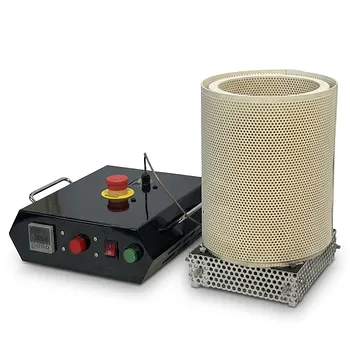
1250 C Compact Vertical Box Furnace for Glovebox Material Research Air Sensitive Samples

Compact High Temperature 1600C Tube Furnace with 50mm Alumina Tube and Vacuum Flanges for Material Sintering
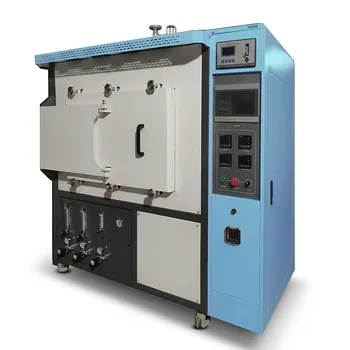
Roller Table Atmosphere Furnace 1500C High Temperature Battery Material Sintering System 112L Capacity
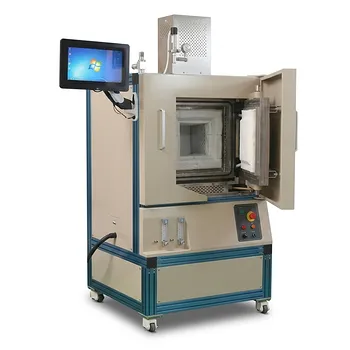
High Temperature Oxygen and Inert Atmosphere Controlled Furnace 8 Liter 1700C Sintering System for Advanced Materials RD
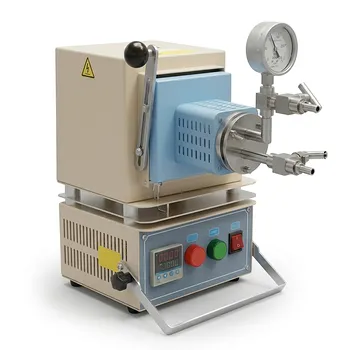
Compact Hybrid Muffle and Tube Furnace for 1000C Controlled Atmosphere Laboratory Material Sintering
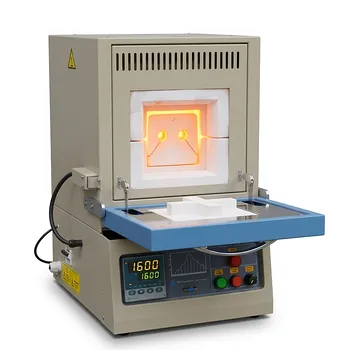
High Temperature Compact Muffle Furnace 1700 C with 30 Segment Programmable Controller and 1.7L Cubic Chamber