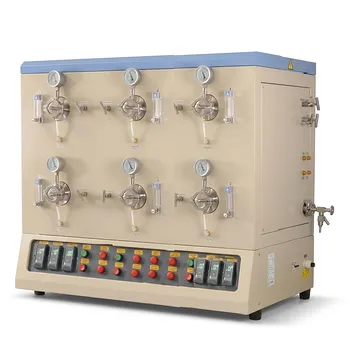
What is the purpose of treating carbon foil in an industrial tube furnace? Enhance Catalyst Adhesion and Stability
Updated 3 months ago
Treating carbon foil in an industrial tube furnace is a critical pre-treatment step designed to optimize the substrate's surface chemistry for catalyst deposition. By heating the foil to 550°C in an air atmosphere, the process removes surface impurities while simultaneously increasing surface activity and hydrophilicity. This transformation ensures a high-strength bond and superior structural stability between the carbon foil and the copper oxide active materials subsequently applied via electrodeposition.
This thermal treatment serves as an interface engineering strategy, transforming an inert carbon surface into a reactive, high-energy substrate. By balancing impurity removal with surface activation, it creates the necessary conditions for a durable and high-performing copper oxide foam catalyst.
The Role of Thermal Oxidation in Surface Modification
Removing Contaminants and Impurities
The primary physical effect of the 550°C treatment is the complete removal of organic residues and surface contaminants. These impurities often accumulate during the manufacturing or handling of carbon foil and can act as barriers to effective deposition.
Enhancing Hydrophilicity and Surface Activity
Heating carbon in an air atmosphere introduces oxygen-containing functional groups to the foil's surface. This process significantly increases the hydrophilicity (water-attraction) of the foil, which is essential for the subsequent electrodeposition process involving aqueous solutions.
Creating an Active Interface
Beyond simple cleaning, the thermal energy increases the surface activity of the carbon. This makes the foil more chemically receptive, allowing for more uniform nucleation when the copper oxide is deposited.
Impact on Catalyst Structural Integrity
Strengthening the Bond with Copper Oxide
The transition from a hydrophobic to a hydrophilic surface allows the copper oxide active materials to adhere more tightly to the substrate. This enhanced adhesion prevents the active catalyst layer from delaminating or peeling off during rigorous industrial use.
Ensuring Long-term Performance Stability
The structural stability gained through furnace treatment directly translates to a longer catalyst lifespan. By securing the copper oxide foam to the carbon backbone, the catalyst can maintain its surface area and catalytic efficiency over extended periods.
Optimizing Electrodeposition Uniformity
A treated surface ensures that the electric field and ion flow during electrodeposition are consistent across the entire foil. This leads to a more homogenous copper oxide layer, which is vital for maintaining consistent reaction rates across the catalyst surface.
Understanding the Trade-offs
Temperature Precision vs. Material Integrity
While 550°C is effective for activation, it requires precise control within the industrial tube furnace. Excessive temperatures or prolonged exposure in an air atmosphere can lead to the unintended gasification of the carbon foil, potentially weakening the substrate's structural framework.
Energy Consumption and Processing Time
Utilizing a tube furnace adds a thermal processing step that increases the overall energy footprint of catalyst production. Manufacturers must weigh the significant gains in catalyst stability against the added time and utility costs associated with high-temperature treatment.
Applying This Process to Your Catalyst Production
How to Apply This to Your Project
If you are integrating carbon foil substrates into your catalyst design, the following recommendations apply based on your specific engineering requirements:
- If your primary focus is maximizing catalyst lifespan: Strictly adhere to the 550°C thermal treatment to ensure the strongest possible mechanical bond between the substrate and the copper oxide.
- If your primary focus is achieving high deposition uniformity: Prioritize the air-atmosphere oxidation process to maximize surface hydrophilicity, which facilitates an even distribution of the electrodeposited foam.
- If your primary focus is maintaining substrate mechanical strength: Monitor furnace dwell times closely to prevent over-oxidation or thinning of the carbon foil substrate.
Properly executed thermal treatment turns a simple carbon foil into a high-performance substrate capable of supporting robust and efficient copper oxide foam catalysts.
Summary Table:
| Key Process Step | Mechanism | Industrial Benefit |
|---|---|---|
| Thermal Oxidation | Heating at 550°C in air | Removes organic residues and surface impurities |
| Surface Activation | Introduction of oxygen groups | Increases hydrophilicity for aqueous electrodeposition |
| Interface Engineering | Reactive site creation | Strengthens the bond between foil and copper oxide |
| Uniform Deposition | Homogeneous surface energy | Ensures consistent reaction rates and catalyst lifespan |
Elevate Your Material Research with THERMUNITS
Achieving the precise thermal conditions required for catalyst activation demands reliable equipment. THERMUNITS is a leading manufacturer of high-temperature laboratory equipment for material science and industrial R&D.
Whether you need a high-precision Tube Furnace for surface modification, or other solutions like Muffle, Vacuum, Atmosphere, Rotary, or Hot Press furnaces, we provide the tools to ensure your research success. Our range also includes CVD/PECVD systems, Dental Furnaces, VIM furnaces, and high-quality Thermal Elements.
Contact our experts today to discover how our thermal processing solutions can improve your catalyst production and structural integrity!
References
- Sonja Blaseio, Mehtap Oezaslan. Impact of Cu<sup>+</sup> and Cu<sup>2+</sup> species on the oxide-metal transition processes of Cu<sub><i>x</i></sub>O foams during the CO<sub>2</sub>RR probed by <i>operando</i> Quick-XAS. DOI: 10.1039/d4ta02217c
Mentioned Products
- Continuous Feeding Rotary Tube Furnace for Industrial Powder Heat Treatment and Material Research
- 1100C Tube Furnace with Vacuum Flange and Programmable Temperature Controller for Material Science and Industrial Heat Treatment
- Laboratory Tilting Rotary Tubular Furnaces for Material Science and Industrial Heat Treatment
- High Temperature Dual Zone Rotating Tube Furnace 1500C Silicon Carbide Heating for Advanced Material Synthesis
- 900°C Max Rotary Tube Furnace with 8 Inch 310S Alloy Tube and Optional Multi Zone Heating for Industrial Material Calcination
People Also Ask
- How does a rotary tube furnace improve the processing of granular materials? Enhance Uniformity and Reaction Kinetics
- Why use a rotary tube furnace for FACS carbonization? Ensure uniform morphology and prevent sphere agglomeration.
- In what ways do rotary tube furnaces enhance chemical and specialty mineral processing? Drive Precision and Uniformity.
- Why is the precise optimization of residence time essential in the catalyst calcination process? Maximize Your Yields.
- What are the primary types of industrial rotary furnaces and functions? Expert Guide to Rotary Kiln & Hearth Systems

Tech Team · ThermUnits
Last updated on Jun 02, 2026
Related Products
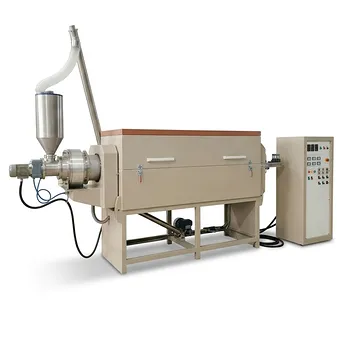
Continuous Feeding Rotary Tube Furnace for Industrial Powder Heat Treatment and Material Research

1100C Tube Furnace with Vacuum Flange and Programmable Temperature Controller for Material Science and Industrial Heat Treatment
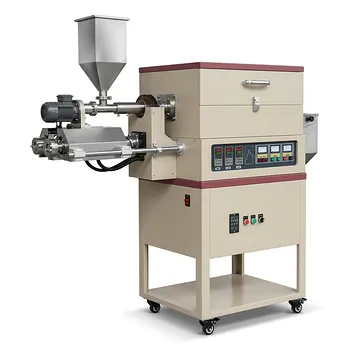
Laboratory Tilting Rotary Tubular Furnaces for Material Science and Industrial Heat Treatment
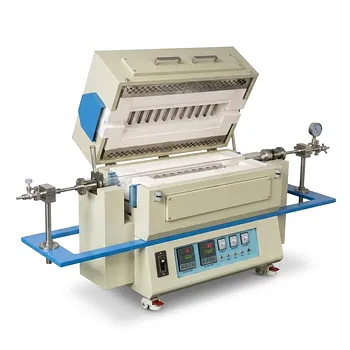
High Temperature Dual Zone Rotating Tube Furnace 1500C Silicon Carbide Heating for Advanced Material Synthesis
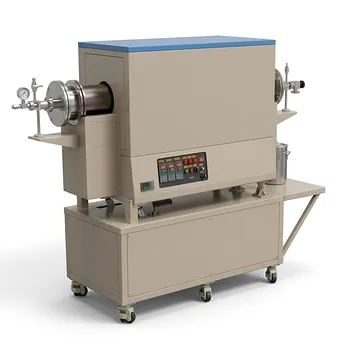
900°C Max Rotary Tube Furnace with 8 Inch 310S Alloy Tube and Optional Multi Zone Heating for Industrial Material Calcination

High Temperature 1700C Vertical Tube Furnace for Powder Spherification and Material Sintering
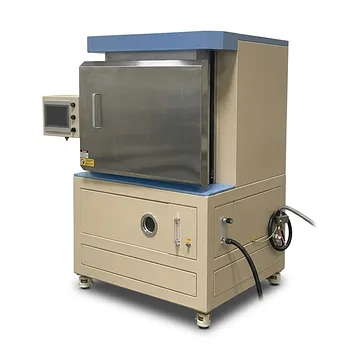
1650C High Temperature Atmosphere Controlled Box Furnace with 65L Chamber for Advanced Material Sintering and Industrial Heat Treatment
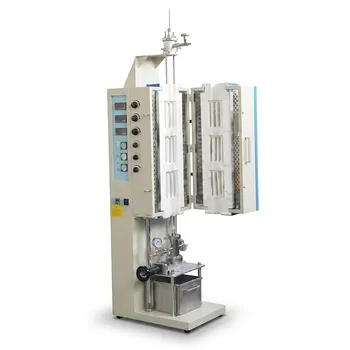
High Temperature Dual Zone Tube Furnace for Material Science Research and Professional Thermal Processing
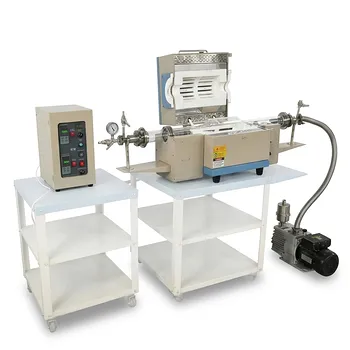
Two Zone Rotary Tube Furnace for Powder CVD Coating and Core Shell Material Synthesis 1100C
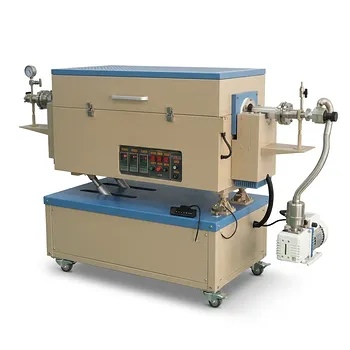
Three Zone Rotary Tube Furnace for High Temperature Powder Processing and Material Research
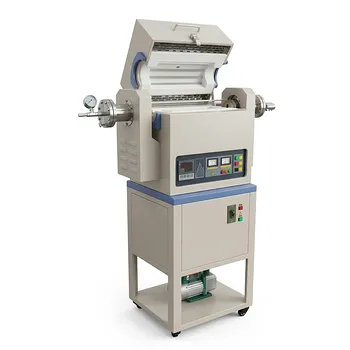
High Temperature Rotary Tilt Tubular Furnaces for Advanced Powder Sintering and Material Processing
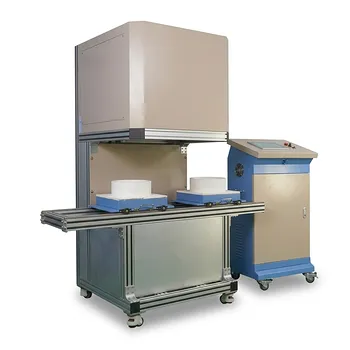
High Temperature Bottom Loading Vertical Furnace 1700C Dual Stage Sample Processing System 18L Large Capacity Thermal Treatment Equipment
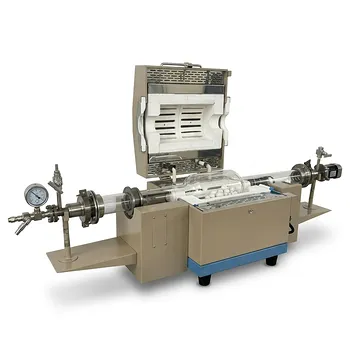
High Temperature Rotary Tube Furnace with Integrated Ball Milling and Gas Flow Function for Powder Nitriding

Compact High Temperature 1600C Tube Furnace with 50mm Alumina Tube and Vacuum Flanges for Material Sintering
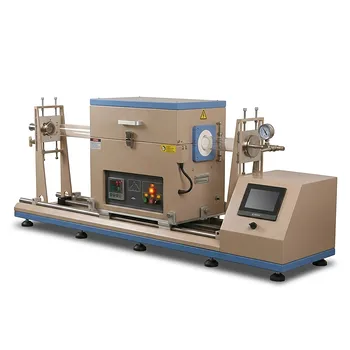
1200C Sliding Tube Furnace for Rapid Thermal Processing and CVD Graphene Growth with 100mm OD Capacity
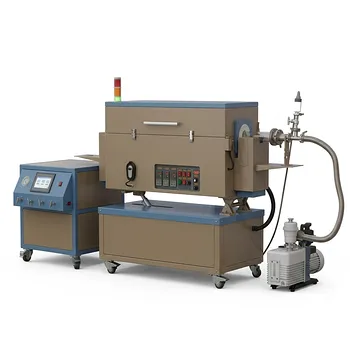
5 Inch Three Zone Rotary Tube Furnace with Integrated Gas Delivery System and 1200C Capability for Advanced Material CVD Processing
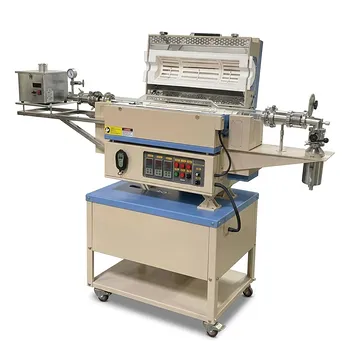
5 Inch Rotary Tube Furnace with Automatic Feeding and Receiving System 1200C Three Zone CVD Powder Processing

High Temperature Automated 5 Inch Tube Furnace for Autonomous Material Research and Advanced Laboratory R&D
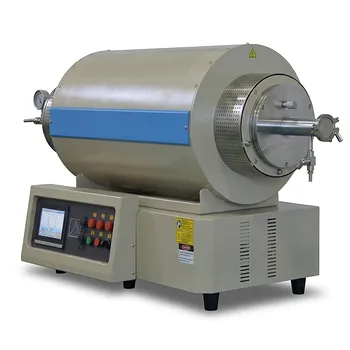
1200C Max Three Zone Tube Furnace 6 Inch OD Max with Tube and Flange