What is the purpose of wrapping SA508 steel in foil during heat treatment? Protect Specimens and Ensure Data Accuracy
Updated 3 months ago
To protect SA508 steel specimens from atmospheric degradation, researchers wrap them in stainless steel foil to create a physical oxygen barrier. At temperatures of 860°C and above, SA508 steel reacts aggressively with residual oxygen in the furnace, leading to significant surface oxidation and material loss. The foil ensures that the specimen's chemical integrity and physical dimensions remain intact for precise experimental analysis.
Wrapping SA508 steel in stainless steel foil is a critical auxiliary protection measure that creates a localized micro-environment. This barrier minimizes oxidation loss and decarburization, ensuring that the data collected after heat treatment reflects the true properties of the bulk material.
The Mechanics of High-Temperature Oxidation
The Chemical Vulnerability of SA508
At 860°C, the thermal energy is high enough to accelerate the chemical reaction between the iron and carbon in SA508 steel and the oxygen present in the furnace atmosphere. Without protection, this results in the formation of heavy scale (iron oxides) and the depletion of carbon from the surface layers.
Creating a Localized Micro-Environment
The stainless steel foil acts as a physical shield that traps a very small volume of air against the specimen. Because the volume of trapped oxygen is so low, it is quickly consumed, effectively creating a passive micro-atmosphere that prevents further oxidation during the heating and cooling cycles.
Ensuring Data Integrity and Specimen Protection
Preserving Surface Chemistry and Geometry
For metallurgical studies, the surface-to-volume ratio and precise chemical composition are vital. The foil wrap prevents oxidation loss, which would otherwise alter the specimen's mass and dimensions, potentially skewing the results of subsequent mechanical or structural tests.
Maintaining Experimental Accuracy
The primary goal of using foil is to ensure that the experimental data is representative of the material's behavior under controlled conditions. By neutralizing the effects of residual furnace oxygen, researchers can attribute changes in the specimen's properties solely to the heat treatment parameters rather than environmental contamination.
Understanding the Trade-offs
Potential for Trapped Contaminants
While the foil provides a barrier, any moisture or oils trapped inside the wrap will be heated alongside the specimen. If the specimen is not thoroughly cleaned before wrapping, these contaminants can cause localized staining or unintended chemical reactions on the steel surface.
Impact on Thermal Response
A foil wrap that is too loose can create an insulating air gap, slightly delaying the specimen's response to temperature changes. To mitigate this, the foil must be wrapped as tightly as possible to ensure efficient heat transfer via conduction while maintaining the oxygen seal.
How to Apply This to Your Project
Recommendations for Effective Heat Treatment
- If your primary focus is specimen surface integrity: Ensure the foil is high-grade stainless steel (such as 309 or 321) to withstand the high temperatures without degrading or fusing to the SA508 specimen.
- If your primary focus is accurate cooling rates: Wrap the specimen tightly and consider double-folding the seams to create an airtight "envelope" that minimizes the insulating effect of trapped air.
- If your primary focus is preventing decarburization: Use the foil wrap in conjunction with an inert gas purge (like Argon) for an additional layer of protection against residual oxygen.
By employing stainless steel foil as a sacrificial barrier, you preserve the precise metallurgical state of SA508 steel required for high-stakes technical analysis.
Summary Table:
| Protection Factor | Mechanism of Action | Experimental Benefit |
|---|---|---|
| Oxygen Barrier | Creates a localized micro-environment | Minimizes surface oxidation and scaling |
| Chemical Integrity | Prevents iron and carbon depletion | Ensures data reflects bulk material properties |
| Dimensional Stability | Neutralizes residual furnace oxygen | Prevents material loss and geometry changes |
| Contamination Control | Physical shield against furnace debris | Maintains high-purity surface conditions |
Precision Thermal Solutions for Material Science
At THERMUNITS, we understand that maintaining the chemical and physical integrity of your specimens is critical for successful R&D. As a leading manufacturer of high-temperature laboratory equipment, we offer a comprehensive range of thermal processing solutions designed for precision and reliability.
Our product lineup includes:
- Muffle, Vacuum, and Atmosphere Furnaces
- Tube, Rotary, and Hot Press Furnaces
- CVD/PECVD Systems and Dental Furnaces
- Vacuum Induction Melting Furnaces (VIM) and Electric Rotary Kilns
- High-Quality Thermal Elements
Whether you are conducting metallurgical studies on SA508 steel or advanced industrial research, our equipment provides the uniform heating and atmospheric control you need to achieve superior results.
Ready to upgrade your laboratory capabilities? Contact us today to discuss your specific heat treatment requirements!
References
- Kenneth D. Bruce, E.J. Pickering. Heat Treatment Optimisation of Electron Beam Welded Reactor Pressure Vessel Steel. DOI: 10.1007/s11661-024-07674-4
Mentioned Products
- 1200C Five Side Heating Muffle Furnace with Sliding Door 125L Volume High Temperature Heat Treatment System for Large Scale Sintering and Annealing
- High Temperature Benchtop Muffle Furnace 1700C 10L Chamber Alumina Fiber Insulation MoSi2 Heating Elements
- High Temperature 800C Rapid Thermal Processing Furnace with Rotating Sample Holder for Close Spaced Sublimation and Thin Film Solar Cell Research
- 30KW High Frequency Induction Heater for Metal Melting and Industrial Heat Treatment 80-200kHz
- High Temperature Economic Hydrogen Gas Box Furnace 1600C Atmosphere Controlled Thermal Processing System 65L Capacity
People Also Ask
- What is the role of the muffle furnace in h-BN precursor preparation? Optimize Morphology and Chemical Purity.
- How does the heating mechanism of a muffle furnace differ from that of an open-flame furnace? Indirect vs Direct Heat
- Why is the muffle design advantageous for the production of ceramics and glass? Ensure Purity and Structural Integrity
- What are the benefits of using muffle furnaces in pharmaceutical and biomedical applications? Maximize Purity & Compliance
- What are the typical operating temperature ranges for standard and advanced muffle furnaces? Expert Temperature Guide.

Tech Team · ThermUnits
Last updated on Jun 03, 2026
Related Products
1200C Five Side Heating Muffle Furnace with Sliding Door 125L Volume High Temperature Heat Treatment System for Large Scale Sintering and Annealing
High Temperature Benchtop Muffle Furnace 1700C 10L Chamber Alumina Fiber Insulation MoSi2 Heating Elements
High Temperature 800C Rapid Thermal Processing Furnace with Rotating Sample Holder for Close Spaced Sublimation and Thin Film Solar Cell Research
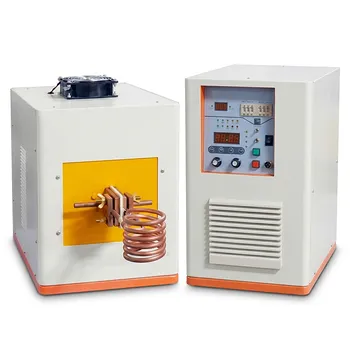
30KW High Frequency Induction Heater for Metal Melting and Industrial Heat Treatment 80-200kHz
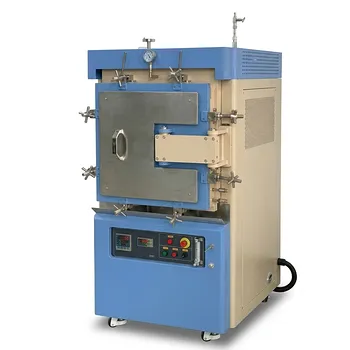
High Temperature Economic Hydrogen Gas Box Furnace 1600C Atmosphere Controlled Thermal Processing System 65L Capacity
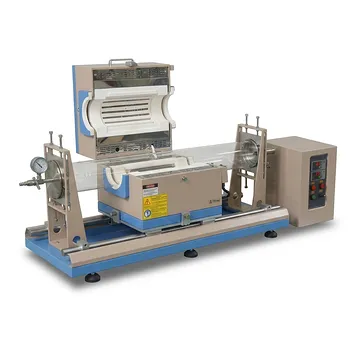
1200C High Temperature 5 Inch Sliding Tube Furnace for Rapid Thermal Processing RTP and Wafer Annealing
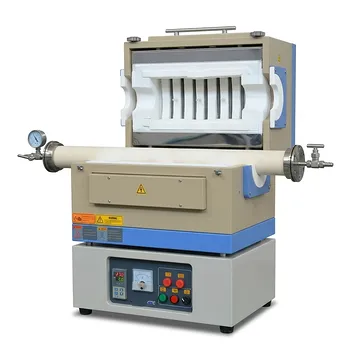
High Temperature 1600C Split Tube Furnace Vacuum Flanges Valves Optional 60mm 80mm Alumina Tube
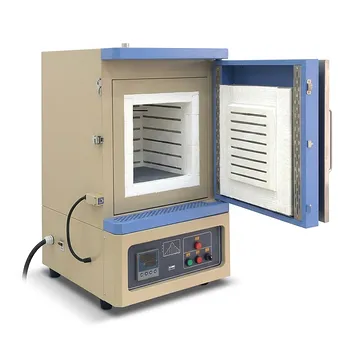
Five Side Heating Muffle Furnace High Purity Alumina Fiber 27L Chamber 1200C High Temperature Thermal Processing System for Sintering Annealing and Materials Research
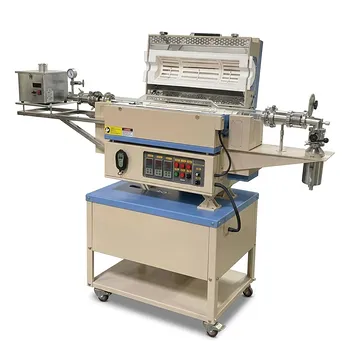
5 Inch Rotary Tube Furnace with Automatic Feeding and Receiving System 1200C Three Zone CVD Powder Processing
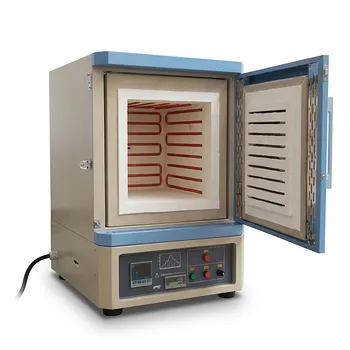
Five Side Heating Muffle Furnace 1200C High Uniformity 64L Chamber 16x16x16 Inch Industrial Heat Treatment
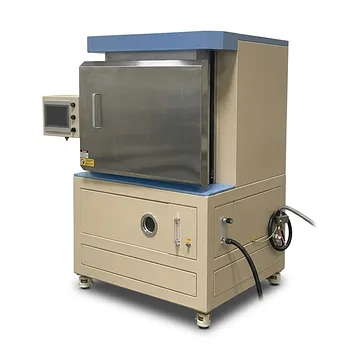
1650C High Temperature Atmosphere Controlled Box Furnace with 65L Chamber for Advanced Material Sintering and Industrial Heat Treatment
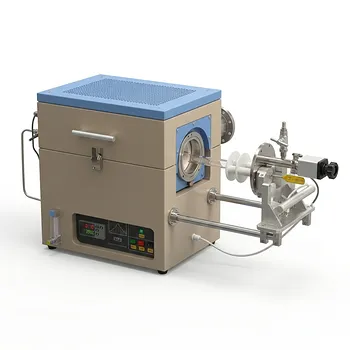
Compact Atmosphere Controlled Rapid Thermal Processing RTP Furnace with 4 Inch ID Quartz Tube 1100C
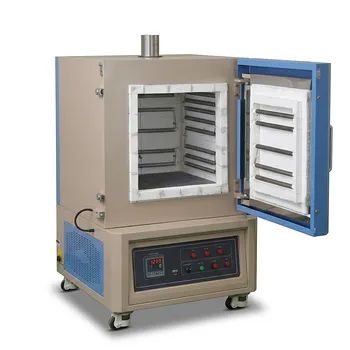
1200C High Temperature 125L Muffle Furnace 5 Side Heating for Large Batch Sintering with Optional Alloy Debinding Chamber

High Temperature 1700C Benchtop Tube Furnace with 5 Inch Heating Zone High Purity Alumina Tube and Vacuum Sealing Flanges
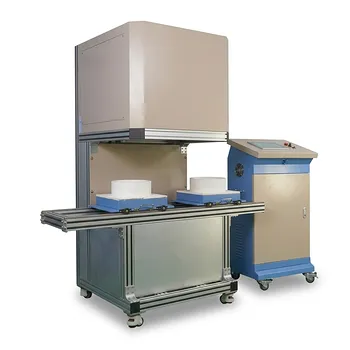
High Temperature Bottom Loading Vertical Furnace 1700C Dual Stage Sample Processing System 18L Large Capacity Thermal Treatment Equipment
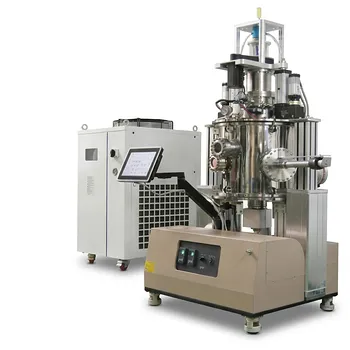
950C Rapid Thermal Processing Furnace for 12 Inch Wafer CSS Coating with Rotating Substrate Holder
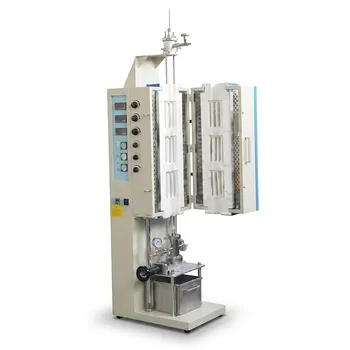
High Temperature Dual Zone Tube Furnace for Material Science Research and Professional Thermal Processing
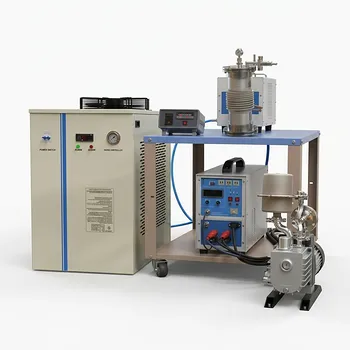
Induction Heating System with Temperature Control for High Temperature Vacuum Sintering and Melting
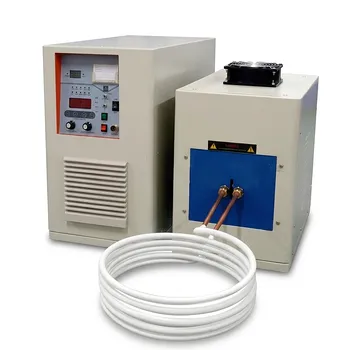
High Power 25KW Induction Heating System with Precision Timer Control and 80kHz Frequency for Metal Melting and Heat Treatment