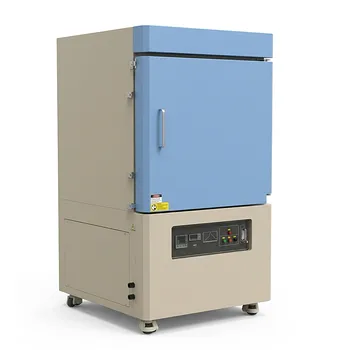
What is the role of a High-Temperature Muffle Furnace in biochar preparation? Optimize Porosity & Adsorption
Updated 3 months ago
The high-temperature muffle furnace is the central thermal engine for converting raw eggshells into functional biochar. It provides the precise, stable environment required for two critical stages: a preliminary calcination at 550°C to remove organic impurities and a high-temperature carbonization (often up to 800°C) to develop the material's porous structure and chemical reactivity.
A muffle furnace facilitates the controlled thermal decomposition of eggshells, transforming them from waste into a high-purity inorganic material. By managing temperature and oxygen levels, it optimizes the biochar’s porosity and surface chemistry, which are essential for applications like heavy metal adsorption.
Phase 1: Preliminary Calcination and Impurity Removal
Removal of Residual Biomass
During the initial processing stage, the furnace is set to approximately 550°C to treat the raw eggshells. This temperature is high enough to effectively incinerate and remove residual organic matter and biomass impurities attached to the shells.
Stabilization of Mineral Components
This preliminary heating phase serves to stabilize the calcium carbonate ($CaCO_3$) components of the eggshell. By providing a uniform thermal environment, the furnace ensures that the inorganic raw materials are purified and ready for subsequent, more intense thermal treatments.
Phase 2: High-Temperature Pyrolysis and Carbonization
Creating an Oxygen-Limited Environment
To produce true biochar rather than simple ash, the muffle furnace must maintain anaerobic or anoxic (oxygen-limited) conditions. This is often achieved by using sealed reactors within the furnace or nitrogen gas purging to prevent the biomass from combusting.
Executing Programmed Temperature Control
The furnace allows for gradient heating and precise maintenance of temperatures, frequently reaching 800°C for durations of up to four hours. This slow pyrolysis process is what drives the dehydration, devolatilization, and rearrangement of carbon elements within the eggshell structure.
Impact on Physical and Chemical Properties
Development of Porous Microstructures
The high-temperature environment promotes the formation of complex microporous structures and increases the specific surface area of the material. This physical transformation is what gives eggshell biochar its high capacity for filtering and adsorption.
Activation of Surface Functional Groups
Thermal treatment in the furnace facilitates the emergence of oxygen-containing functional groups, such as hydroxyl and carboxyl groups. These chemical sites are fundamental for the biochar's ability to bond with and remove heavy metal ions like Hexavalent Chromium from aqueous solutions.
Understanding the Trade-offs
Temperature vs. Material Yield
While higher temperatures (e.g., 800°C) significantly enhance crystallinity and porosity, they can also lead to a reduction in the total mass yield of the biochar. Finding the balance between the degree of carbonization and the amount of final product is a primary technical challenge.
Energy Consumption and Processing Time
Achieving a stable, high-temperature environment for extended periods (often 4+ hours) is energy-intensive. Precise furnace programming is required to ensure thermal homogeneity throughout the batch, as uneven heating can result in a chemically inconsistent product.
How to Apply This to Your Biochar Project
Making the Right Choice for Your Goal
- If your primary focus is high-purity mineral stabilization: Utilize the furnace at a lower range (approx. 550°C) to remove organic contaminants while preserving the calcium carbonate structure.
- If your primary focus is maximum adsorption capacity: Operate the furnace at higher temperatures (700°C–800°C) under strictly anaerobic conditions to maximize the development of micropores and surface functional groups.
- If your primary focus is structural crystallinity: Implement gradient heating and longer residence times within the muffle furnace to allow for the slow rearrangement of carbon and mineral elements.
The high-temperature muffle furnace is not merely a heater, but a precision tool that dictates the ultimate functionality and chemical "intelligence" of eggshell-derived biochar.
Summary Table:
| Stage | Temperature | Key Function | Material Transformation |
|---|---|---|---|
| Phase 1: Calcination | ~550°C | Impurity Removal | Incinerates organic matter; stabilizes $CaCO_3$ |
| Phase 2: Pyrolysis | 700°C - 800°C | Carbonization | Develops porous structures & surface functional groups |
| Final Activation | Gradient Heating | Structural Tuning | Maximizes adsorption capacity for heavy metal removal |
Elevate Your Reseach with THERMUNITS Thermal Solutions
Precision is the backbone of successful material synthesis. THERMUNITS is a leading manufacturer of high-temperature laboratory equipment designed specifically for material science and industrial R&D. We provide the stable thermal environments required to convert waste materials into high-value functional products like biochar.
Our comprehensive range of thermal processing solutions includes:
- Muffle, Vacuum, and Atmosphere Furnaces for precise carbonization.
- Tube & Rotary Furnaces for continuous or controlled atmosphere processing.
- Advanced Systems: CVD/PECVD systems, Hot Press furnaces, and Vacuum Induction Melting (VIM) furnaces.
- Specialized Equipment: Dental Furnaces, Electric Rotary Kilns, and high-quality Thermal Elements.
Whether you are scaling up biochar production or developing next-generation catalysts, our equipment ensures thermal homogeneity and reliable performance.
Ready to optimize your thermal processing?
Contact our technical experts today to find the perfect furnace for your lab.
References
- Ahmed Abdelhamid Maamoun, Ahmed Elkhateeb. Improving the acoustic performance of flexible polyurethane foam using biochar modified by (3-aminopropyl)trimethoxysilane coupling agent. DOI: 10.1038/s41598-024-68039-w
Mentioned Products
- High Temperature 1700C Bench Top Muffle Furnace with Alumina Fiber Insulation and 3.6L Chamber Capacity for Precision Sintering and Heat Treatment
- 1200C High Temperature 125L Muffle Furnace 5 Side Heating for Large Batch Sintering with Optional Alloy Debinding Chamber
- High Temperature 1500C Benchtop Muffle Furnace 3.6L Alumina Fiber Chamber Programmable Controller Sintering Annealing Carbonization Thermal Processing System
- High Temperature Muffle Furnace with Alloy Chamber for Debinding and Sintering Applications
- 1800°C Bench Top Ultra High Temperature Muffle Furnace with Sapphire Observation Window and Top Feeding Port for Materials Research and Thermal Processing
People Also Ask
- What role does a high-temperature muffle furnace play in evaluating the mineral composition of rock samples? LOI & XRF Guide
- What is the function of a high-temperature muffle furnace in phosphorus-modified zeolite catalyst preparation?
- What is the function of a high-temp muffle furnace in Ni-V oxide synthesis? Optimize your material's performance.
- What is the purpose of using muffle or tube furnaces in glass synthesis? Achieve Precise Melt-Quenching & Homogeneity
- What is the function of a muffle furnace in aluminoborosilicate glass prep? Stabilize Raw Materials for Superior Purity

Tech Team · ThermUnits
Last updated on Jun 03, 2026
Related Products
High Temperature 1700C Bench Top Muffle Furnace with Alumina Fiber Insulation and 3.6L Chamber Capacity for Precision Sintering and Heat Treatment
1200C High Temperature 125L Muffle Furnace 5 Side Heating for Large Batch Sintering with Optional Alloy Debinding Chamber
High Temperature 1500C Benchtop Muffle Furnace 3.6L Alumina Fiber Chamber Programmable Controller Sintering Annealing Carbonization Thermal Processing System
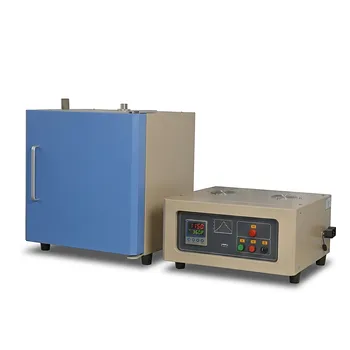
High Temperature Muffle Furnace with Alloy Chamber for Debinding and Sintering Applications
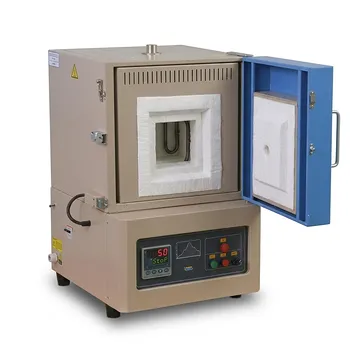
1800°C Bench Top Ultra High Temperature Muffle Furnace with Sapphire Observation Window and Top Feeding Port for Materials Research and Thermal Processing
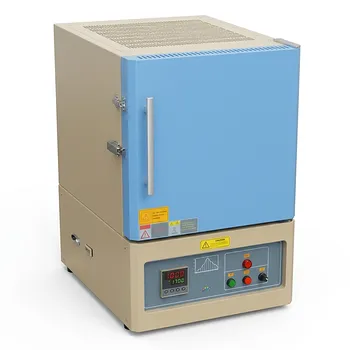
Large Bench Top 1700C High Temperature Muffle Furnace with 19L Chamber for Advanced Material Sintering and Annealing
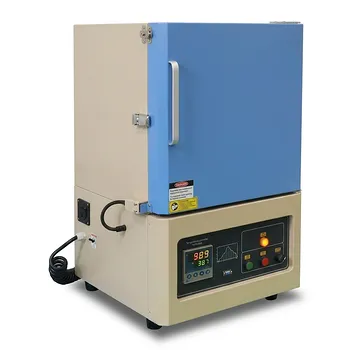
1200°C High Temperature Muffle Furnace 19L Chamber with 50 Segment Programmable Controller
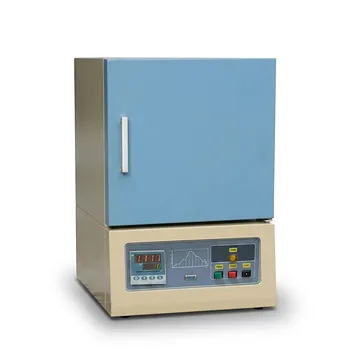
Ultra High Temperature Bench Top Muffle Furnace 1750C Sintering System with Kanthal Super Heating Elements and Precision Digital Control
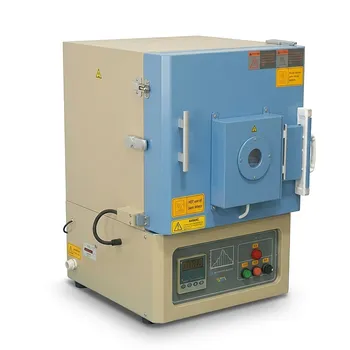
High Temperature Benchtop Muffle Furnace 1500C with 3.6L Chamber and Quartz Observation Window
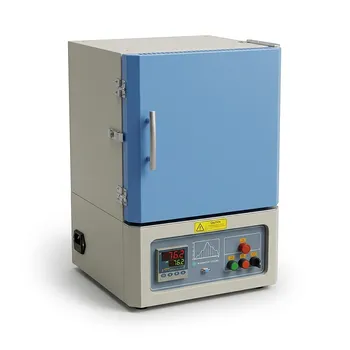
1750C Bench Top Muffle Furnace 3.6L High Grade Molybdenum Disilicide Heating Elements Laboratory Heat Treatment Equipment
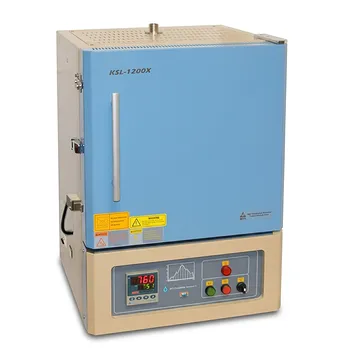
High Temperature 1200C Muffle Furnace 27L Volume 12x12x12 Chamber with Programmable PID Controller for Laboratory Material Science
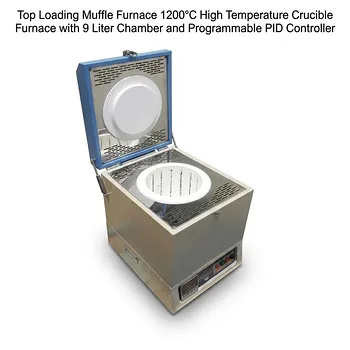
Top Loading Muffle Furnace 1200°C High Temperature Crucible Furnace with 9 Liter Chamber and Programmable PID Controller
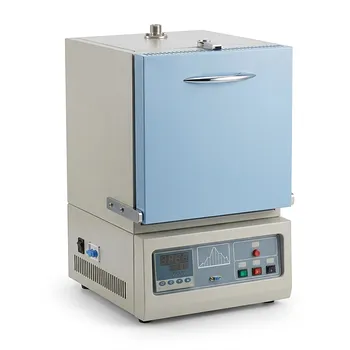
1750C Compact Muffle Furnace 1.7L Ultra High Temperature Laboratory Sintering System for Advanced Ceramics and Material Science Research
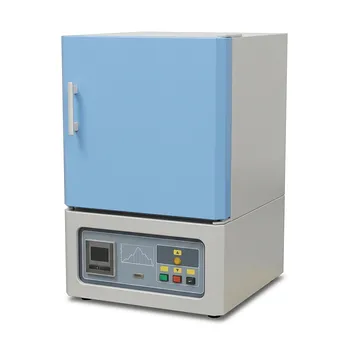
1800C Bench Top Muffle Furnace with Kanthal Super 1900 Heating Elements and 3.6L Alumina Fiber Chamber
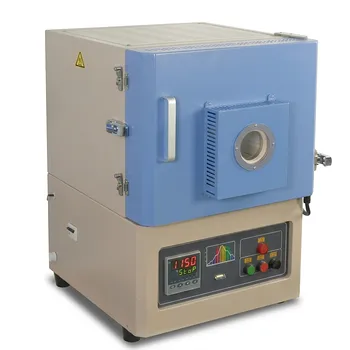
High Temperature Benchtop Muffle Furnace with Quartz Observation Window for Thermal Imaging and Material Analysis
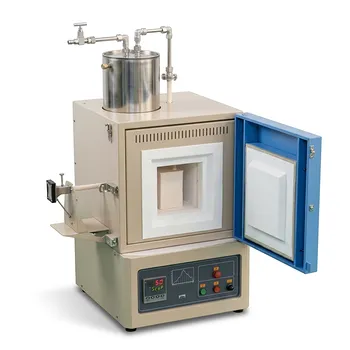
High Temperature Bench Top Muffle Furnace 1700C with Integrated Evaporating Particle Collection and 8x8x8 Alumina Fiber Chamber
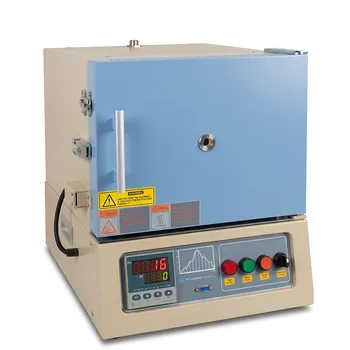
1200C Muffle Furnace 12x8x5 7.2L Heating Chamber with Quartz Observation Window and Vent Port
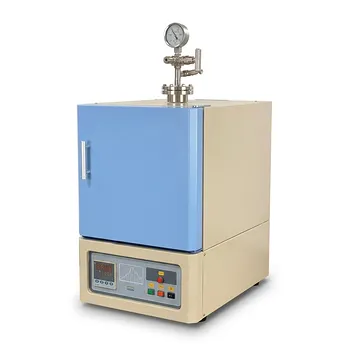
Hybrid High Temperature Muffle and Tube Furnace with 1500C Capability and Vacuum Flange Assembly
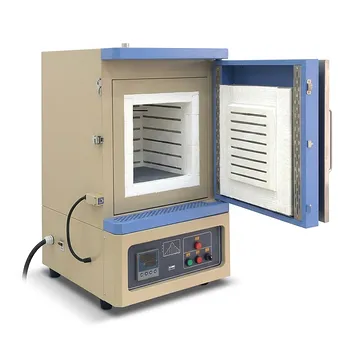
Five Side Heating Muffle Furnace High Purity Alumina Fiber 27L Chamber 1200C High Temperature Thermal Processing System for Sintering Annealing and Materials Research