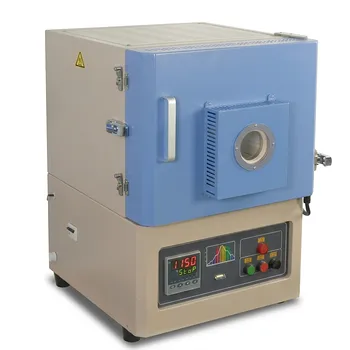
What is the role of a high-temperature muffle furnace or tube furnace in the preparation of Na2WO4/SiO2 catalysts?
Updated 3 months ago
High-temperature muffle and tube furnaces are the primary instruments for the calcination stage of Na2WO4/SiO2 catalyst preparation. These furnaces provide the precise 800 °C air environment for five hours required to convert precursor salts into active sodium tungstate species. This thermal processing is the defining step that establishes the catalyst's initial activity and long-term thermal stability for applications like the oxidative coupling of methane (OCM).
The role of the furnace extends beyond simple heating; it acts as a thermal reactor that facilitates precursor decomposition, chemical bonding to the silica support, and the crystallization of active phases. Proper furnace control is essential for achieving the specific lattice structures and surface properties necessary for high-performance catalysis.
Facilitating Chemical Transformation and Precursor Decomposition
Conversion of Precursor Salts
The furnace provides the thermal energy necessary for the complete thermal decomposition of metal precursor salts loaded onto the silica carrier. In the specific case of Na2WO4/SiO2, this process transforms the initial salt mixture into stable, active sodium tungstate species.
Evolution of Gaseous Byproducts
During the roasting stage, the furnace environment allows for the removal of volatile impurities and decomposition products. Maintaining a stable air flow ensures that these byproducts do not interfere with the formation of the active catalyst surface.
Formation of Active Metal Oxides
By maintaining a constant high-temperature environment, the furnace induces the formation of specific crystal phases. This transition from a precursor state to a defined oxide structure is what ultimately enables the catalyst to participate in OCM reactions.
Structural Optimization and Carrier Interaction
Promoting Chemical Bonding
The high-temperature environment promotes chemical bonding between the sodium tungstate active sites and the SiO2 carrier. This interaction is vital for preventing the leaching or migration of active components during the high-stress environment of a methane coupling reaction.
Adjusting Lattice and Porosity
Thermal induction effects within the furnace adjust the lattice structure and surface acid-base properties of the catalyst. For silica-supported catalysts, this process can optimize the distribution of active centers and improve the overall porosity of the material.
Inducing Crystallinity
Furnaces allow for the transition from an amorphous precursor matrix to a partially crystalline or fully crystalline state. Precise temperature control determines the grain size and the ratio of different nanojunctions, which are critical for the catalyst’s mechanical strength and stability.
Precise Control: Muffle Furnace vs. Tube Furnace
Muffle Furnace Capabilities
Muffle furnaces are typically used for standard calcination and annealing in air. They provide a uniform thermal environment that is ideal for stabilizing crystal frameworks and ensuring the physical foundation of the catalyst is robust.
Tube Furnace Advantages
Tube furnaces offer precise atmosphere control, allowing for the use of reducing or inert gases if required. They provide a long, stable temperature zone that is particularly effective for controlling the distribution of active sites and managing gas-solid reactions.
Understanding the Trade-offs and Pitfalls
The Risk of Sintering
Excessive temperature or prolonged exposure in the furnace can lead to sintering, where active particles aggregate. This reduces the available surface area and can significantly diminish the catalytic activity of the Na2WO4/SiO2 system.
Atmosphere Sensitivity
The choice of atmosphere within the furnace is critical; for Na2WO4/SiO2, an air environment is standard. However, a lack of uniform air flow can result in incomplete phase transformations or the uneven distribution of sodium tungstate across the silica support.
Temperature Gradient Issues
Inconsistent heating within a furnace can lead to structural heterogeneity. If one part of the batch reaches a higher temperature than another, the resulting catalyst will have inconsistent OCM performance and varying levels of thermal stability.
How to Apply This to Your Catalyst Synthesis
Effective preparation of Na2WO4/SiO2 requires aligning your furnace parameters with your specific performance goals.
- If your primary focus is Maximum Initial Activity: Ensure the furnace maintains a precise 800 °C environment to maximize the formation of active sodium tungstate species.
- If your primary focus is Long-term Thermal Stability: Prioritize a longer five-hour calcination window to strengthen the chemical bonding between the active phase and the SiO2 carrier.
- If your primary focus is Controlled Phase Composition: Use a tube furnace with stable air flow to ensure uniform phase transformation and to prevent the formation of undesired oxide variations.
The high-temperature furnace is not merely a heater, but a critical tool for engineering the atomic architecture and operational longevity of the Na2WO4/SiO2 catalyst.
Summary Table:
| Stage | Furnace Role | Impact on Na2WO4/SiO2 Catalyst |
|---|---|---|
| Calcination (800°C) | Precursor Decomposition | Converts precursor salts into active sodium tungstate species. |
| Thermal Processing | Chemical Bonding | Strengthens the bond between active sites and the SiO2 carrier. |
| Atmosphere Control | Phase Transformation | Ensures uniform crystallization and removes volatile impurities. |
| Structural Tuning | Lattice Adjustment | Optimizes porosity and active site distribution for OCM performance. |
Elevate Your Catalyst Research with THERMUNITS Precision Heating
As a leading manufacturer of high-temperature laboratory equipment for material science and industrial R&D, THERMUNITS provides the specialized thermal solutions required for high-performance catalyst synthesis. Our equipment is engineered to provide the precise temperature uniformity and atmospheric control essential for the oxidative coupling of methane (OCM) and other critical heat treatments.
Our Comprehensive Thermal Solutions Include:
- Muffle & Tube Furnaces: Perfect for the 800°C calcination of Na2WO4/SiO2 and standard annealing.
- Specialized Systems: CVD/PECVD, Vacuum, Atmosphere, Rotary, and Hot Press furnaces.
- Advanced Industrial Tools: Electric rotary kilns, vacuum induction melting furnaces (VIM), and Dental furnaces.
Don't let sintering or structural heterogeneity compromise your research results. Contact THERMUNITS today to discuss your specific laboratory requirements and discover how our advanced thermal elements and furnaces can enhance your material processing efficiency.
References
- Keiju Wachi, Kazuya YAMAGUCHI. Oxidative Coupling of Methane under High-pressure Conditions Using a Na<sub>2</sub>WO<sub>4</sub>/SiO<sub>2</sub> Catalyst. DOI: 10.1627/jpi.67.71
Mentioned Products
- 1200C High Temperature Muffle Furnace with Motorized Door and Automated PC Control for Industrial Sintering and Material Processing 27 Liter
- High Temperature 1700C Bench Top Muffle Furnace with Alumina Fiber Insulation and 3.6L Chamber Capacity for Precision Sintering and Heat Treatment
- High Temperature 1500C Benchtop Muffle Furnace 3.6L Alumina Fiber Chamber Programmable Controller Sintering Annealing Carbonization Thermal Processing System
- 1200°C High Temperature Muffle Furnace 19L Chamber with 50 Segment Programmable Controller
- Large Bench Top 1700C High Temperature Muffle Furnace with 19L Chamber for Advanced Material Sintering and Annealing
People Also Ask
- What is the role of a High-Temperature Muffle Furnace in the synthesis of bulk graphitic carbon nitride (CN)? Expert Guide
- What safety features are standard in high-temperature muffle furnaces? Essential Guide to Laboratory Equipment Safety
- What is the purpose of preheating charcoal in a high-temperature muffle furnace? Ensure Accuracy in Zinc Reduction.
- What role does a high-temperature muffle furnace play in ash content analysis? Ensure Purity & Adsorption Efficiency
- What role does a High-Temperature Muffle Furnace play in NiMoO4 synthesis? Achieve Precise Thermal Precursor Conversion

Tech Team · ThermUnits
Last updated on Jun 02, 2026
Related Products
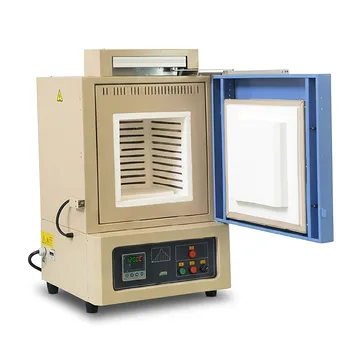
1200C High Temperature Muffle Furnace with Motorized Door and Automated PC Control for Industrial Sintering and Material Processing 27 Liter
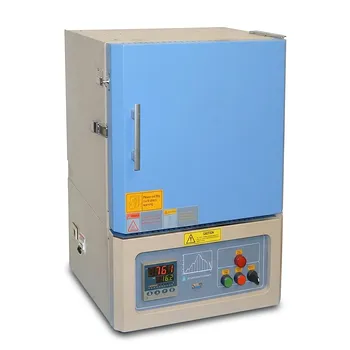
High Temperature 1700C Bench Top Muffle Furnace with Alumina Fiber Insulation and 3.6L Chamber Capacity for Precision Sintering and Heat Treatment
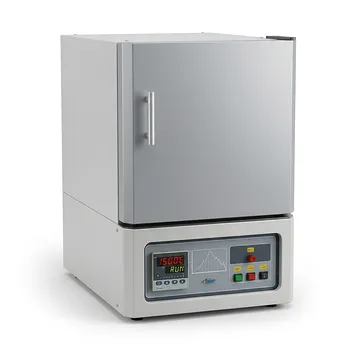
High Temperature 1500C Benchtop Muffle Furnace 3.6L Alumina Fiber Chamber Programmable Controller Sintering Annealing Carbonization Thermal Processing System
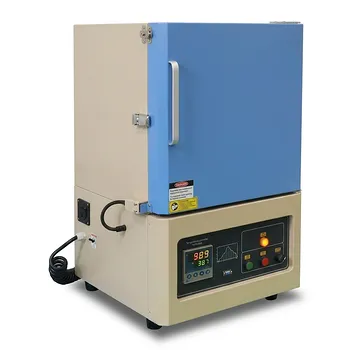
1200°C High Temperature Muffle Furnace 19L Chamber with 50 Segment Programmable Controller
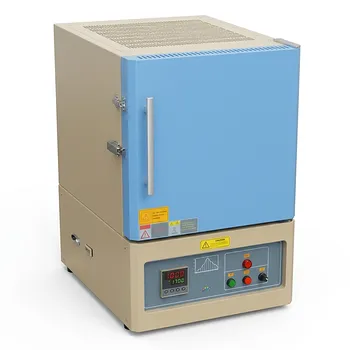
Large Bench Top 1700C High Temperature Muffle Furnace with 19L Chamber for Advanced Material Sintering and Annealing
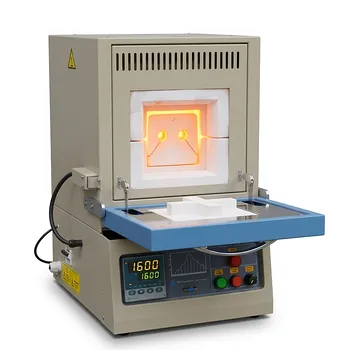
High Temperature Compact Muffle Furnace 1700 C with 30 Segment Programmable Controller and 1.7L Cubic Chamber
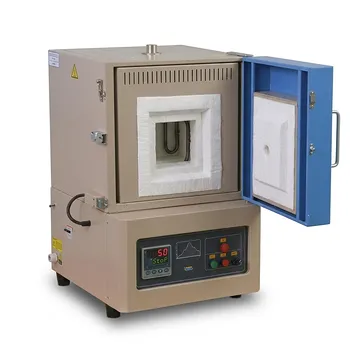
1800°C Bench Top Ultra High Temperature Muffle Furnace with Sapphire Observation Window and Top Feeding Port for Materials Research and Thermal Processing
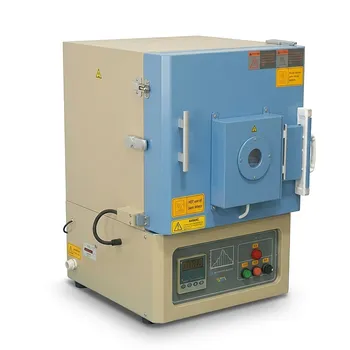
High Temperature Benchtop Muffle Furnace 1500C with 3.6L Chamber and Quartz Observation Window
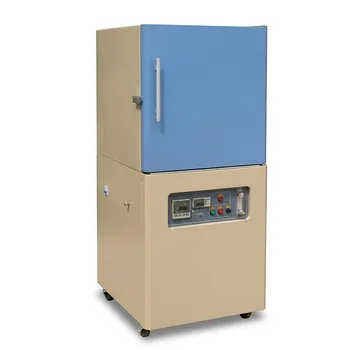
High Temperature Muffle Furnace with Dual Controllers and 36L Large Chamber 1700C Max
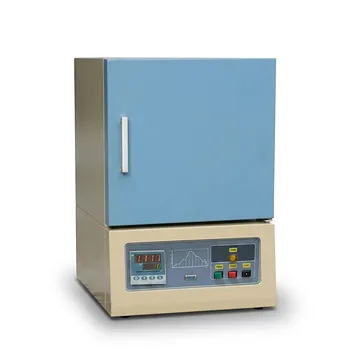
Ultra High Temperature Bench Top Muffle Furnace 1750C Sintering System with Kanthal Super Heating Elements and Precision Digital Control
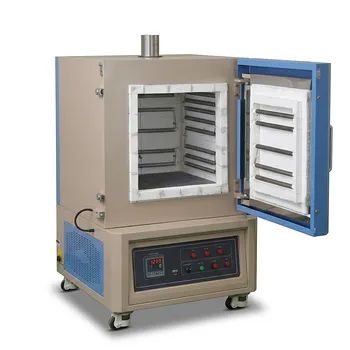
1200C High Temperature 125L Muffle Furnace 5 Side Heating for Large Batch Sintering with Optional Alloy Debinding Chamber
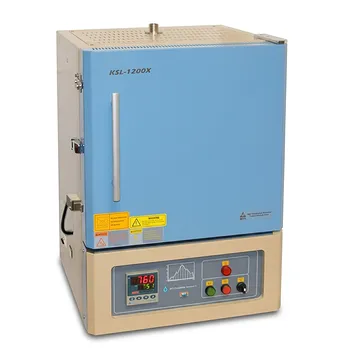
High Temperature 1200C Muffle Furnace 27L Volume 12x12x12 Chamber with Programmable PID Controller for Laboratory Material Science
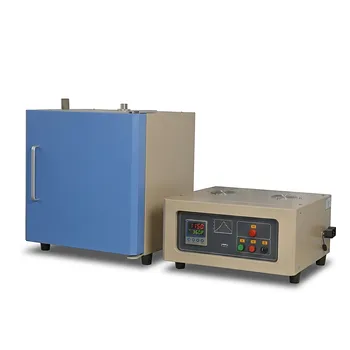
High Temperature Muffle Furnace with Alloy Chamber for Debinding and Sintering Applications
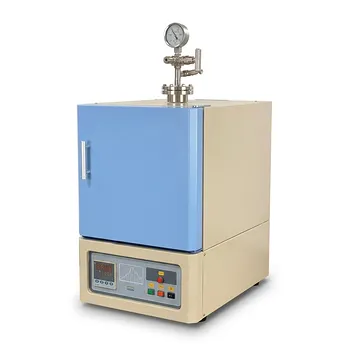
Hybrid High Temperature Muffle and Tube Furnace with 1500C Capability and Vacuum Flange Assembly
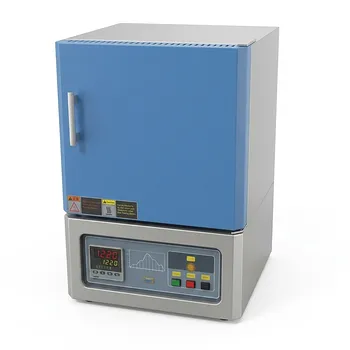
High Temperature Benchtop Muffle Furnace 1700C 10L Chamber Alumina Fiber Insulation MoSi2 Heating Elements
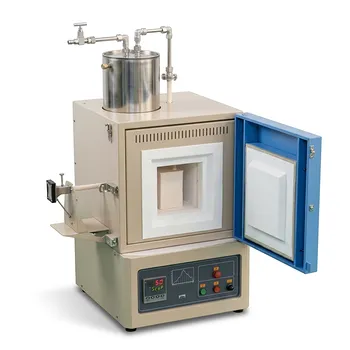
High Temperature Bench Top Muffle Furnace 1700C with Integrated Evaporating Particle Collection and 8x8x8 Alumina Fiber Chamber
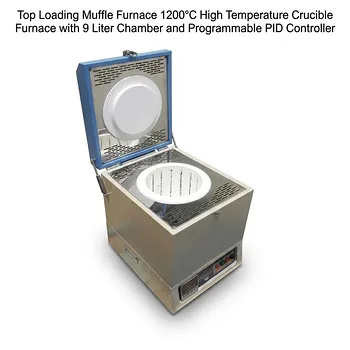
Top Loading Muffle Furnace 1200°C High Temperature Crucible Furnace with 9 Liter Chamber and Programmable PID Controller
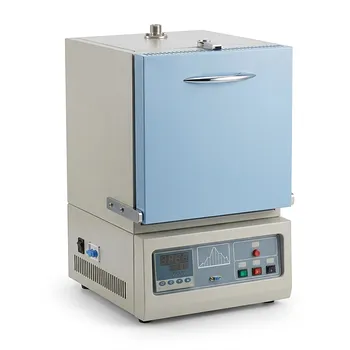
1750C Compact Muffle Furnace 1.7L Ultra High Temperature Laboratory Sintering System for Advanced Ceramics and Material Science Research
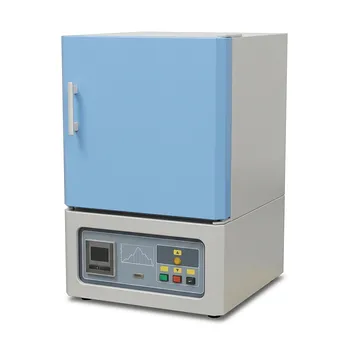
1800C Bench Top Muffle Furnace with Kanthal Super 1900 Heating Elements and 3.6L Alumina Fiber Chamber