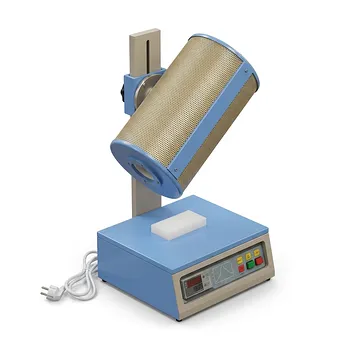
What is the role of a laboratory high-temperature electric oven in the post-treatment of HAPnws? Optimizing Bonding
Updated 3 months ago
The primary role of a laboratory high-temperature electric oven in the post-treatment of hydroxyapatite nanowires (HAPnws) is to execute a precise drying phase at 60°C. This process follows the washing of the material with ethanol and deionized water to ensure the complete removal of residual liquids. By achieving a dry state, the nanowires are effectively prepared for optimal integration into polymer matrices.
Core Takeaway: Proper drying in a high-temperature oven is essential for removing surface solvents that would otherwise hinder the interface between HAPnws and polymers. This step is the catalyst for superior wetting and physical entanglement, ensuring the final composite material operates at peak structural integrity.
The Impact of Solvent Removal on Material Quality
Eliminating Residual Ethanol and Water
After the synthesis and washing of HAPnws, the material is saturated with ethanol and deionized water. The oven provides a controlled environment to evaporate these solvents completely from the nanowire surfaces.
Preparing the Surface for Interaction
A clean, dry surface is a prerequisite for any subsequent chemical or physical processing. If solvents remain, they can act as a barrier, preventing the nanowires from making direct contact with other materials.
Enhancing the Interface for Polymer Compounding
Optimizing Material Wetting
"Wetting" refers to the ability of a liquid—in this case, a polymer matrix—to maintain contact with the solid nanowire surface. By removing residual solvents in the oven, you ensure that the polymer can flow evenly over the HAPnws, creating a stronger bond.
Promoting Physical Entanglement
For a composite material to be strong, the nanowires must become physically entangled within the polymer chains. Dry nanowires allow for a more intimate mechanical "grip," which is significantly compromised if a layer of moisture or alcohol is present.
Understanding the Trade-offs and Limitations
The Risk of Residual Moisture
If the drying temperature or duration is insufficient, micropockets of solvent may remain. These pockets can cause voids in the final polymer composite, leading to structural weak points or premature material failure.
Temperature Sensitivity
While these are "high-temperature" ovens, the specific setting of 60°C is used to balance speed and material stability. Exceeding recommended temperatures could potentially alter the surface chemistry of the nanowires or cause undesirable agglomeration.
How to Apply This to Your Project
When integrating HAPnws into your specific research or manufacturing workflow, consider the following strategic guidelines:
- If your primary focus is mechanical strength: Ensure the drying time in the oven is sufficient to reach a constant mass, as even trace moisture prevents the physical entanglement required for load-bearing applications.
- If your primary focus is polymer compatibility: Verify that all ethanol has been removed, as residual alcohols can chemically interfere with the curing process of many common polymer matrices.
- If your primary focus is process scalability: Use a calibrated high-temperature oven with uniform airflow to ensure that large batches of HAPnws dry at an identical rate, maintaining consistency across the entire sample.
Mastering the drying phase transforms HAPnws from a raw, washed solid into a high-performance additive ready for sophisticated material engineering.
Summary Table:
| Process Phase | Key Action | Material Impact |
|---|---|---|
| Solvent Removal | Drying at 60°C | Eliminates ethanol and water residuals that act as barriers. |
| Surface Preparation | Precise Temperature Control | Ensures a clean interface for uniform polymer flow (wetting). |
| Structural Bonding | Constant Mass Attainment | Promotes intimate physical entanglement for superior strength. |
| Quality Assurance | Uniform Airflow | Prevents undesirable agglomeration and ensures batch consistency. |
Advance Your Material Science Research with THERMUNITS
Precision in the post-treatment phase is critical for the structural integrity of advanced composites. THERMUNITS is a leading manufacturer of high-performance thermal processing solutions designed for the rigorous demands of material science and industrial R&D.
Our equipment provides the precise temperature control and heating uniformity required to transform raw hydroxyapatite nanowires into high-performance additives. Whether you are drying, sintering, or conducting complex chemical vapor deposition, we offer a comprehensive range of solutions including:
- Furnaces: Muffle, Vacuum, Atmosphere, Tube, Rotary, and Hot Press Furnaces.
- Advanced Systems: CVD/PECVD Systems, Vacuum Induction Melting (VIM), and Electric Rotary Kilns.
- Specialized Equipment: Dental Furnaces, Thermal Elements, and custom heat treatment tools.
Ready to optimize your laboratory workflow? Contact THERMUNITS Today to discuss your specific heat treatment requirements and discover how our expertise can enhance your research outcomes.
References
- Pan Huang, Hongbo Zeng. Highly Robust, Compressible, Anisotropic, and Fire-Retardant Polyimide/Hydroxyapatite Nanowires/Reduced Graphene Oxide Aerogel for Rapid Adsorption of Viscous Oil Assisted by Sunlight. DOI: 10.34133/research.0512
Mentioned Products
- Multi Position Tube Furnace 1100C for Laboratory Material Research and Advanced Industrial Thermal Processing
- High Temperature Mini Induction Heating Furnace 1600C Laboratory Material Melting System
- 1200°C High Temperature Muffle Furnace 19L Chamber with 50 Segment Programmable Controller
- 1750C Bench Top Muffle Furnace 3.6L High Grade Molybdenum Disilicide Heating Elements Laboratory Heat Treatment Equipment
- High Temperature Benchtop Muffle Furnace 1500C with 3.6L Chamber and Quartz Observation Window
People Also Ask
- Why use a tube furnace for oxygen annealing LaCrO3/LaMnO3? Optimize Phase Transition & Magnetic Performance.
- What key role does a laboratory high-temperature tube furnace play in the production of carbon nanofibers? Guide
- How is a laboratory high-temperature tube furnace utilized to research the products of aluminothermic reduction? Advanced Metallurgical Solutions
- What is the role of a laboratory tube furnace in the carbonization process of porous carbon foam (PCF)? Master 3D Synthesis
- What role does a laboratory tube furnace play in the pyrolysis and carbonization of biomass? Optimize Thermal Research.

Tech Team · ThermUnits
Last updated on Jun 03, 2026
Related Products
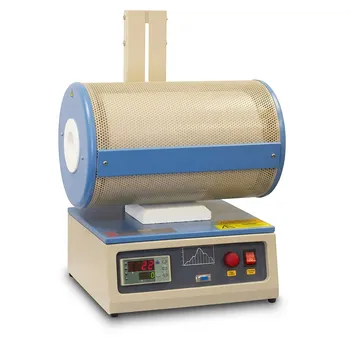
Multi Position Tube Furnace 1100C for Laboratory Material Research and Advanced Industrial Thermal Processing
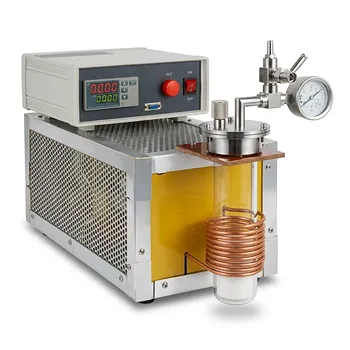
High Temperature Mini Induction Heating Furnace 1600C Laboratory Material Melting System
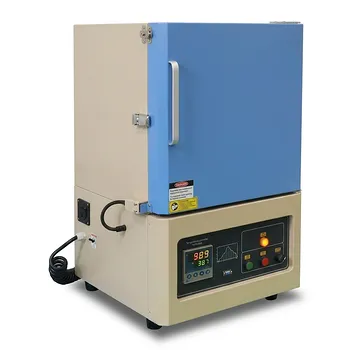
1200°C High Temperature Muffle Furnace 19L Chamber with 50 Segment Programmable Controller
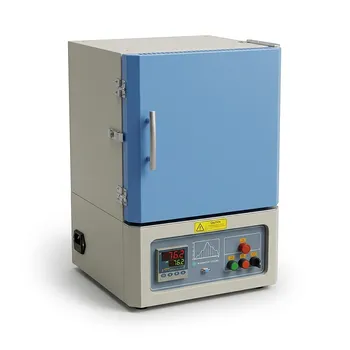
1750C Bench Top Muffle Furnace 3.6L High Grade Molybdenum Disilicide Heating Elements Laboratory Heat Treatment Equipment
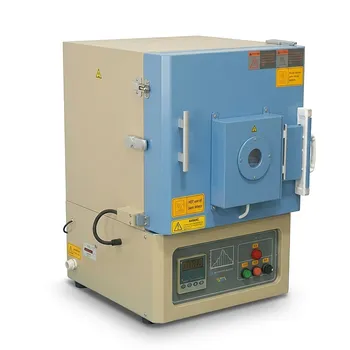
High Temperature Benchtop Muffle Furnace 1500C with 3.6L Chamber and Quartz Observation Window
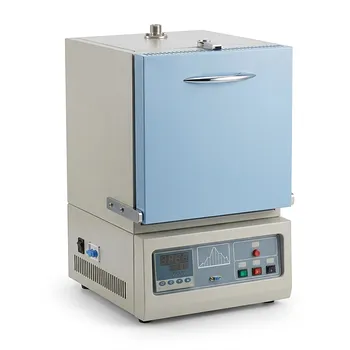
1750C Compact Muffle Furnace 1.7L Ultra High Temperature Laboratory Sintering System for Advanced Ceramics and Material Science Research
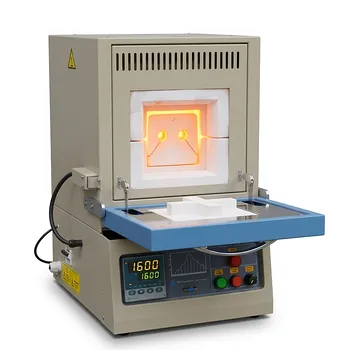
High Temperature Compact Muffle Furnace 1700 C with 30 Segment Programmable Controller and 1.7L Cubic Chamber
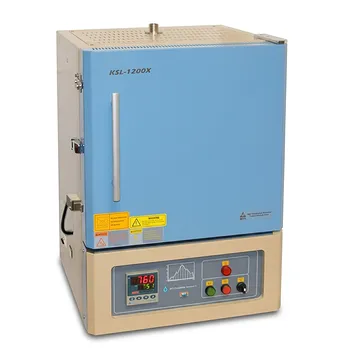
High Temperature 1200C Muffle Furnace 27L Volume 12x12x12 Chamber with Programmable PID Controller for Laboratory Material Science
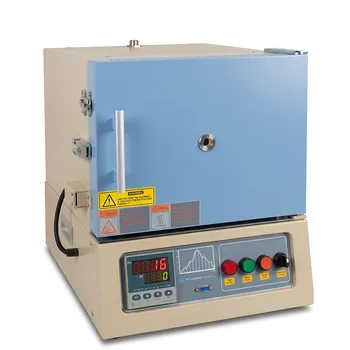
1200C Muffle Furnace 12x8x5 7.2L Heating Chamber with Quartz Observation Window and Vent Port
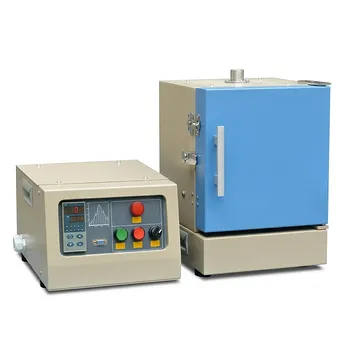
1200C Small Box Muffle Furnace with Separated Programmable Controller and 4.2L Alumina Fiber Chamber
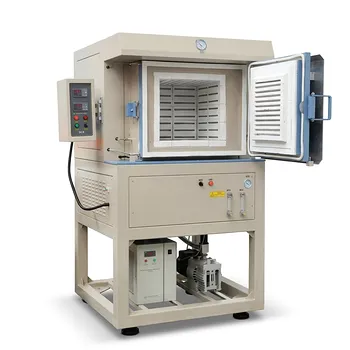
1200°C Five Side Heating Atmosphere Controlled Muffle Furnace 64 Liter High Uniformity Box Furnace for Material Synthesis
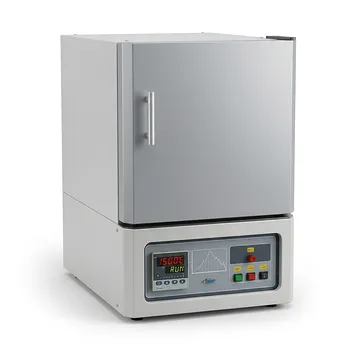
High Temperature 1500C Benchtop Muffle Furnace 3.6L Alumina Fiber Chamber Programmable Controller Sintering Annealing Carbonization Thermal Processing System
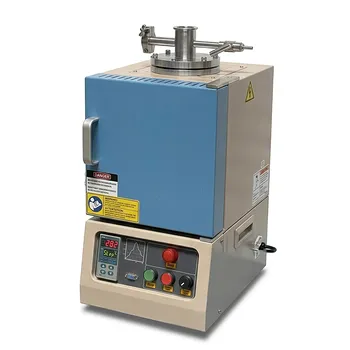
High Temperature Hybrid Muffle and Tube Furnace with Vacuum Capability and PID Control
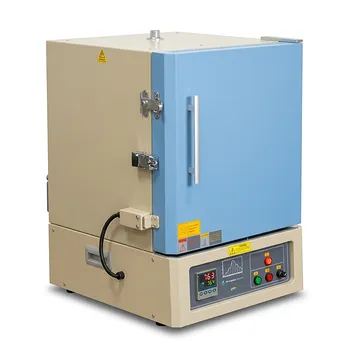
Large Capacity 1200C Muffle Furnace 64 Liter Chamber with Digital PID Controller and Built In Venting Port

High Vacuum Compact Tube Furnace 1200C with Integrated Turbo Pump System and 8 Inch Heating Zone
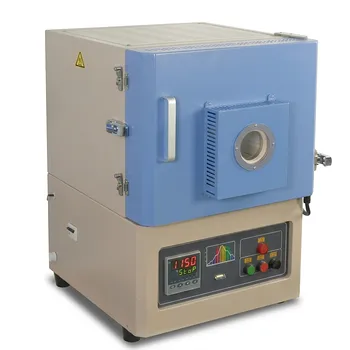
High Temperature Benchtop Muffle Furnace with Quartz Observation Window for Thermal Imaging and Material Analysis
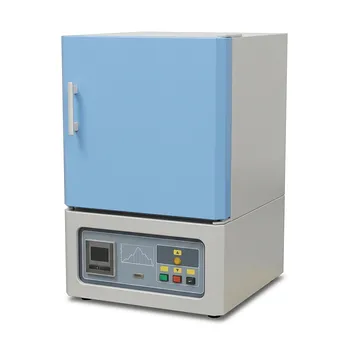
1800C Bench Top Muffle Furnace with Kanthal Super 1900 Heating Elements and 3.6L Alumina Fiber Chamber
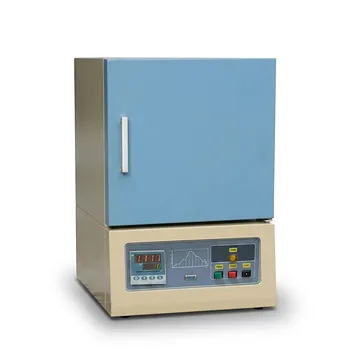
Ultra High Temperature Bench Top Muffle Furnace 1750C Sintering System with Kanthal Super Heating Elements and Precision Digital Control
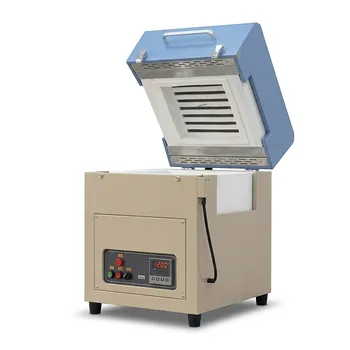
1200 C Maximum Three Sided Heating Top Loading Furnace with 12 x 12 x 8 Inch Chamber for Solid Oxide Fuel Cell Testing and High Temperature RD