How is a laboratory high-temperature tube furnace utilized to research the products of aluminothermic reduction? Advanced Metallurgical Solutions
Updated 3 months ago
The laboratory high-temperature tube furnace acts as a precision thermal reactor that enables researchers to simulate the extreme metallurgical environments required for aluminothermic reduction. By heating pre-blocks or powder mixtures to temperatures as high as 1600°C, the furnace facilitates the redox reaction between aluminum and various metal oxides. This controlled environment allows for the subsequent identification of complex phases and the study of how elements transition into a soluble alloy state.
Core Takeaway: A high-temperature tube furnace provides the stable thermal field and controlled atmosphere necessary to drive aluminothermic reactions to completion, allowing researchers to perform offline phase analysis and optimize the alloying process for high-performance materials.
Simulating Extreme Metallurgical Conditions
Replicating Steelmaking Temperatures
The primary utility of the tube furnace is its ability to reach and maintain steady temperatures up to 1600°C. This capability is critical for simulating the high-temperature environment of industrial steelmaking and other heavy metallurgical processes.
Without this level of thermal intensity, the aluminothermic reduction—where aluminum powder captures oxygen from metal oxides—would remain incomplete or fail to initiate.
Controlling the Reaction Atmosphere
Beyond raw heat, the tube furnace allows for a precisely controlled atmosphere, such as vacuum, inert gases (Argon/Nitrogen), or reactive gases like Hydrogen.
These atmospheres prevent unwanted oxidation of the resulting alloys and can be used to induce specific properties, such as creating oxygen vacancies in materials like black titanium dioxide.
Analyzing Phase Transitions and Microscopic Mechanisms
Facilitating Offline Phase Analysis
Once the heat treatment is complete, researchers use the furnace's controlled cooling to preserve the reaction products. These samples then undergo X-ray diffraction (XRD) to identify specific phases like LaC2 or LaAlO3.
This analysis reveals the microscopic mechanism by which rare earth elements transition from a graphite-loaded state to a soluble alloy state. Understanding these transitions is the "holy grail" for researchers looking to improve the efficiency of alloying.
Synthesizing Multi-Component Alloys
The furnace serves as the essential thermal processing equipment for the simultaneous reduction of multi-component metal elements.
Researchers can move niobium, titanium, vanadium, and zirconium from their oxide states into a unified metallic alloy state by precisely regulating the heating rate and holding time.
Understanding the Trade-offs and Limitations
Thermal Gradient Challenges
While the furnace provides a stable thermal field, the center of the tube is often significantly hotter than the ends. This thermal gradient can lead to non-uniform reduction if the samples are not positioned perfectly within the "sweet spot" of the furnace.
Material Compatibility and Contamination
High-temperature reactions involve aggressive molten salts or reactive aluminum vapors that can degrade the reaction tube. While high-purity alumina tubes offer excellent thermal shock stability and chemical inertness, they can still be compromised by certain fluxing agents or extreme temperature cycling.
Scale Limitations
Laboratory tube furnaces are designed for small-batch research rather than industrial production. The results observed at the gram-scale in a tube furnace may not always translate directly to large-scale industrial ladles due to differences in surface-area-to-volume ratios and heat dissipation.
How to Apply This to Your Research Project
To achieve the most accurate results in aluminothermic reduction research, your approach should vary based on your specific material goals.
- If your primary focus is Rare Earth Alloying: Use a high-purity alumina tube at 1600°C and utilize XRD to track the transition of elements like Lanthanum from graphite to alloy forms.
- If your primary focus is Catalyst Activation: Employ a controlled H2/N2 atmosphere at lower temperatures (400°C–420°C) to reduce metal oxides into active zero-valent centers.
- If your primary focus is Multi-Component Alloys: Carefully regulate the heating rates and holding times to ensure all oxides (Nb, Ti, V, Zr) reach the liquid molten salt state simultaneously for a uniform alloy.
By mastering the thermal and atmospheric variables of the tube furnace, researchers can unlock the theoretical basis needed to optimize industrial-scale alloying and material synthesis.
Summary Table:
| Key Feature | Research Application | Benefit |
|---|---|---|
| High Temp (1600°C) | Simulating steelmaking & redox | Drives complete aluminothermic reduction |
| Atmosphere Control | Vacuum, Argon, Hydrogen (H2/N2) | Prevents oxidation & creates chemical vacancies |
| Thermal Stability | Consistent heating of mixtures | Facilitates reproducible phase transitions |
| Phase Preservation | Controlled cooling for XRD analysis | Enables identification of complex metal phases |
| Versatile Processing | Synthesis of multi-component alloys | Optimizes alloying for Nb, Ti, V, and Zr |
Optimize Your Research with THERMUNITS High-Temperature Solutions
Elevate your metallurgical research and industrial R&D with THERMUNITS, a leading manufacturer of precision high-temperature laboratory equipment. Our expert thermal solutions are designed to meet the rigorous demands of material science, providing the stability and control necessary for complex processes like aluminothermic reduction.
Our Comprehensive Product Range Includes:
- Furnaces: Muffle, Vacuum, Atmosphere, Tube, Rotary, and Hot Press Furnaces.
- Advanced Systems: CVD/PECVD systems, Vacuum Induction Melting (VIM) furnaces, and Dental Furnaces.
- Industrial & Lab Equipment: Electric rotary kilns, Thermal Elements, and specialized heat treatment tools.
Whether you need to replicate extreme steelmaking conditions or synthesize next-generation alloys, THERMUNITS delivers the reliability your work deserves. Contact us today to discuss your project requirements and discover how our thermal processing expertise can drive your innovation forward!
References
- Yubao Liu, Xiao Wang. Study on Direct Alloying Behavior of Lanthanum in Pure Iron Based on the Graphite Oxide Adsorbing. DOI: 10.3724/s1004-0277.202403004
Mentioned Products
- 1800C High Temperature Compact Vacuum Tube Furnace with 60mm OD Alumina Tube and Kanthal MoSi2 Heating Elements
- High Temperature 1200C Split Tube Furnace with Hinged Vacuum Flanges and 4 Inch Quartz Tube for Laboratory Research
- High Temperature Automated 5 Inch Tube Furnace for Autonomous Material Research and Advanced Laboratory R&D
- Ten Zone Multi Orientation Laboratory Tube Furnace for 1200C High Temperature Gradient Thermal Processing
- 1700C High Temperature Alumina Tube Furnace with 18 Inch Heated Zone and Vacuum Sealing Flanges
People Also Ask
- What core functions does a high-temperature vacuum tube furnace provide? Optimize np-CuSn Sintering & Joint Integrity
- What is the primary function of a high-temperature tube furnace in Cu1-N-C synthesis? Precision Thermal Control.
- What impact does the heating rate of a tube furnace have on biochar microstructure? Optimize Your Material R&D.
- Role of Tube Furnace in KNNLST Ceramic Synthesis: Achieve High Phase Purity and Thermal Uniformity
- What is the role of a high-temperature tube furnace in the preparation of S-C3N4? Master Precision Material Synthesis

Tech Team · ThermUnits
Last updated on Jun 02, 2026
Related Products

1800C High Temperature Compact Vacuum Tube Furnace with 60mm OD Alumina Tube and Kanthal MoSi2 Heating Elements
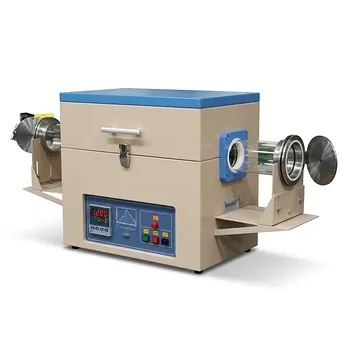
High Temperature 1200C Split Tube Furnace with Hinged Vacuum Flanges and 4 Inch Quartz Tube for Laboratory Research

High Temperature Automated 5 Inch Tube Furnace for Autonomous Material Research and Advanced Laboratory R&D
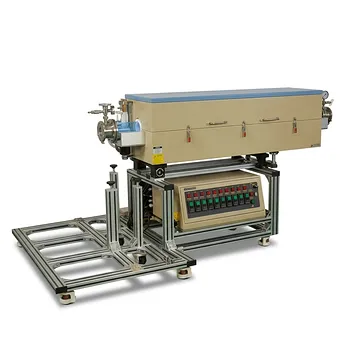
Ten Zone Multi Orientation Laboratory Tube Furnace for 1200C High Temperature Gradient Thermal Processing
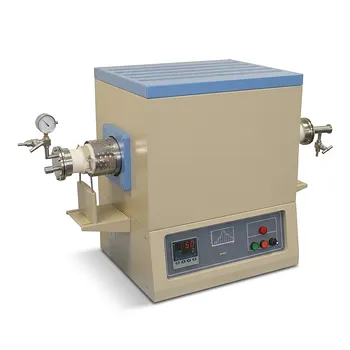
1700C High Temperature Alumina Tube Furnace with 18 Inch Heated Zone and Vacuum Sealing Flanges
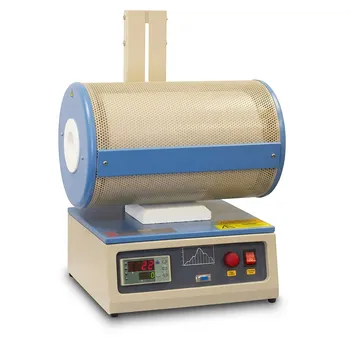
Multi Position Tube Furnace 1100C for Laboratory Material Research and Advanced Industrial Thermal Processing
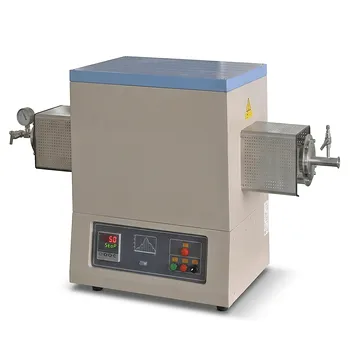
High Temperature 1700C Tube Furnace with 4 Inch OD Alumina Tube and Vacuum Sealing Flanges
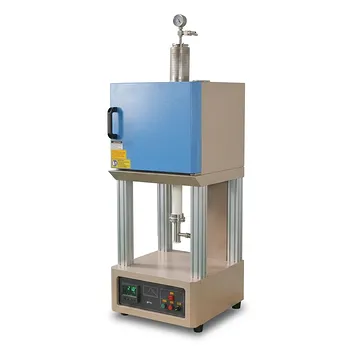
Hybrid High Temperature Tube and Box Furnace 1700C with 2 Inch Alumina Tube for Material Research
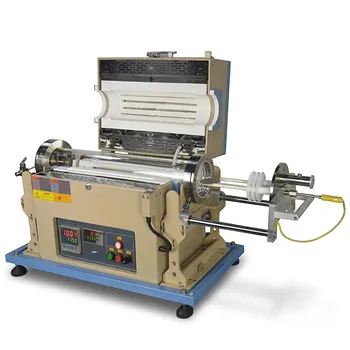
1200°C High Temperature 4 Inch Tube Furnace with Sliding Flange for CVD Systems
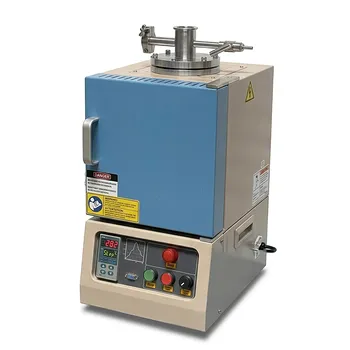
High Temperature Hybrid Muffle and Tube Furnace with Vacuum Capability and PID Control

High Temperature 1700C Tube Furnace with High Vacuum Turbomolecular Pump System and Multi Channel Mass Flow Controller Gas Mixer
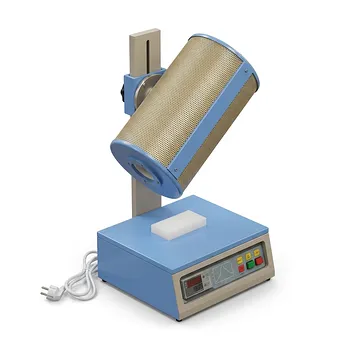
1100°C Vertical Laboratory Furnace for DIY Tubular Reactors with PID Temperature Controller

High Temperature Tube Furnace 1500C with Sliding Flanges and 50mm OD for Rapid Thermal Processing Fast Heating and Cooling

1750°C High Temperature Benchtop Vacuum Atmosphere Tube Furnace with Kanthal Super 1800 Heating Elements and 60mm Alumina Processing Tube
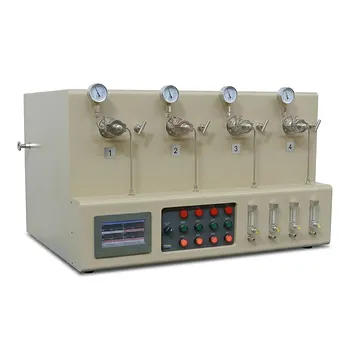
High Temperature 1700C 4 Channel Tube Furnace 1 Inch Alumina Tube for Hi-Throughput Annealing

High Temperature 1700C Benchtop Tube Furnace with 5 Inch Heating Zone High Purity Alumina Tube and Vacuum Sealing Flanges

High Temperature 1700C Vertical Tube Furnace for Powder Spherification and Material Sintering
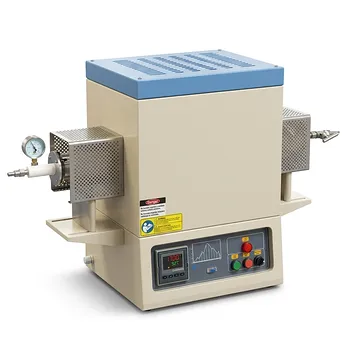
High Temperature Three Zone Tube Furnace 1700C with Alumina Tube and Water Cooled Flanges
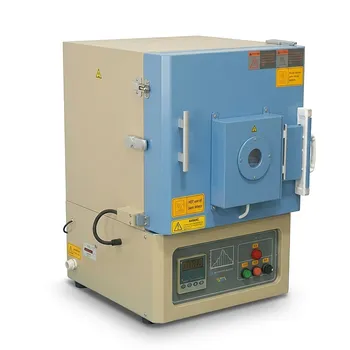
High Temperature Benchtop Muffle Furnace 1500C with 3.6L Chamber and Quartz Observation Window