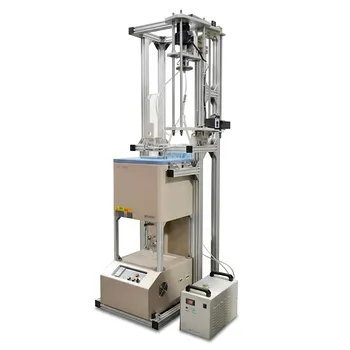
What is the significance of a Vacuum Induction Melting (VIM) furnace? Achieve High-Purity Alloys & Ceramics
Updated 3 months ago
The Vacuum Induction Melting (VIM) furnace is the cornerstone of high-purity material synthesis. It integrates electromagnetic induction heating with a high-vacuum environment to melt metals and ceramics while simultaneously refining them. By eliminating atmospheric contamination and facilitating deep degassing, the VIM furnace ensures that alloy compositions are precise, uniform, and free from the inclusions that compromise performance in critical applications.
The VIM furnace is essential for creating high-performance materials because it provides a contamination-free environment that removes dissolved gases and volatile impurities while ensuring a perfectly homogeneous melt through electromagnetic stirring.
Superior Purification and Gas Removal
Deep Degassing of the Melt
The vacuum environment significantly lowers the partial pressure above the melt, allowing dissolved gases like oxygen, nitrogen, and hydrogen to escape the liquid metal. This process is vital for preventing internal voids and brittleness, ensuring the material can withstand extreme mechanical stress without failing.
Elimination of Volatile Impurities
Harmful impurities with high vapor pressures are evaporated and removed during the melting process. This results in an ultra-pure matrix that is significantly cleaner than materials processed in open-air or basic inert-gas furnaces, which is critical for semiconductor-grade materials.
Reduction of Non-Metallic Inclusions
By operating in a vacuum, the furnace prevents the formation of oxides and nitrides that typically occur in the presence of air. This reduction in non-metallic inclusions directly translates to improved fatigue strength, toughness, and corrosion resistance in the final product.
Precise Compositional Control and Homogeneity
Protection of Active Elements
Because the process occurs in a vacuum, active metallic elements such as titanium, aluminum, or zirconium are protected from oxidation. This allows metallurgical engineers to hit exact chemical specifications and prevents the loss of expensive or critical components to slag.
Natural Electromagnetic Stirring
The induction currents used to heat the material naturally create a stirring motion within the liquid pool. This electromagnetic stirring ensures that alloying elements are distributed with perfect uniformity, eliminating local concentration gradients that could lead to material weak points.
Uniform Heating and Efficiency
Induction heating provides high thermal efficiency by generating heat directly within the material itself. This results in rapid melting and temperature uniformity, which is essential for maintaining the stability of complex functional ceramic precursors and specialty alloys.
Understanding the Trade-offs and Challenges
Selective Evaporation Risks
While the vacuum effectively removes impurities, it can also cause the unintentional loss of desired alloying elements that have high vapor pressures. Operators must precisely control the vacuum levels and melt duration to balance purification against the loss of necessary components like manganese or chromium.
Crucible Interaction and Contamination
Even in a vacuum, the melt is in contact with the furnace lining or crucible. At high temperatures, the melt may react with the refractory materials, potentially introducing ceramic inclusions or oxygen back into the purified alloy.
High Capital and Operational Costs
VIM systems require sophisticated vacuum pumping arrays and specialized cooling systems, making them significantly more expensive to operate than atmospheric furnaces. The process is generally reserved for high-value materials where purity is the primary performance driver.
Applying VIM Technology to Your Project
Making the Right Choice for Your Goal
- If your primary focus is Aerospace-Grade Superalloys: Utilize VIM to ensure the deep removal of hydrogen and nitrogen, which is critical for meeting strict fatigue performance requirements in extreme environments.
- If your primary focus is Semiconductor or Electronic Materials: Leverage the high-vacuum environment to achieve ultra-high purity levels and eliminate volatile trace elements that interfere with electrical properties.
- If your primary focus is Functional Ceramic Precursors: Use the VIM process to achieve high microstructural density and uniform composition, ensuring stable mechanical and chemical performance.
- If your primary focus is Protecting Active Elements: Rely on the vacuum environment to prevent the oxidative loss of reactive metals, allowing for precise control over complex alloy chemistries.
The VIM furnace remains the definitive tool for any application where the mechanical integrity and chemical purity of a material cannot be compromised.
Summary Table:
| Key Feature | Functional Benefit | Primary Application |
|---|---|---|
| Deep Degassing | Removes O, N, and H to prevent brittleness | Aerospace Superalloys |
| Electromagnetic Stirring | Ensures perfect chemical homogeneity | Functional Ceramic Precursors |
| Vacuum Environment | Protects reactive elements (Ti, Al, Zr) | Electronic & Semiconductor Materials |
| Selective Purification | Evaporates volatile impurities for ultra-purity | High-Performance Specialty Alloys |
Elevate Your Material Research with THERMUNITS Precision
Are you looking to achieve unparalleled purity and precision in your material synthesis? THERMUNITS is a leading manufacturer of high-temperature laboratory equipment, dedicated to supporting material science and industrial R&D. We provide high-performance thermal processing solutions tailored to your specific needs.
Our comprehensive product range includes:
- Advanced Melting: Vacuum Induction Melting (VIM) and Vacuum Induction Melting Furnaces.
- Specialized Furnaces: Muffle, Vacuum, Atmosphere, Tube, Rotary, and Hot Press Furnaces.
- Thin Film & Deposition: CVD/PECVD Systems.
- Industrial & Dental: Dental Furnaces and Electric Rotary Kilns.
- Components: High-quality Thermal Elements and lab heat treatment accessories.
Whether you are developing next-generation aerospace alloys or high-density functional ceramics, our engineering expertise ensures your success.
Ready to optimize your lab’s thermal capabilities?
Contact our technical experts today!
References
- Yan Li, Chunmei Li. Fabrication of Hierarchically Porous “Fish Cage”‐like Carbonaceous Nanomaterials via Soft Template‐assisted Strategy for Cr Removal: Accelerated Stepped Adsorption and Enhanced Coordination Effect. DOI: 10.1002/ejic.202400328
Mentioned Products
- 1900C Maximum High Temperature 7KW Vacuum Induction Melting System with 60mm Quartz Tube and Manual Temperature Control for Metallic Alloy Research
- Induction Melting Casting Furnace 1750C Vacuum High Frequency Metal Processing Unit
- Atmosphere Controlled Induction Melting Granulating Casting Furnace 1500C 5kg Capacity
- High Temperature Induction Melting System with Integrated Ultra High Purity Glove Box for Metallic Alloy Processing
- High Pressure 600T Vacuum Induction Hot Press Furnace for Advanced Material Heat Treatment and Sintering
People Also Ask
- What is the primary role of a Vacuum Induction Melting furnace in the smelting of Fe-Cr-N alloys? Ensuring High Purity
- How does a Vacuum Induction Melting furnace heat materials while preventing atmospheric contamination? Achieve High Purity
- What are the key structural components that make up a Vacuum Induction Melting (VIM) furnace system? Full Guide
- How does the skin effect influence VIM frequency selection? Optimize Heat Penetration & Stirring Efficiency
- What technical advantages does Vacuum Induction Melting offer regarding alloy homogeneity and purity? Enhance Performance

Tech Team · ThermUnits
Last updated on Jun 02, 2026
Related Products
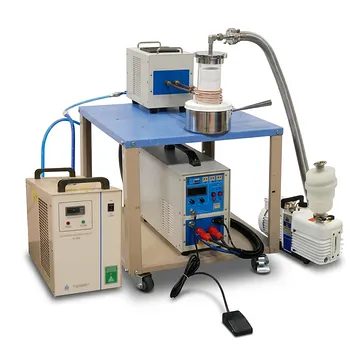
1900C Maximum High Temperature 7KW Vacuum Induction Melting System with 60mm Quartz Tube and Manual Temperature Control for Metallic Alloy Research
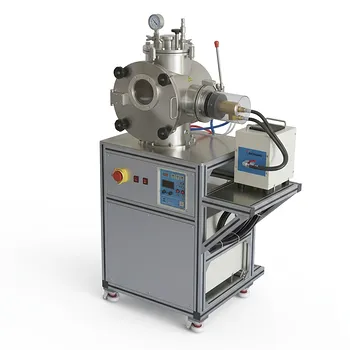
Induction Melting Casting Furnace 1750C Vacuum High Frequency Metal Processing Unit
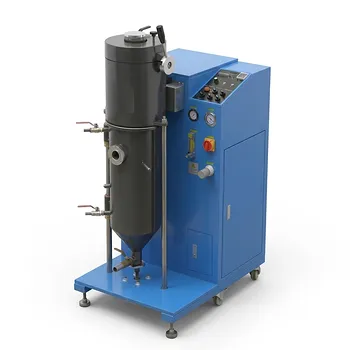
Atmosphere Controlled Induction Melting Granulating Casting Furnace 1500C 5kg Capacity
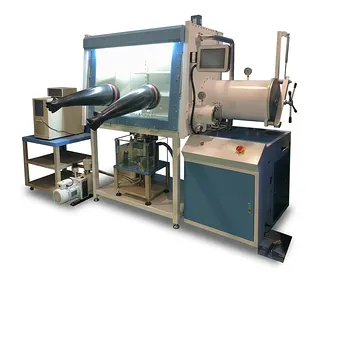
High Temperature Induction Melting System with Integrated Ultra High Purity Glove Box for Metallic Alloy Processing
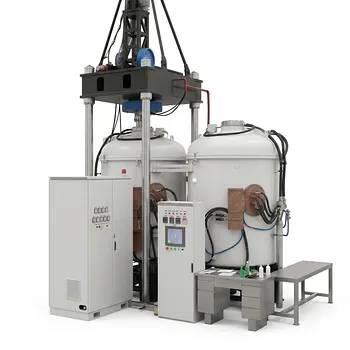
High Pressure 600T Vacuum Induction Hot Press Furnace for Advanced Material Heat Treatment and Sintering
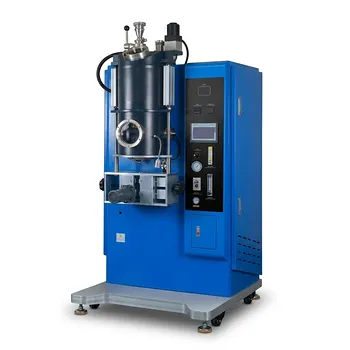
Atmosphere Controlled Continuous Casting Furnace with Secondary Charge Function for Induction Melting and Metal Alloy Wire Production
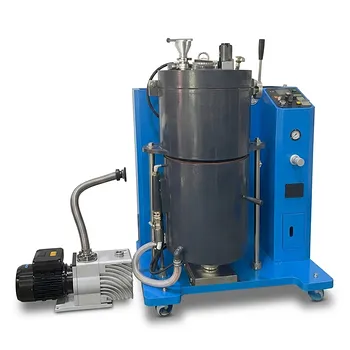
Atmosphere Controlled Induction Melting Casting System 1600C 10L Capacity
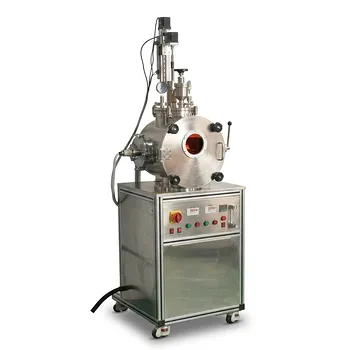
High Vacuum Melting Casting Furnace with Mechanical Stirring and Secondary Charge for Metallic Alloy Research
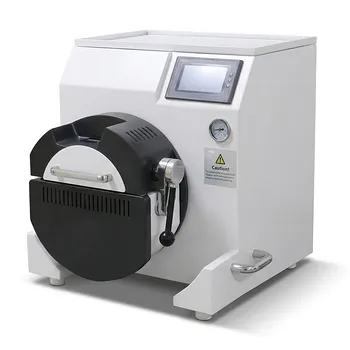
Desktop Induction Melting Furnace with Automatic Rotary Casting Function up to 1700C for Advanced Metal Alloy Research
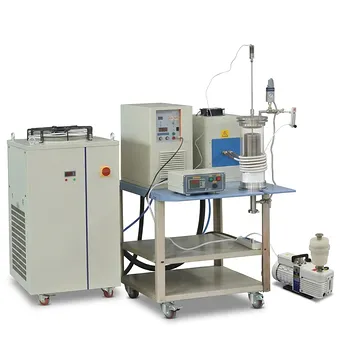
High Temperature Induction Melting System with Multi Cavity Crucible and 15KW Precision Digital Temperature Control
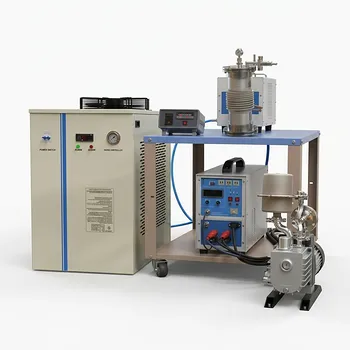
Induction Heating System with Temperature Control for High Temperature Vacuum Sintering and Melting
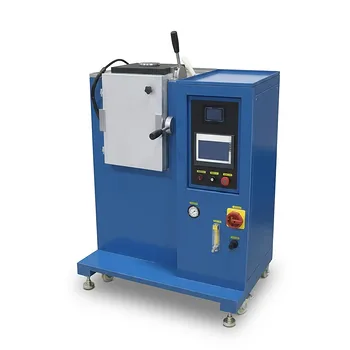
High Throughput Induction Melting and Casting Furnace for Superalloy Research 1700C Atmosphere Controlled Multi Sample System
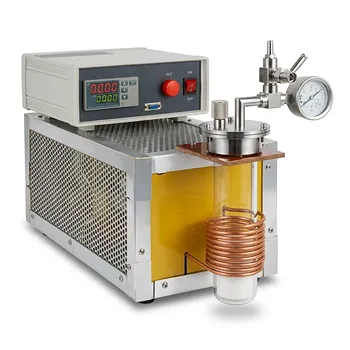
High Temperature Mini Induction Heating Furnace 1600C Laboratory Material Melting System
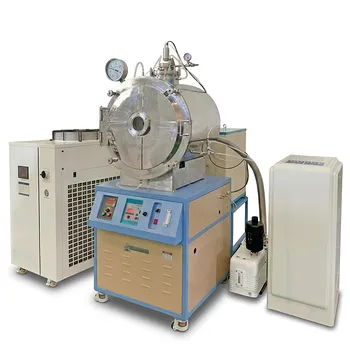
Ultra High Temperature Induction Heated Vacuum Furnace with Molten Salt Electrolysis Capability and 3000 Degree Precision Control
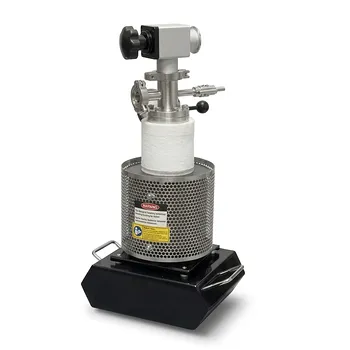
High Temperature 1100C Compact Top Loading Vertical Vacuum Tube Furnace for High Vacuum Noble Metal Melting and Material Research
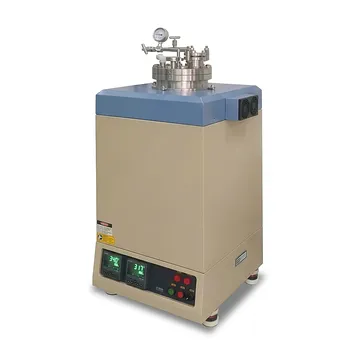
High Temperature 1000C Vacuum Furnace with 8 Inch ID Chamber for Material Sintering and Research Annealing
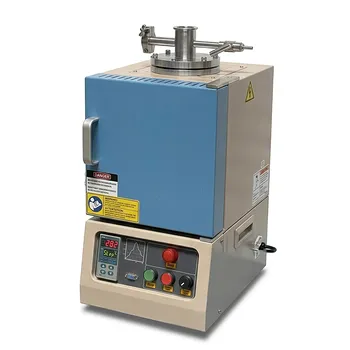
High Temperature Hybrid Muffle and Tube Furnace with Vacuum Capability and PID Control
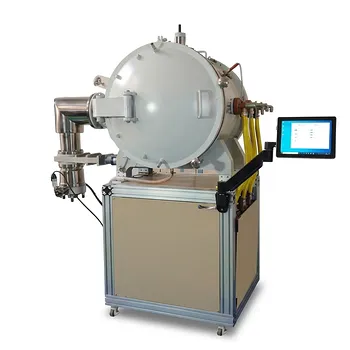
High Temperature Cold Wall Vacuum Furnace for Advanced Material Sintering and Annealing 1600C Heating Area 200x200x300mm
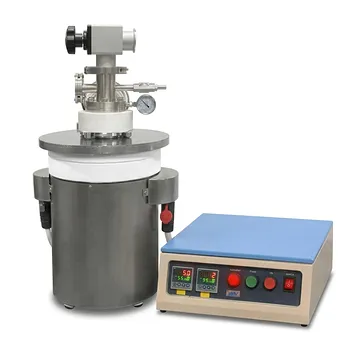
1100C High Temperature Vacuum Crucible Furnace with Quartz Chamber for Thermal Processing and Sintering