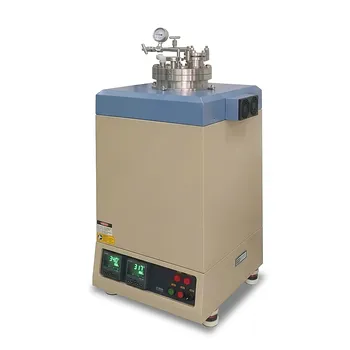
What is the significance of VIM furnaces for inert anodes? Achieve High-Purity Ni-Fe-Cu Alloy Production
Updated 6 months ago
The Vacuum Induction Melting (VIM) furnace is the definitive tool for producing the high-purity Ni-Fe-Cu alloys required for inert anodes. By integrating electromagnetic induction heating with a high-vacuum environment, the VIM furnace enables precise control over chemical composition while aggressively removing dissolved gases and impurities. This specialized process ensures that the resulting raw materials possess the exceptional mechanical strength and corrosion resistance necessary to survive the rigorous conditions of the electrolysis process.
Core Takeaway: VIM technology is essential for inert anode production because it eliminates atmospheric contamination and ensures chemical homogeneity, resulting in ultra-pure alloys that can withstand extreme electrolytic environments.
The Role of Vacuum in Material Purification
Effective Degassing of Dissolved Impurities
The primary advantage of the VIM furnace is its ability to operate under deep vacuum conditions, which facilitates the removal of dissolved gases. Oxygen, nitrogen, and hydrogen are extracted from the melt, preventing the formation of internal voids and inclusions that would otherwise weaken the alloy.
Preventing Oxidation of Active Elements
In a standard atmospheric melt, active metallic elements are highly susceptible to oxidative loss, which alters the intended alloy chemistry. The vacuum environment inhibits oxidation, ensuring that the critical ratios of Nickel, Iron, and Copper remain stable and meet exact specifications.
Removal of Volatile Contaminants
The low-pressure environment allows for the evaporation of harmful impurities with low vapor pressures. This purification process significantly improves the fatigue strength and toughness of the final material, which is critical for components used in high-stress industrial applications.
The Impact of Induction Heating and Stirring
Achieving Chemical Homogeneity
VIM furnaces utilize alternating magnetic fields to generate induction currents, which produce an electromagnetic stirring effect. This constant motion ensures that the alloy elements are distributed perfectly throughout the melt, eliminating localized "pockets" of inconsistent composition.
Precision Composition Control
Because the heating is direct and highly controllable, operators can manage the temperature with extreme accuracy. This precision is vital for semiconductor-grade or specialty alloys where even a minor deviation in the Ni-Fe-Cu ratio could compromise the anode’s performance.
Enhancing Microstructural Density
The combination of rapid melting and controlled cooling under vacuum leads to a superior microstructural density. This dense grain structure is the foundation of the material’s ability to resist the chemical "attack" common in electrolysis.
Understanding the Technical Trade-offs
The Cost of Ultra-Purity
While VIM produces the highest quality alloys, it is a capital-intensive process compared to atmospheric induction or arc melting. The requirement for vacuum-tight chambers and specialized cooling systems increases both the initial investment and the operational complexity.
Volatilization of Desired Elements
In some cases, the vacuum can be "too effective," causing the unintended evaporation of certain alloying elements with high vapor pressures. Expert calibration is required to balance the removal of impurities with the retention of the necessary alloy components.
Applying VIM Technology to Your Production Goals
Recommendations for Implementation
The decision to utilize a VIM furnace should be driven by the specific performance requirements of your inert anodes and the environment in which they will operate.
- If your primary focus is Maximum Corrosion Resistance: Utilize the VIM’s degassing capabilities to ensure zero oxide inclusions, which act as "start points" for corrosion.
- If your primary focus is Precise Chemical Specification: Leverage the electromagnetic stirring effect to maintain tight tolerances in your Ni-Fe-Cu ratios across large production batches.
- If your primary focus is Mechanical Longevity: Prioritize the vacuum environment to maximize microstructural density and fatigue strength for high-stress electrolysis cycles.
By mastering the vacuum induction melting process, manufacturers can produce the high-performance alloy raw materials necessary to advance the efficiency and durability of modern inert anode technology.
Summary Table:
| Feature | Technical Benefit | Impact on Inert Anodes |
|---|---|---|
| Vacuum Degassing | Removes O2, N2, and H2 | Prevents internal voids and structural inclusions |
| Inert Environment | Inhibits oxidation of active metals | Maintains precise Ni-Fe-Cu chemical ratios |
| Induction Stirring | Ensures chemical homogeneity | Eliminates localized composition variations |
| Controlled Cooling | Enhances microstructural density | Boosts corrosion resistance and mechanical strength |
Elevate Your Material Research with THERMUNITS
At THERMUNITS, we specialize in providing high-precision thermal solutions for the most demanding material science and industrial R&D applications. As a leading manufacturer, our Vacuum Induction Melting (VIM) furnaces are engineered to deliver the ultra-high purity required for next-generation inert anode alloys.
Our comprehensive range of thermal processing solutions includes:
- Advanced Furnaces: Muffle, Vacuum, Atmosphere, Tube, Rotary, and Hot Press furnaces.
- Specialized Systems: CVD/PECVD systems, Dental Furnaces, Electric Rotary Kilns, and VIM units.
- Components: High-quality Thermal Elements and laboratory heat treatment accessories.
Ready to enhance your production efficiency and material durability? Contact our engineering team today to discuss your specific requirements and discover how THERMUNITS can empower your innovation.
References
- Kamaljeet Singh, Guðrún Sævarsdóttir. Overpotential on Oxygen-Evolving Platinum and Ni-Fe-Cu Anode for Low-Temperature Molten Fluoride Electrolytes. DOI: 10.1007/s11837-024-06425-5
Mentioned Products
- 1900C Maximum High Temperature 7KW Vacuum Induction Melting System with 60mm Quartz Tube and Manual Temperature Control for Metallic Alloy Research
- Induction Melting Casting Furnace 1750C Vacuum High Frequency Metal Processing Unit
- High Temperature Induction Melting System with Integrated Ultra High Purity Glove Box for Metallic Alloy Processing
- Atmosphere Controlled Continuous Casting Furnace with Secondary Charge Function for Induction Melting and Metal Alloy Wire Production
- High Vacuum Melting Casting Furnace with Mechanical Stirring and Secondary Charge for Metallic Alloy Research
People Also Ask
- What is the primary role of a Vacuum Induction Melting furnace in the smelting of Fe-Cr-N alloys? Ensuring High Purity
- How does a Vacuum Induction Melting furnace heat materials while preventing atmospheric contamination? Achieve High Purity
- What are the key structural components that make up a Vacuum Induction Melting (VIM) furnace system? Full Guide
- How does the skin effect influence VIM frequency selection? Optimize Heat Penetration & Stirring Efficiency
- What technical advantages does Vacuum Induction Melting offer regarding alloy homogeneity and purity? Enhance Performance

Tech Team · ThermUnits
Last updated on Apr 14, 2026
Related Products
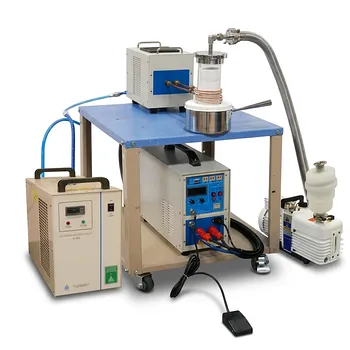
1900C Maximum High Temperature 7KW Vacuum Induction Melting System with 60mm Quartz Tube and Manual Temperature Control for Metallic Alloy Research
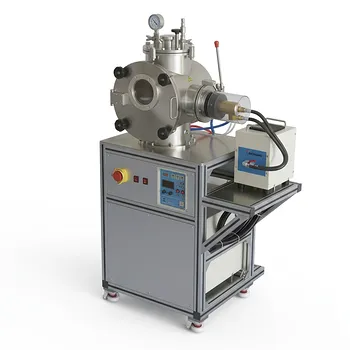
Induction Melting Casting Furnace 1750C Vacuum High Frequency Metal Processing Unit
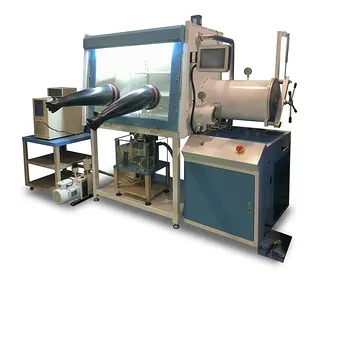
High Temperature Induction Melting System with Integrated Ultra High Purity Glove Box for Metallic Alloy Processing
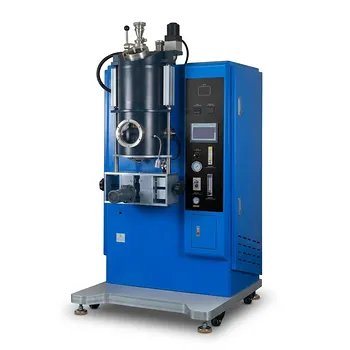
Atmosphere Controlled Continuous Casting Furnace with Secondary Charge Function for Induction Melting and Metal Alloy Wire Production
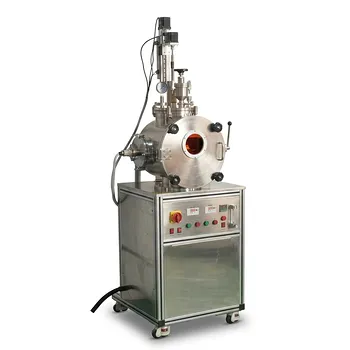
High Vacuum Melting Casting Furnace with Mechanical Stirring and Secondary Charge for Metallic Alloy Research
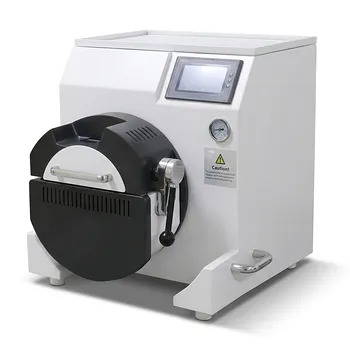
Desktop Induction Melting Furnace with Automatic Rotary Casting Function up to 1700C for Advanced Metal Alloy Research
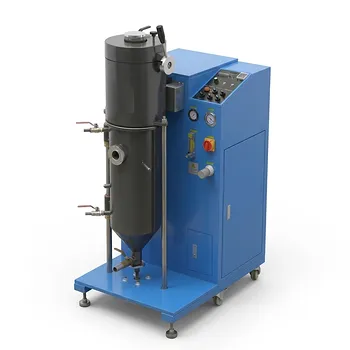
Atmosphere Controlled Induction Melting Granulating Casting Furnace 1500C 5kg Capacity
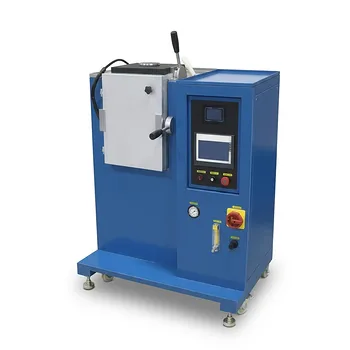
High Throughput Induction Melting and Casting Furnace for Superalloy Research 1700C Atmosphere Controlled Multi Sample System
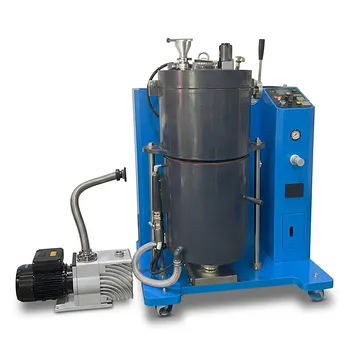
Atmosphere Controlled Induction Melting Casting System 1600C 10L Capacity
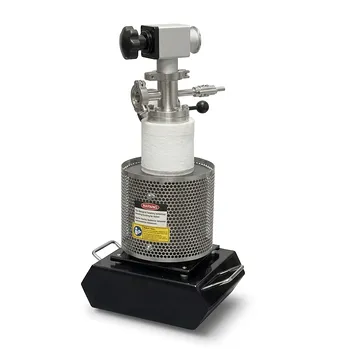
High Temperature 1100C Compact Top Loading Vertical Vacuum Tube Furnace for High Vacuum Noble Metal Melting and Material Research
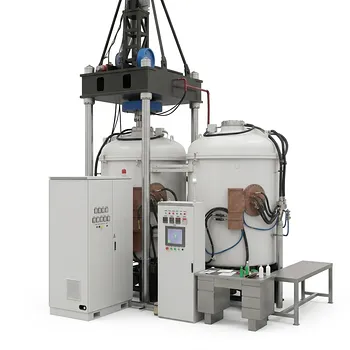
High Pressure 600T Vacuum Induction Hot Press Furnace for Advanced Material Heat Treatment and Sintering
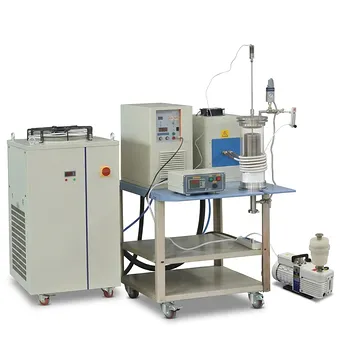
High Temperature Induction Melting System with Multi Cavity Crucible and 15KW Precision Digital Temperature Control
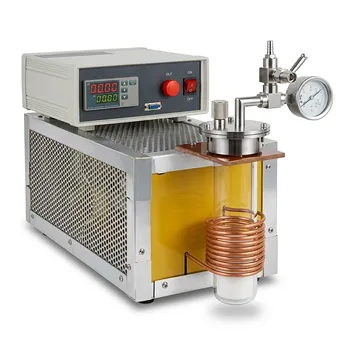
High Temperature Mini Induction Heating Furnace 1600C Laboratory Material Melting System
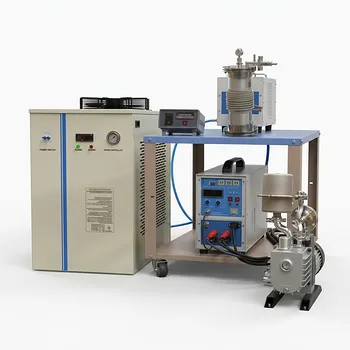
Induction Heating System with Temperature Control for High Temperature Vacuum Sintering and Melting
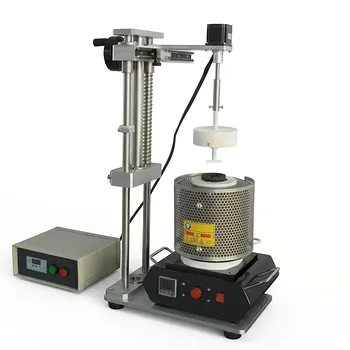
1100C Crucible Melting Furnace with Stirring Function for Glovebox and Air Sensitive Alloy Research
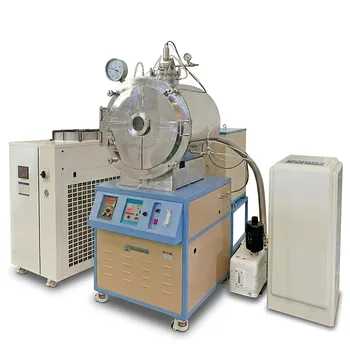
Ultra High Temperature Induction Heated Vacuum Furnace with Molten Salt Electrolysis Capability and 3000 Degree Precision Control
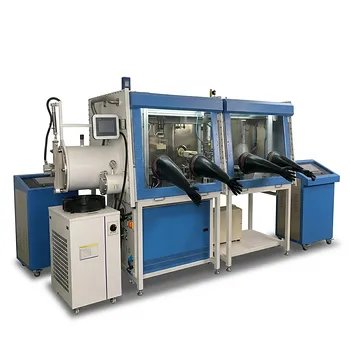
Automatic 10 Crucible Induction Melting and Casting System with Stirring Function and Glovebox Integration 2000C
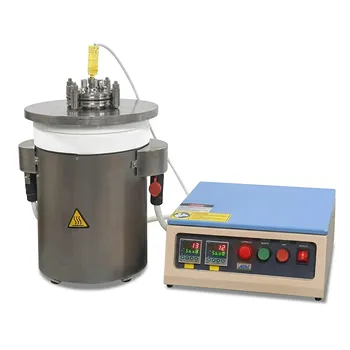
600°C Vertical Crucible Furnace with SS316 Alloy Reactor and 6 Port Vacuum Flange
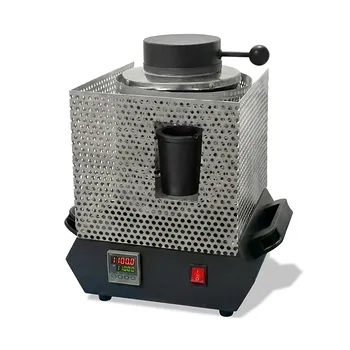
Compact Crucible Melting Furnace 1100C Programmable Temperature Controller Metal Sintering Equipment